Welcome to your comprehensive guide to creating a budget that works for you in 2025. Financial freedom is within reach, and it starts with understanding and implementing a well-crafted budget. This guide provides practical budgeting tips and strategies to help you take control of your finances and achieve your money goals.
Why Budgeting in 2025 Matters More Than Ever
The evolving financial landscape
The financial landscape is constantly changing. Adapting to these changes requires a solid budget plan. In 2025, economic uncertainties make financial planning more critical than ever, and setting clear financial goals is a must.
Common money struggles people face today
Many people struggle with managing their money effectively. Common issues include credit card debt, difficulty saving money, and not knowing where their money is going. A budget helps address these struggles.
How smart budgeting helps you take control of your future
Smart budgeting empowers you to take control of your financial future. By creating a budget, you can track your spending, set goals, and make informed financial decisions. A budget plan also builds financial confidence.
Step 1: Understanding Your Current Financial Situation

Tracking income streams (salary, side hustles, investments)
Before you can create a budget, you need to know where your money comes from. To accurately track your income, be sure to include:
- Your salary
- Any side hustles
- Investment income
This is where your budget template begins.
Identifying fixed vs. variable expenses
Understanding your expenses is crucial for effective budgeting. Identify which expenses are fixed, like your mortgage, and which are variable, like your grocery bill. This will help you allocate money in your monthly budget.
Analyzing debt and monthly commitments
Analyze your debt and monthly commitments to get a clear picture of your financial obligations. This includes credit card debt, loans, and other recurring payments. This step helps you prioritize paying off debt.
Step 2: Setting Clear and Realistic Financial Goals

Short-term goals (vacation, emergency fund, small purchases)
Set short-term goals like saving for a vacation. These goals provide motivation to stick to your budget, and saving for these can give you extra money, for instance:
- Building an emergency fund
- Making small purchases
Long-term goals (buying a house, retirement, kids’ education)
Planning for the future involves setting long-term goals. Many people focus on important milestones. Examples of these goals include:
- Buying a house
- Saving for retirement
- Funding your kids’ education
These goals require a strategic and well-crafted budget, and automate your savings.
SMART goals framework for better results
Use the SMART goals framework to ensure your financial goals are Specific, Measurable, Achievable, Relevant, and Time-bound. This approach enhances your ability to set goals and achieve them.
Step 3: Choosing the Right Budgeting Method

Zero-based budgeting
With zero-based budgeting, every dollar is assigned a purpose. Your income minus your expenses equals zero. This method requires you to plan where every dollar goes, so it helps you track your spending.
50/30/20 rule
The 50/30/20 rule allocates 50% of your income to needs, 30% to wants, and 20% to savings and debt repayment. This is a simple way to budget for essential expenses and have some free money.
Envelope (cash flow) system
The envelope system involves using physical envelopes for different budget categories, such as groceries and entertainment. Once an envelope is empty, you can’t spend any more in that category. This is the best way to budget for some.
Digital-first budgeting with AI-powered apps
Utilize budgeting apps powered by AI to automate your savings, track your spending, and gain insights into your financial habits. These tools can greatly simplify the budgeting process and help you stick to your budget.
Step 4: Building a Flexible Monthly Budget
Allocating money to essentials (rent, food, utilities)
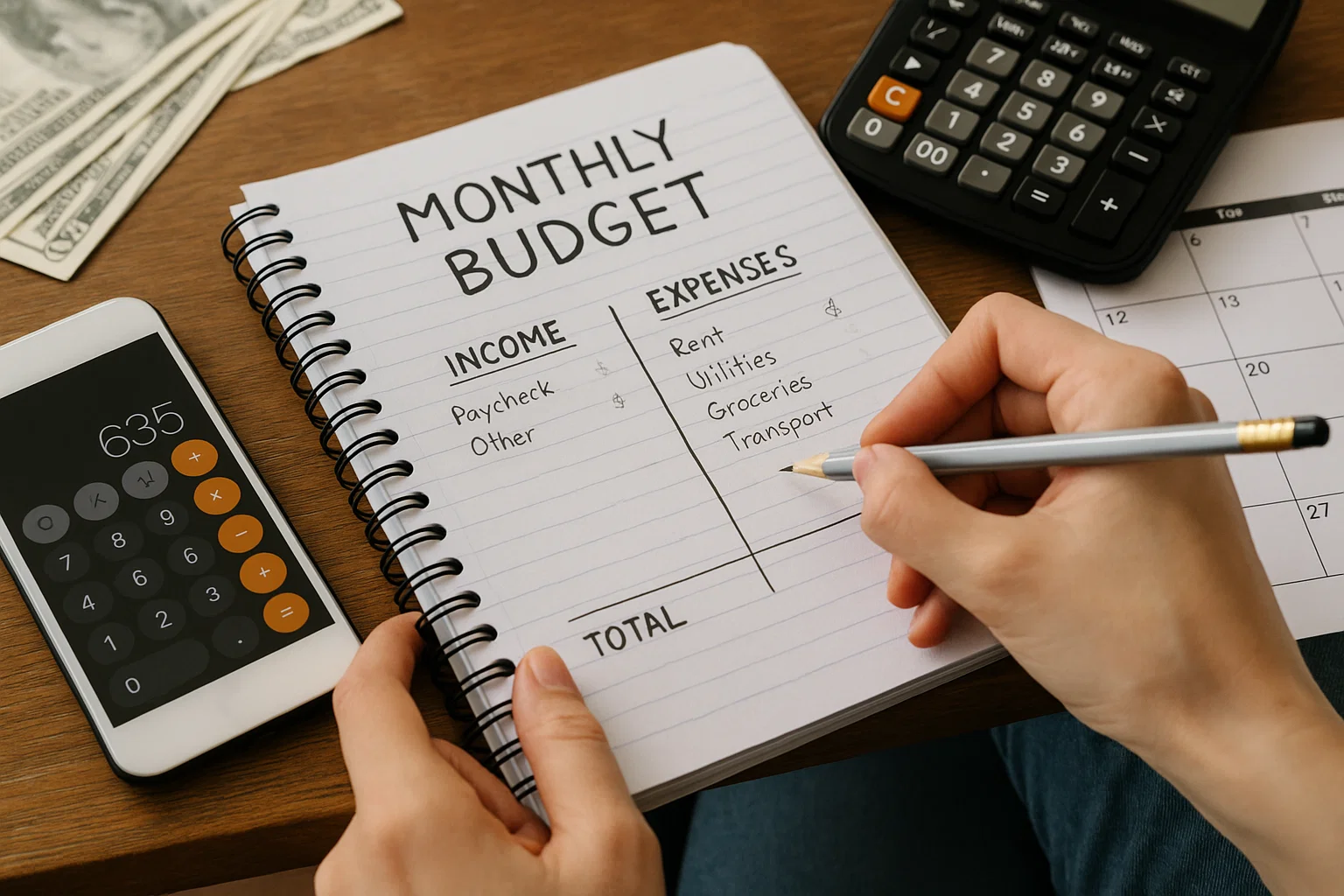
When you create a budget, it’s crucial to allocate money for essential expenses like rent, food, and utilities. These are non-negotiable aspects of your monthly budget. Make sure you understand how much money is going towards these essentials so that the budget isn’t disrupted.
Setting aside savings & investments first
Prioritize your savings goal by setting aside money for savings and investments before allocating funds to other budget categories. Treat your savings as a non-negotiable expense to ensure you are consistently working towards your financial goals. You’ll stick to the budget by doing so.
Creating a “fun budget” without guilt
Include a “fun budget” in your budget plan to enjoy life without feeling guilty. This involves setting aside money for entertainment, hobbies, and dining out. It’s very important to give yourself free money to stick to your budget plan and avoid impulsive spending.
Step 5: Using Technology to Stay on Track
Best budgeting apps in 2025
In 2025, leverage the best budgeting app to automate your savings, track your spending, and manage your finances. These apps can provide valuable insights and help you stick to your budget and get on top of your money.
Automation for bills, savings, and investments
Take advantage of automation to streamline your financial processes. Set up automatic payments for bills, savings, and investments. This ensures that you consistently achieve your savings goal and pay off debt, making your budget easier to manage. The best way to budget would include automation.
AI tools that predict overspending & financial risks
Utilize AI-powered tools to predict potential overspending and identify financial risks. These tools analyze your spending habits and provide alerts to help you make informed financial decisions. A solid budget helps keep overspending under control.
Step 6: Cutting Expenses Without Sacrificing Quality of Life

egotiating bills & subscriptions
One effective money management strategy is to negotiate bills and subscriptions to reduce your monthly expenses. Contact service providers to inquire about lower rates or discounts. You might be surprised by how much extra money you can save; this will help you make a budget that works.
Smart shopping and cashback strategies
Implement smart shopping and cashback strategies to save money on your purchases. Look for discounts, use coupons, and take advantage of cashback rewards programs. This approach can help you save money on groceries and other necessities, keeping your monthly budget in check.
Minimalism and intentional spending
Embrace minimalism and practice intentional spending to reduce unnecessary expenses. Focus on purchasing items that bring value to your life and avoid impulse buys. This approach can free up money in your budget for important savings goals and allow your savings account to flourish.
Step 7: Boosting Income to Grow Your Budget

Exploring side hustles in 2025
Explore side hustles in 2025 to boost your income and accelerate your financial goals. Consider freelance work, online tutoring, or starting a small online business to supplement your salary and create a budget that works around all income streams.
Freelancing and gig economy opportunities
Take advantage of the numerous freelancing and gig economy opportunities available. Offer your skills and services on platforms like Upwork or Fiverr to earn extra income and improve your financial situation. A budget helps show how to allocate this new money.
Passive income through investments
Generate passive income through investments to grow your budget and achieve financial freedom. Consider investing in dividend-paying stocks, real estate, or peer-to-peer lending. This allows your money to work for you, building wealth over time, and the budget helps to track all of this new income.
Step 8: Preparing for Financial Emergencies

Building a strong emergency fund
Building a strong emergency fund is a critical component of any solid budget plan. An emergency fund acts as a financial safety net, providing you with the resources to cover unexpected expenses without resorting to credit card debt or disrupting your savings goal. It allows you to stick to your budget when life throws curveballs.
Insurance as a protective tool
Insurance serves as a protective tool against significant financial losses due to unforeseen events. Evaluate your insurance needs and ensure you have adequate coverage for health, home, auto, and life. The cost of insurance should be included in your monthly budget to safeguard your financial well-being in 2025.
Why financial resilience is crucial in uncertain times
Financial resilience is crucial in uncertain times to navigate unexpected challenges and maintain financial stability. Building resilience involves creating a budget that works, having an emergency fund, and diversifying income streams. These strategies help you weather economic storms and achieve long-term financial freedom in 2025 and get on top of your money.
Step 9: Reviewing and Adjusting Your Budget Regularly
Monthly check-ins and expense reviews
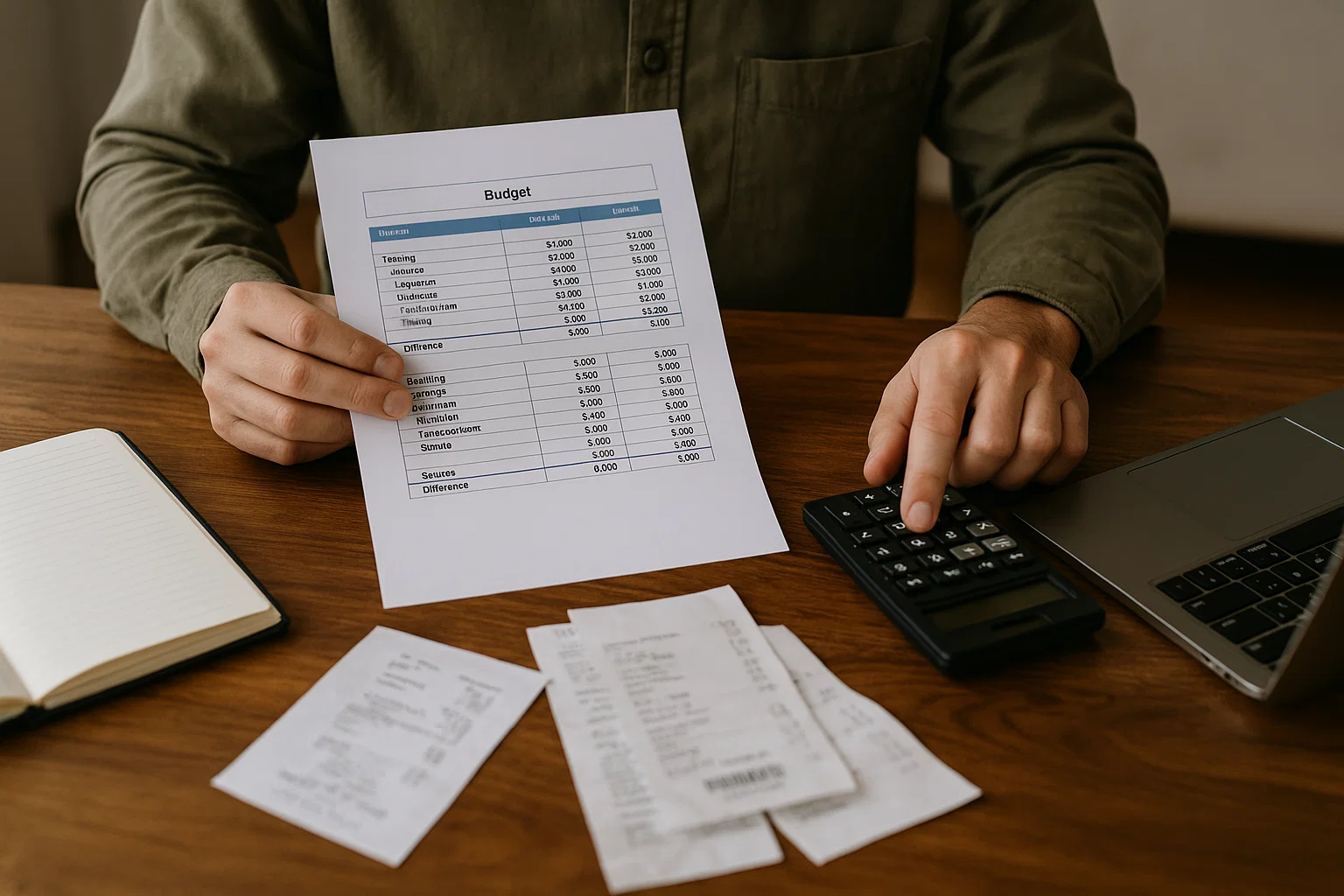
Conduct monthly check-ins and expense reviews to ensure your budget aligns with your financial goals. Track your spending, compare it to your budgeted amounts, and identify areas where you can make adjustments. This proactive approach helps you stay on track and optimize your budget for better results. The best way to budget is by reviewing it.
Adapting your budget when life changes
Life is full of changes, and your budget should be flexible enough to adapt to these changes. Whether it’s a new job, a change in income, or a significant life event, adjust your budget accordingly. Regularly update your budget template to reflect your current financial situation. The new budget should accommodate new money.
Annual budgeting refresh for 2025 and beyond
Perform an annual budgeting refresh to reassess your financial goals and make any necessary adjustments for the coming year. Review your progress, update your budget assumptions, and set new goals for 2025 and beyond. This ensures your budget remains relevant and effective and continue saving for retirement.
Common Budgeting Mistakes to Avoid in 2025
Ignoring small expenses that add up
One of the most common mistakes is ignoring small expenses that add up over time. These expenses may seem insignificant individually, but they can significantly impact your monthly budget. Track every expense, no matter how small, to gain a clear picture of your spending habits; this way to budget is helpful.
Failing to save for irregular costs
Failing to save for irregular costs, such as annual subscriptions or holiday gifts, can derail your budget. Plan for these expenses in advance by setting aside money each month. Create a sinking fund to cover these costs without straining your monthly budget. The best way to budget is to save for these expenses.
Relying too much on credit cards
Relying too much on credit cards can lead to debt accumulation and financial stress. Avoid using credit cards for everyday expenses and pay off your balances in full each month. Use credit cards responsibly to build credit without falling into debt; a solid budget plan is best for this.
Expert Tips for Budgeting Like a Pro in 2025
Treating savings like a non-negotiable bill
Treat savings like a non-negotiable bill to ensure you consistently save money each month. Automate your savings by setting up recurring transfers to your savings account. Prioritize your savings goal and make it a fundamental part of your budget plan; this way you’ll stick to your budget in 2025.
Leveraging financial communities for accountability
Leverage financial communities for accountability and support in your budgeting journey. Join online forums, attend local workshops, or work with a financial advisor to stay motivated and learn from others. Sharing your financial goals with others can help you stay on track. A solid budget helps you get there.
Learning financial literacy as an ongoing journey
Financial literacy is an ongoing journey, and it’s crucial to continuously learn and improve your financial knowledge. Read books, attend seminars, and stay informed about personal finance topics. The more you know, the better equipped you’ll be to make smart financial decisions and achieve your savings goal. A budget helps you reach your goal.
Conclusion: Your Path to Financial Freedom in 2025
By implementing these budgeting tips and strategies, you can pave your path to financial freedom in 2025. Remember that creating a budget that works requires discipline, consistency, and a commitment to your financial goals. Start today and take control of your financial future. A solid budget plan can help you reach financial freedom.