


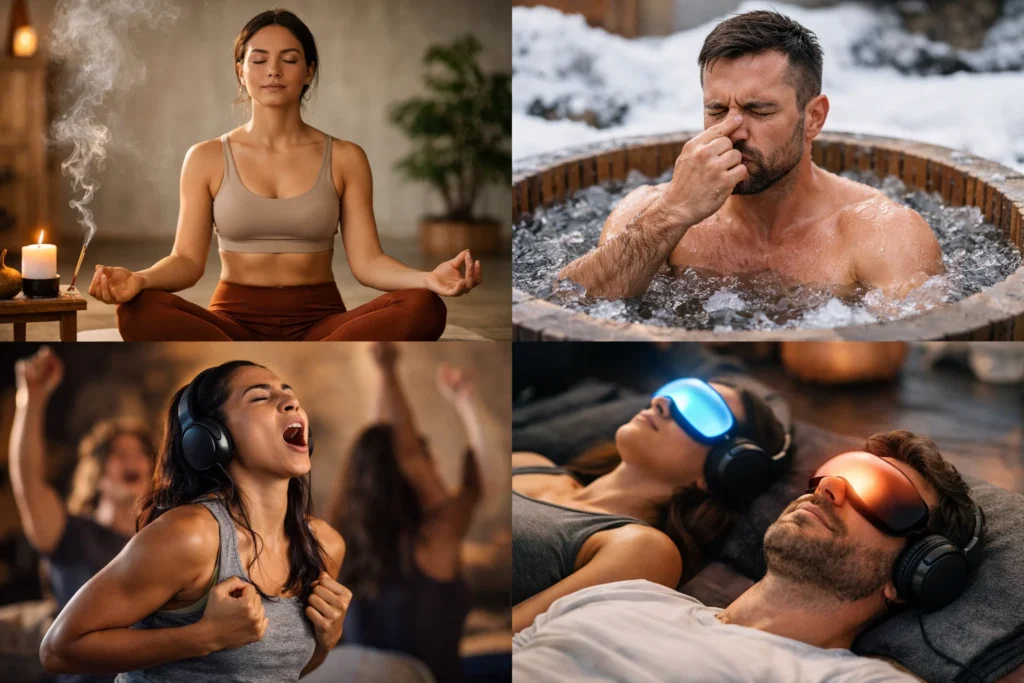
In today’s fast-paced world, stress has become a ubiquitous part of life. This article explores how breathwork, an ancient practice with roots in various cultures, is emerging as a powerful tool for stress reduction and enhanced well-being. We’ll delve into the science-backed benefits, explore popular techniques, and guide you on how to incorporate breathwork into your daily routine.
Why Breathwork Is the Ultimate Stress-Buster

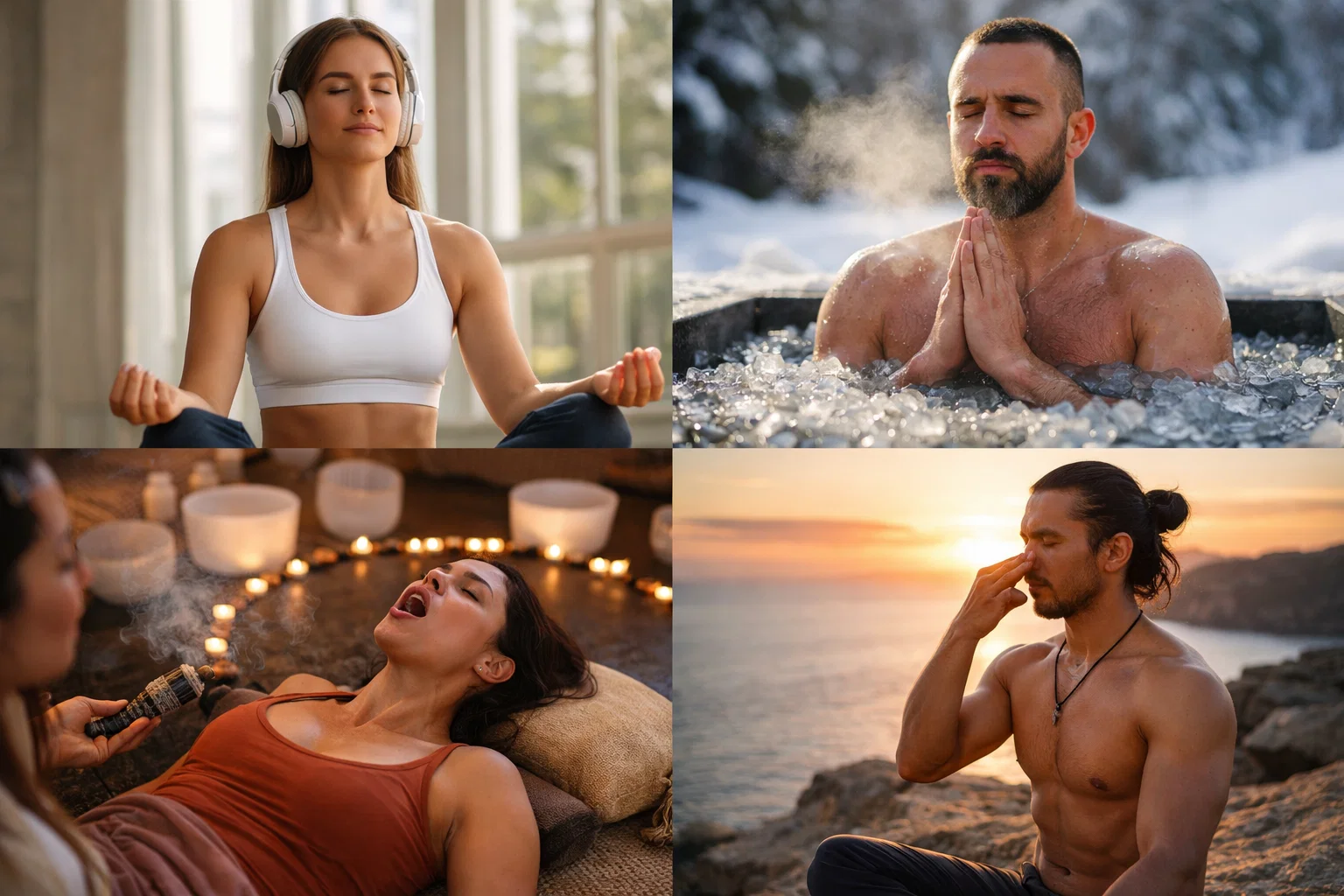
The rise of mindful breathing in modern wellness culture
The surge in popularity of breathwork within the modern wellness culture underscores a growing awareness of the profound connection between mind and body.
People are increasingly seeking holistic approaches to manage stress, leading to the integration of mindful breathing exercises into daily life. The adoption of breathing techniques signals a shift towards accessible, self-empowering wellness practices.
How breathwork calms the body and brain: science-backed insights
Breathwork has the ability to calm the body and the brain because it directly influences the nervous system. Scientific studies reveal that engaging in diaphragmatic breathing activates the parasympathetic nervous system, which lowers heart rate and blood pressure. This physiological shift promotes a state of relaxation that counteracts the body’s natural stress response.
Why stress reduction through breathwork is more than a passing trend
The enduring appeal of stress reduction through breathwork indicates its effectiveness and accessibility as a coping mechanism for chronic stress. Unlike fleeting wellness fads, the benefits of breathing techniques are deeply rooted in physiological mechanisms, offering tangible improvements in mood, focus, and resilience to stress or anxiety. Deep breathing provides sustainable strategies.
The Science Behind Breathwork: How Breathing Shapes Your Mood and Energy

The connection between breath, the vagus nerve, and relaxation response
The link between breath and the vagus nerve is central to understanding the power of breathwork. Stimulating the vagus nerve through slow-paced breathing triggers the relaxation response, reducing anxiety and stress. This physiological pathway helps the body shift from a state of high alert to one of calm and equilibrium, improving the effects of stress.
The role of CO₂ and oxygen balance in emotional regulation
Maintaining a balanced level of carbon dioxide and oxygen in the body plays a crucial role in emotional regulation. Practicing various breathwork techniques can help optimize this balance, leading to increased emotional stability.
When CO₂ levels are regulated through diaphragmatic breathing, individuals experience a reduced sensation of anxiety and stress, enhancing their overall emotional well-being.
Breathe Away Stress: Understanding breathwork vs. meditation
While both breathwork and meditation aim to promote relaxation and mindfulness, they differ in their primary approach.
Breathwork actively manipulates the breathing to influence physiological states, whereas meditation focuses on cultivating mental stillness and awareness. The effect of diaphragmatic breathing can be a more direct route to manage stress, appealing to those who find meditation challenging.
The Most Effective Breathwork Trends You Need to Try
1. Box Breathing (4-4-4-4 Method): From Navy SEALs to office workers
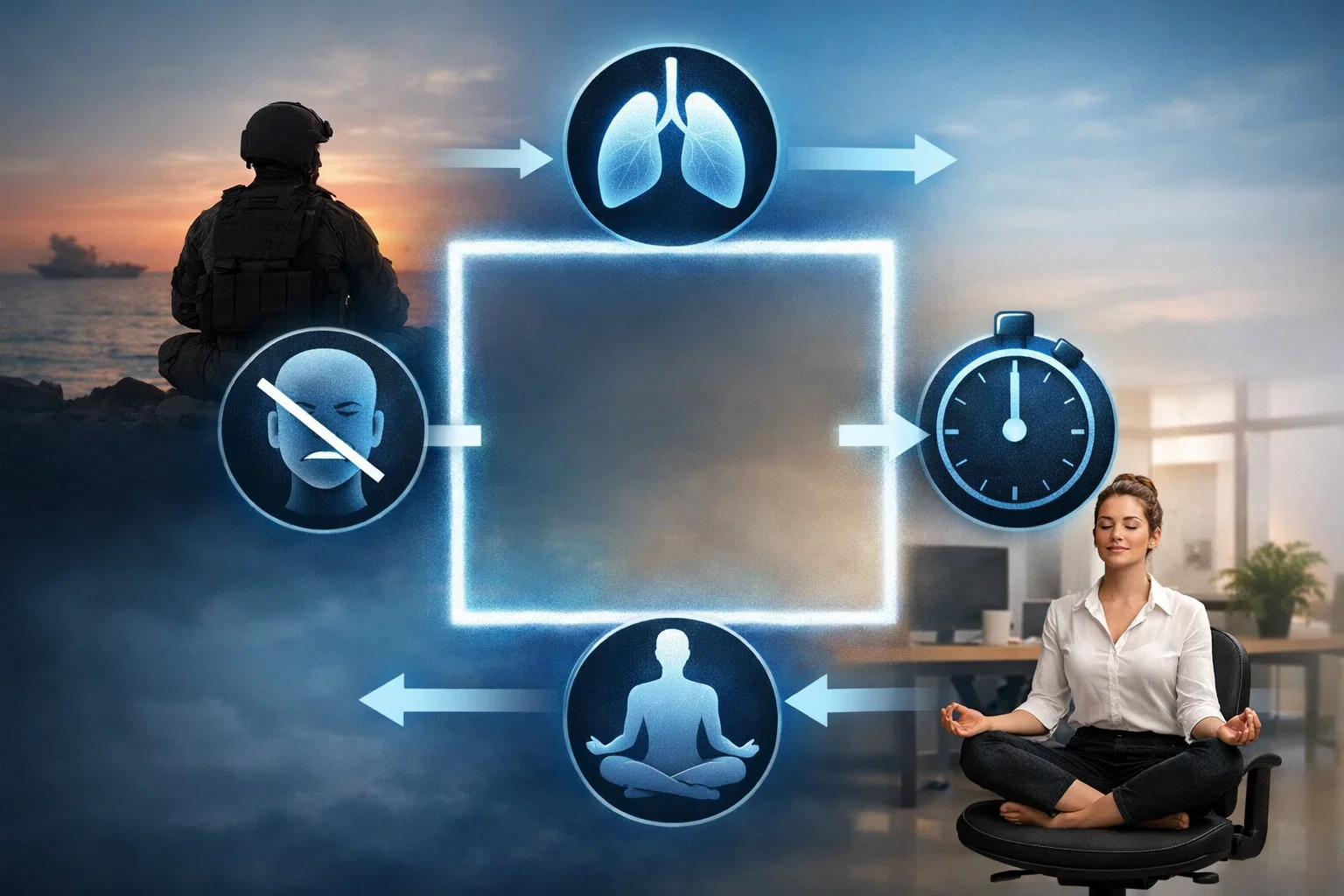
Box breathing, a simple yet powerful breathing technique, is favored for its accessibility and effectiveness in stress reduction. This method involves inhaling for a count of four, holding for four, exhaling for four, and pausing for four, creating a balanced rhythm that helps manage stress. Its adaptability makes box breathing ideal for various settings, from high-pressure situations to office environments.
2. 4-7-8 Breathing: The fast track to instant calm and better sleep

The 4-7-8 breathing technique promotes relaxation and improves sleep quality by regulating the nervous system and reducing anxiety and stress. Inhale deeply through your nose for four seconds, hold your breath for seven seconds, and exhale slowly through your mouth for eight seconds. Consistent breathwork of this yoga breathing method helps to calm the mind and body.
3. Resonance Breathing: Syncing your breath with your heartbeat

Resonance breathing focuses on synchronizing your breathing with your heart rate variability to maximize the effects of breathwork on stress reduction. This diaphragmatic breathing involves finding the breathing frequency that creates the greatest balance in your nervous system, typically around six breaths per minute, enhancing feelings of calm and well-being. It can also improve stress.
4. Alternate Nostril Breathing (Nadi Shodhana): Balancing brain energy
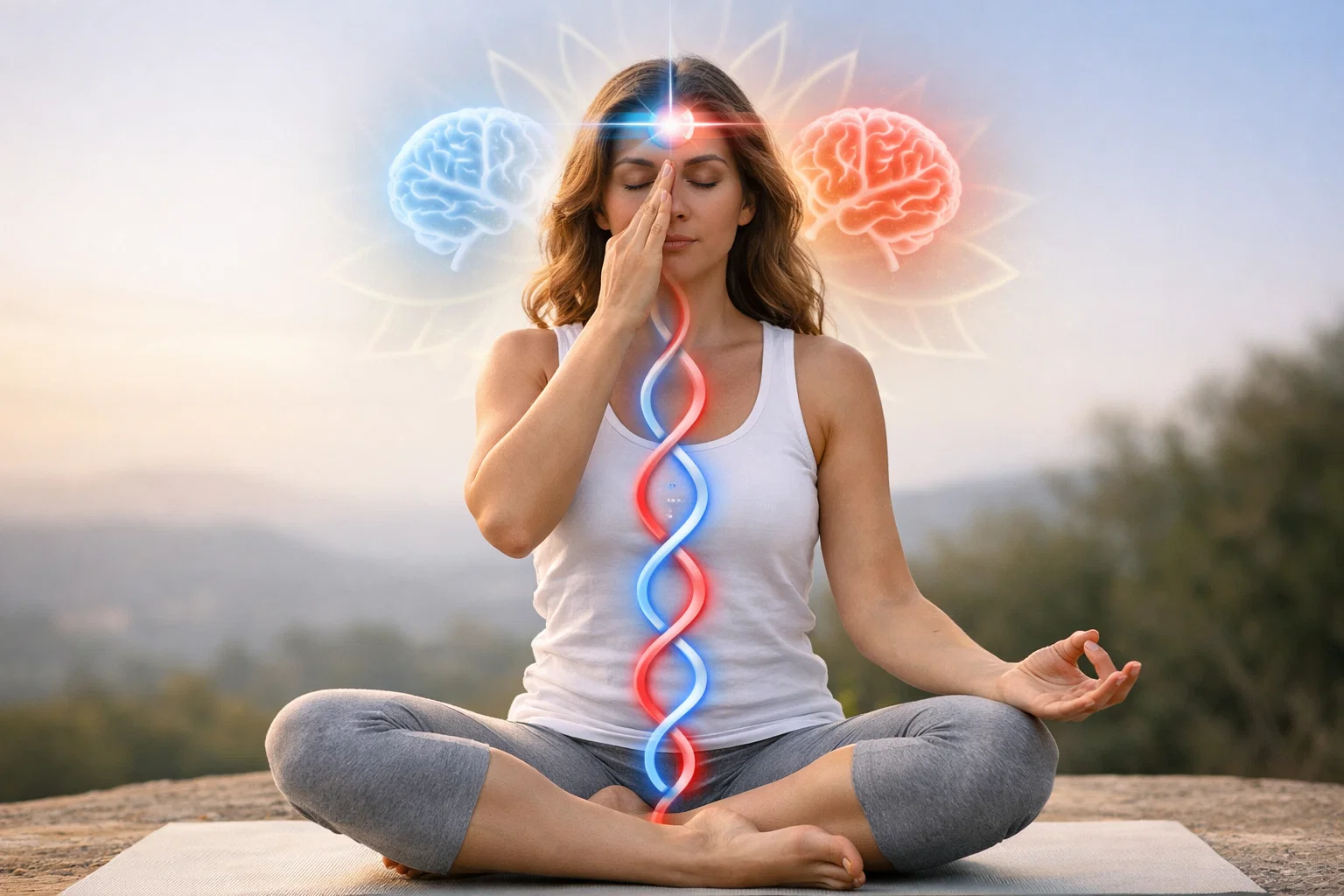
Alternate nostril breathing, or Nadi Shodhana, is a yogic breathing practice used to balance the left and right hemispheres of the brain, promoting mental clarity and stress reduction. This breathing involves closing one nostril while inhaling through the other, then alternating nostrils with each breath. Regular alternate nostril breathing can help reduce anxiety.
5. Wim Hof Method: Breath, cold, and energy reimagined
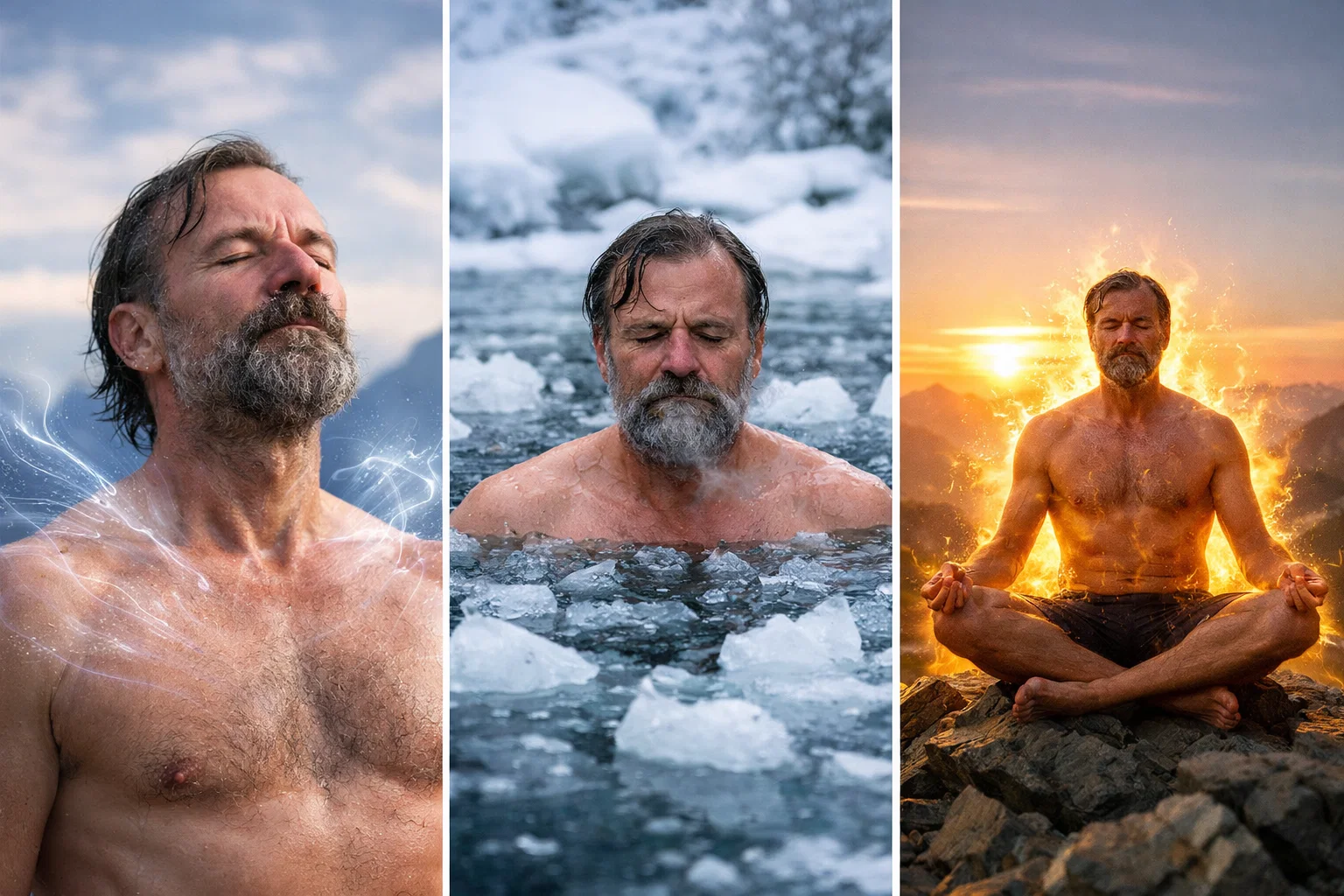
The Wim Hof Method combines specific breathing techniques with cold exposure and commitment to enhance energy levels and resilience to stress. This method involves cycles of hyperventilation followed by breath retention, aiming to increase oxygen levels and improve the body’s stress response. It’s essential to practice the Wim Hof Method safely and under proper guidance.
6. Transformational Breathwork: Emotional detox through breath
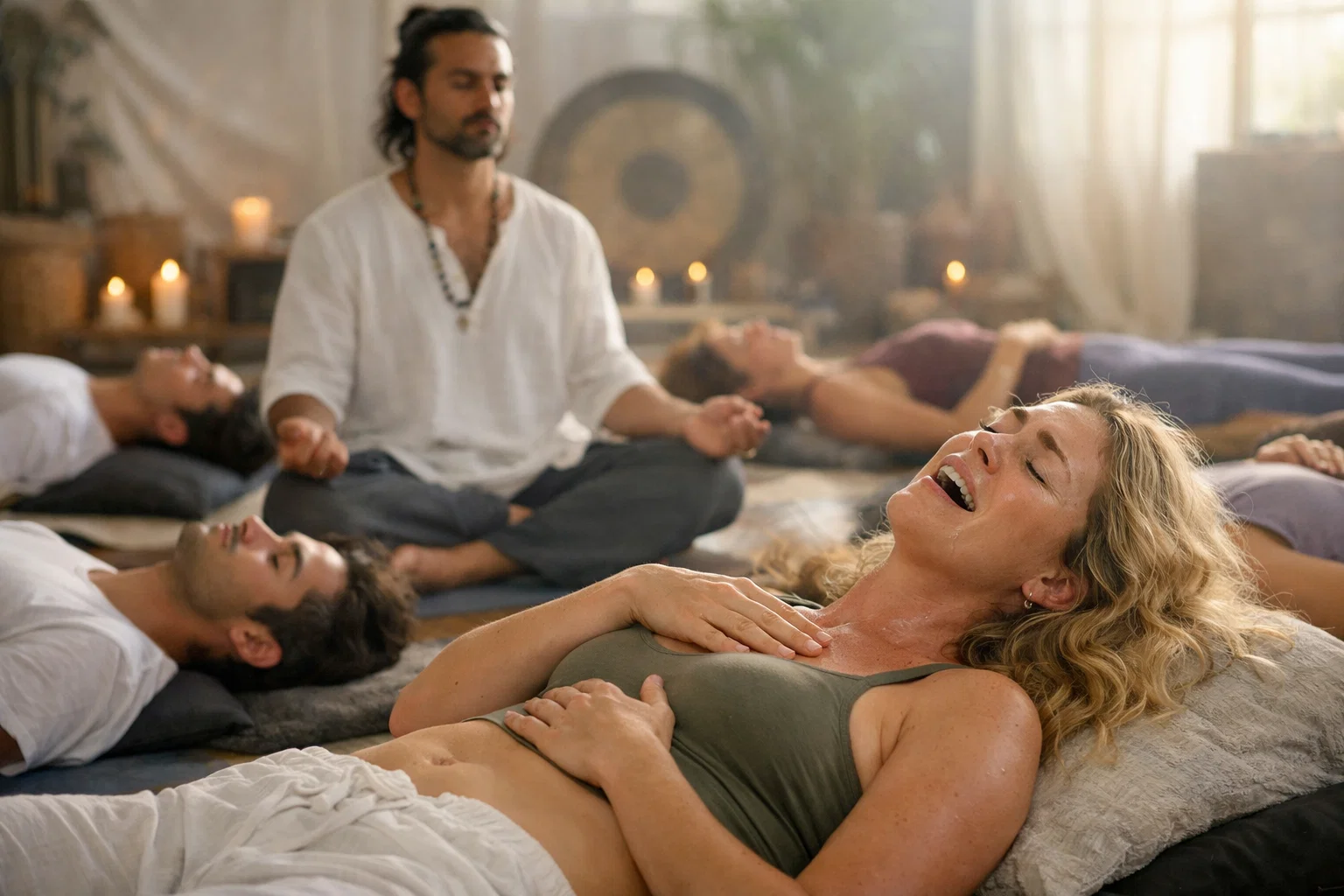
Transformational breathwork uses conscious, connected diaphragmatic breathing to facilitate emotional release and promote healing. This technique often involves deep, rhythmic breathwork to access and process stored emotions, helping to reduce stress and promote emotional well-being. This effective stress reduction technique helps release physical and emotional tension.
7. SOMA Breath: Breathwork meets music and mindfulness
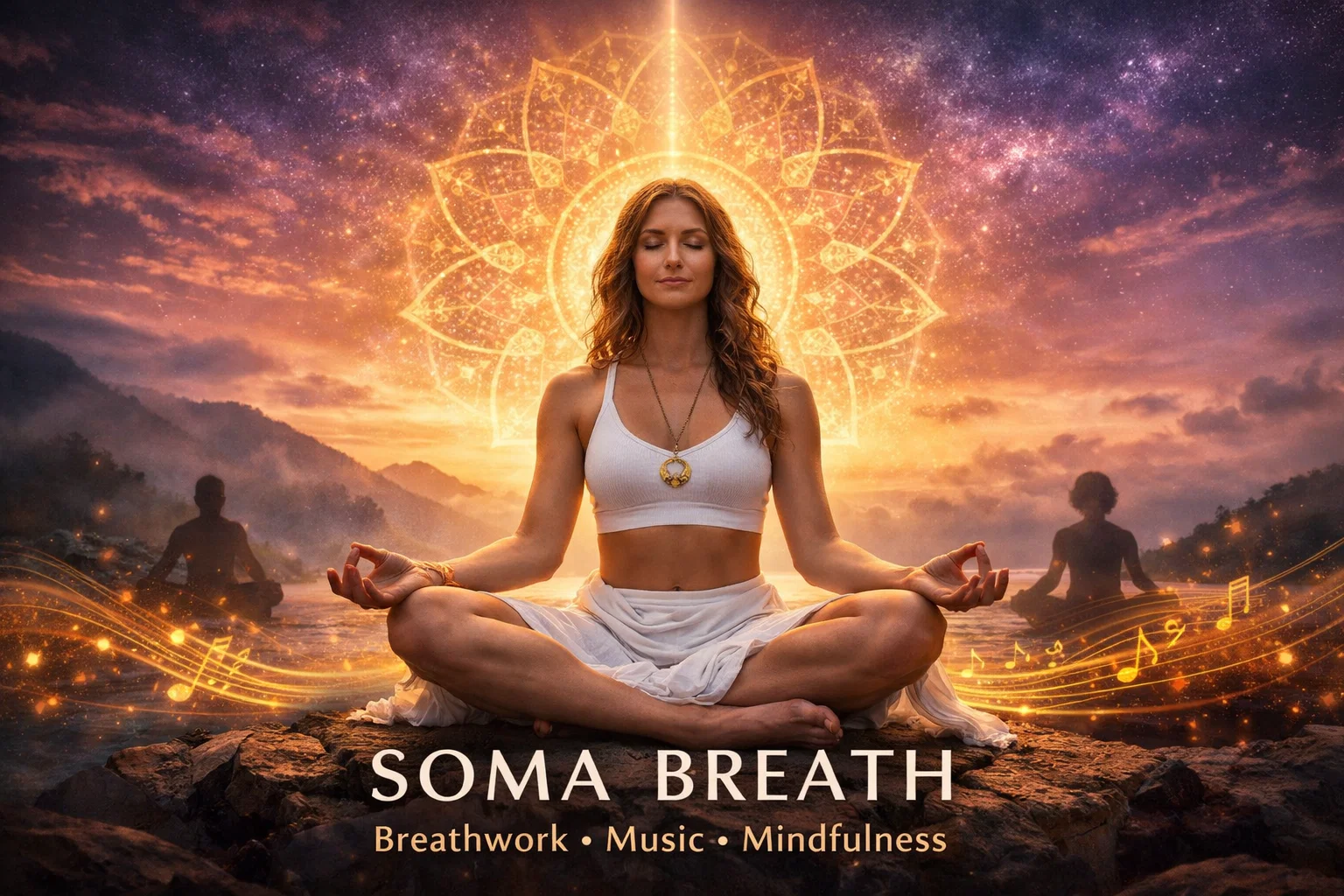
SOMA Breath integrates various breathwork techniques with music and mindfulness practices to enhance relaxation and promote holistic well-being. This approach often combines rhythmic breathing with guided meditations and music to create a deeply immersive and transformative experience, aiding in stress reduction and mental clarity. It is also helpful for stress or anxiety.
Modern Tech Meets Breath: AI and Biofeedback in Breathwork
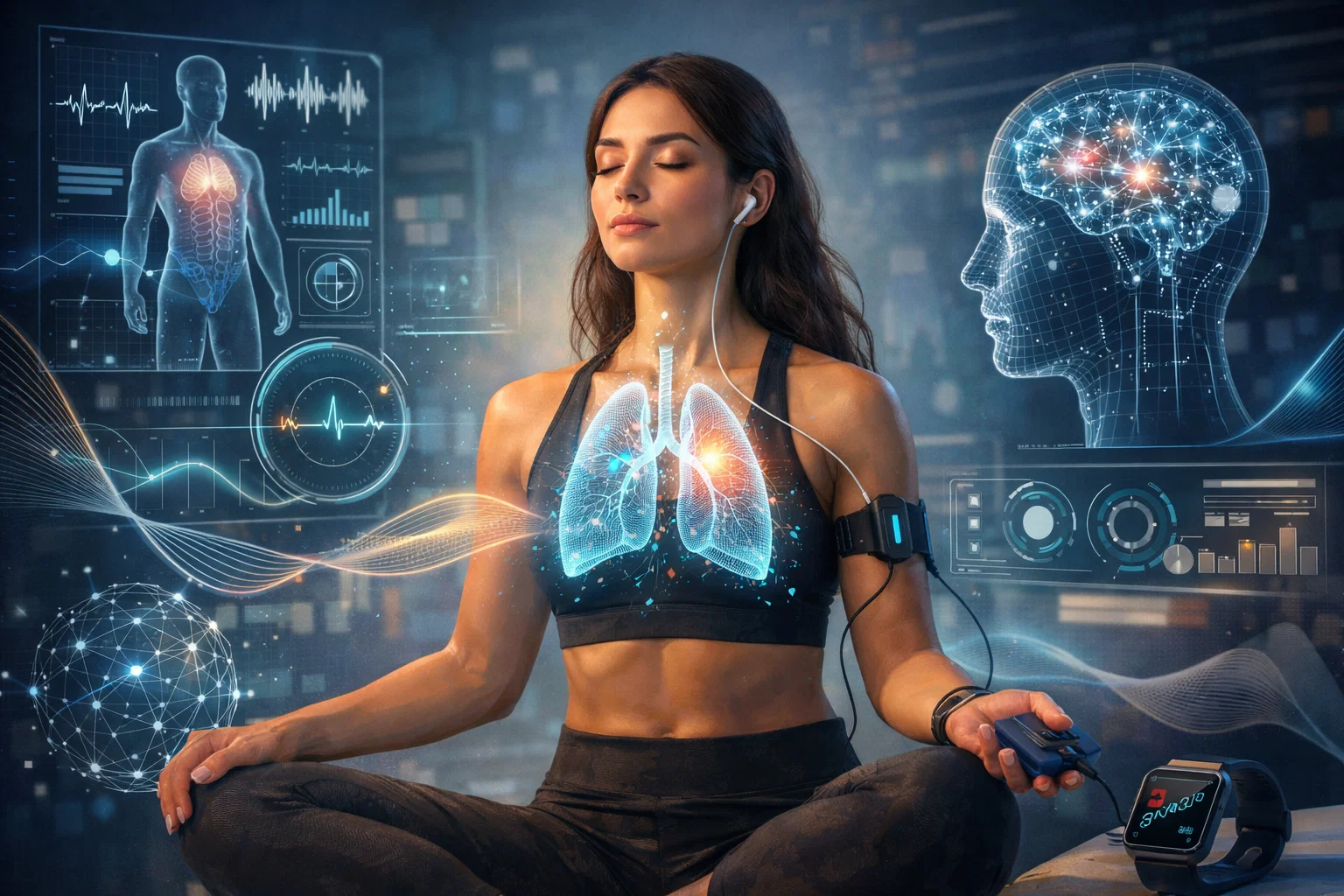
How wearable devices track and optimize your breathing patterns
Wearable devices like smartwatches and fitness trackers can monitor breathing patterns, offering valuable insights into your stress response and overall well-being. These devices use sensors to track your respiratory rate, depth of breath, and heart rate variability, providing real-time data to help you optimize your breathing technique and manage stress more effectively. It improves stress outcome.
The rise of AI-guided breathwork apps (Calm, Breathwrk, Open, Othership)
AI-guided breathwork apps are becoming increasingly popular, offering personalized breathing programs tailored to individual needs and goals. These apps use algorithms to analyze your breathing patterns and provide real-time feedback, helping you improve stress levels and overall well-being. Apps like Calm, Breathwrk, Open, and Othership are leading this trend, making breathwork more accessible.
Using smartwatches to improve stress response in real time
Smartwatches can be powerful tools for managing stress response in real-time by providing immediate feedback on your breathing patterns. By tracking your heart rate variability and respiratory rate, smartwatches can alert you when you’re experiencing stress and anxiety, prompting you to engage in deep breathing exercises to regain calm and focus. This enables proactive stress reduction.
Breathe Away Stress: Choose the Right Breathwork Practice for You
Breathing techniques for stress relief and anxiety management
For those seeking stress relief and better anxiety management, certain breathing techniques are exceptionally effective. Diaphragmatic breathing, also known as belly breathing, can help lower heart rate and promote relaxation. Slow-paced breathing activates the parasympathetic nervous system, reducing the overall stress response and fostering a sense of calm. Regular breathwork is key.
Energizing breathwork to boost productivity and focus
Breathwork isn’t just about calming down; it can also energize and enhance focus. Techniques like the Wim Hof Method, involving cycles of hyperventilation followed by breath retention, can boost energy levels. Deep breathing increases oxygen supply to the brain, improving mental clarity and concentration. Integrating energizing breathing into your routine may improve stress.
Breathwork for sleep and emotional regulation
Breathwork offers effective strategies for improving sleep and emotional regulation. The 4-7-8 breathing technique is renowned for its calming effects, helping to quiet the mind before bed. Slow deep breathing can also stabilize emotions by balancing the nervous system. Consistent breathwork fosters greater emotional resilience, helping to manage stress or anxiety effectively.
Grounding practices to manage panic or overwhelm
When panic or overwhelm strikes, grounding breathing can provide immediate relief. Techniques like box breathing, with its balanced rhythm, can quickly bring you back to the present moment. Focusing on the physical sensation of each breath stabilizes the nervous system, reducing feelings of stress and anxiety. These practices can effectively reduce anxiety.
Step-by-Step: How to Start a Daily Breathwork Routine at Home
Setting up your environment: sound, light, and posture
To maximize the effects of breathwork, creating a conducive environment is crucial. Choose a quiet space with minimal distractions, where the sound is calming and the light is soft. Maintain good posture, either sitting upright or lying down comfortably, to facilitate proper diaphragmatic breathing. Such preparation significantly improves stress by optimizing the breathwork.
Ideal morning vs. evening breathwork routines
The timing of your breathing can greatly influence its effects of breathwork on stress. Morning routines might benefit from energizing techniques like Kapalabhati yogic breathing, while evening sessions are better suited to calming practices like 4-7-8 breathing to promote relaxation and prepare for sleep. Tailor your breathing to suit your needs.
How long and how often to practice for visible results
Consistency is key to experiencing the benefits of breathing. Start with just 5-10 minutes of breathwork daily and gradually increase the duration as you become more comfortable. Practicing various breathwork techniques regularly, even for short periods, can lead to noticeable improvements in stress reduction and overall well-being, helping manage stress.
Common Mistakes Beginners Make with Breathwork (and How to Avoid Them)
Breathe Away Stress: Breathing too fast or shallowly
One common mistake for beginners is breathing too fast or shallowly, which can actually increase stress and anxiety rather than reduce stress. To avoid this, focus on diaphragmatic breathing, ensuring your belly rises and falls with each breath. Consciously slow down your breathing to maximize the effects of breathwork.
Ignoring posture and diaphragm engagement
Ignoring posture and proper diaphragm engagement can hinder the benefits of breathing. Slouching restricts diaphragmatic breathing, limiting the effects of breathwork on stress. Maintain an upright posture and actively engage your diaphragm by feeling your belly expand as you inhale. This will ensure deep breathing and enhance stress reduction.
Expecting instant emotional breakthroughs
Expecting instant emotional breakthroughs from breathwork can lead to disappointment. While some may experience immediate relief, chronic stress may require consistent breathwork over time. Be patient and persistent with your breathing technique, allowing the cumulative effects of breathwork to unfold gradually, fostering long-term stress and anxiety reduction.
Skipping warm-up or cool-down breathing phases
Skipping warm-up or cool-down breathing phases is another common error. Just as with physical exercise, starting with gentle diaphragmatic breathing prepares the body for deeper work, while ending with a cool-down helps integrate the experience. This approach maximizes the benefits of breathing and minimizes any potential discomfort, enhancing the effectiveness of breathing.
Expert Insights: Why Breathwork Is the Future of Mental Wellness
What psychologists and wellness coaches are saying about 2025 trends
Psychologists and wellness coaches increasingly recognize breathwork as a cornerstone of future mental wellness strategies. They emphasize the accessible nature of breathing exercises and its ability to complement traditional therapies. Experts predict that diaphragmatic breathing and mindful breathwork will become integral components of proactive stress and anxiety reduction approaches in 2025.
How breathwork complements therapy, yoga, and meditation
Breathwork serves as a powerful complement to therapy, yoga, and meditation by enhancing their respective benefits. In therapy, breathing techniques for stress can help regulate emotions, fostering deeper self-awareness. When combined with yoga, yogic breathing amplifies relaxation. The effects of breathwork on stress can deepen meditative states, making it easier to achieve mental clarity and stress reduction.
The corporate wellness boom: breath sessions in workplaces
The corporate wellness arena is witnessing a surge in the adoption of breathwork sessions within workplaces. Recognizing the impact of chronic stress on employee well-being and productivity, companies are incorporating breathing exercises into their wellness programs. This proactive approach aims to manage stress, enhance focus, and cultivate a healthier, more resilient workforce through deep breathing.
Conclusion: One Breath at a Time — Your Journey to Calm Starts Now
Embarking on a journey towards calm and well-being begins with a single breath. By incorporating breathwork into your daily routine, you unlock a potent tool for stress reduction and enhanced mental clarity. Whether through diaphragmatic breathing, alternate nostril breathing, or any other breathing technique, take that first step today, one breath at a time, towards a calmer, more balanced you. Remember, the effects of breathwork on stress can be life changing.