In an increasingly fast-paced and digitally saturated world, a profound shift is occurring in how we approach our health and well-being. Nature therapy is emerging as the biggest wellness trend of 2026, offering a powerful antidote to modern stressors and a pathway to holistic healing.
Why Nature Therapy Is Exploding in 2026
The Rise of Burnout, Stress, and Digital Fatigue
The pervasive presence of digital technology in our lives has undeniably contributed to a significant increase in burnout, chronic stress, and digital fatigue. Many individuals find themselves overwhelmed by constant connectivity, the relentless demands of work, and the incessant stream of information, leading to a profound yearning for disconnection and peace.
This escalating mental health crisis has created fertile ground for the resurgence of nature-based therapies, as people actively seek respite from their indoor, screen-dominated existence and the associated mental strain.
Why People Are Turning to Nature for Emotional Healing
As the detrimental effects of a constantly connected lifestyle become more apparent, a growing number of individuals are turning to the natural environment for emotional healing and restoration. There is a deeply ingrained human need for contact with nature, a primal desire to connect with something larger and more enduring than ourselves.
This inherent longing for the outdoors, combined with the recognized therapeutic benefits of nature engagement, is driving people away from traditional indoor settings and towards the calming embrace of green spaces, seeking genuine solace and rejuvenation for their mental health and well-being.
How Wellness Culture Is Changing in 2026
The wellness culture of 2026 is undergoing a profound transformation, moving beyond fleeting fads and superficial solutions towards more sustainable and holistic approaches to well-being. There’s a noticeable shift away from purely performance-driven or aesthetically focused wellness trends towards practices that prioritize authentic human health, emotional balance, and a deeper connection to nature.
This evolution reflects a collective realization that true wellness encompasses not just physical fitness but also mental clarity, emotional resilience, and a harmonious relationship with our natural surroundings, making nature-based therapies a cornerstone of this new paradigm.
What Is Nature Therapy?
The Meaning Behind Nature-Based Healing
Nature therapy, often referred to as ecotherapy, encompasses a broad range of therapeutic practices that involve engaging with the natural environment to promote physical and mental health. It operates on the fundamental premise that contact with nature possesses inherent healing qualities that can significantly improve human well-being.
These nature-based therapies are not merely recreational activities but structured interventions designed to foster a deeper connection to nature, leveraging the restorative power of natural settings to address various mental, emotional, and even physical challenges in a holistic manner.
The Science of Nature and Mental Wellness
A growing body of scientific evidence increasingly supports the profound link between exposure to nature and enhanced mental well-being. Research highlights how time in nature can significantly reduce stress hormones like cortisol, lower blood pressure, and improve mood.
This scientific validation underscores the efficacy of nature-based activities in promoting mental wellness, providing a robust, evidence-based foundation for why practices like forest bathing and horticultural therapy are becoming integral components of modern therapeutic approaches, moving beyond anecdotal claims to established scientific understanding.
How Nature Affects Stress, Sleep, and Mood
Engaging with the natural environment has a multifaceted impact on key aspects of our health, notably stress levels, sleep quality, and overall mood. Spending time in green spaces, observing natural patterns, and breathing fresh air can significantly reduce physiological markers of stress, leading to a calmer nervous system.
This reduction in stress often translates into improved sleep patterns, as the mind is more relaxed and less prone to rumination. Furthermore, exposure to sunlight and the serene beauty of the natural world can boost serotonin levels, positively influencing mood and fostering a sense of happiness and connectedness to nature.
Top Nature Therapy Trends Taking Over 2026
Forest Bathing and Mindful Nature Walks
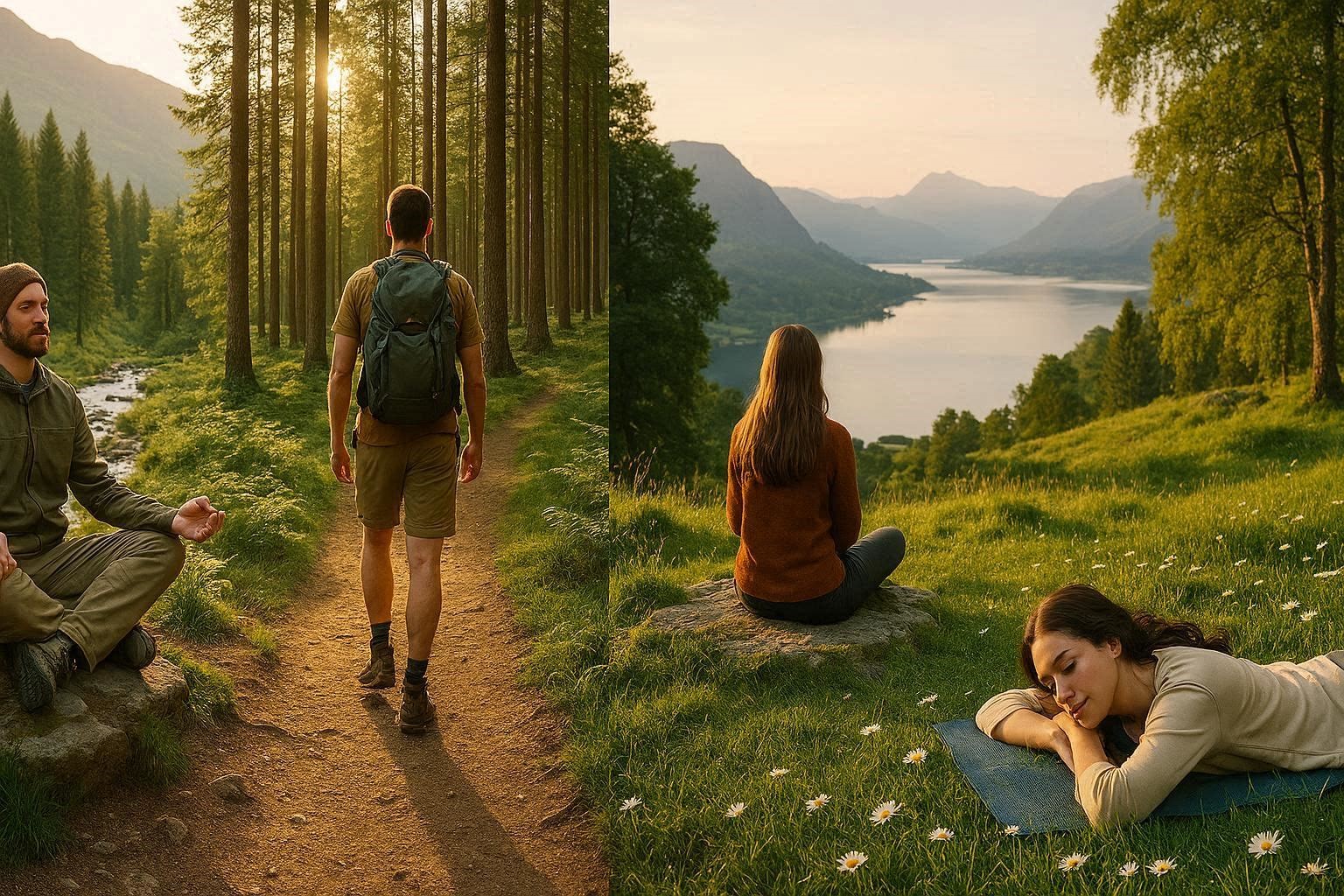
Forest bathing, or Shinrin-yoku, continues its ascent as a leading nature therapy trend in 2026, emphasizing mindful immersion in the natural environment. These therapeutic practices involve slow, contemplative walks, encouraging individuals to engage all their senses with the sights, sounds, and smells of the forest, fostering a deep connection to nature. The intentional slowness and sensory engagement aim to reduce stress, improve mood, and enhance overall mental health and well-being through direct contact with nature.
Grounding and Earthing Therapy
Grounding and earthing therapy are gaining significant traction as people seek direct physical contact with the Earth’s natural energy. This nature-based wellness practice involves activities such as walking barefoot on grass, soil, or sand, or even sitting and lying directly on the ground.
Proponents believe that connecting with the Earth’s electrical energy can help balance the body’s own electrical state, reduce inflammation, improve sleep, and alleviate stress, offering a simple yet profound way to experience the therapeutic benefits of nature.
Digital Detox Nature Retreats
As digital fatigue becomes more prevalent, digital detox nature retreats are emerging as crucial components of modern wellness culture. These retreats, often set in remote and serene natural environments, provide participants with an opportunity to disconnect from technology and fully immerse themselves in nature-based activities.
The focus is on fostering a holistic sense of well-being by reducing screen time, encouraging mindfulness, and facilitating a deeper connection to nature, allowing for genuine relaxation and mental rejuvenation away from indoor distractions.
Cold Water Therapy and Wild Swimming
Cold water therapy, particularly wild swimming in natural bodies of water like lakes, rivers, and the ocean, is increasingly recognized for its invigorating and therapeutic benefits. This nature-based therapy involves intentionally exposing the body to cold temperatures, which is believed to boost circulation, reduce inflammation, improve mood, and enhance mental resilience.
The exhilarating experience of swimming in the natural environment offers a powerful form of ecotherapy, promoting both physical and mental health and well-being while forging a strong connection to nature.
Sunrise and Sunset Therapy Rituals
Embracing the rhythms of the natural world, sunrise and sunset therapy rituals are becoming popular daily practices for fostering mental well-being and emotional balance. These nature-based activities involve intentionally observing the dawn and dusk, often combined with mindful breathing or light movement, to synchronize with the Earth’s natural light cycles.
This exposure to nature’s gentle transitions can regulate circadian rhythms, improve mood, reduce stress, and cultivate a sense of peace and connectedness to nature, enhancing overall human health.
Hiking Therapy and Mountain Wellness
Hiking therapy and mountain wellness retreats are gaining immense popularity for their robust nature-based therapeutic benefits. Engaging in challenging yet rewarding outdoor activities like hiking through scenic natural environments offers a powerful form of ecotherapy.
This form of nature therapy not only provides physical exercise but also fosters mental clarity, reduces anxiety, and builds resilience through immersion in the vastness and beauty of mountains. The connection to nature experienced during these adventures profoundly enhances mental health and well-being.
Gardening for Mental Health and Emotional Balance
Gardening for mental health, often referred to as horticultural therapy, is a gentle yet powerful nature-based intervention that is flourishing in 2026. This therapeutic practice involves engaging with plants and the natural environment through cultivation, promoting emotional balance and well-being.
The act of nurturing living things, feeling the soil, and observing growth offers profound therapeutic benefits, reducing stress, enhancing mood, and fostering a deep sense of purpose and connection to nature, accessible even in urban indoor settings.
How Social Media Is Fueling the Nature Wellness Movement
The Rise of Slow Living and Outdoor Aesthetics
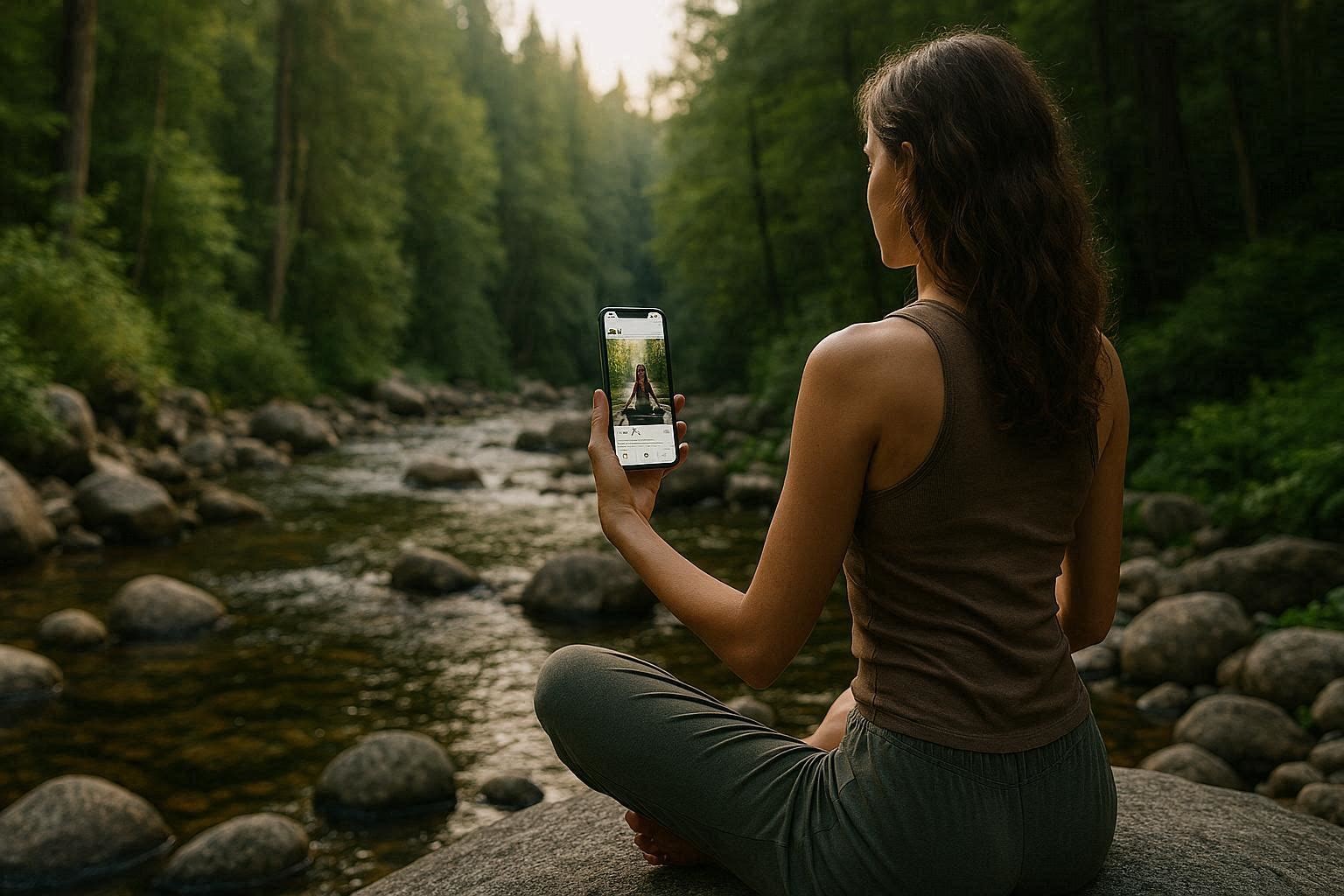
Social media platforms are playing a pivotal role in amplifying the nature wellness movement by showcasing the allure of slow living and captivating outdoor aesthetics. Influencers and users are sharing beautifully curated content that romanticizes spending time in the natural environment, from serene forest bathing experiences to tranquil moments by the sea.
This visual storytelling highlights the therapeutic benefits of nature, inspiring a wider audience to seek similar experiences and integrate more contact with nature into their daily routines for enhanced mental well-being.
Why TikTok Is Obsessed With Nature Therapy
TikTok, with its short-form video content and vast reach, has become a powerful engine driving the obsession with nature therapy. The platform is flooded with engaging videos demonstrating various nature-based activities, such as mindful walks, wild swimming, and even simple moments of enjoying a sunrise or sunset.
These visually appealing and often emotionally resonant snippets quickly convey the immediate benefits of nature engagement, making ecotherapy relatable and accessible to a younger demographic, thereby popularizing the concept of connecting with nature for mental health and well-being.
Nature Content, Dopamine Culture, and Emotional Wellness
The interplay between nature content, dopamine culture, and emotional wellness on social media is a fascinating phenomenon. While social media often gets a bad rap for its addictive qualities, platforms are now being leveraged to deliver positive “dopamine hits” through inspiring nature-based content.
Seeing others engage in forest therapy, gardening, or outdoor adventure therapy can trigger feel-good responses, motivating viewers to seek out their own therapeutic experiences in the natural environment. This encourages a healthier pursuit of emotional wellness, transforming passive scrolling into active outdoor exploration and a deeper connection to nature.
The Mental Health Benefits of Nature Therapy
How Nature Helps Reduce Anxiety and Stress
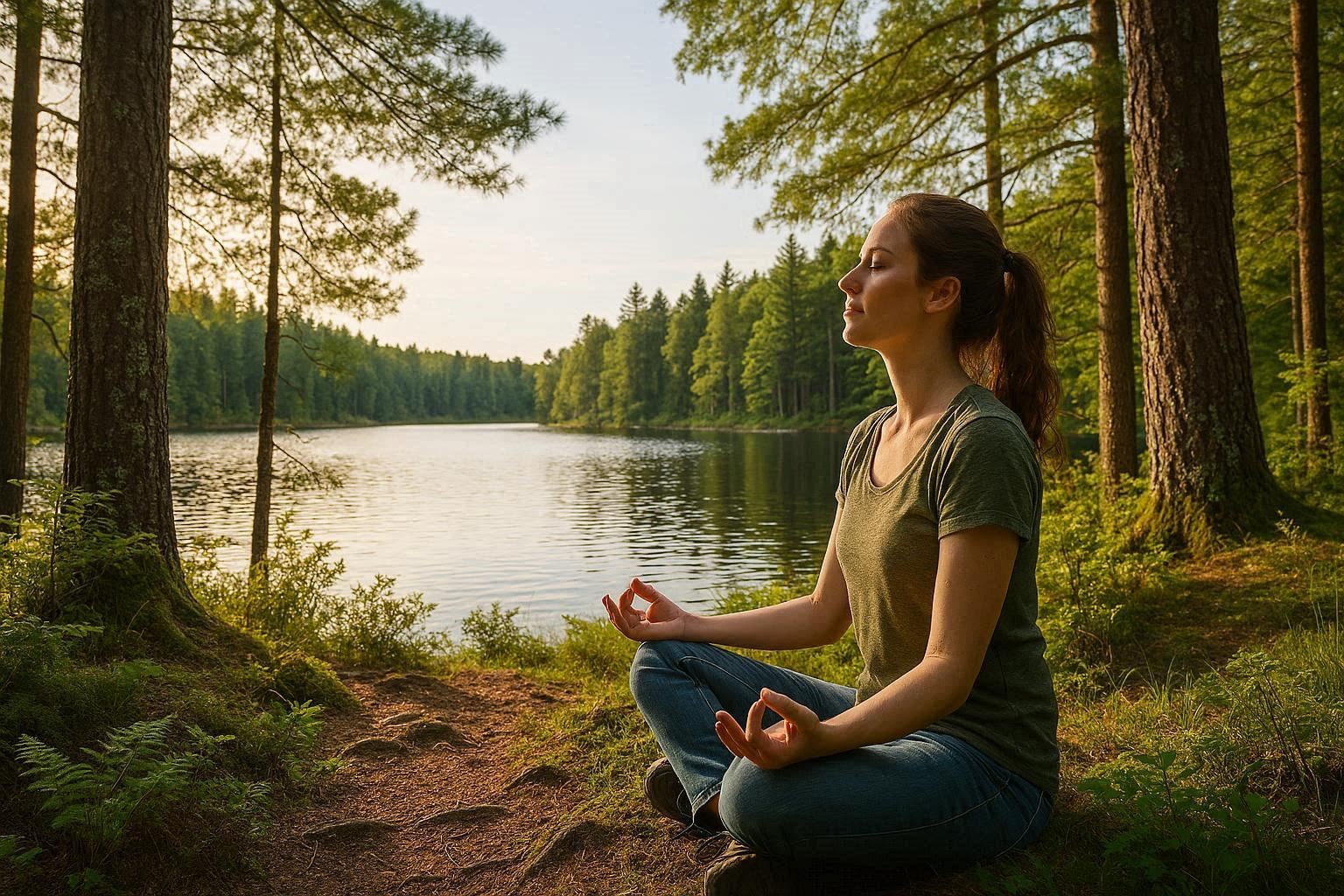
Extensive research and a growing body of anecdotal evidence consistently demonstrate how nature therapy profoundly helps in reducing anxiety and stress. Engaging with the natural environment, whether through forest bathing, mindful nature walks, or simply spending time in a therapeutic garden, triggers a physiological response that lowers cortisol levels and calms the nervous system.
This direct contact with nature offers a natural antidote to the pressures of modern life, fostering a sense of peace and significantly improving mental health and well-being through direct nature engagement.
The Connection Between Sunlight and Better Mood
The powerful connection between exposure to sunlight and an improved mood is a cornerstone of nature-based therapies and overall human health. Sunlight helps regulate the production of serotonin, a neurotransmitter associated with feelings of well-being and happiness, thereby directly influencing mental well-being.
Spending time in nature, particularly during daylight hours, ensures adequate sunlight exposure, which can alleviate symptoms of seasonal affective disorder, boost energy levels, and enhance overall emotional balance, making outdoor therapies incredibly beneficial.
Why Nature Therapy Supports Nervous System Recovery
Nature therapy is exceptionally effective in supporting nervous system recovery, offering a crucial balm in a world often characterized by chronic stress. Immersing oneself in the natural environment, whether through forest therapy or other nature-based activities, activates the parasympathetic nervous system, responsible for “rest and digest” functions.
This sustained contact with nature allows the body and mind to de-stress, reducing the physiological markers of burnout and facilitating a profound sense of calm and restoration, thereby enhancing overall physical and mental health.
Nature Therapy Trends People Are Adding to Daily Life
Morning Walks and Grounding Routines
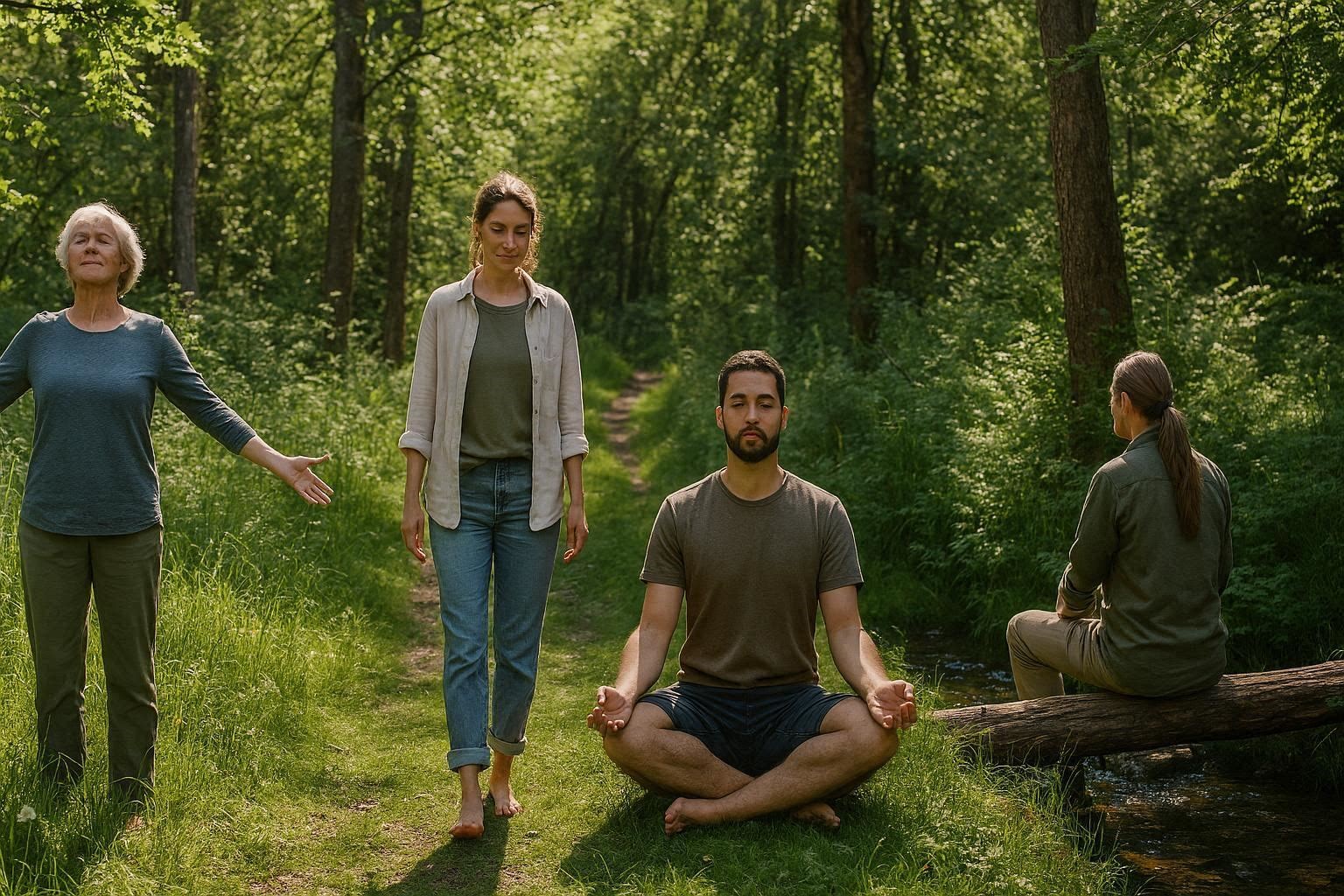
Incorporating morning walks and grounding routines into daily life represents a simple yet powerful way to experience the therapeutic benefits of nature. These nature-based activities involve starting the day with intentional movement outdoors, often barefoot, to establish direct contact with nature.
This practice of grounding or earthing helps synchronize the body’s rhythms with the natural environment, promoting physical and mental health, reducing stress, and fostering a sense of calm and connectedness to nature before the demands of the day begin.
Outdoor Journaling and Nature Observation
Outdoor journaling and nature observation are emerging as popular nature-based therapies for fostering mental well-being and emotional balance. This therapeutic practice encourages individuals to spend time in the natural environment, observing their surroundings with a mindful eye and documenting their thoughts and feelings.
This deep nature engagement not only enhances appreciation for the outdoors but also provides an outlet for reflection, reduces anxiety, and strengthens the personal connection to nature, offering a holistic approach to human health.
Creating a Nature-Inspired Home Environment
Creating a nature-inspired home environment is a growing trend that extends the benefits of nature therapy beyond outdoor excursions into daily indoor living. This involves integrating natural elements like plants, natural light, and organic textures into living spaces, aiming to foster a sense of calm and well-being.
By bringing the natural environment indoors, individuals can maintain a continuous connection to nature, enhancing their mental health and well-being even when outdoor therapies are not immediately accessible, supporting holistic human health.
Weekend Escapes and Eco-Wellness Travel
Weekend escapes and eco-wellness travel are becoming essential nature-based activities for those seeking deeper immersion in the natural environment and a break from urban stressors. These retreats prioritize sustainable practices and provide opportunities for extended nature engagement, from forest bathing in remote woods to surf therapy along untouched coastlines.
Such outdoor therapies offer profound therapeutic benefits, allowing individuals to truly disconnect, recharge, and significantly improve their physical and mental health and well-being through prolonged contact with nature.
The Dark Side of Wellness Culture and Escapism
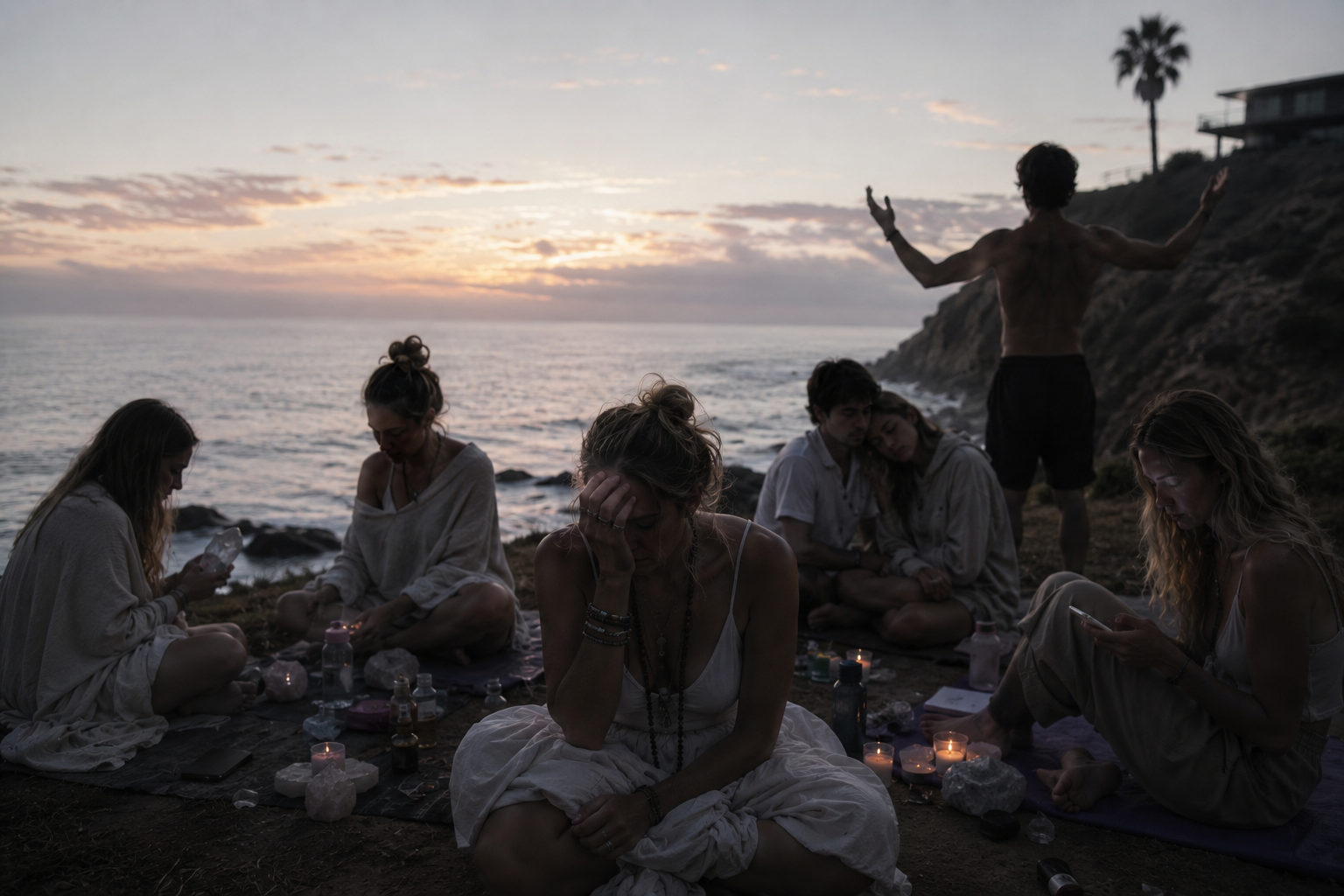
Can Nature Therapy Become Another Social Media Trend?
While the current surge in nature therapy is overwhelmingly positive, there is an inherent risk that it could become just another fleeting social media trend, losing its profound essence in the pursuit of online validation.
The concern is that the authentic therapeutic benefits of nature engagement might be overshadowed by the pressure to curate perfect outdoor aesthetics for social media. This commodification could dilute the true spirit of ecotherapy, reducing genuine connection to nature to a superficial performance rather than a pathway to sustainable mental well-being.
The Pressure to Romanticize Healing Online
The pervasive influence of social media often creates an implicit pressure to romanticize healing online, potentially distorting the reality of nature-based therapies. There’s a tendency to present an idealized version of mental health and well-being journeys, where every outdoor therapy session looks effortlessly serene.
This can lead to unrealistic expectations and feelings of inadequacy for those whose experiences with nature-based activities are less photogenic or whose healing process is complex, detaching from the raw and authentic human health benefits of contact with nature.
Finding Balance Between Wellness and Reality
Finding a crucial balance between the aspirational ideals of wellness culture and the realities of daily life is paramount for the sustainable integration of nature therapy. While the therapeutic benefits of exposure to nature are undeniable, it’s important to approach nature-based activities with authenticity, recognizing that not every moment will be picture-perfect.
True mental well-being stems from consistent, genuine connection to nature, rather than the pressure to conform to an online aesthetic, ensuring that outdoor therapies remain a grounded and impactful aspect of human health.
Why Nature Therapy Is More Than Just a Trend
How Brands and Wellness Companies Are Adapting
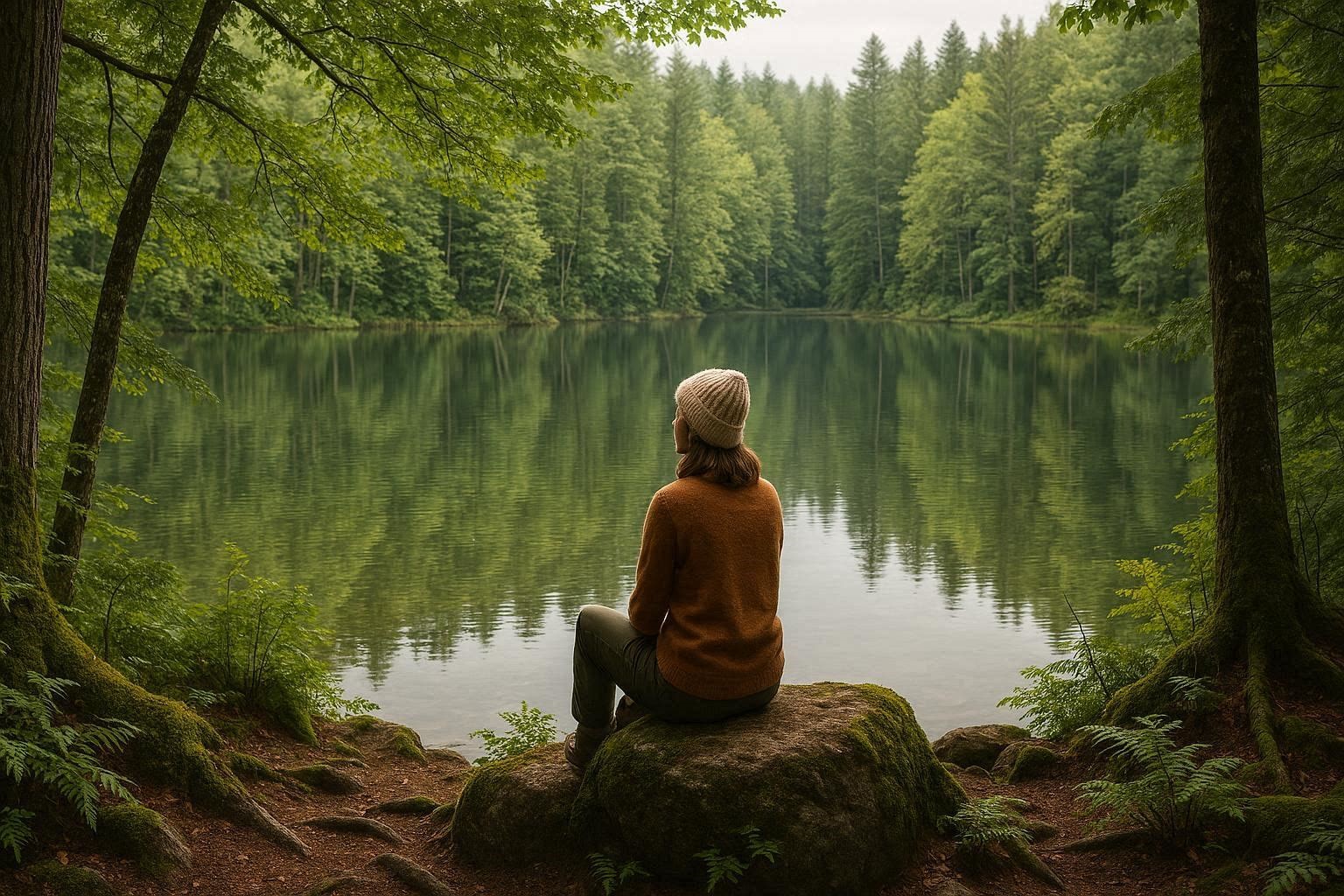
The profound shift towards nature-based wellness is prompting brands and wellness companies to adapt significantly, recognizing that nature therapy is far more than a passing trend. They are increasingly integrating authentic nature-based activities and outdoor therapies into their offerings, from eco-conscious retreats to product lines inspired by the natural environment.
This adaptation reflects a commitment to supporting genuine physical and mental health, demonstrating an understanding that consumers are seeking deeper, more holistic forms of well-being rooted in contact with nature.
The Future of Nature-Based Wellness Beyond 2026
Looking beyond 2026, the future of nature-based wellness appears robust and deeply integrated into mainstream health practices, solidifying its status as more than a fleeting trend. As the evidence-based benefits of nature therapy continue to grow, we can anticipate more formalized ecotherapy programs, increased accessibility to therapeutic green spaces in urban areas, and a greater emphasis on nature engagement across all demographics, including children and nature initiatives. This sustained focus promises a long-term commitment to human health through our innate connection to nature.
Simple Ways to Start Your Own Nature Healing Journey
Embarking on your own nature healing journey doesn’t require elaborate plans or remote retreats; simple, consistent contact with nature can yield significant therapeutic benefits. Begin by incorporating short daily nature-based activities, such as a mindful walk in a local park, observing the natural environment from your window, or nurturing a small therapeutic garden. These accessible outdoor therapies foster a strong connection to nature, enhancing mental well-being and supporting physical and mental health without requiring a complete lifestyle overhaul.