


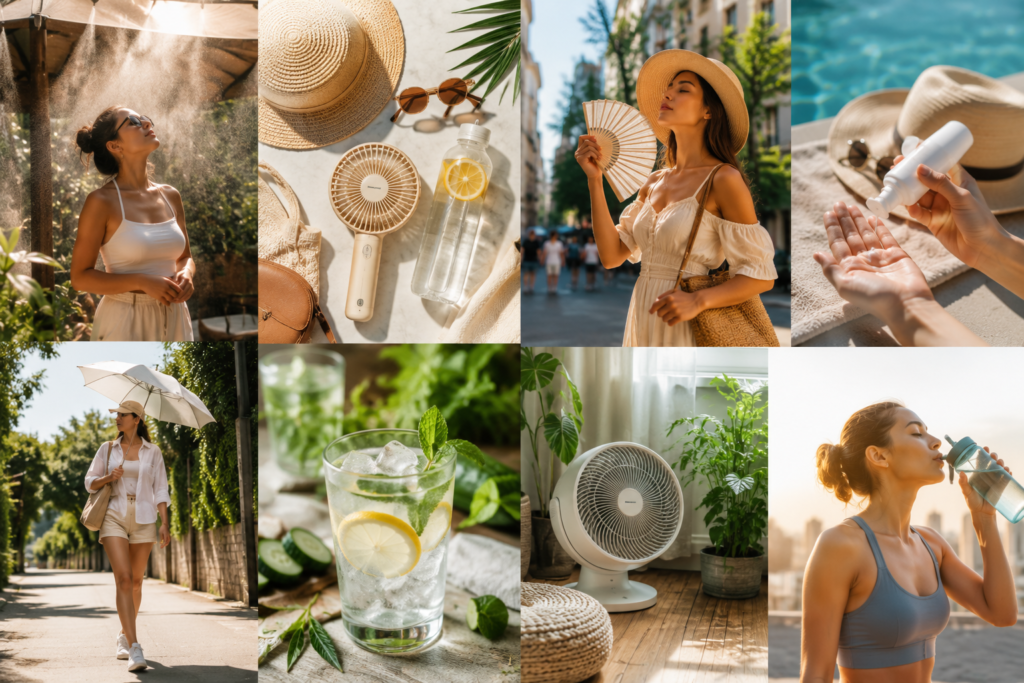
As we navigate another summer defined by rising temperatures, understanding and adapting to heatwaves has become more crucial than ever. This article explores the latest trends in heatwave survival, transforming temporary fixes into essential lifestyle choices for Summer 2026.
Why Heatwave Survival Has Become a Global Lifestyle Trend in 2026
The year 2026 marks a significant shift in how societies worldwide approach the inevitable challenges of summer, transforming heatwave survival from a reactive measure into a proactive and integrated global lifestyle trend. With a strong El Niño influence still resonating from previous years and global warming continuing its relentless progression, weather forecasts for summer 2026 predict even more extreme heat events, making preparedness an absolute necessity.

Rising Global Temperatures and Longer Heatwaves
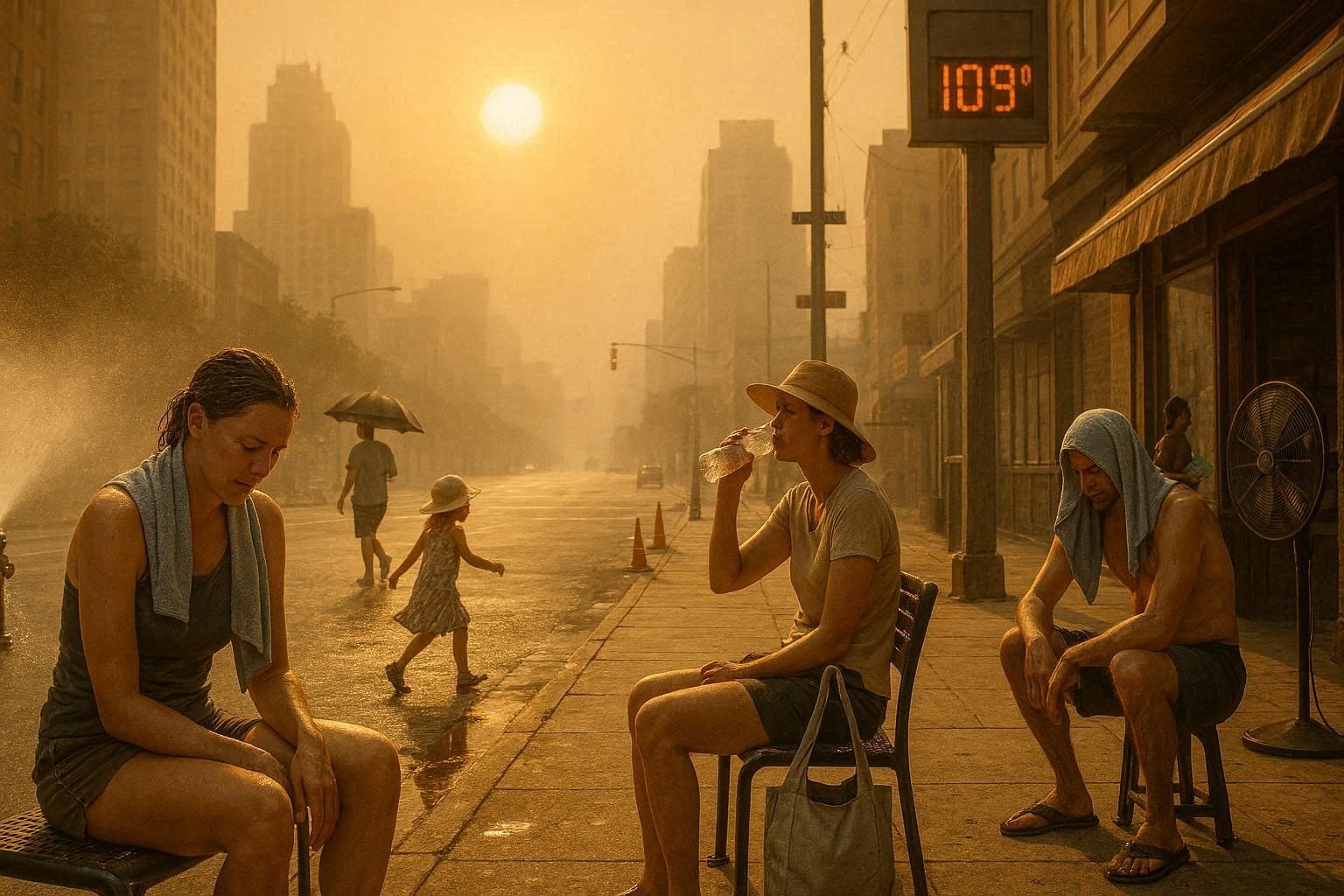
The consistent rise in global temperatures has led to a stark increase in the frequency, intensity, and duration of heatwaves, making them a defining feature of our summers. Experts predict that the impacts of this summer, following the widespread heat of 2023, 2024, and 2025, will be even more destructive this summer, with many regions experiencing non-survivable heat without proper adaptation.
The National Oceanic and Atmospheric Administration (NOAA) has already issued a concerning summer forecast for 2026, highlighting the increased likelihood of sustained periods of extreme heat across the United States and other vulnerable areas globally. This prolonged exposure to heat and humidity exacerbates health risks, pushing communities to adopt more comprehensive survival strategies.
How Daily Life, Work, and Travel Are Being Affected
The relentless summer heat of 2026 is fundamentally reshaping daily life, work, and travel, compelling individuals and industries to adapt to warmer conditions. Many people over 65, for instance, are particularly vulnerable, leading to significant adjustments in their daily routines, often restricting outdoor activities to cooler parts of the day.
The hot and dry conditions are also affecting agricultural productivity and increasing the risk of wildfires, especially in regions prone to drought. Travel plans are increasingly influenced by the prospect of cooler destinations, while workplace environments are being redesigned to mitigate the effects of extreme heat, ensuring both comfort and productivity amidst the rising surface temperature.
The Shift From Temporary Solutions to Lifestyle Adaptation
The escalating severity of heatwaves has ushered in a profound shift from relying on temporary solutions to embracing comprehensive lifestyle adaptation as a permanent strategy for coping with the 2026 summer. Gone are the days of simply turning on the air conditioning; communities are now integrating long-term, sustainable practices into their daily routines.
This transformation is driven by the understanding that heat extremes are not anomalies but rather the new normal, requiring a fundamental reimagining of urban planning, home design, and personal habits to ensure safety and well-being. This shift signifies a global acknowledgment that living with higher temperatures demands a proactive and integrated approach.
What Modern Heatwave Survival Really Means in 2026
In 2026, modern heatwave survival extends far beyond merely “staying cool”; it encompasses a holistic and sophisticated approach to environmental adaptation. This redefinition acknowledges the complex interplay of human physiology, technological advancements, and ecological consciousness. As we face increasingly hotter summers, the concept has evolved to integrate prevention, health management, and sustainable practices as core components of enduring extreme heat.
From “Staying Cool” to Full Environmental Adaptation
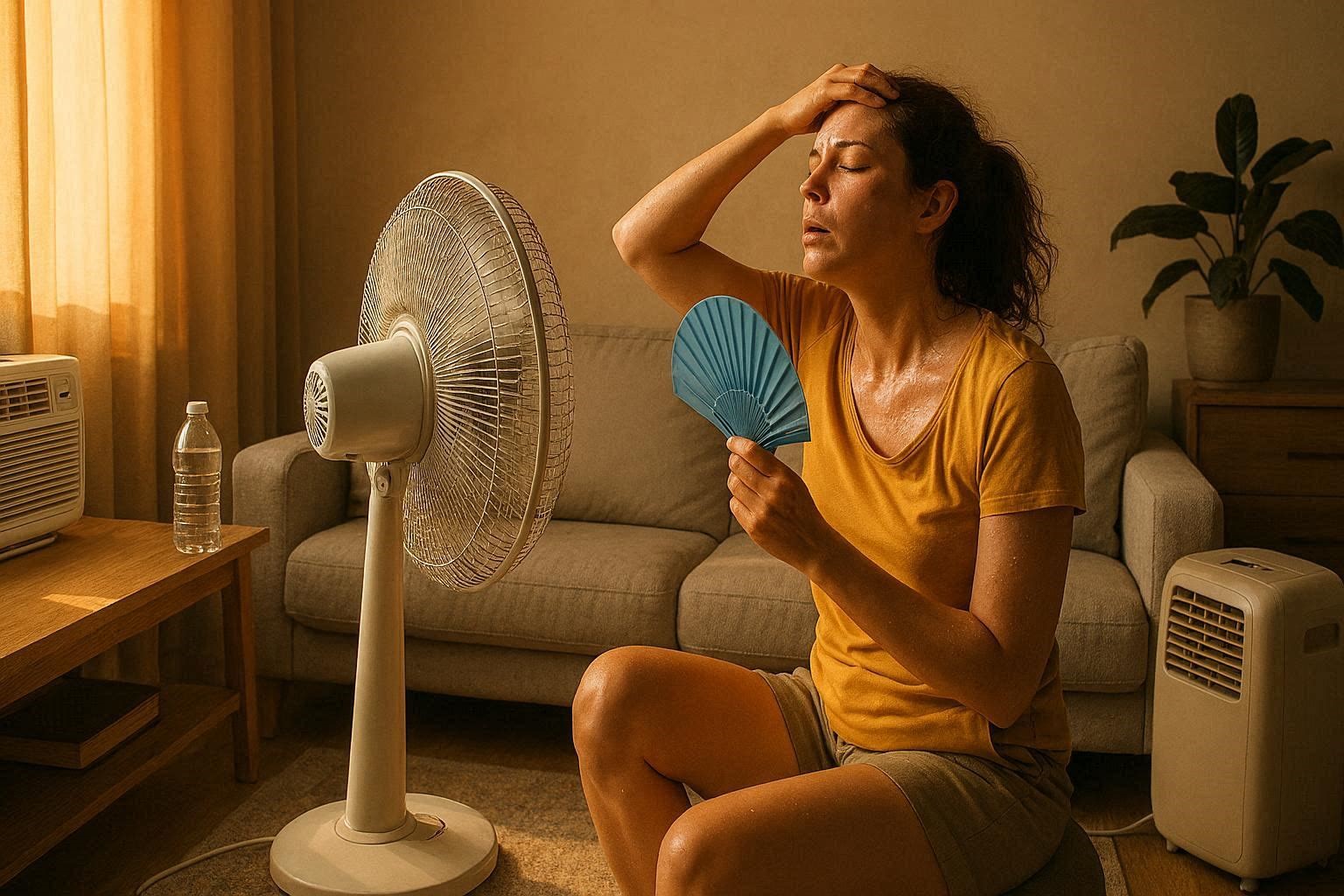
The simplistic notion of “staying cool” has evolved significantly in 2026, giving way to a more comprehensive philosophy of full environmental adaptation. This means integrating personal behaviors with innovative architectural and urban planning solutions to create resilient living spaces capable of withstanding prolonged periods of extreme heat.
This proactive approach aims to minimize reliance on energy-intensive cooling systems by focusing on natural ventilation, shading, and reflective materials. Communities are learning to predict and prepare for hotter and drier conditions, ensuring that both indoor and outdoor environments are optimized for comfort and safety during heatwaves.
The Role of Health, Comfort, and Energy Management
Modern heatwave survival in 2026 is intricately balanced on three pillars, each playing a critical role in developing sustainable coping strategies. This integrated approach ensures that we can endure extreme heat without compromising our well-being or exacerbating the environmental challenges that contribute to hotter summers.
| Pillar | Key Strategy |
|---|---|
| Health | Meticulous hydration and electrolyte balance |
| Comfort | Utilizing cooling technologies and design principles |
| Energy Management | Eco-friendly cooling solutions and reduced consumption |
Why Prevention Is More Important Than Reaction
In the context of the intensifying 2026 summer heat, prevention has definitively surpassed reaction as the paramount strategy for heatwave survival. This shift acknowledges that merely responding to the immediate dangers of extreme heat, such as treating heatstroke or dehydration, is insufficient when facing prolonged and widespread heat.
Proactive measures, including implementing smart hydration routines, adapting living spaces for passive cooling, and adjusting daily schedules, are now seen as essential to mitigate health risks and ensure sustained well-being. By preventing heat-related illnesses and discomfort, communities can build resilience and navigate the challenges of a warmer climate more effectively.
Best Summer 2026 Heatwave Survival Trends Everyone Is Following Right Now
As the summer of 2026 ushers in yet another season of formidable heatwaves, innovative and practical survival trends are rapidly gaining widespread adoption. These trends reflect a collective global effort to adapt to warmer conditions, integrating technology, design, and lifestyle changes to enhance comfort and and safety. From smart hydration to climate-adaptive travel, these are the cutting-edge strategies that everyone is embracing to navigate the challenges of extreme heat.
Smart Hydration Systems and Electrolyte-Rich Routines
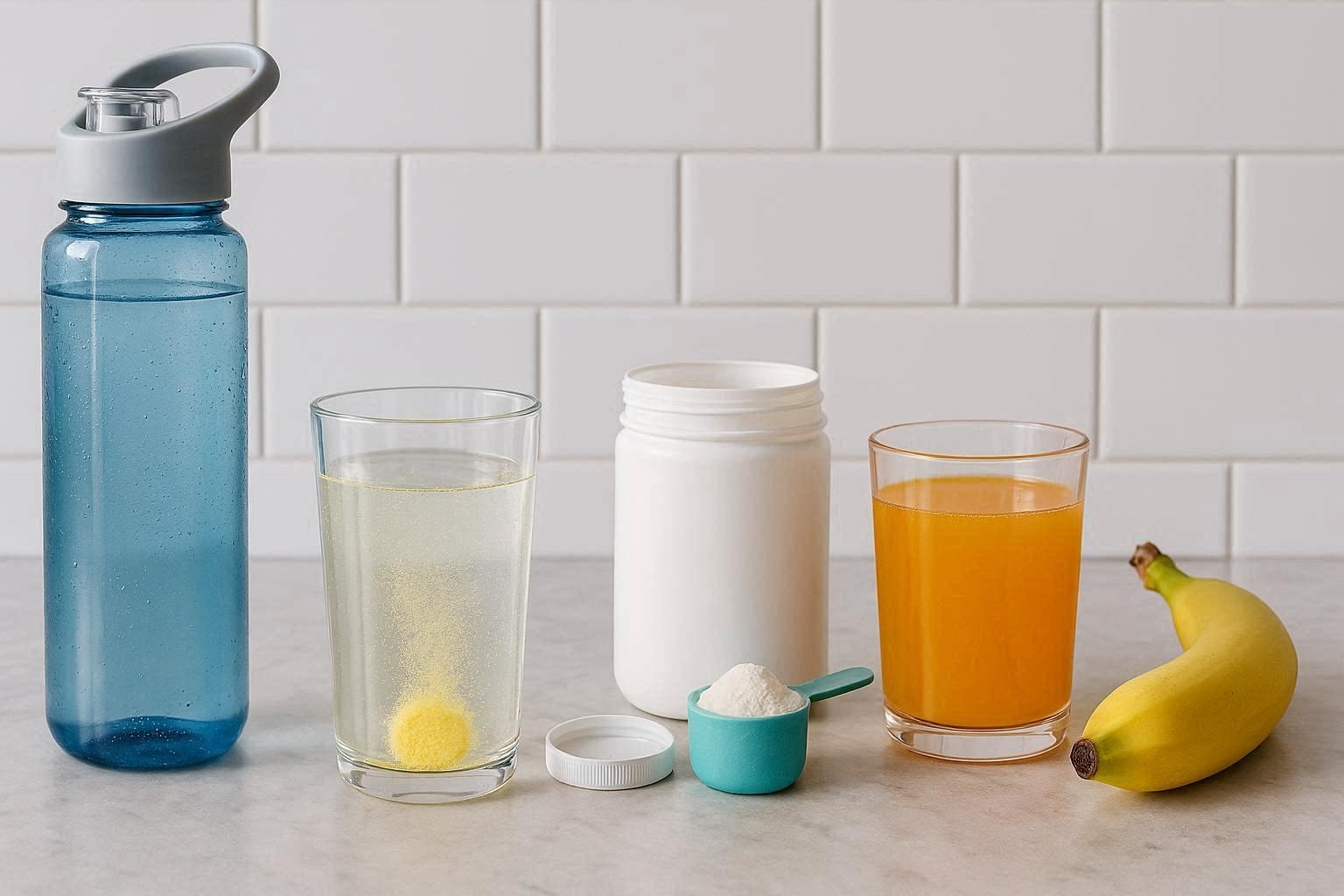
Smart hydration systems and electrolyte-rich routines have become indispensable trends for combating the severe summer heat of 2026, offering sophisticated ways to maintain optimal body fluid balance. Wearable tech now monitors individual hydration levels in real-time, sending alerts and personalized recommendations for water and electrolyte intake, helping to prevent dehydration before it becomes critical.
Furthermore, the market is flooded with electrolyte-infused drinks, powders, and even foods designed to replenish essential minerals lost through sweat, ensuring that individuals can sustain energy and health throughout prolonged periods of heat and humidity, making them crucial for enduring hotter and drier conditions.
Cooling Fashion Trends (Linen, Oversized Fits, UV Clothing)
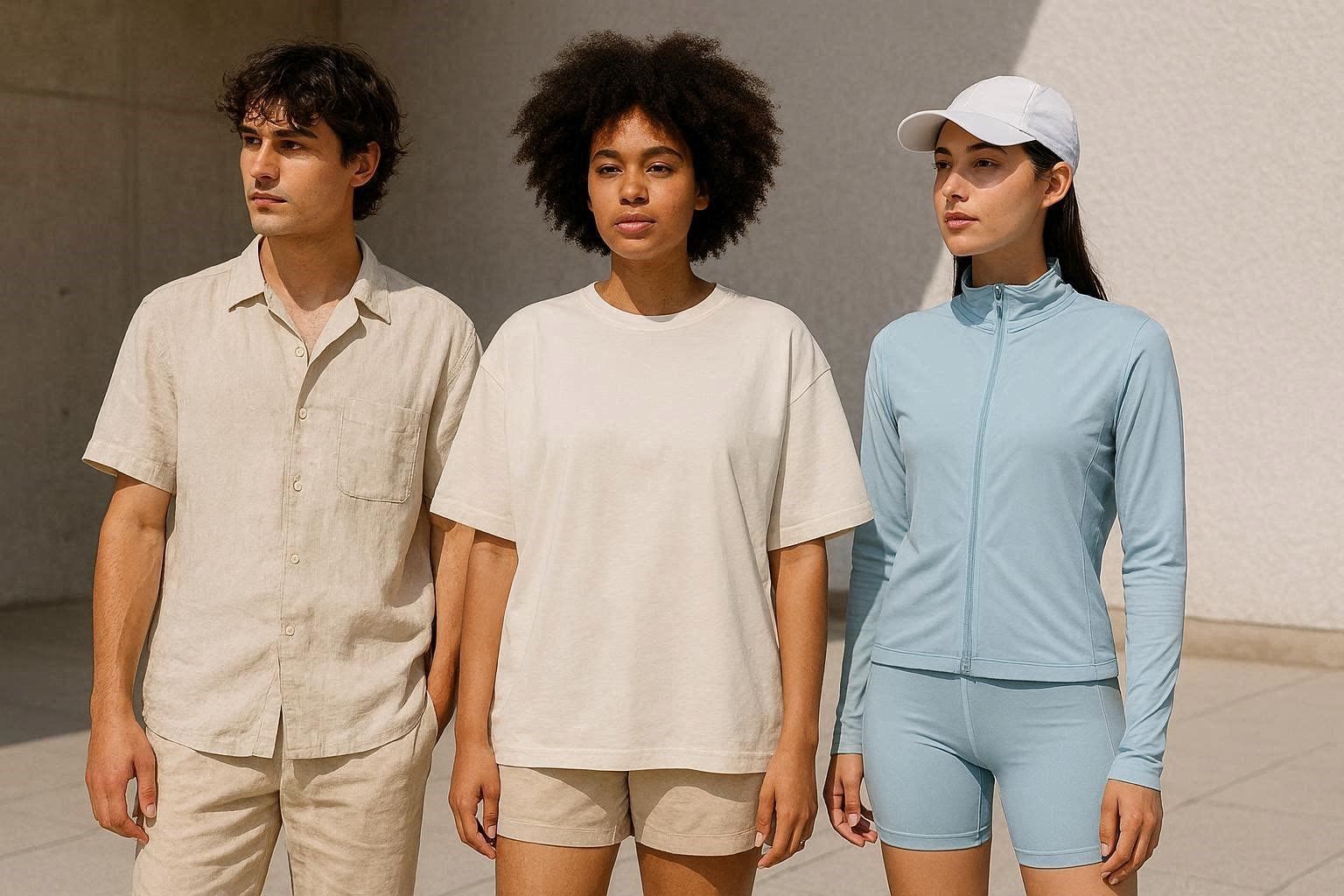
Cooling fashion trends are at the forefront of heatwave survival in 2026, with widespread adoption of breathable fabrics, relaxed silhouettes, and protective clothing designed to combat extreme heat. These trends are essential for navigating the rising global temperatures.
| Trend | Key Features & Benefits |
|---|---|
| Breathable Fabrics (e.g., Linen) | Exceptional breathability and moisture-wicking properties, light and airy feel. |
| Relaxed Silhouettes (Oversized Fits) | Stylish aesthetic, promotes better air circulation, prevents heat trapping. |
| Protective Clothing (UV Clothing) | Built-in sun protection, safeguards from harmful rays, maintains comfort during prolonged sun exposure. |
Heat-Proof Home Design (Blackout Curtains, Cooling Bedding, Ventilation Hacks)
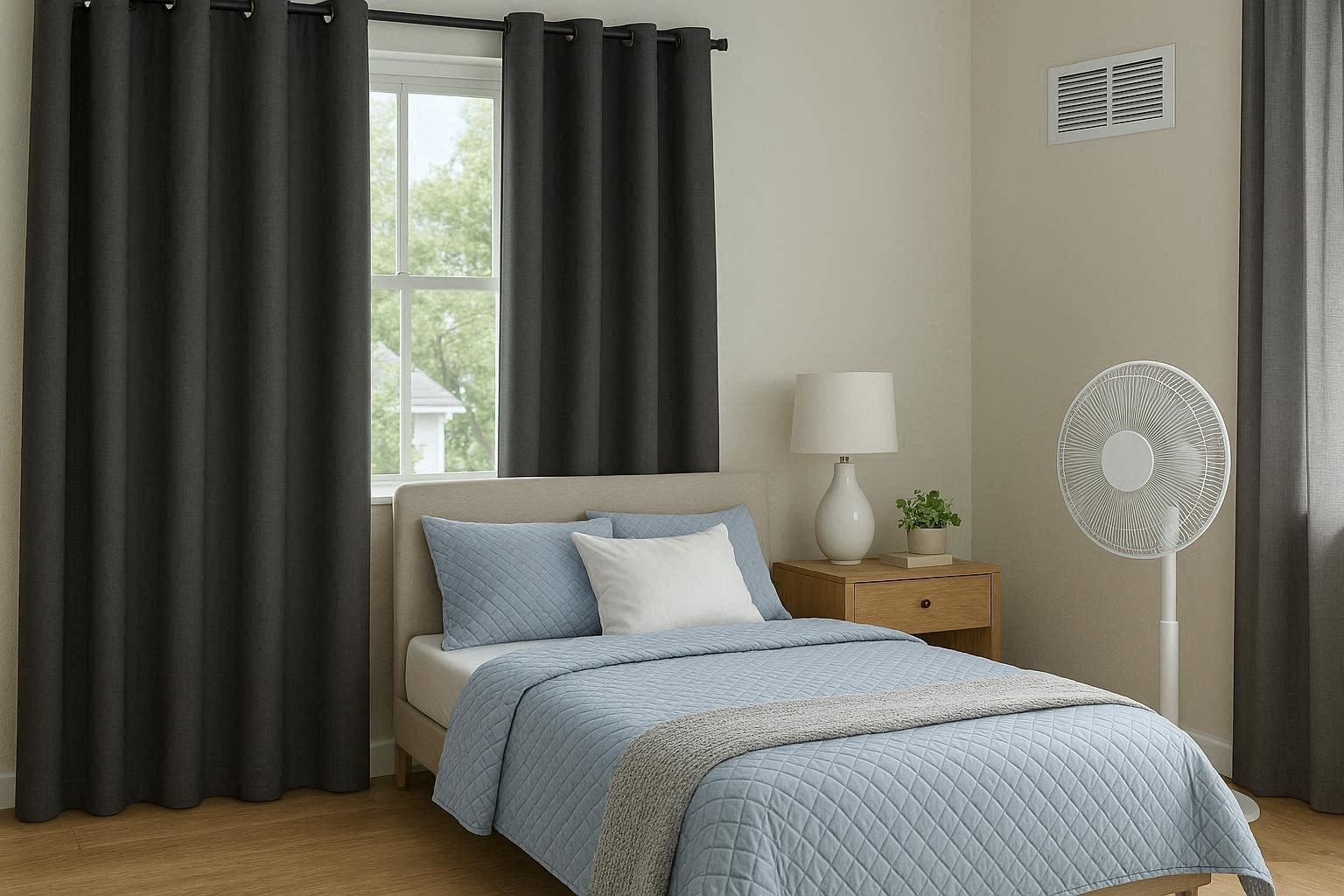
Heat-proof home design has emerged as a crucial trend in 2026, transforming living spaces into havens against the relentless summer heat through smart, passive cooling solutions.
Here are some key elements of heat-proof home design:
| Element | Benefit |
|---|---|
| Blackout Curtains | Block intense sunlight and insulate rooms, significantly reducing indoor temperatures. |
| Cooling Bedding | Ensures a more comfortable night’s sleep even when outside temperatures remain high. |
| Ventilation Hacks | Strategically placed fans, cross-ventilation, and smart home systems automate air circulation for a more bearable indoor environment. |
These solutions work synergistically to minimize reliance on energy-intensive air conditioning and make homes more resilient to prolonged heatwaves.
Night-Based Lifestyle Shifts (Evening Activities and Sleep Timing Changes)

Night-based lifestyle shifts have become a prominent trend in 2026, as individuals increasingly adapt their daily routines to the cooler hours to escape the intense daytime heat. Evening activities, ranging from exercise to social gatherings, are now scheduled later in the day, taking advantage of reduced temperatures and offering a more comfortable experience.
Sleep timing changes are also widespread, with many people adjusting their sleep schedules to align with the coolest parts of the night, often facilitated by blackout curtains and cooling bedding for optimal rest. This nocturnal adaptation allows for greater productivity and enjoyment without direct exposure to the dangerous midday heat, making it a critical strategy for managing the impacts this summer.
Portable Cooling Tech (Wearable Fans, Cooling Towels, Mini AC Devices)
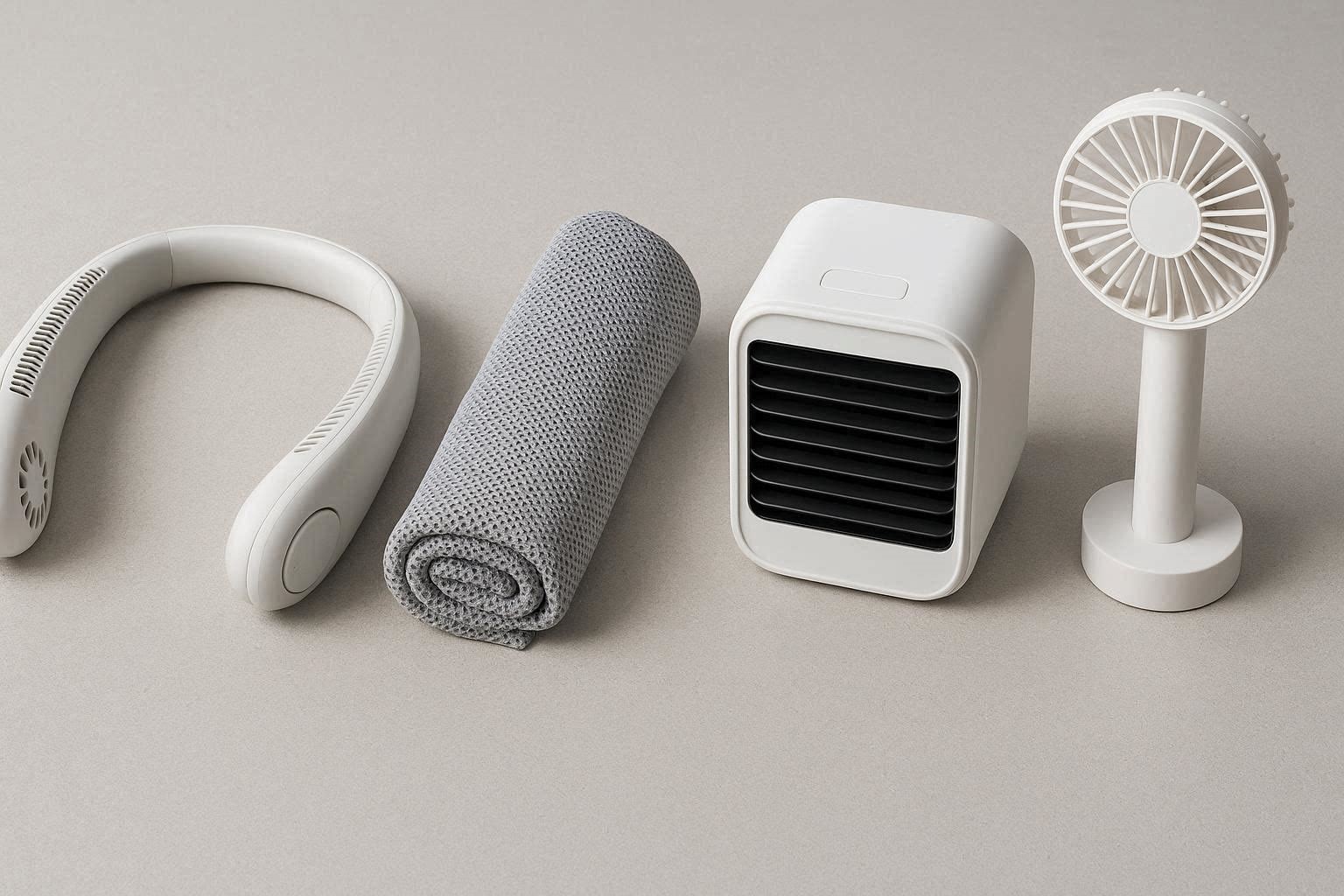
Portable cooling technology has become an indispensable trend for personal heatwave survival in 2026, offering immediate and localized relief from extreme heat. Wearable fans, often in the form of neckbands or clip-ons, provide a constant breeze, making outdoor activities more tolerable. Cooling towels, infused with advanced evaporative technology, offer instant cooling relief simply by wetting them, making them a popular choice for athletes and commuters alike.
Furthermore, mini AC devices, compact and often USB-powered, create personal cool zones, ideal for desks or small sleeping areas where traditional air conditioning might be impractical or unavailable. These innovations empower individuals to maintain comfort and safety wherever they go, making them crucial tools for navigating the hotter summer conditions.
Cooling Foods and Hydration Diets (Watermelon, Cucumber, Yogurt, Citrus)
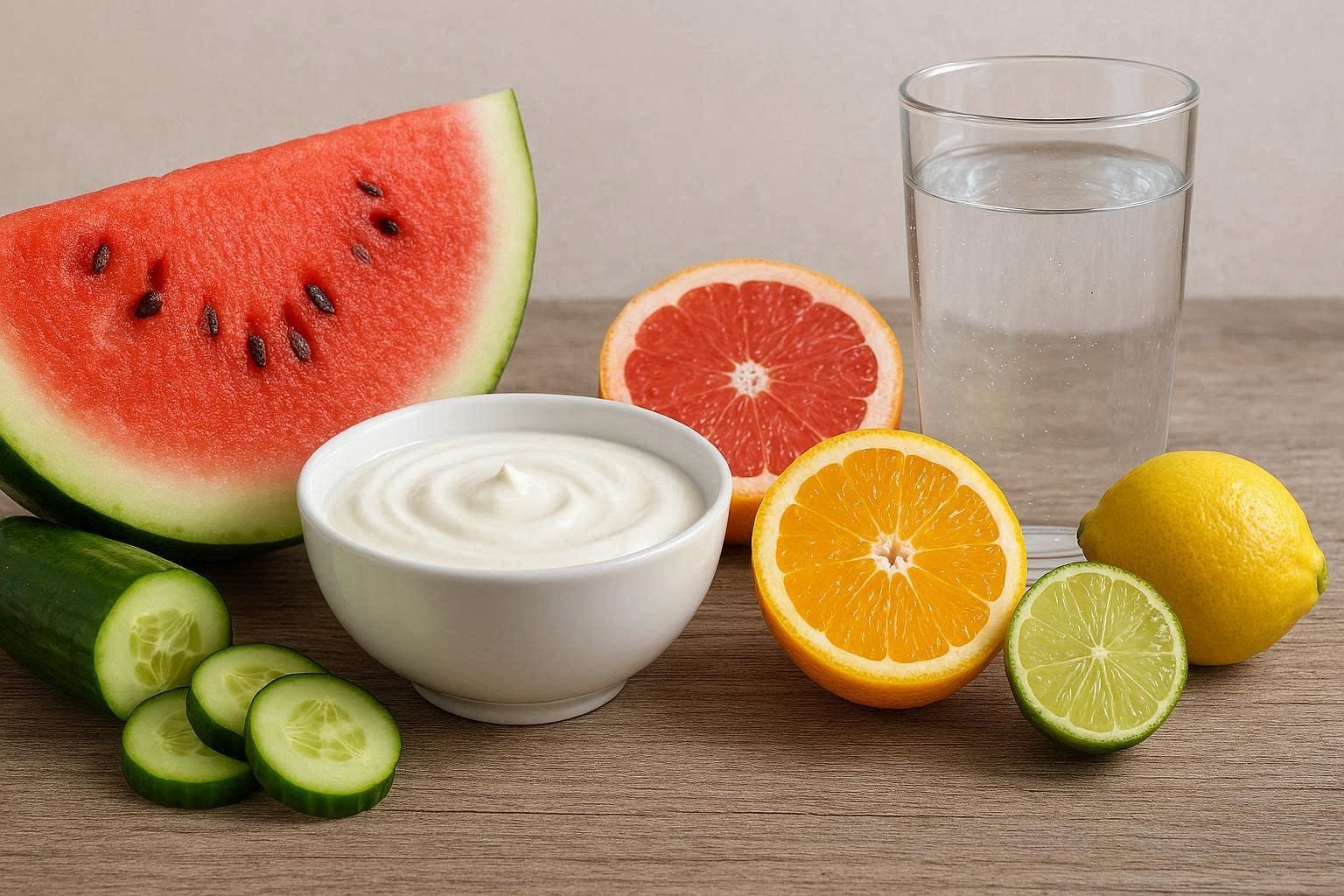
Cooling foods and hydration diets have become a cornerstone of heatwave survival in 2026, emphasizing the consumption of specific ingredients that naturally help regulate body temperature and replenish fluids. Watermelon and cucumber, both rich in water content, are excellent for hydration and and provide a refreshing, cooling effect.
Yogurt, with its probiotics and creamy texture, can soothe and cool the digestive system, while citrus fruits like oranges and lemons are packed with electrolytes and Vitamin C, crucial for combating fatigue in extreme heat. These dietary choices not only taste refreshing but also contribute significantly to maintaining internal balance, making them essential components of a proactive strategy against the summer heat and humidity.
“Coolcation” Travel Trends (Escaping Heat to Cooler Destinations)

The “Coolcation” travel trend has surged in popularity during the summer of 2026, reflecting a growing desire among travelers to escape relentless heat by seeking out cooler destinations. Instead of traditional beach holidays in sweltering locales, many are opting for mountainous regions, northern climates, or coastal areas known for their milder temperatures and refreshing sea breezes.
This trend involves meticulously planning trips to locations where the weather forecasts predict lower temperatures and less humidity, ensuring a more comfortable and enjoyable vacation experience. It represents a significant shift in travel priorities, with relief from extreme heat becoming a primary motivator for vacation choices, thereby reshaping the tourism landscape in response to rising global temperatures.
Wellness Recovery Habits (Breathwork, Meditation, Cold Therapy)
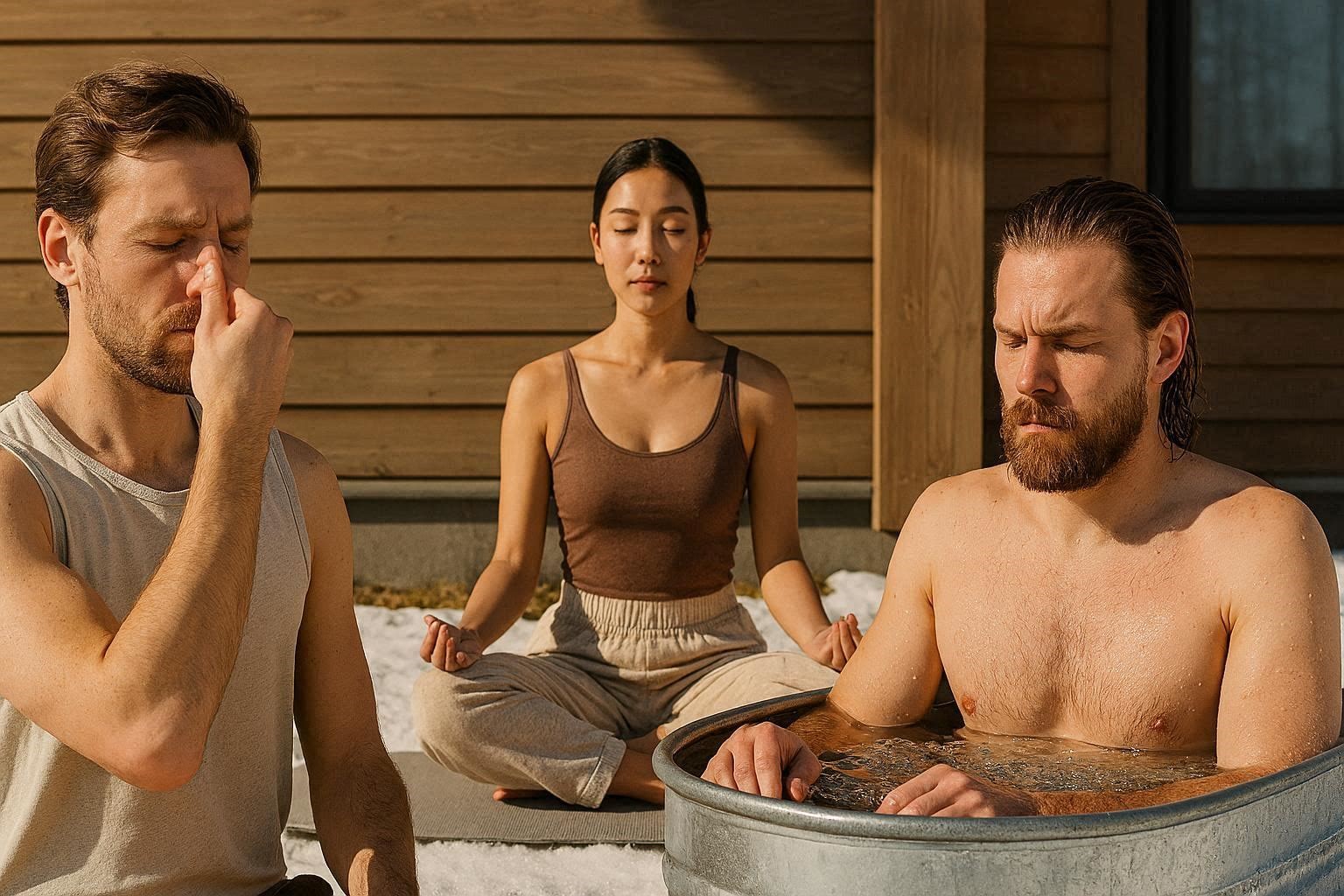
Wellness recovery habits have become vital for managing the physiological and psychological impacts of prolonged heatwaves in 2026, integrating practices that promote resilience and restoration. Breathwork, particularly techniques that focus on cooling and calming the nervous system, helps individuals regulate internal body temperature and reduce heat-induced stress.
Meditation offers a mental refuge, aiding in stress reduction and improving focus despite the discomfort of extreme heat. Cold therapy, ranging from cold showers to ice baths, provides immediate physical relief, helping the body recover faster from heat exposure and reducing inflammation. These holistic practices are essential for maintaining overall well-being and adapting to the challenges of a hotter summer.
Smart Climate Tech and AI Heat Monitoring Tools
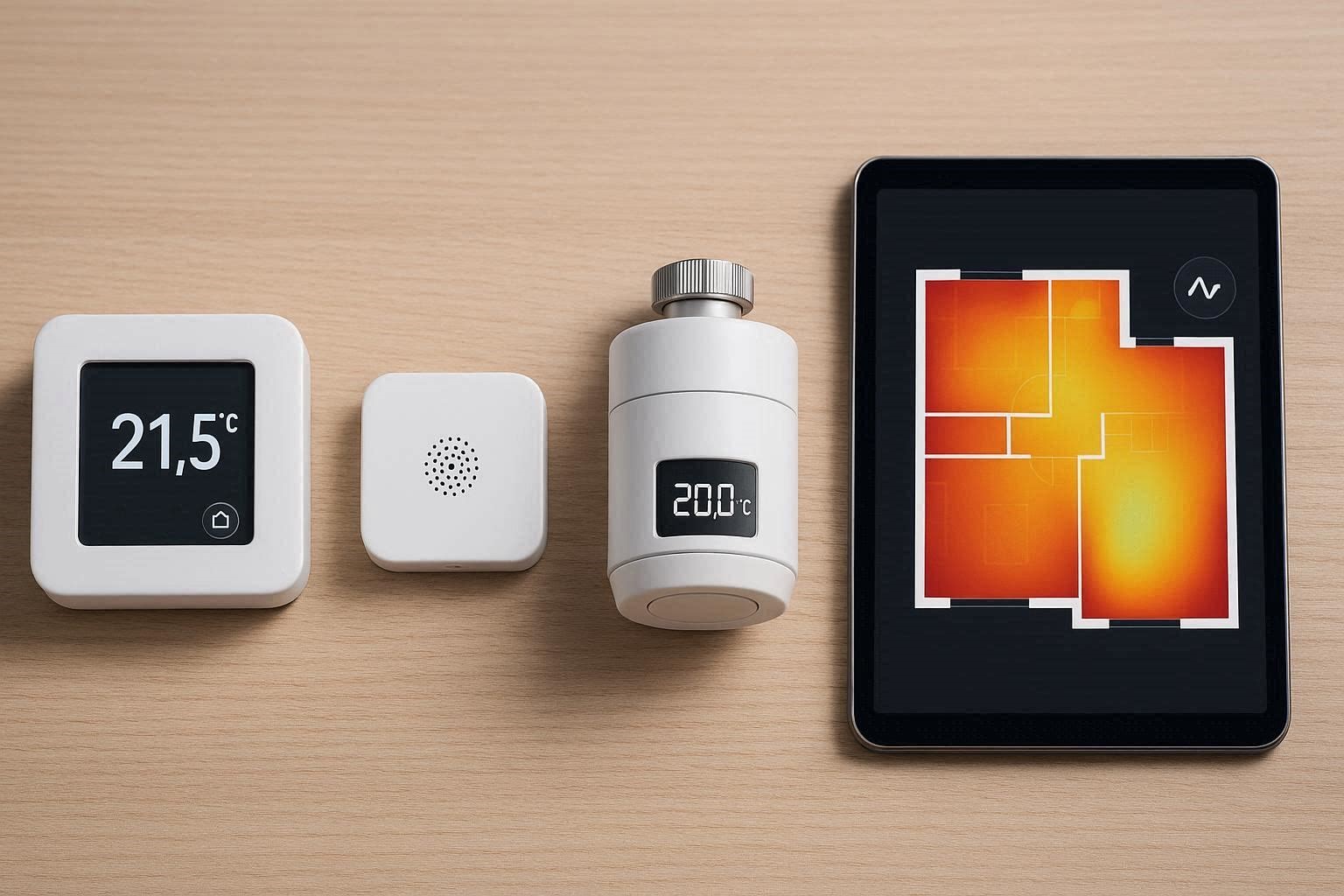
Smart climate tech and AI heat monitoring tools are revolutionizing heatwave survival in 2026, providing sophisticated, data-driven solutions for managing environmental conditions. AI-powered systems can predict local heat extremes with unprecedented accuracy, allowing for proactive adjustments in energy use and personal routines.
Smart thermostats, integrated with external weather forecasts, automatically optimize indoor temperatures, while sensors monitor humidity and air quality to ensure optimal comfort and health.
These technologies not only help individuals reduce their energy consumption but also provide crucial information to make informed decisions, transforming how we interact with and adapt to our environments during periods of widespread heat, thus enhancing our ability to cope with above-average temperatures.
Eco-Friendly Heat Survival Practices (Energy Saving & Sustainable Cooling)
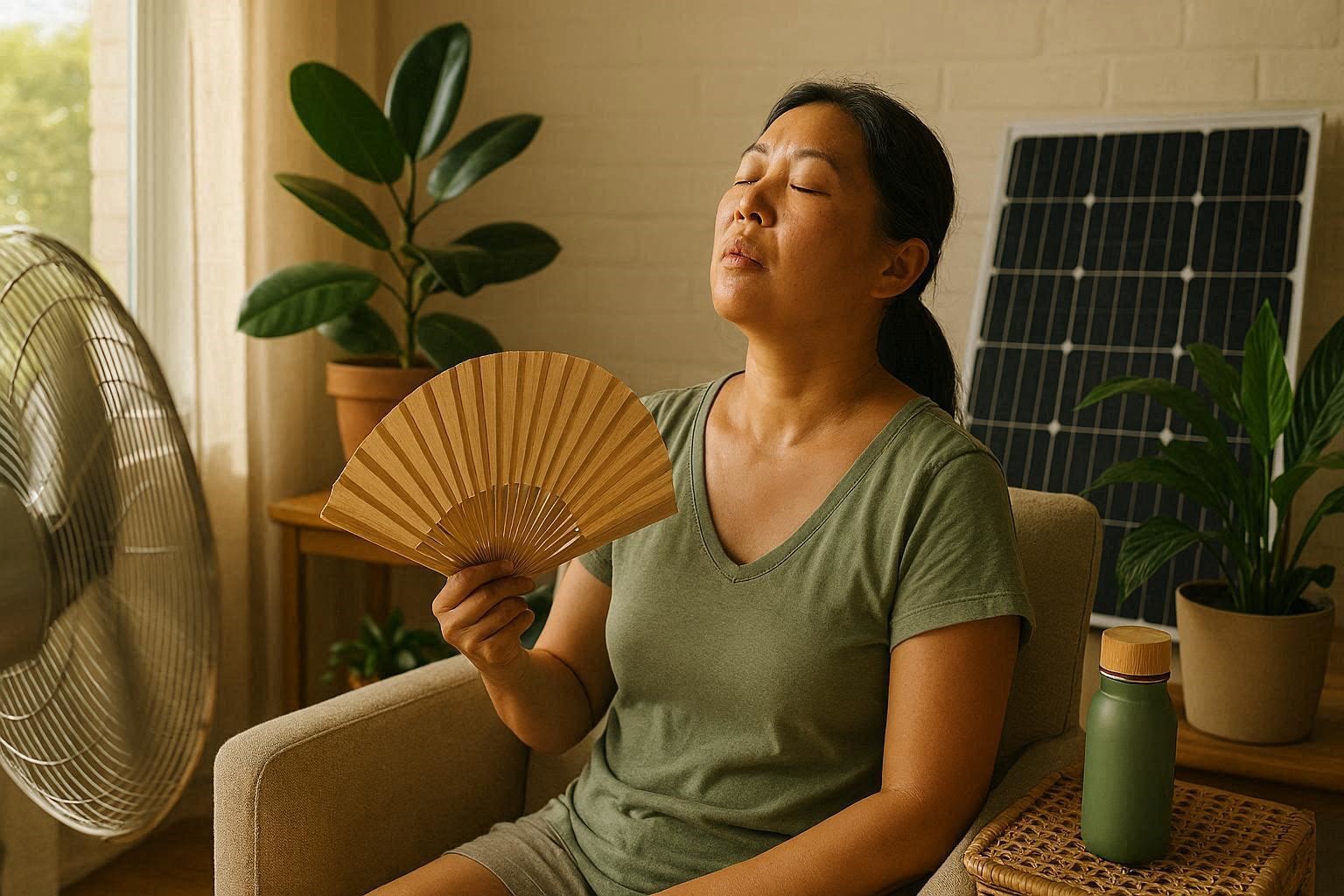
Eco-friendly heat survival practices have gained significant traction in 2026, driven by a dual commitment to personal comfort and environmental stewardship. These practices prioritize energy saving and and sustainable cooling methods, reducing reliance on high-carbon air conditioning systems. This includes optimizing natural ventilation through strategic window placement, utilizing reflective roofing materials that deflect sunlight, and integrating passive cooling techniques in home design.
Furthermore, the adoption of solar-powered fans and evaporative coolers, which consume less energy than traditional AC units, exemplifies this trend. By embracing these sustainable solutions, individuals are not only mitigating the impacts of extreme heat but also contributing to global efforts to combat climate change, ensuring a more sustainable future for the rest of 2026 and beyond.
Regional Heatwave Survival Trends Around the World
As the summer of 2026 intensifies, various regions globally are showcasing unique and culturally specific approaches to heatwave survival, reflecting diverse environmental conditions and societal norms.
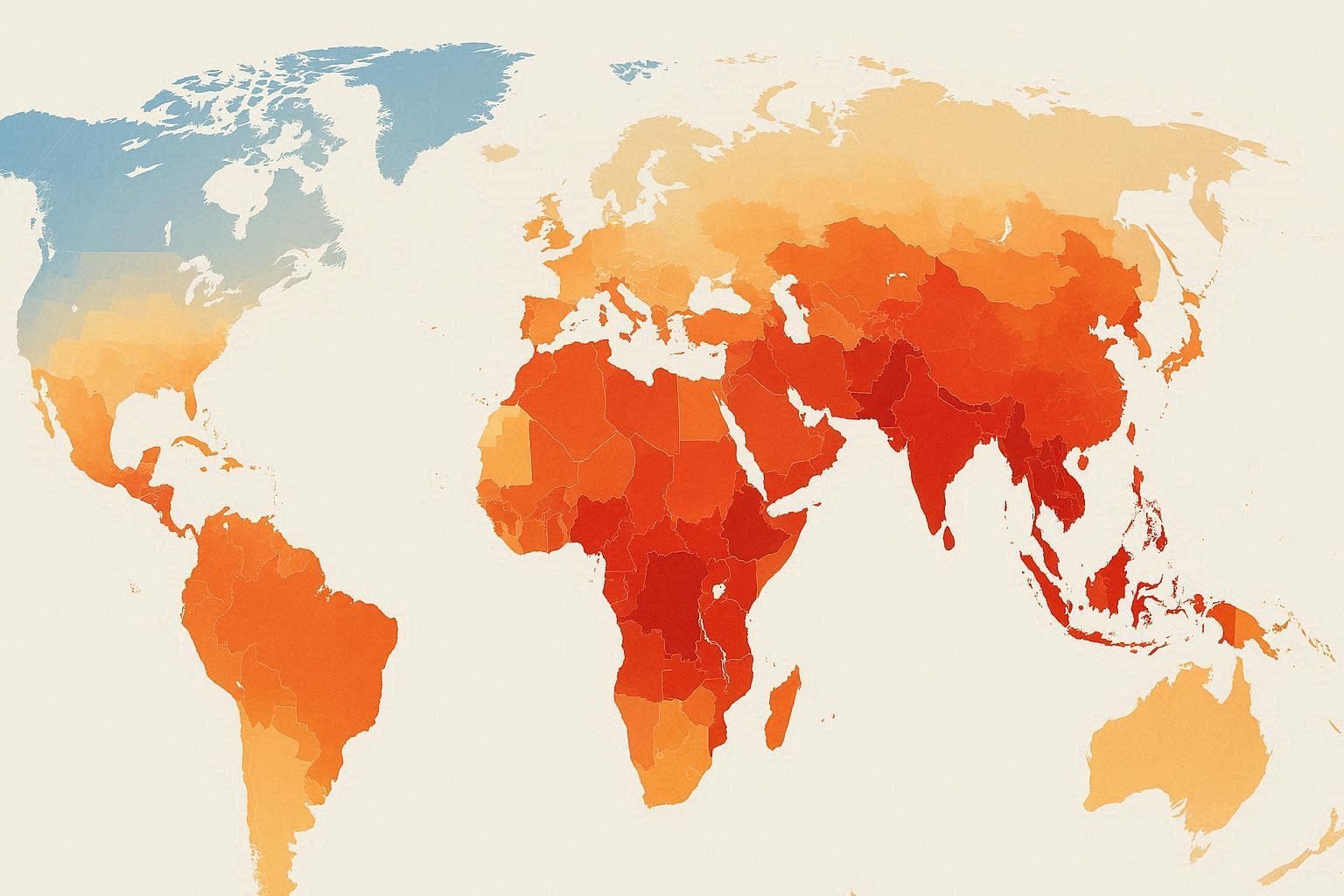
From ancient architectural wisdom to modern technological adaptations, these regional trends highlight how communities are ingeniously coping with extreme heat, transforming localized challenges into innovative solutions. Each region’s strategy offers valuable insights into resilient living during prolonged periods of heat and humidity, demonstrating a collective global effort to adapt to the hotter conditions of this summer.
Middle East: Indoor Cooling Culture and Hydration-Focused Diets
In the Middle East, the deep-rooted indoor cooling culture and hydration-focused diets are paramount for heatwave survival in 2026, driven by centuries of adapting to extreme heat. Traditional architectural designs, featuring thick walls, courtyards, and strategic ventilation, create naturally cooler interiors, complemented by modern air conditioning systems.
Diets emphasize hydrating foods like dates, yogurt, and fresh produce, alongside frequent consumption of water and traditional electrolyte-rich beverages to combat the effects of hot and dry conditions. This blend of ancient wisdom and contemporary solutions ensures resilience against the intense summer heat, making life bearable amidst the region’s notoriously high surface temperatures.
Europe: Architectural Cooling and Slow Summer Living
Europe’s approach to heatwave survival in 2026 centers on architectural cooling and a philosophy of slow summer living, reflecting a blend of heritage and adaptation. Historic buildings, with their thick stone walls and high ceilings, naturally offer insulation against extreme heat, a principle now integrated into modern construction.
The concept of slow summer living encourages adjusting daily rhythms to avoid the hottest parts of the day, prioritizing siestas and evening activities. This cultural shift, combined with sustainable urban planning that incorporates green spaces and water features, helps communities cope with rising global temperatures, ensuring comfort and well-being even during prolonged periods of heat and humidity.
Asia: Herbal Cooling Drinks and Lightweight Clothing Culture
Across Asia, heatwave survival in 2026 is significantly shaped by a rich tradition of herbal cooling drinks and a prevalent lightweight clothing culture. Traditional beverages, featuring ingredients like chrysanthemum, green tea, and various herbs, are consumed to naturally lower body temperature and promote hydration, offering a refreshing respite from the summer heat.
The widespread preference for lightweight, breathable fabrics such as linen, cotton, and silk, often in loose-fitting designs, facilitates air circulation and minimizes heat retention. These cultural practices, deeply ingrained in daily life, provide effective and accessible strategies for managing the impacts of extreme heat and humidity across the continent.
Americas: Road Trips, Night Activities, and Outdoor Cooling Hacks
In the Americas, the summer of 2026 sees heatwave survival manifest through popular trends like road trips to cooler locales, a surge in night activities, and inventive outdoor cooling hacks. Families embark on “coolcations” to northern states or coastal regions to escape the widespread heat across the United States.
Evening hours are increasingly utilized for social events, exercise, and leisure, as people avoid the brutal daytime sun. From DIY misters and shade structures to portable fans and cooling towels, creative solutions are employed to make outdoor spaces more tolerable. These adaptive strategies are essential for navigating the hotter and drier conditions prevalent across many parts of the U.S. and the Gulf Coast.
The Science Behind Heatwave Survival Strategies
Understanding the science behind heatwave survival is crucial in 2026, as it illuminates how our bodies respond to extreme heat and why certain strategies are effective. This section delves into the physiological mechanisms of temperature regulation, the critical role of hydration and electrolytes, and the profound impact of heat stress on overall well-being.
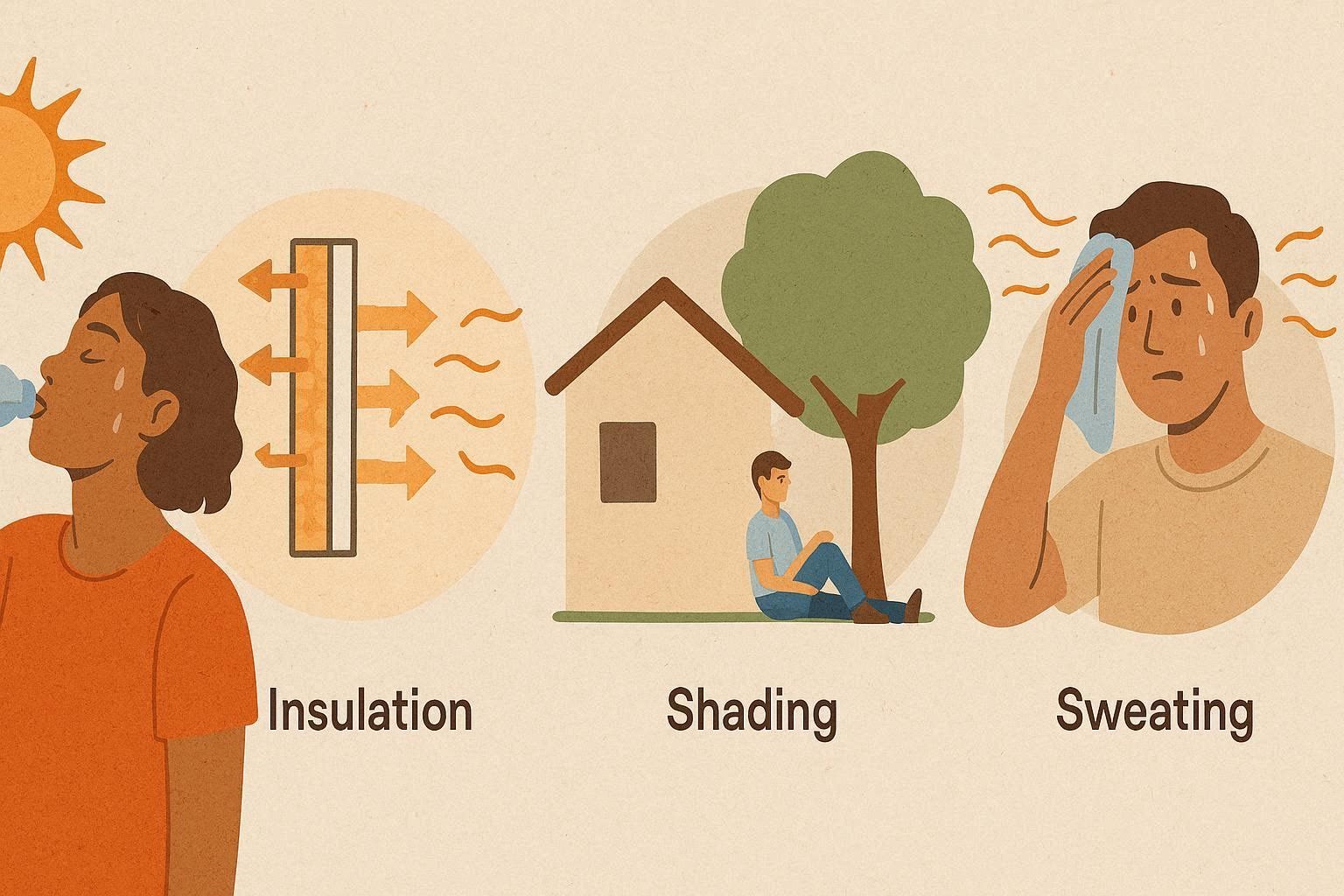
By examining these scientific principles, we can better appreciate the importance of proactive measures and make informed decisions to protect ourselves during prolonged periods of intense summer heat.
How the Human Body Regulates Temperature in Extreme Heat
The human body employs sophisticated mechanisms to regulate temperature, especially critical during periods of extreme heat like the summer of 2026. When exposed to high temperatures, the body primarily cools itself through sweating; as sweat evaporates from the skin, it dissipates heat, lowering the surface temperature.
Blood vessels near the skin’s surface also dilate, increasing blood flow to allow more heat to radiate away. However, prolonged exposure to heat and humidity can overwhelm these systems, leading to heat stress or heatstroke, particularly in warmer, more humid conditions where sweat evaporation is less efficient, emphasizing the need for effective external cooling strategies.
The Role of Electrolytes, Hydration, and Sweat Regulation
Electrolytes, hydration, and sweat regulation are inextricably linked and play a pivotal role in the body’s ability to survive extreme heat, especially during the 2026 summer forecast of hotter and drier conditions. When we sweat to cool down, we lose not only water but also essential electrolytes like sodium, potassium, and magnesium.
Proper hydration ensures sufficient fluid volume for effective sweating, while replenishing electrolytes is crucial for maintaining nerve and muscle function, and overall fluid balance. Without adequate intake, prolonged heat and humidity can lead to severe dehydration and electrolyte imbalances, impairing the body’s ability to regulate temperature and increasing the risk of heat-related illnesses, making proactive measures vital.
Why Heat Stress Affects Energy, Sleep, and Mental Focus
Heat stress profoundly affects energy levels, sleep quality, and mental focus, making it a significant concern during the extreme heat events predicted for summer 2026. The body expends considerable energy trying to regulate its temperature, leading to fatigue and reduced stamina. High nighttime temperatures disrupt sleep patterns, as the body struggles to cool down sufficiently for restorative rest, resulting in exhaustion.
Furthermore, heat stress can impair cognitive functions, leading to decreased concentration, slower reaction times, and irritability, making complex tasks challenging. These combined impacts underscore why proactive heatwave survival strategies are essential for maintaining overall well-being and productivity in hotter conditions.
How Social Media Is Driving Heatwave Survival Trends
Social media platforms have emerged as powerful accelerators for heatwave survival trends in 2026, transforming how individuals access and share information about coping with extreme heat. These digital spaces act as vibrant communities where innovative tips, product recommendations, and lifestyle adaptations go viral, influencing millions.
From short-form videos demonstrating cooling hacks to aesthetic posts promoting “cool living,” social media is not just reflecting trends but actively shaping them, making heatwave survival a widely discussed and easily accessible topic for people over 65 and younger generations alike.
TikTok Viral Heat Hacks and Cooling Lifestyle Content
TikTok has become a dominant force in driving heatwave survival trends in 2026, with countless viral “heat hacks” and cooling lifestyle content captivating millions. Users share quick, engaging videos demonstrating innovative ways to stay cool—from DIY portable AC units and frozen bedding tricks to creative hydration recipes.
These short, actionable clips make heatwave preparedness accessible and entertaining, spreading awareness and practical tips rapidly across diverse demographics. The platform’s algorithm ensures that effective cooling strategies reach a massive audience, transforming niche ideas into widespread practices for coping with the summer heat, particularly during periods of intense heat and humidity.
Instagram Aesthetic “Cool Living” Trends
Instagram is a key driver of “Cool Living” aesthetic trends for heatwave survival in 2026, transforming practical tips into visually appealing lifestyle content. Users showcase beautifully curated images and reels of minimalist, airy home interiors, serene evening routines, and refreshing, colorful hydration diets.
These posts don’t just offer advice; they inspire a desirable lifestyle centered around comfort and well-being during extreme heat, making heatwave adaptation seem aspirational rather than merely necessary. By blending aesthetics with utility, Instagram encourages widespread adoption of sustainable cooling practices, influencing how people approach their living spaces and daily habits during the hotter months.
Pinterest Boards for Summer Survival and Minimal Living
Pinterest boards are proving indispensable for organizing and disseminating summer survival and minimal living trends in 2026, offering a visually rich repository of ideas for combating extreme heat. Users curate extensive collections of pins covering everything from heat-proof home design and cooling recipes to eco-friendly fashion and energy-saving tips.
These boards serve as comprehensive guides, allowing individuals to discover, save, and implement a wide array of strategies for navigating the summer heat. Pinterest’s visual format and organizational structure make it an ideal platform for exploring holistic approaches to living comfortably and sustainably, even amidst forecasts of widespread heat and humidity.
Common Mistakes People Make During Heatwaves
Despite the widespread awareness and innovative strategies for heatwave survival in 2026, certain common mistakes persist, often undermining even the best intentions. Understanding these pitfalls is crucial for effective heatwave management, preventing discomfort, and avoiding serious health risks during periods of extreme heat.
From over-reliance on single cooling methods to neglecting basic physiological needs, these errors can exacerbate the impacts of the summer heat and humidity, making it essential to identify and avoid them for a safer and more comfortable experience throughout the rest of 2026.
Relying Only on AC Without Hydration Balance
A prevalent mistake during the 2026 summer heat is relying solely on air conditioning without maintaining a critical hydration balance, leading to potential health risks. While AC provides immediate comfort, it can also create drier indoor environments, which might subtly increase dehydration if fluid intake isn’t consciously prioritized.
Many individuals, especially people over 65, might feel less thirsty in an air-conditioned space, ignoring the body’s need for consistent hydration and electrolytes, particularly when moving between cool indoors and hot outdoors. This oversight can quickly lead to fatigue, headaches, and more severe heat-related illnesses, underscoring the importance of combining cooling technology with proactive hydration strategies to combat the impacts this summer effectively.
Wearing Heat-Trapping Fabrics and Tight Clothing
A common but easily avoidable error during intense heatwaves in 2026 is wearing heat-trapping fabrics and tight clothing, which severely impedes the body’s natural cooling mechanisms. Materials like polyester, nylon, and heavy denim, especially in tight fits, prevent air circulation around the skin, trapping heat and moisture.
This creates a humid microclimate against the body, making it harder for sweat to evaporate and effectively cool the skin, thereby increasing the risk of overheating. Opting for lightweight, breathable fabrics such as linen or cotton in loose, oversized fits is crucial for promoting ventilation and allowing the body to naturally dissipate heat, ensuring comfort and safety amidst the warmer and drier conditions of the summer forecast.
Ignoring Early Signs of Dehydration and Fatigue
One of the most dangerous mistakes people make during periods of extreme heat in 2026 is ignoring the early signs of dehydration and fatigue, often underestimating the body’s rapid decline in warmer conditions. Mild symptoms such as increased thirst, dry mouth, reduced urination, or a slight headache are often dismissed, but these are critical indicators that the body is struggling to maintain its fluid balance.
Persisting in activities without rehydrating or resting can quickly escalate to more severe conditions like heat exhaustion or heatstroke, which can be life-threatening. Paying close attention to these subtle cues and taking immediate action—drinking water, replenishing electrolytes, and seeking shade—is vital for preventing serious health consequences throughout the summer heat.
How to Build a Personal Heatwave Survival Routine
Building a personal heatwave survival routine in 2026 is essential for enduring the predicted hotter and drier conditions, transforming reactive responses into proactive, daily habits. A well-structured routine helps manage exposure to extreme heat, protect overall health, and maintain productivity and comfort throughout the day.
By integrating specific practices into morning, midday, and evening schedules, individuals can significantly mitigate the impacts of prolonged heat and humidity, ensuring resilience and well-being even during periods of widespread heat across the United States. This strategic approach offers a blueprint for navigating the challenges of the summer forecast.
Morning Cooling and Hydration Habits
Establishing morning cooling and hydration habits is a cornerstone of heatwave survival in 2026, setting the tone for managing the day’s extreme heat proactively. Starting the day with a cold shower or applying cooling towels can lower core body temperature before exposure to outside heat.
Consuming a large glass of water infused with electrolytes or citrus immediately upon waking helps to kickstart hydration, preparing the body for potential fluid loss throughout the day. Wearing lightweight, breathable clothing from the outset and planning errands for the cooler morning hours are also vital to minimize initial heat exposure and conserve energy, particularly for people over 65, ensuring a more comfortable start to the day amidst the summer heat.
Midday Energy Protection Strategies
Midday energy protection strategies are crucial for navigating the peak intensity of extreme heat during summer 2026, focusing on minimizing exposure and conserving physical resources. This involves strictly avoiding outdoor activities between 10 AM and 4 PM, when the sun’s rays are strongest and surface temperatures are highest.
Seeking refuge in air-conditioned or naturally cool environments is paramount, utilizing blackout curtains at home to prevent heat intrusion. Frequent sips of water or electrolyte drinks are necessary to prevent dehydration, even when indoors. Opting for light, easily digestible meals and taking short, restorative naps can also help the body cope with the energy demands of thermoregulation, ensuring sustained well-being against widespread heat and humidity.
Evening Recovery and Sleep Optimization
Evening recovery and sleep optimization are critical components of a personal heatwave survival routine in 2026, allowing the body to recuperate from the day’s extreme heat and prepare for the next. As temperatures often remain elevated at night, creating a cool sleep environment is essential; this includes using cooling bedding, running fans strategically, or even pre-cooling the bedroom.
Engaging in relaxing activities like meditation or breathwork can help calm the body and mind, facilitating better sleep despite lingering heat. Rehydrating with water or herbal teas before bed and avoiding heavy meals ensures the body is not overburdened. Prioritizing quality sleep allows the body to fully recover and build resilience against the ongoing challenges of the summer heat and humidity.
The Future of Heatwave Survival Beyond 2026
Looking beyond 2026, the future of heatwave survival is poised for transformative advancements, driven by continuous innovation and a deeper understanding of climate change. As global warming continues to intensify, “el niño” developing into stronger patterns, future heatwaves will demand even more sophisticated and integrated solutions.
This foresight includes reimagining urban infrastructure, leveraging artificial intelligence for personalized climate control, and fostering a pervasive climate-adaptive lifestyle, ensuring that societies are not just surviving but thriving amidst increasingly hotter and drier conditions, making predictions for 2027 and beyond critical for planning.
Smart Cities Designed for Extreme Heat Adaptation
The future beyond 2026 envisions smart cities meticulously designed for extreme heat adaptation, integrating advanced infrastructure and urban planning to combat rising global temperatures. These cities will feature extensive green spaces, reflective surfaces, and vertical gardens to reduce the urban heat island effect, significantly lowering surface temperature.
Smart irrigation systems will optimize water use to maintain vegetation, even during drought. Advanced public cooling centers and shaded pedestrian pathways will become standard, providing accessible relief from widespread heat. These innovations will transform urban environments into resilient ecosystems, ensuring liveability and comfort for residents, particularly people over 65, amidst increasingly frequent and intense heat waves.
AI-Powered Personal Climate Control Systems
Beyond 2026, AI-powered personal climate control systems are expected to revolutionize individual heatwave survival, offering unprecedented levels of comfort and efficiency. These intelligent systems will learn individual preferences and physiological responses to extreme heat, dynamically adjusting personal cooling devices, home environments, and even hydration schedules.
Integrating with wearable tech, AI will monitor real-time body temperature, heart rate, and hydration levels, providing predictive recommendations for staying cool and healthy. This personalized approach will minimize energy waste while maximizing comfort, making “hot summer” conditions far more manageable and contributing to smarter, more responsive heatwave adaptation strategies across the United States and globally, ensuring greater protection for people over 65 and other vulnerable groups.
The Rise of Climate-Adaptive Lifestyle Design
The future beyond 2026 will see the pervasive rise of climate-adaptive lifestyle design, fundamentally reshaping how individuals live, work, and interact with their environment in response to ongoing extreme heat. This paradigm shift will involve consciously integrating sustainable practices, energy-saving habits, and personal well-being strategies into every aspect of daily life.
From choosing homes with passive cooling features and embracing drought-resistant landscaping to adopting flexible work schedules that avoid peak heat, this lifestyle emphasizes resilience and sustainability. It represents a holistic approach to living harmoniously with hotter conditions, ensuring long-term health, comfort, and environmental responsibility, moving beyond temporary fixes to permanent, ingrained habits for managing the impacts this summer and well into 2027.
Final Thoughts: Why Heatwave Survival Is Now a Global Lifestyle Shift
Heatwave survival, as demonstrated by the trends of 2026, has unequivocally transitioned from a seasonal concern to a permanent global lifestyle shift. The relentless increase in “hotter” temperatures, exacerbated by “El Niño” patterns and “global warming,” demands a fundamental re-evaluation of how societies function.
This transformation encompasses everything from personal routines and architectural design to urban planning and technological innovation, becoming a critical aspect of daily life for people across the “U.S.” and worldwide. The strategies adopted this “summer” reflect a collective understanding that adapting to “extreme heat” is no longer optional but an imperative for sustained well-being and resilience against the “impacts this summer” and beyond.