



Creating a consistent and effective bedtime routine is essential for good sleep hygiene and overall well-being. A well-designed sleep routine helps regulate your body’s natural sleep schedule, making it easier to fall asleep faster and sleep better. This guide explores various techniques to improve sleep and enhance your mood through simple, yet effective, evening practices.
Why Evening Routines Are Key to Better Sleep and Mood

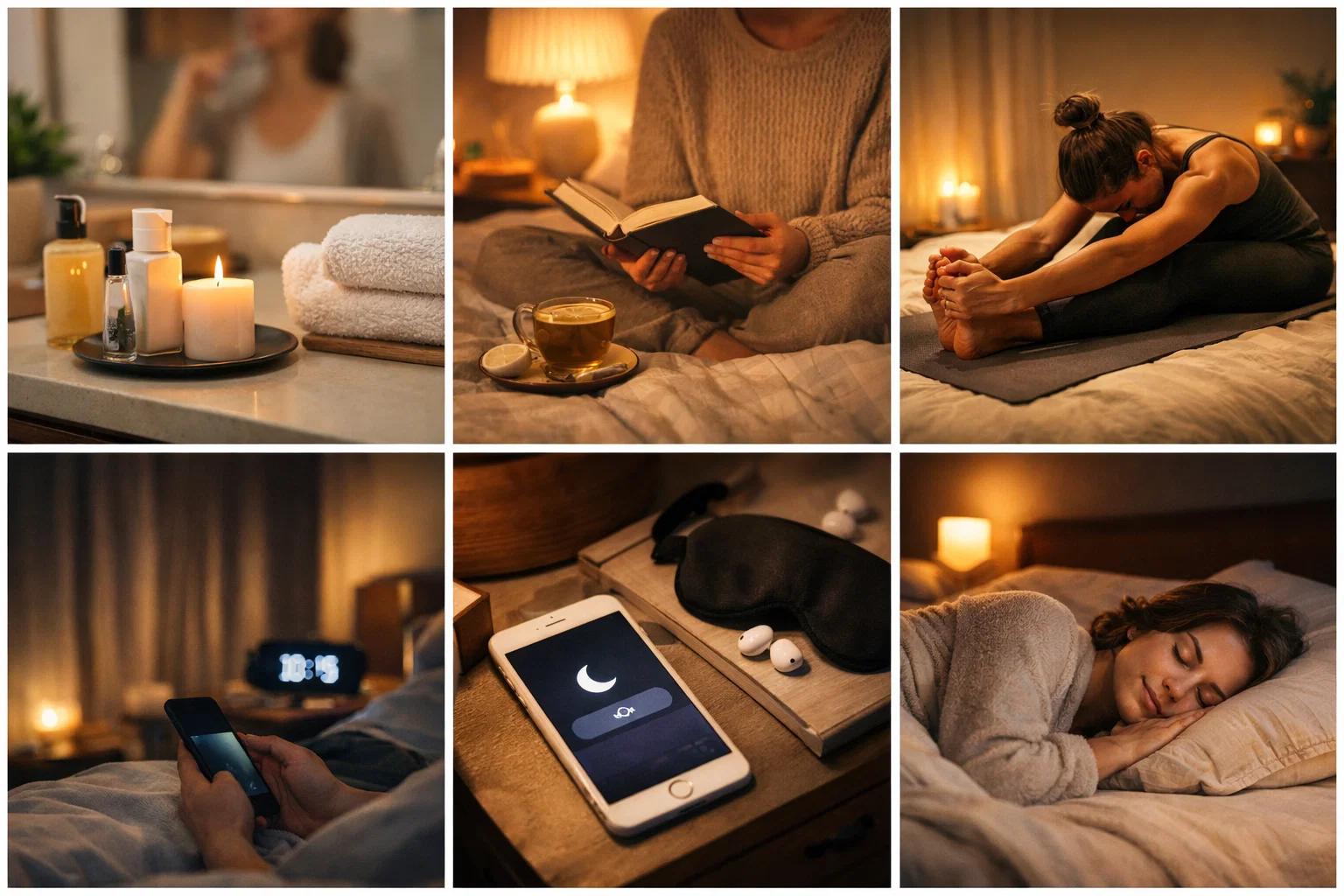
Understanding the Connection Between Sleep and Emotional Well-Being
The link between quality sleep and emotional health is undeniable; poor sleep can lead to increased stress and mood disturbances.
Prioritizing sleep care and establishing a solid bedtime routine for adults is crucial for maintaining emotional balance and promoting a healthier, happier life. Sleep experts emphasize the importance of restful sleep for overall well-being.
How Evening Habits Affect Circadian Rhythm and Sleep Quality
Your evening sleep habits significantly impact your circadian rhythm, the internal clock that regulates your sleep-wake cycle. A consistent nighttime routine helps synchronize this rhythm, leading to better sleep quality and making it easier to fall asleep at a desired time every night. Maintaining a consistent sleep schedule is key to regulating this natural rhythm.
The Impact of Stress and Screen Time on Sleep and Mood
Stress and excessive screen time can disrupt your ability to get enough sleep. Stress hormones interfere with relaxation, while blue light from electronic devices suppresses melatonin production, both affecting sleep duration. A calming bedtime routine helps mitigate these negative effects, promoting a sense of calm that prepares both your body and mind for sleep.
Digital Wind-Down: Reducing Screen Time Before Bed

The Effect of Blue Light on Melatonin and Sleep
Blue light emitted from smartphones and tablets can significantly suppress melatonin, a hormone that signals to your body and mind for sleep. Reducing exposure to this light an hour before bedtime can help you fall asleep faster and improve sleep quality. This simple change is a cornerstone of good sleep hygiene.
Tips for a Successful Digital Detox in the Evening
Implementing a digital detox involves setting boundaries with electronic devices in the evening. You can achieve this by taking these steps:
- Power down devices at least an hour before bedtime.
- Avoid checking your to-do list or emails right before going to bed.
This bedtime routine for better sleep allows your mind to unwind and prepare for sleep.
Alternative Relaxing Activities to Replace Screen Time
Consider replacing screen time with activities known to promote relaxation and help with sleep. For example, you might try:
- Reading a physical book
- Practicing meditation
- Listening to calming music
- Engaging in light stretching
These alternatives can create a more conducive sleep environment and encourage your body and mind to relax, better preparing you for healthy sleep.
Gentle Exercise and Stretching for Evening Relaxation

Benefits of Light Movement Before Bed
Incorporating light movement into your bedtime routine can significantly improve sleep. Gentle exercises, such as stretching or a short walk, can reduce tension and promote relaxation, making it easier to fall asleep faster. These activities support healthy sleep by easing physical discomfort and preparing your body and mind for restful sleep, contributing to good sleep hygiene.
Easy Yoga or Stretching Routines for Relaxation
Simple yoga poses or stretching exercises can be a great addition to your nighttime routine. Focus on poses that release tension in your neck, shoulders, and back to help you fall asleep. A 15-minute bedtime routine for better sleep that includes gentle stretches can calm your body and mind for sleep, aiding in achieving quality sleep and mitigating sleep problems.
Incorporating Mindful Breathing into Evening Exercise
Combining exercise with mindful breathing techniques enhances relaxation and supports sleep health. As you stretch or move, focus on deep, slow breaths to calm your nervous system. This combination can further improve sleep by reducing stress and promoting a sense of tranquility. Such practices are recommended by sleep experts to prepare for sleep effectively.
Mindfulness and Meditation Practices

Journaling for Reflection and Gratitude
Journaling is a powerful tool for reflecting on your day and practicing gratitude, which can help with sleep. Writing down your thoughts and feelings allows you to process emotions and reduce mental clutter before going to bed. Focusing on positive aspects of your day through gratitude journaling can create a positive mindset, leading to better sleep and improved emotional well-being as part of a comprehensive sleep care approach.
Guided Meditation Techniques to Calm the Mind
Guided meditation can effectively calm your mind and help you fall asleep faster. Using a guided meditation app or audio recording can guide you through relaxation techniques, focusing on your breath and quieting your thoughts. Regular practice can reduce stress and anxiety, paving the way for restful sleep and contributing to good quality sleep and overall sleep hygiene.
Visualization and Breathing Exercises for Sleep Readiness
Visualization and breathing exercises are valuable components of a bedtime routine. Imagine a peaceful scene or focus on your breath to relax your mind and body for sleep. These techniques can lower your heart rate and blood pressure, signaling to your body that it’s time to rest and promoting better sleep. These exercises are recommended by sleep experts as part of sleep care.
Warm Baths and Relaxing Showers

How Warm Water Prepares the Body for Sleep
A warm bath or shower can significantly improve sleep by helping to regulate your body temperature. As you step out of the warm water, your body cools down, which signals to your brain that it’s time to go to sleep. This temperature shift mimics the natural process that occurs as you fall asleep, promoting restful sleep as part of good sleep hygiene.
Adding Aromatherapy for Mood Enhancement
Enhance your warm bath or shower by adding aromatherapy to improve sleep and mood. To promote relaxation and reduce stress, consider using essential oils such as:
The soothing scents can calm your mind and body, making it easier to fall asleep and contributing to a better bedtime routine, as recommended by sleep experts.
Tips for a Soothing Evening Bath Routine
Create a soothing evening bath routine by dimming the lights, playing calming music, and using gentle, natural bath products to help you sleep. Avoid using screens or engaging in stimulating activities while in the bath. Instead, focus on relaxation and mindfulness to prepare for sleep effectively and improve sleep, contributing to overall sleep health.
Creating a Calm and Cozy Sleep Environment

Ideal Bedroom Temperature and Lighting
Creating an optimal sleep environment is crucial for healthy sleep and a successful bedtime routine. Ideally, your bedroom should be cool, dark, and quiet to promote restful sleep. Adjust the thermostat to a comfortable temperature, typically between 60-67°F (15-19°C), to help you fall asleep faster and sleep better.
Bedding, Curtains, and Noise Management for Restful Sleep
Invest in comfortable bedding, such as a supportive mattress, soft sheets, and cozy blankets, to enhance your sleep quality. Use blackout curtains to block out external light and minimize distractions. Consider using earplugs or a white noise machine to manage any disruptive sounds and create a peaceful sleep environment. These elements contribute to good sleep hygiene and a more effective bedtime routine.
Using Scents and Soft Sounds to Improve Mood
Incorporate calming scents and soft sounds into your nighttime routine to further enhance relaxation. Use a diffuser with lavender or chamomile essential oils to create a soothing atmosphere. Play gentle ambient music, nature sounds, or a white noise machine to mask distracting noises and promote a sense of calm, making it easier to fall asleep and sleep better. This bedtime routine for better sleep promotes quality sleep.
Avoiding Late Stimulants and Heavy Meals

How Caffeine, Sugar, and Alcohol Affect Sleep
Consuming caffeine, sugar, or alcohol close to bedtime can negatively affect your sleep. Caffeine and sugar are stimulants that can keep you awake and disrupt your sleep quality. Alcohol, while initially inducing drowsiness, can lead to fragmented sleep and early morning awakenings, hindering restful sleep and disrupting your sleep schedule, making it harder to fall asleep and diminishing healthy sleep.
Best Practices for Evening Nutrition
Adopting best practices for evening nutrition is crucial for good sleep hygiene. Avoid heavy, fatty meals close to bedtime, as they can cause indigestion and discomfort, making it difficult to fall asleep. Instead, opt for a light, balanced meal a few hours before going to bed to allow your body time to digest. This bedtime routine change will improve sleep.
Light Snacks That Promote Relaxation
If you need a snack before going to bed, choose options that promote relaxation and help you sleep. Good choices include a small bowl of whole-grain cereal with milk, a handful of almonds, or a banana. These snacks contain nutrients like tryptophan and magnesium, which can help with sleep and promote a sense of calm as you prepare for sleep. Sleep experts recommend avoiding sugary or processed snacks to get better sleep.
Establishing a Consistent Sleep Schedule

The Importance of Regular Bedtimes and Wake Times
Maintaining a consistent sleep schedule, even on weekends, is essential for regulating your body’s circadian rhythm. Going to bed and waking up at the same time every day help you fall asleep faster and sleep better by aligning your internal clock. This bedtime routine element can significantly improve sleep quality and overall sleep health.
Pre-Sleep Rituals to Signal Your Body to Relax
Establish pre-sleep routine rituals to signal to your body and mind for sleep. These rituals can include activities such as reading a book, taking a warm bath, practicing meditation, or listening to calming music. Engaging in these relaxing activities helps you wind down and prepare for sleep effectively, promoting restful sleep and contributing to good sleep hygiene.
Tips for Staying Consistent Even on Weekends
To maintain a consistent sleep schedule, even on weekends, try to limit variations in your bedtime and wake time to no more than one hour. Avoid sleeping in too late, as this can disrupt your circadian rhythm and make it harder to fall asleep on Sunday night. Prioritize activities that support relaxation and sleep health, ensuring that your bedtime routine remains consistent. Sleep experts tout this as part of sleep care.
Bonus Mood-Boosting Evening Habits

Listening to Calming Music or Nature Sounds
Incorporating calming music or nature sounds into your bedtime routine can significantly improve sleep. Soft melodies or natural soundscapes help relax your body and mind, reducing stress and anxiety. This simple practice can make it easier to fall asleep and enhance your overall sleep quality, contributing to good sleep hygiene, as recommended by sleep experts.
Practicing Gratitude or Positive Journaling
Practicing gratitude or engaging in positive journaling as part of your nighttime routine can boost your mood and help you sleep. Reflecting on the positive aspects of your day before going to bed can shift your focus away from stressors and promote a sense of contentment, as positive thoughts help you fall asleep faster and ensure healthy sleep.
Gentle Mindful Reading or Hobbies for Relaxation
Engaging in gentle, mindful reading or pursuing relaxing hobbies can enhance your bedtime routine and help with sleep. Reading a book (not on an electronic devices) or engaging in a calming hobby allows you to unwind and prepare for sleep. These activities can reduce mental clutter and stress, promoting restful sleep and good quality sleep.
Common Mistakes to Avoid in Evening Routines
Overstimulating Activities Before Bed
Avoid overstimulating activities close to bedtime to improve sleep. Watching intense movies, engaging in demanding work tasks, or having heated discussions can elevate your stress levels and make it harder to fall asleep. Instead, prioritize calming activities that help you sleep and promote relaxation as part of your bedtime routine.
Ignoring Stress or Emotional Check-Ins
Ignoring stress or avoiding emotional check-ins can negatively affect your sleep and overall well-being. Take time to address any unresolved emotions or stressors before going to bed to help you sleep. Practicing mindfulness, journaling, or talking to a trusted friend or family member can facilitate emotional release and promote a more peaceful state of mind for quality sleep.
Inconsistent Sleep and Relaxation Habits
Inconsistent sleep and relaxation habits can disrupt your circadian rhythm and hinder your ability to fall asleep and sleep better. Sticking to a regular sleep schedule and maintaining a consistent bedtime routine is essential for regulating your body’s internal clock. This bedtime routine for better sleep ensures that your body and mind [are prepared] for sleep, contributing to good sleep hygiene.
Conclusion: Transform Your Nights for Better Sleep and a Happier Mood
By implementing these bedtime routine strategies and avoiding common mistakes, you can transform your nights, improve sleep, and boost your mood. Prioritizing sleep care and establishing good sleep hygiene are essential for maintaining overall well-being. Embrace these habits to help you fall asleep faster, sleep better, and wake up feeling refreshed and ready to tackle the day. Sleep experts recommend establishing a consistent sleep schedule.