
In our demanding modern world, achieving the perfect balance between sustained productivity and adequate rest often feels like an impossible task. This article explores practical strategies to help you find that elusive equilibrium, preventing burnout and fostering overall well-being.
Why Modern Life Makes Balance So Difficult
Modern life, characterized by constant connectivity and pressure to perform, has profoundly reshaped our relationship with work and rest. Finding balance in this environment is exceptionally challenging for many.

The Rise of Hustle Culture and Constant Busyness
The prevailing “hustle culture” glorifies constant busyness and working long hours, creating immense pressure to always be productive and available, often at the expense of our well-being and personal life.
This relentless pursuit of productivity, often fueled by an ever-growing to-do list and the fear of missing out, can make it incredibly difficult to truly disengage and find time for rest. Many feel overwhelmed by the expectation to constantly strive for more, believing that continuous effort is the only path to success.
This cultural phenomenon makes it challenging to prioritize relaxation and maintain a healthy work-life balance, as the line between work mode and personal time becomes increasingly blurred, leading to chronic stress.
Why Burnout Is Becoming a Global Productivity Problem
Burnout, characterized by exhaustion and reduced effectiveness, is now recognized as a significant global issue, severely impacting individual well-being and overall productivity levels.
The escalating rates of burnout are a direct consequence of this sustained pressure and the lack of proper rest periods, turning what should be a temporary state of fatigue into a pervasive problem.
Organizations and individuals worldwide are grappling with the effects of this hidden productivity killer, as it diminishes creativity, increases absenteeism, and negatively affects both physical and mental health. Recognizing the importance of rest and proactively addressing the causes of burnout is crucial for fostering a sustainable and healthy working environment for everyone.
Understanding Burnout: The Hidden Productivity Killer
Burnout is far more than just feeling tired; it’s a serious condition that erodes motivation and overall performance, subtly undermining your long-term productivity.

What Burnout Really Is (Beyond Just Feeling Tired)
Burnout is a state of physical, emotional, and mental exhaustion caused by prolonged or excessive stress, going far beyond mere tiredness.
It manifests as a profound depletion of energy, cynicism toward one’s job, and a sense of ineffectiveness and lack of accomplishment, distinct from simply needing a good night’s sleep. While fatigue is a component, burnout encompasses a deeper, pervasive sense of being overwhelmed and emotionally drained, making it challenging to recharge or regain enthusiasm.
Understanding this distinction is vital to addressing the problem effectively, as true burnout requires more than just taking time to rest; it often necessitates significant changes to one’s work patterns and self-care routines.
Early Warning Signs You Should Never Ignore
Recognizing the subtle, early warning signs of burnout is crucial for intervention before it becomes a debilitating condition impacting your ability to function effectively.
These signs can include chronic fatigue, increased irritability, difficulty concentrating, feelings of detachment, decreased job satisfaction, and a pervasive sense of inadequacy, even when performing well. Ignoring these indicators can lead to a downward spiral where your productivity levels plummet. Some of these crucial indicators are:
- A constant feeling of being overwhelmed
- A struggle to maintain focus
Paying attention to your mind and body’s signals and making time for rest and self-care at the first hint of these symptoms is essential for maintaining your well-being and preventing full-blown burnout.
How Burnout Affects Focus, Health, and Performance
Burnout significantly impairs cognitive functions, deteriorates physical health, and drastically reduces overall performance, creating a detrimental cycle of reduced output.
When you are experiencing burnout, your ability to maintain focus diminishes, making even simple tasks feel monumental, and decision-making becomes clouded. The constant stress elevates stress hormones, impacting your immune system, leading to frequent illnesses and exacerbating existing health conditions.
Furthermore, your overall job performance suffers, leading to errors, missed deadlines, and a decline in quality, effectively making all your efforts less productive. Addressing burnout is not just about feeling better; it’s about restoring your capacity for effective work and safeguarding your long-term health and career sustainability.
The Science of Productivity and Rest
Understanding the intricate relationship between our brain’s energy consumption and the necessity of rest is fundamental to achieving sustained productivity.

How the Brain Uses Energy Throughout the Day
The brain, a highly energetic organ, consumes a significant portion of our daily energy intake, especially during periods of intense focus and cognitive demand.
Throughout the day, as we engage in complex problem-solving, learning new information, or making critical decisions, our brain cells actively metabolize glucose, which depletes energy reserves. This continuous neural activity is why prolonged periods of mental work without taking time to rest can lead to mental fatigue and a noticeable drop in productivity levels.
Recognizing these natural fluctuations in brain energy allows us to better structure our work and incorporate strategic rest periods, ensuring our cognitive functions remain optimized and we can sustain high-quality output without feeling overwhelmed.
The Role of Stress Hormones in Focus and Fatigue
Stress hormones, while beneficial in short bursts for acute threats, can severely impair focus and lead to chronic fatigue when consistently elevated.
When we are under constant pressure or facing tight deadlines, our bodies release cortisol and adrenaline, which are designed to keep us alert and ready for action. However, prolonged exposure to these stress hormones can disrupt sleep patterns, impair memory, and diminish our ability to concentrate, making it difficult to maintain productivity.
This chronic activation can lead to a persistent state of feeling overwhelmed, as the body struggles to return to a calm state, ultimately contributing to mental and physical exhaustion. Understanding this physiological response highlights the critical importance of stress management and prioritizing rest to mitigate these detrimental effects.
Why Rest Is Essential for Memory and Creativity
Rest is not merely an absence of work; it is an active, essential process that allows the brain to consolidate memories and foster creative insights.
During periods of downtime, especially during sleep, the brain reorganizes information, strengthening neural connections relevant to learning and problem-solving, which directly enhances memory retention. Furthermore, allowing the mind to wander freely during relaxation periods can spark new ideas and connections that might not emerge during focused work, significantly boosting creativity.
This demonstrates that time resting is not wasted time but rather a crucial component of our cognitive function, essential for both remembering information and generating innovative solutions, making rest productive and an integral part of sustainable productivity and self-care.
The Biggest Mistakes That Lead to Burnout
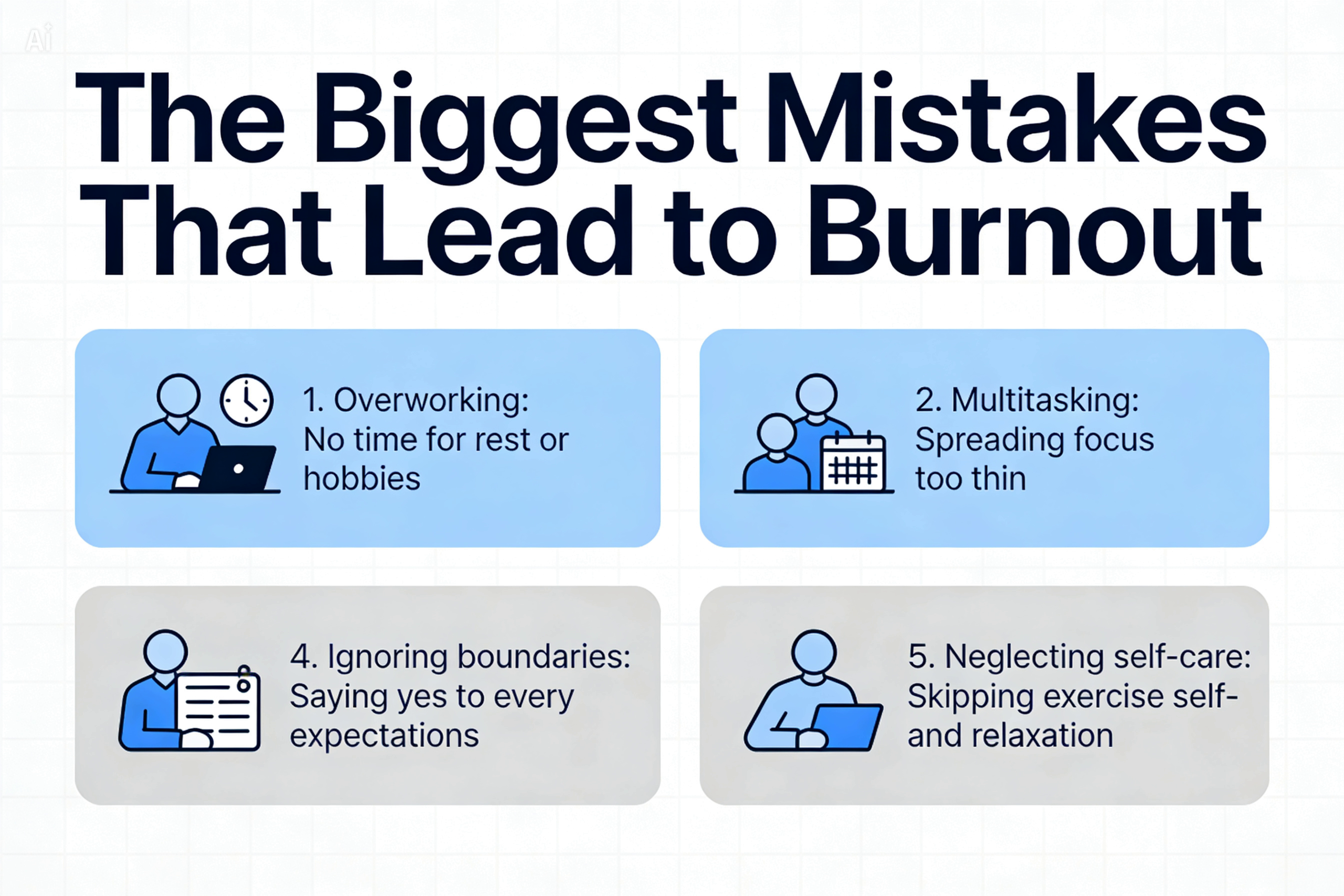
Many common work habits, often mistaken for dedication, actually undermine our long-term well-being and are prime contributors to burnout.
Working Without Breaks or Recovery Time
One of the most significant errors in modern work culture is the habit of continuous working without incorporating adequate breaks or essential recovery time.
Many individuals believe that pushing through without stopping demonstrates commitment or boosts productivity, yet this approach is fundamentally flawed and ultimately counterproductive. Our minds and bodies are not designed for endless output; they require periodic opportunities to recharge and recuperate.
Skipping short breaks during the day, neglecting weekly rest periods, or foregoing annual vacations actively depletes our energy reserves, making us more susceptible to stress and significantly increasing the risk of burnout. Prioritizing rest helps prevent this depletion and ensures sustained performance.
Confusing Busyness With Real Productivity
A prevalent misconception is equating being constantly busy with actual productivity, often leading to a frantic pace that lacks strategic effectiveness.
Many people feel compelled to fill every moment with activity, believing that a full to-do list signifies success, even if those tasks aren’t high-impact or aligned with their core goals. This confusion means individuals often spend excessive time on low-value tasks, mistaking movement for progress and feeling overwhelmed by the sheer volume of work, rather than focusing on meaningful outcomes.
True productivity involves strategic decision-making, prioritizing tasks that genuinely advance objectives, and understanding that taking time to rest and reflect can actually boost productivity more than constant, unfocused effort. Finding balance here is key.
Overloading Your Schedule and Multitasking Excessively
Routinely overloading your schedule and engaging in excessive multitasking are common pitfalls that severely undermine focus and accelerate the path to burnout.
The belief that handling multiple tasks simultaneously or cramming every minute of the day enhances efficiency is a myth; in reality, it fragments attention, increases errors, and significantly raises stress levels. Constantly context-switching between different demands prevents deep work and effective problem-solving, making it difficult to achieve a true state of flow.
This relentless pace leaves no room for essential rest periods or mental decompression, pushing individuals into a chronic state of feeling overwhelmed and ultimately depleting their cognitive and emotional resources. Learning to prioritize and focus on one task at a time can dramatically improve both productivity and self-care.
Shift Your Mindset: Productivity vs. Sustainable Performance
To truly combat burnout and achieve lasting success, it’s essential to redefine our understanding of productivity, moving towards sustainable performance.

Why Working More Hours Doesn’t Equal Better Results
The pervasive myth that working longer hours automatically translates to superior results is a fundamental misunderstanding that often leads to exhaustion and diminishing returns.
While dedication is important, beyond a certain point, extended work hours invariably lead to decreased focus, increased errors, and a decline in the quality of output, making further efforts less productive. The human brain has limits, and sustained periods of intense concentration without adequate rest periods diminish cognitive abilities and creative thinking.
Prioritizing rest and maintaining a healthy work-life balance actually allows for more efficient and higher-quality work during dedicated work blocks, proving that finding balance isn’t about working harder, but working smarter and prioritizing self-care.
Redefining Success as Consistency, Not Exhaustion
A crucial step in preventing burnout involves shifting our definition of success from constant exhaustion to consistent, high-quality, and sustainable performance over time.
Instead of glorifying the grind and associating success with being perpetually busy or feeling overwhelmed, true achievement lies in maintaining a steady pace, delivering reliable results, and safeguarding your well-being. This redefinition encourages the importance of rest, regular self-care, and the creation of healthy boundaries between work and personal life.
By prioritizing consistent effort backed by sufficient rest and rejuvenation, individuals can achieve long-term career growth and personal fulfillment without succumbing to the detrimental effects of burnout, fostering a much healthier and more effective approach to productivity and self-care.
Strategy #1: Use Energy-Based Planning Instead of Time-Based Planning
Moving beyond rigid, time-based schedules, energy-based planning involves strategically aligning your tasks with your natural fluctuations in energy throughout the day, ensuring optimal productivity.

Identifying Your Peak Focus Hours
A critical first step in energy-based planning is to consciously identify and understand your individual peak focus hours, the times when your cognitive abilities are at their sharpest.
For many, these peak periods might be in the morning, while others may find their highest levels of concentration later in the afternoon or evening. During these times, your mind and body are naturally more alert and capable of deep work, making it the ideal window for tasks requiring significant mental effort, problem-solving, or creative thinking.
Paying attention to your natural rhythms and recognizing when you feel most energized allows you to better utilize these precious hours for high-impact activities, thereby maximizing your productivity and minimizing the effort required to stay focused, helping you find balance.
Matching Tasks to High, Medium, and Low Energy Levels
Once you’ve identified your peak focus hours, the next step is to strategically match your tasks to your varying energy levels throughout the day. This involves:
- Optimizing your workflow.
- Preventing burnout.
Reserve your high-energy, most demanding tasks, such as strategic planning or complex writing, for your peak focus hours when your mind is most active and ready. Medium-energy tasks, like responding to emails or routine meetings, can be scheduled for periods when your energy is moderate.
Low-energy tasks, such as administrative work or light organization, are perfect for when you feel your energy naturally dipping, making sure that even when you are taking time to rest, you still feel productive. This approach not only boosts productivity but also makes work feel less overwhelming, fostering better self-care and a sustainable work-life balance.
Strategy #2: Work in Focused Cycles (Not Endless Hours)
Instead of enduring endless work hours, adopting focused work cycles with built-in breaks can dramatically improve concentration and overall productivity.

The Power of Deep Work Sessions
Deep work sessions involve dedicated, uninterrupted periods of intense concentration on a single, cognitively demanding task, proving to be incredibly powerful for boosting productivity.
During these sessions, you intentionally eliminate distractions, allowing your mind to fully immerse itself in the work at hand, leading to higher quality output and a quicker completion of complex projects. This method not only enhances your ability to solve challenging problems but also helps in developing new skills and creating innovative solutions.
By scheduling specific blocks of time for deep work, you can significantly improve your focus and the effectiveness of your efforts, ensuring that the time you spend working is truly productive and helps you avoid feeling overwhelmed.
Short Breaks That Actually Improve Performance
Integrating strategic, short breaks into your work cycles is not a distraction; it is a vital practice that actively improves your performance and sustains your focus.
These brief interludes, even just 5-10 minutes, allow your brain to briefly disengage, consolidate information, and recharge, preventing mental fatigue and preserving your ability to concentrate for longer periods. Stepping away from your screen, stretching, or taking a short walk can reset your mental state, making the subsequent work period more effective and less prone to errors.
Prioritizing rest through these micro-breaks is a key component of self-care that prevents burnout and maintains high productivity levels throughout your day, ensuring time for rest is productive.
Strategy #3: Schedule Rest Like You Schedule Work
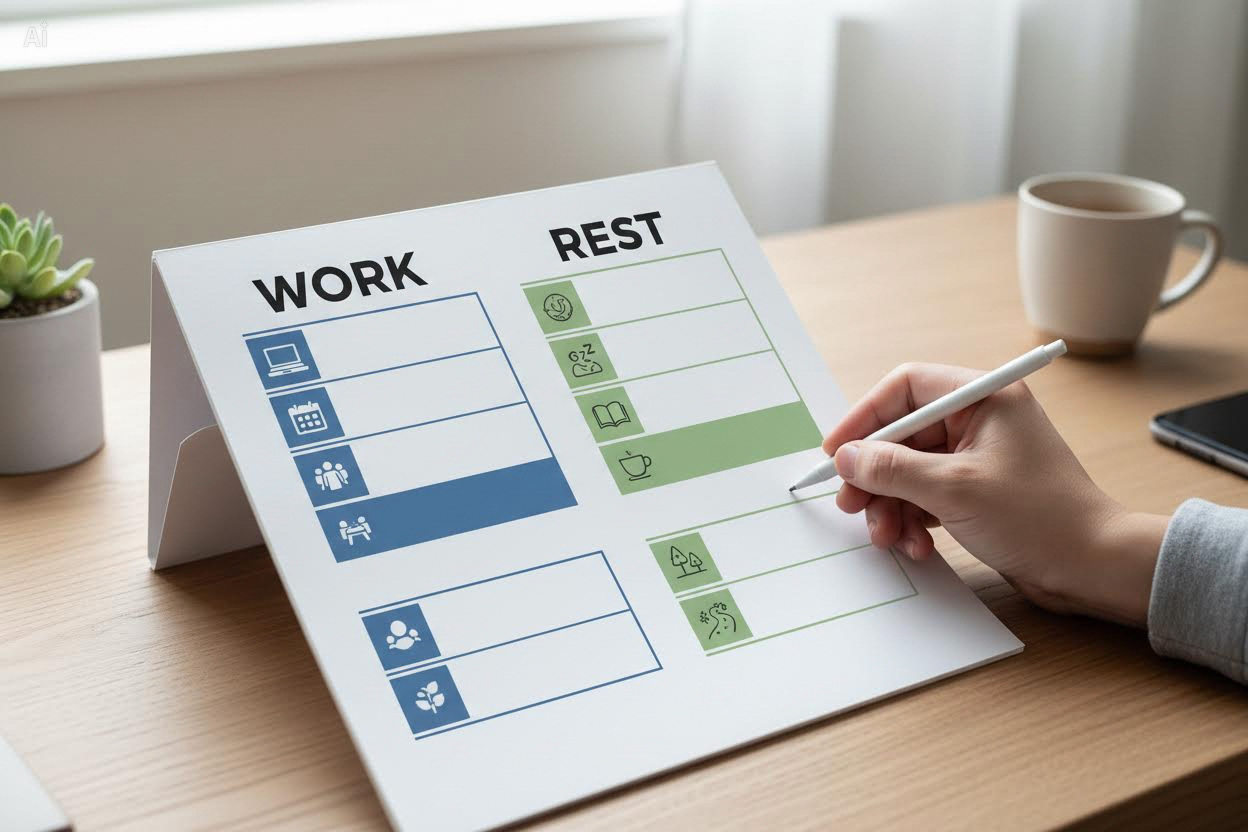
To truly achieve balance, it is imperative to treat rest not as an afterthought but as a non-negotiable component of your schedule, just like important work tasks.
Why Rest Must Be Planned, Not Optional
In a world that often glorifies constant busyness, understanding that rest must be a planned, non-negotiable activity, rather than an optional luxury, is crucial for preventing burnout.
Just as you allocate specific times for meetings, deadlines, or project work, scheduling dedicated time for relaxation ensures that your mind and body receive the necessary opportunities to recharge. Without this intentional planning, rest periods are often sacrificed in favor of an ever-growing to-do list, leading to chronic fatigue and diminishing productivity levels.
Prioritizing rest by formally blocking it out in your calendar reinforces its importance and helps maintain your overall well-being and ability to sustain performance, making time for rest essential and productive.
Building Daily, Weekly, and Monthly Recovery Time
Effective self-care requires a multi-layered approach to recovery, encompassing daily, weekly, and monthly scheduled rest periods to ensure comprehensive rejuvenation and prevent feeling overwhelmed.
Daily recovery might include short breaks, a calming evening routine, or sufficient sleep. For longer recovery periods, consider the following:
- Weekly recovery could involve a full day off from work or engaging in hobbies that facilitate relaxation and help in balancing work.
- Monthly recovery might mean a long weekend getaway or a “digital detox” to fully disconnect.
By incorporating these varied rest periods, you provide your mind and body with ample opportunities to fully recharge, mitigate stress, and maintain a healthy work-life balance, fostering sustainable productivity and a resilient approach to your work and personal life.
Strategy #4: Learn the Different Types of Rest
To effectively combat fatigue and burnout, it’s vital to understand that rest isn’t monolithic; various types of rest address distinct forms of depletion.

Physical, Mental, Emotional, and Digital Rest Explained
To effectively achieve a complete state of rest, it’s essential to differentiate between the various forms: physical, mental, emotional, and digital, each addressing a specific type of depletion.
Physical rest involves active and passive restoration for your body, like sleeping or stretching. Mental rest means quieting your overactive thoughts through meditation or journaling. Emotional rest addresses the fatigue from managing feelings, often through setting boundaries or healthy expression.
Digital rest involves disconnecting from screens and constant notifications, freeing your mind from constant stimulation. Recognizing these distinct needs allows for a more targeted and effective approach to self-care, ensuring that you adequately recharge all aspects of your mind and body, promoting a healthy work-life balance and boosting productivity by making rest productive.
How Each Type of Rest Prevents Burnout
Each distinct type of rest plays a crucial and specific role in preventing burnout by addressing the particular sources of depletion that contribute to feeling overwhelmed and exhausted.
Physical rest prevents bodily fatigue and improves overall energy levels, while mental rest reduces cognitive overload and enhances focus. Emotional rest helps process and release pent-up feelings, preventing emotional exhaustion.
Digital rest mitigates the constant stimulation and information overload from screens, reducing mental clutter and improving clarity. By consciously integrating all these forms of rest into your routine, you proactively combat the multifaceted nature of burnout, ensuring that your mind and body are consistently rejuvenated, thereby maintaining high productivity levels and fostering profound self-care in your work and personal life.
Strategy #5: Create a Healthy Digital Environment
In our hyper-connected world, intentionally crafting a healthy digital environment is fundamental to preventing overload and preserving mental well-being.

Managing Notifications and Screen Overload
Effective self-care in the digital age necessitates actively managing notifications and combating screen overload, which are significant contributors to mental fatigue and diminished focus.
Constant pings and an always-on digital presence create a state of perpetual alertness, preventing your mind from truly resting and making it difficult to engage in deep work. By strategically disabling non-essential notifications, scheduling specific times to check emails and messages, and taking regular breaks from screens, you can significantly reduce cognitive interruptions and reclaim your mental space.
This intentional reduction of digital noise allows your mind to concentrate more effectively, reduces feelings of being overwhelmed, and ultimately helps in balancing work and personal life by making time for rest, improving overall productivity.
Reducing Social Media Fatigue and Mental Clutter
Proactively reducing social media fatigue and the associated mental clutter is a vital component of creating a healthy digital environment and protecting your mental well-being.
Endless scrolling and constant exposure to curated online content can lead to comparison, anxiety, and a fragmented sense of self, creating a pervasive feeling of being overwhelmed and draining your mental energy. Setting clear boundaries for social media usage, such as specific time limits or designated “unplugged” periods, can significantly alleviate this burden.
By consciously curating your digital consumption and reducing unnecessary mental input, you free up cognitive resources, enhance your focus, and improve your ability to fully recharge, ultimately boosting productivity and promoting greater overall balance and self-care in your daily life, making rest productive.
Strategy #6: Build a Realistic Daily Routine That Supports Balance
Developing a realistic daily routine that intentionally integrates both productive work and essential rest is fundamental to sustaining energy and preventing burnout.

Structuring Work Blocks and Breaks Effectively
Structuring your day into defined work blocks interspersed with deliberate breaks is a cornerstone of effective time management and a proactive approach to prevent feeling overwhelmed, optimizing your overall productivity levels.
Instead of continuous working, dedicate specific time segments for focused tasks, and crucially, follow them with scheduled periods for relaxation. For example, using methods like the Pomodoro Technique can help maintain high levels of concentration during work periods and ensure you take adequate time for rest.
This structured approach helps in balancing work intensity with necessary downtime, ensuring that your mind and body can recharge effectively, ultimately boosting productivity and contributing to a healthier work-life balance. Prioritizing rest within this framework is paramount.
Designing a Calming Evening Wind-Down Routine
A calming evening wind-down routine is an indispensable self-care practice that signals to your mind and body that it’s time to transition away from work mode, preparing you for restorative sleep and preventing burnout.
This routine should involve activities that promote relaxation and reduce stimulation, such as reading a physical book, taking a warm bath, or engaging in light stretching, all of which help you disconnect from the day’s hustle.
Avoiding screens and demanding mental tasks in the hour or two before bed can significantly improve sleep quality and ensure that your mind has enough time to rest, fully recharging for the next day. This intentional time for rest is crucial for maintaining your energy levels and overall well-being.
Strategy #7: Protect Your Sleep as Your Main Recovery Tool
Prioritizing and protecting your sleep is arguably the single most important strategy for overall recovery, directly impacting your productivity and resilience against burnout.

How Sleep Affects Productivity and Emotional Stability
Sleep is not merely a period of inactivity; it’s a vital biological process profoundly impacting your productivity levels, cognitive function, and emotional stability throughout your waking hours, being a critical component of balancing work and rest.
During sleep, your brain consolidates memories, processes information, and clears waste products, all of which are essential for sharp focus, creative problem-solving, and efficient decision-making.
Insufficient or poor-quality sleep, on the other hand, leads to decreased concentration, impaired judgment, increased irritability, and a greater susceptibility to feeling overwhelmed, accelerating the path to burnout.
Ensuring enough rest is a non-negotiable aspect of self-care that directly enhances your ability to perform effectively and maintain a healthy emotional state, making time for rest incredibly productive.
Simple Habits for Better Sleep Quality
Cultivating simple yet effective habits can significantly enhance your sleep quality, providing your mind and body with the essential time to rest and fully recharge, directly preventing burnout.
Establishing a consistent sleep schedule, even on weekends, helps regulate your body’s natural circadian rhythm. Creating a cool, dark, and quiet sleep environment, and avoiding caffeine and heavy meals close to bedtime, are also crucial steps. Incorporating relaxing activities into your evening wind-down routine further prepares you for restful sleep.
These self-care practices ensure that your body gets the deep, restorative rest it needs, bolstering your resilience, boosting productivity, and ensuring you have the energy to tackle your to-do list without feeling overwhelmed by the daily hustle.
How to Maintain Balance in High-Stress Periods
During periods of heightened pressure, maintaining your work-life balance becomes even more critical to prevent burnout, requiring intentional adjustments and proactive strategies.
Adjusting Workload Without Losing Progress
Navigating high-stress periods demands a strategic approach to adjusting your workload, ensuring you prevent burnout without sacrificing essential progress towards your goals, thereby maintaining productivity levels.
This involves ruthless prioritization, identifying the absolute non-negotiable tasks, and temporarily delegating or deferring less critical items on your to-do list. It also means communicating transparently with colleagues or clients about your capacity and potential adjustments to timelines.
Rather than pushing through until you feel overwhelmed, intentionally reducing your load where possible, and taking time for rest, preserves your energy and focus for what truly matters, allowing you to sustain productivity and achieve the perfect balance between work and rest. This proactive self-care prevents the escalation of stress.
Preventing Burnout During Deadlines or Busy Seasons
Preventing burnout during intense deadlines or busy seasons requires a heightened awareness of your energy levels and a strategic commitment to self-care, ensuring you can sustain productivity.
It’s crucial to proactively schedule short, restorative breaks throughout the day, even if they’re only five minutes long, to allow your mind and body to briefly recharge. Doubling down on your evening wind-down routine and protecting your sleep becomes even more vital, as quality rest is your primary defense against feeling overwhelmed.
While the hustle may be intense, remembering the importance of rest and integrating these non-negotiable rest periods will help you navigate these challenging times without succumbing to exhaustion, allowing you to meet deadlines while maintaining your well-being and productivity and self-care.
Common Myths About Productivity and Rest
Dispelling prevalent myths about productivity and rest is essential for fostering a healthier, more sustainable approach to work and achieving a genuine work-life balance.
“Rest Is Laziness” and Other Harmful Beliefs
The pervasive misconception that “rest is laziness” is a particularly harmful belief that actively contributes to burnout, undermining the critical importance of rest in achieving sustainable productivity.
This mindset, deeply rooted in hustle culture, often shames individuals for taking time to rest, equating constant busyness with moral virtue and high output. In reality, adequate rest is a fundamental biological necessity that enhances cognitive function, creativity, and problem-solving abilities.
Embracing self-care and recognizing that planned rest periods are productive investments in your energy and focus is crucial for overcoming this detrimental belief and achieving the perfect balance between work and personal life without constantly feeling overwhelmed by the relentless pursuit of productivity.
Why Constant Hustle Actually Reduces Output
The belief that constant hustle and ceaseless working lead to superior output is a dangerous myth, as prolonged effort without adequate rest periods demonstrably reduces overall productivity and can cause burnout.
While an initial surge in effort might yield short-term gains, sustained periods of intense work without time for rest inevitably lead to mental fatigue, decreased focus, increased errors, and diminished creativity. The mind and body require regular opportunities to recharge and recuperate to function at their best.
Prioritizing rest is not a sacrifice of productivity but a strategic investment that allows for higher quality work, more innovative thinking, and a sustainable career trajectory, demonstrating that the perfect balance between work and rest is the true path to consistent, high-level output without feeling overwhelmed.
Long-Term Benefits of Balanced Productivity
Embracing a balanced approach to productivity and self-care yields profound long-term benefits, enhancing not just your professional life but your overall well-being and preventing burnout.
Improved Focus, Creativity, and Decision-Making
One of the most significant long-term benefits of achieving a healthy balance between work and rest is a marked improvement in focus, heightened creativity, and sharper decision-making abilities, significantly boosting overall productivity.
When you consistently prioritize rest and engage in self-care, your mind is clearer, less prone to fatigue, and better equipped to handle complex tasks without feeling overwhelmed. This allows for sustained concentration, enabling deeper work and more innovative thinking, which are critical for problem-solving and generating new ideas.
Furthermore, a well-rested mind makes more rational and effective decisions, reducing errors and improving overall performance, proving that taking time to rest is productive and essential for cognitive excellence.
Better Physical Health and Emotional Stability
Cultivating a lifestyle that values both productivity and self-care leads to profound long-term benefits for both your physical health and emotional stability, effectively mitigating the risk of burnout.
Consistent time for rest and relaxation reduces chronic stress, which can positively impact your immune system, lower blood pressure, and improve sleep quality, all contributing to better physical well-being.
Emotionally, a balanced approach fosters greater resilience, reduces feelings of being overwhelmed, and cultivates a more positive outlook, making you less susceptible to anxiety and irritability.
This holistic self-care ensures that your mind and body are healthy, enabling you to manage the demands of the hustle effectively while maintaining your overall happiness and ensuring a sustainable work-life balance.
Sustainable Career Growth Without Burnout
Perhaps the most transformative long-term benefit of finding the perfect balance between work and rest is the ability to achieve sustainable career growth without falling prey to the destructive cycle of burnout.
By consistently prioritizing rest, practicing self-care, and maintaining a healthy work-life balance, you ensure that your energy, passion, and creativity remain intact over the course of your professional journey. This allows for consistent performance, continuous learning, and adaptability, which are essential for long-term advancement.
Instead of cycles of intense hustle followed by exhaustion, a balanced approach fosters steady progress, resilience, and genuine job satisfaction, proving that making time for rest is not a detriment but the foundation for enduring success and optimal productivity, safeguarding your mental and physical health.
Conclusion: Building a Life That Works With You, Not Against You
Balancing productivity and rest isn’t about perfection—it’s about designing routines and habits that support both focused work and genuine recovery. When you intentionally plan for productivity windows and restorative breaks, you create momentum without burning out.
Focus on small, sustainable changes: set clear priorities, time-block work and rest, enforce boundaries, and tune your environment to reduce friction. Use metrics that matter to you (energy, progress, satisfaction) rather than chasing constant busyness.
- Schedule rest like an essential task.
- Optimize peak-energy periods for deep work and low-energy times for recovery or simple tasks.
- Practice micro-rests (short breaks, movement, breath) to maintain focus throughout the day.
- Reflect weekly and adjust your plan so your routine evolves with your needs.
Ultimately, building a life that works with you means treating productivity and rest as complementary allies. When they coexist intentionally, you’ll produce better work, feel healthier, and enjoy more sustainable progress.