



Do you often feel like your body is working against you? Are you struggling with unexplained fatigue, mood swings, or weight gain? The key to unlocking better energy, mood, and overall wellness might just lie in understanding and balancing your hormones naturally.
Why Hormone Balance Is Crucial for Overall Health
Hormone balance is fundamental to overall health because hormones are involved in nearly every bodily process. Hormones are chemical messengers that travel through the bloodstream to tissues and organs. They affect and regulate various processes, including metabolism, growth, reproduction, and mood.


The Role of Hormones in Energy, Mood, and Metabolism
Hormones are chemical messengers that profoundly influence our daily energy levels, emotional state, and metabolic rate. When hormones work in harmony, they ensure that the body’s systems function smoothly. Any hormonal imbalance, such as problems with insulin, thyroid hormone, or cortisol, can disrupt these vital functions.
Common Signs of Hormonal Imbalance
Recognizing the signs of a hormone imbalance is the first step towards addressing it. Symptoms of a hormonal imbalance can manifest in various ways, including:
- Unexplained weight gain
- Persistent fatigue
- Mood swings
- Acne
- Hair loss
- Irregular periods
These symptoms indicate that one or more hormones are not functioning correctly.
How Lifestyle Influences Hormonal Health
Our daily lifestyle choices significantly impact our hormonal health. Factors such as diet, exercise, sleep, and stress levels can either support or disrupt hormone production and regulation. Understanding how these elements interact is crucial in taking steps to help balance your hormones and improve your hormonal health.
Nutrition Strategies to Support Hormonal Balance
A balanced diet plays a pivotal role in maintaining hormonal balance. Nutrients from food provide the building blocks for hormone production, helping to regulate hormones and ensuring that hormone levels remain stable. Prioritizing certain foods and limiting others can significantly improve hormonal health.

Protein for Hormone Production: Sources and Benefits
Protein is essential for hormone production. It provides the necessary amino acids that the body uses to synthesize peptide hormones and sex hormones, such as estrogen and progesterone. Including sources of protein in a healthy diet aids in maintaining hormone balance, influencing metabolism and overall hormonal health.
Healthy Fats for Sex Hormones and Metabolic Health
Healthy fats are crucial for the synthesis of sex hormones and play a significant role in metabolic health. These fats, including omega-3 fatty acids and monounsaturated fats, support the production of estrogen and progesterone, helping to balance hormones and regulate bodily functions.
Fiber-Rich Foods to Support Estrogen and Insulin Balance
Fiber-rich foods are essential for supporting estrogen and insulin balance. Fiber helps regulate insulin sensitivity, preventing insulin resistance, which can disrupt hormonal health. Additionally, fiber aids in the metabolism of estrogen, helping to maintain appropriate estrogen levels in the body.

Limiting Sugar, Processed Foods, and Endocrine Disruptors
Limiting the intake of sugar and processed foods is vital for hormonal health because they can disrupt hormone balance and contribute to health conditions like insulin resistance and obesity. Moreover, processed foods often contain endocrine disruptors, which are chemicals that can interfere with hormone function.
The Role of Phytoestrogens and Superfoods
Phytoestrogens can mimic the effects of estrogen in the body, helping to balance hormones and alleviate symptoms of hormonal imbalance, especially during menopause. Superfoods, rich in antioxidants and essential nutrients, support overall hormonal health by promoting cellular function.
Exercise and Physical Activity for Hormone Health
Regular exercise and physical activity are cornerstones of hormonal health. Different types of exercise can influence various hormones, making a well-rounded approach beneficial. Whether it’s strength training or cardio, staying active plays a crucial role in maintaining hormone balance.

Strength Training for Testosterone and Growth Hormone
Strength training is particularly effective for boosting testosterone and growth hormone levels. These hormones are essential for muscle mass, bone density, and overall vitality. Incorporating regular strength training into your routine can help balance your hormones, improve energy levels, and enhance physical performance.
Cardio and Endurance Exercise for Insulin Sensitivity
Cardio and endurance exercises are excellent for improving insulin sensitivity. Regular cardiovascular activity helps regulate insulin levels, preventing insulin resistance and promoting better hormone balance. Activities like running, cycling, and swimming can enhance your body’s ability to use insulin efficiently.
Avoiding Overtraining: Managing Cortisol and Adrenal Health
While exercise is beneficial, avoiding overtraining is essential to manage cortisol and adrenal health. Overtraining can lead to chronic stress, elevating cortisol levels and disrupting hormone balance. Balancing intense workouts with adequate rest and recovery is crucial for maintaining overall hormonal health and preventing adrenal fatigue.
Sleep and Recovery: The Hormone Reset Pillar
Sleep and recovery are critical for maintaining hormone balance. During sleep, your body works to repair and regulate various hormonal functions. A lack of sleep can disrupt this process, leading to hormone imbalance. Prioritizing sleep can significantly impact hormones and overall well-being.
How Poor Sleep Affects Cortisol, Leptin, and Ghrelin
Poor sleep profoundly affects key hormones like cortisol, leptin, and ghrelin. Sleep deprivation elevates cortisol levels, the stress hormone, while disrupting leptin and ghrelin, which regulate appetite. This hormonal imbalance can lead to increased cravings, weight gain, and metabolic dysfunction.
Tips for Improving Sleep Quality Naturally
Improving sleep quality naturally involves several key strategies, including:
- Creating a consistent sleep schedule
- Optimizing your sleep environment
- Practicing relaxation techniques
Reducing screen time before bed, avoiding caffeine and alcohol in the evening, and ensuring a dark, quiet, and cool bedroom can significantly improve sleep and support healthy hormone balance.
Stress Management and Mental Wellbeing
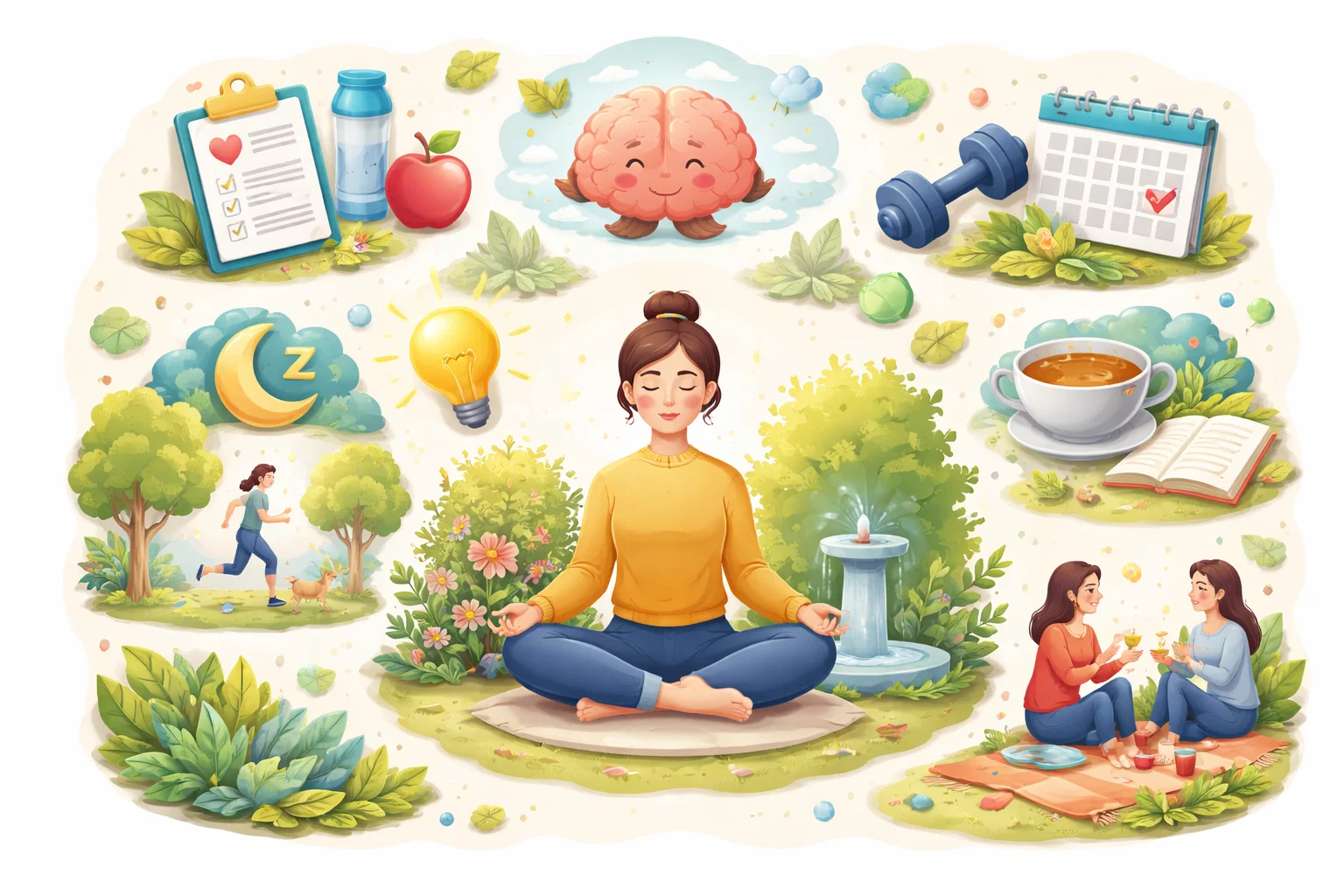
Managing stress and promoting mental wellbeing are vital for hormonal health. Chronic stress can disrupt hormone balance, leading to a variety of health issues. Incorporating stress-reduction techniques into your daily routine can help regulate hormones and improve overall wellbeing.
The Impact of Chronic Stress on Hormonal Balance
Chronic stress has a significant impact on hormonal balance, particularly elevating cortisol levels. Elevated cortisol can disrupt other hormones, such as insulin, thyroid hormone, and sex hormones. Over time, this hormone imbalance can lead to weight gain, mood disorders, and other hormone-related health problems.
Stress-Reduction Techniques: Meditation, Yoga, and Mindfulness
Stress-reduction techniques like meditation, yoga, and mindfulness can effectively lower cortisol levels and promote hormone balance. Regular practice of these techniques helps regulate the nervous system, reducing the body’s stress response and supporting healthy hormone production. These techniques are beneficial to improve your hormonal health.
Lifestyle Practices to Support Long-Term Hormonal Health
Adopting lifestyle practices that promote relaxation, such as spending time in nature, engaging in hobbies, and fostering positive relationships, can significantly support long-term hormonal health. These practices help manage stress, reduce cortisol levels, and create a balanced hormonal environment.
Supplements and Natural Support for Hormones
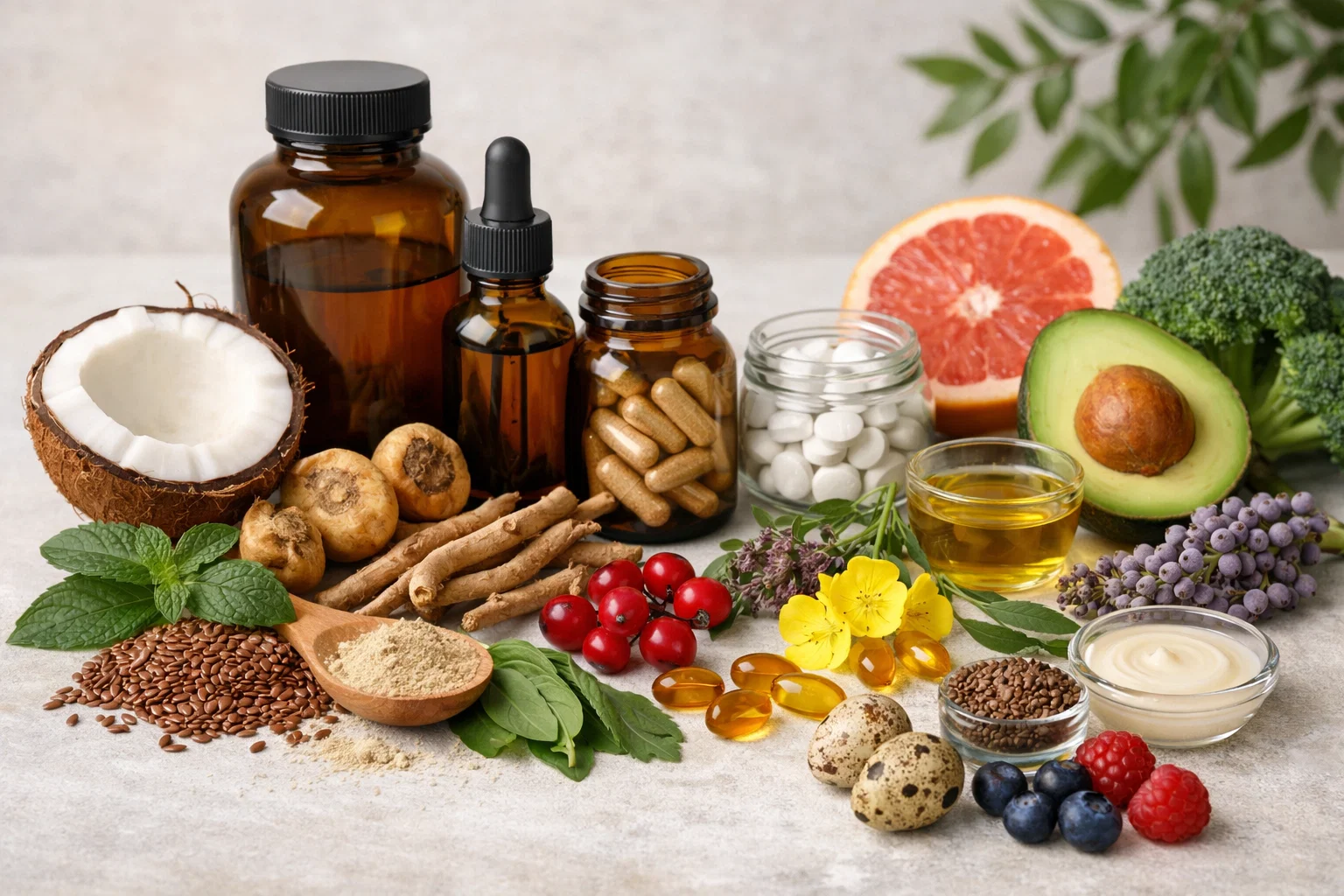
Certain supplements can provide natural support for hormones. Vitamins, minerals, omega-3 fatty acids, and probiotics can play a role in maintaining hormonal balance. However, it’s essential to approach supplementation with guidance and consider individual needs and potential interactions, especially during menopause.
Vitamins and Minerals: Vitamin D, Magnesium, and Zinc
Vitamins and minerals like vitamin D, magnesium, and zinc are crucial for hormone balance. Vitamin D supports hormone production and immune function. Magnesium helps regulate cortisol and insulin. Zinc is essential for thyroid hormone production and reproductive health. Ensuring adequate intake of these nutrients can optimize hormone levels.
Omega-3 Fatty Acids for Anti-Inflammatory Support
Omega-3 fatty acids provide anti-inflammatory support and benefit hormone health. These healthy fats help reduce inflammation, which can disrupt hormone function. They also support the production of hormones and improve insulin sensitivity.
Probiotics and Gut Health’s Influence on Hormones
Probiotics and gut health significantly influence hormones, particularly estrogen. A healthy gut microbiome helps regulate estrogen metabolism and eliminate excess estrogen from the body. Imbalances in gut bacteria can disrupt this process, leading to hormone imbalance and potentially causing conditions like PCOS.
When to Consider Professional Guidance for Supplementation
Considering professional guidance for supplementation is essential to ensure safety and efficacy. Consulting with a healthcare provider or registered dietitian can help determine the appropriate supplements and dosages based on individual needs. Self-treating can sometimes worsen a hormonal imbalance.
Environmental Factors Affecting Hormone Balance
Environmental factors significantly affect hormone balance. Exposure to endocrine-disrupting chemicals can interfere with hormone function and lead to hormonal imbalance. Reducing exposure to these chemicals and adopting detox practices can support hormone health.

Reducing Exposure to Endocrine-Disrupting Chemicals (BPA, Parabens, Phthalates)
Reducing exposure to endocrine-disrupting chemicals is crucial for maintaining hormone balance. These chemicals can mimic or block natural hormones, leading to various health issues. Choosing products that are free from these substances can help protect your hormonal health.
How Detox and Clean-Living Practices Can Support Hormones
Detox and clean-living practices can support hormone balance. These practices help reduce the body’s toxic load, allowing hormones to function more effectively. These healthy lifestyle choices have positive effect on hormone levels.
Hormonal Balance Across Life Stages
Balancing Hormones in Your 20s and 30s
During your 20s and 30s, maintaining hormone balance is crucial for reproductive health, energy levels, and overall wellbeing. Hormonal fluctuations can affect fertility, menstrual cycles, and mood. A healthy diet, regular exercise, and stress management are key to naturally balance hormones during these formative years and optimize hormonal health, preventing hormonal imbalance that can lead to acne and weight gain.

Menopause, Perimenopause, and Age-Related Hormonal Changes
Menopause and perimenopause bring significant hormonal changes, particularly a decline in estrogen levels. These hormonal changes can lead to symptoms like hot flashes, mood swings, and sleep disturbances. Strategies to manage these changes include a balanced diet, regular exercise, stress reduction, and, in some cases, hormone replacement therapy to help balance your hormones and alleviating menopause symptoms.
Hormone Support Strategies for Men and Women
Hormone support strategies differ for men and women due to variations in physiology and hormone production. Men may focus on maintaining testosterone levels through strength training and a diet rich in zinc and vitamin D. Women often benefit from strategies that support estrogen balance, such as consuming phytoestrogens and managing stress to help balance hormones and improve overall hormonal health.
Practical Daily Routine for Hormone Health
Morning, Midday, and Evening Practices to Support Hormones
Here’s how a structured daily routine can help you maintain hormonal balance. Consider incorporating these elements into your day:
- Morning: A protein-rich breakfast and exposure to sunlight to regulate cortisol.
- Midday: A balanced meal with healthy fats and fiber.
- Evening: Relaxation techniques and creating a sleep-promoting environment.
These practices can contribute to optimal hormonal balance.
Meal Planning, Exercise, and Sleep Integration
Integrating meal planning, exercise, and sleep is essential for hormone health. Plan meals with adequate protein, healthy fats, and fiber to support hormone production. Schedule regular exercise, avoiding overtraining. Prioritize sleep by creating a consistent sleep schedule and optimizing your sleep environment.
Monitoring Symptoms and Adjusting Lifestyle Choices
Monitoring symptoms and adjusting lifestyle choices is crucial for maintaining hormone balance. Keep track of any hormonal changes, such as mood swings, fatigue, or changes in weight or hair loss. Adjust your diet, exercise routine, and stress management techniques based on these symptoms.
Common Myths About Hormonal Health
“All Hormones Must Be Supplemented” Myth
The myth that all hormones must be supplemented is false. While some individuals may benefit from supplements under professional guidance, many can achieve hormone balance through lifestyle adjustments, including a healthy diet, regular exercise, and stress management. Supplementation should be considered on a case-by-case basis.
“Only Women Need to Worry About Hormones” Myth
The myth that only women need to worry about hormones is incorrect. Men also experience hormonal imbalances that can impact their health, including testosterone deficiency and insulin resistance. Both men and women must focus on maintaining hormone balance through lifestyle choices and, when necessary, professional guidance.
Debunking Quick-Fix Solutions and Fad Diets
Quick-fix solutions and fad diets often promise rapid hormone balance but can be detrimental in the long run. These approaches can disrupt metabolism, lead to nutrient deficiencies, and exacerbate hormone imbalance. A sustainable, balanced approach that prioritizes whole foods, regular exercise, and stress management is far more effective.
Conclusion: Achieving Hormone Harmony Naturally
Achieving hormone harmony naturally involves adopting a holistic approach that integrates nutrition, exercise, sleep, stress management, and environmental awareness. By making conscious lifestyle choices, you can support your body’s natural ability to regulate hormones, leading to improved energy, mood, and overall wellbeing.