



Emotional availability is crucial for healthy relationships. If you’ve ever wondered about your emotional openness or capacity for intimacy, take our quiz. This isn’t a clinical diagnosis, but rather a tool for self-reflection to understand your ability to connect and sustain emotional bonds with others.
Why Emotional Availability Matters
What Is Emotional Availability, Really?
Emotional availability refers to the capacity to be present, accessible, and responsive in relationships. It means you are able to openly share your feelings and emotions without shutting down or emotionally detaching. This involves being reliable and trustworthy, fostering a deeper connection with your partner and loved ones.
Why It’s Essential for Healthy Relationships
Emotional availability is essential for fostering intimate relationships. When you are emotionally available, you can effectively navigate conflict and communicate openly, which leads to stronger bonds. Without emotional availability, relationships can struggle, leading to distance, emotional detachment, and even feelings of unavailability.


Signs You May Be Emotionally Available
You Can Name and Share Your Feelings
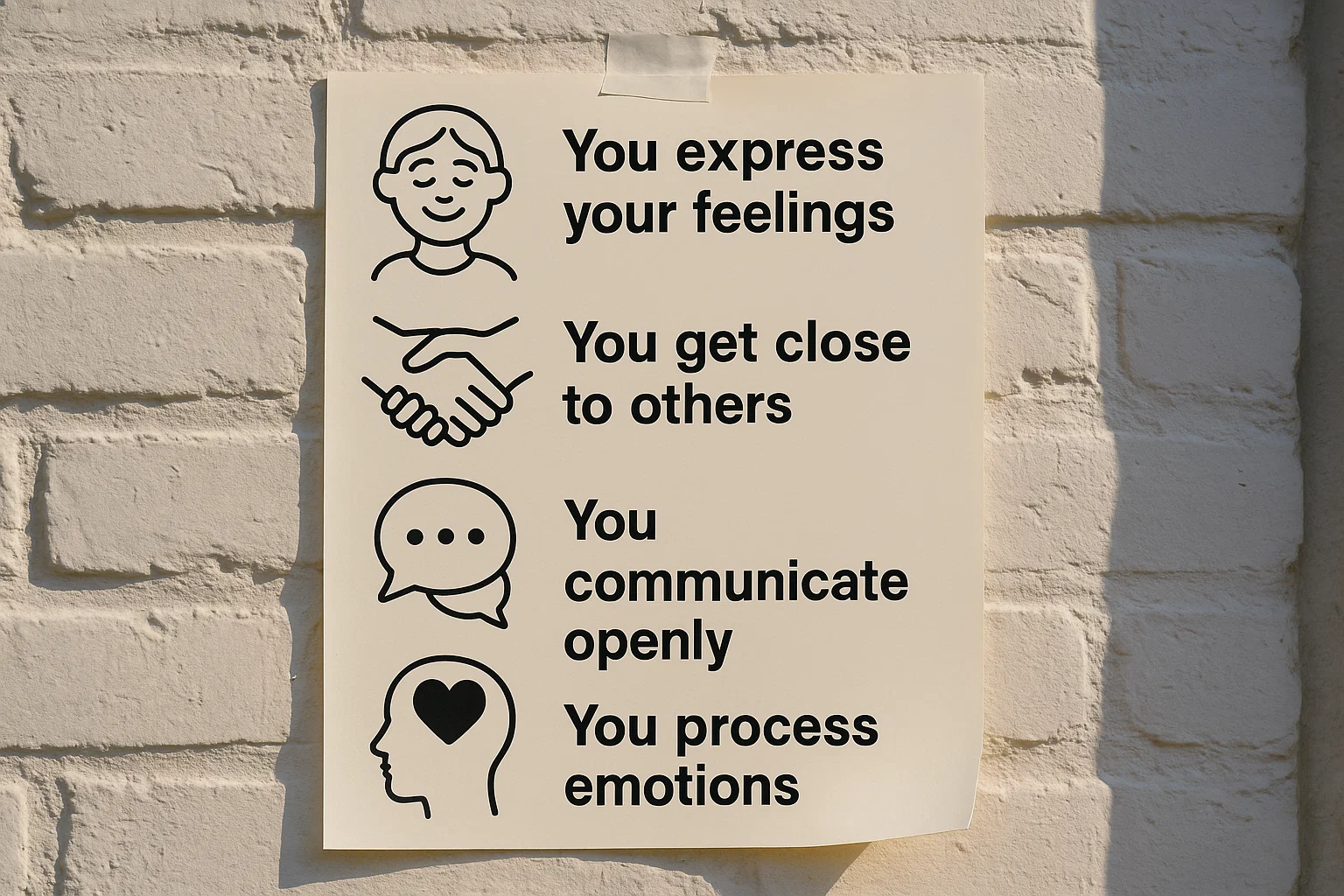
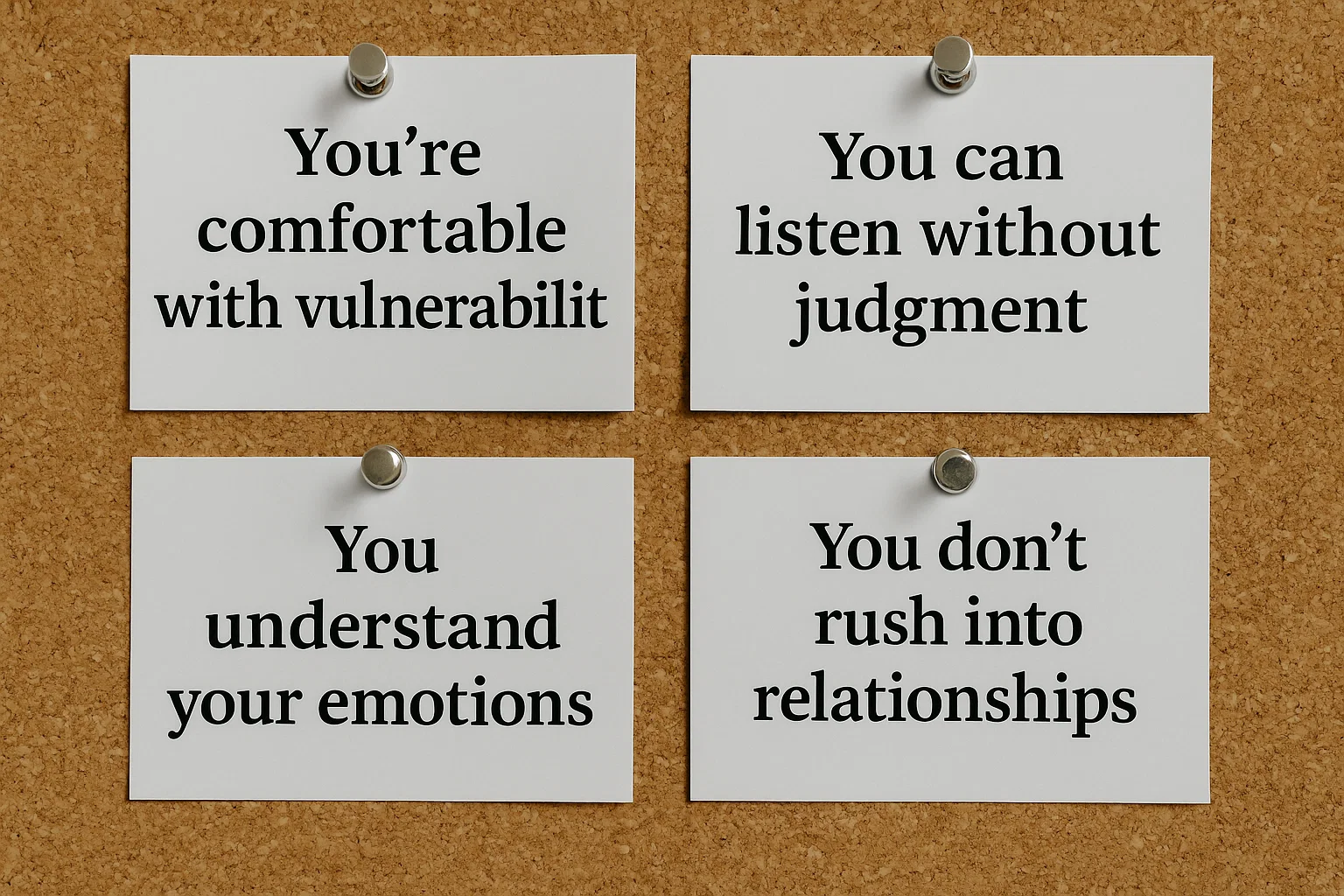
A key indicator of emotional availability is the ability to name and share your feelings. You are comfortable expressing your emotions openly, even when they are vulnerable or uncomfortable. You don’t avoid emotional conversations; instead, you actively engage in them, fostering deeper understanding and emotional intimacy with others.
You’re Comfortable with Vulnerability
If you’re emotionally available, you’re comfortable with vulnerability. You understand that being vulnerable allows for deeper connections and fosters trust within your relationships. Sharing your feelings openly, even when it feels risky, is something you do willingly, understanding that it helps deepen the emotional bond.
You Welcome Intimacy Without Fear
Emotionally available individuals welcome intimacy without fear. They can form deep connections and maintain commitment and trust. The idea of an intimate relationship doesn’t cause anxiety or cause one to isolate. Rather, they can sustain emotional bonds and express their emotions.
You Handle Conflict Without Shutting Down
Emotionally available people handle conflict constructively. They address issues openly and attempt to resolve them, rather than avoiding conflict or becoming distant. They can navigate the emotions of people involved and express their emotions openly.
Signs You Might Not Be Emotionally Available Yet
You Avoid Emotional Conversations
Avoiding emotional conversations can signal emotional unavailability. This avoidance could stem from a fear of vulnerability or an inability to express your feelings and emotions. It might also lead to emotional detachment in your relationships, causing distance between you and your loved ones.
You Push People Away When They Get Too Close
Pushing people away when they try to connect deeply indicates issues with emotional availability. This reaction could be a defense mechanism triggered by anxiety surrounding intimacy or commitment. This may leave your partner or friend feeling confused and feeling emotionally unavailable.

You’re Often Attracted to Emotionally Unavailable People
Attraction to emotionally unavailable partners can be a sign of your own struggles with emotional availability. This dynamic can reinforce a cycle of emotional distance and unmet needs. This might be a sign that you avoid emotional intimacy due to an unhealed mental or emotional issue, and you need a therapist or psychologist for advice.
The Quiz: Are You Emotionally Available?
How It Works: Answer Yes or No to Each Question
Take this emotional availability quiz to better understand your emotional openness. For each question, consider your experiences in relationships and answer honestly with either ‘Yes’ or ‘No’. This quiz is a tool for self-reflection, offering insight into your emotional availability. Your answers will help in understanding yourself and your emotional state.
10 Insightful Questions to Reveal Your Emotional Openness
The following ten questions are designed to provide a glimpse into your emotional openness and capacity for intimacy. Remember, this quiz is not a clinical diagnosis but rather a guide for emotional exploration. Answer each question thoughtfully, focusing on your typical reactions and patterns in your intimate and family relationships, and your dating life.
Interpreting Your Results
8–10 Yes Answers: You’re Emotionally Available
If you answered ‘Yes’ to eight or more questions, congratulations! You are generally emotionally available. You likely feel comfortable sharing your feelings and emotions openly, navigating conflict, and forming deep connections with others. You can sustain emotional bonds, you are a reliable partner, and people trust your emotional openness and health.
4–7 Yes Answers: You’re on the Way
A score of 4-7 ‘Yes’ answers indicates that you’re on the path to becoming more emotionally available. While you demonstrate some openness and willingness to connect, there may be areas where you struggle. Consider exploring these areas further and focusing on developing greater vulnerability and emotional intimacy in your romantic relationships.
0–3 Yes Answers: Time for Inner Work
If you answered ‘Yes’ to three or fewer questions, it might be time to focus on inner work to enhance your emotional availability. Inner work and therapy can help if you’re not emotionally available. This could involve addressing past trauma, exploring your feelings and emotions, or seeking professional advice. Therapy or journaling can be valuable tools for this journey of emotional self-reflection and mental health exploration.
How to Become More Emotionally Available
Acknowledge and Understand Your Past Emotional Wounds
Acknowledge past emotional wounds to become more emotionally available. This involves identifying any past trauma or experiences that may be affecting your ability to connect with others. Addressing these wounds is crucial for developing healthier patterns in your current and future relationships. This can be the key to your emotional and mental health.
Practice Naming and Expressing Your Emotions
Practice naming and expressing your emotions. Many people struggle with emotional expression, especially when it comes to vulnerable emotions. Using a feeling wheel or journaling can be helpful tools to identify and express one’s feelings. The best approach is to share your feelings openly with a trusted partner or therapist.
Get Comfortable with Vulnerability (Gradually)
Gradually get comfortable with vulnerability. You don’t have to share everything at once. Start by sharing small feelings and emotions with people you trust. This allows you to deepen connection and build trust without feeling overwhelmed. Over time, you’ll find it easier to share deeper feelings and emotions.
Consider Therapy or Journaling as a Tool for Growth
Therapy and journaling can help increase emotional availability. Therapy provides a safe space to explore your feelings and emotions, address past trauma, and develop healthier communication patterns. Journaling offers a private outlet to reflect on your experiences, process feelings, and gain insight into your emotional reactions. Both can help you become more emotionally available.
Emotional Availability in Relationships
What It Looks Like in Romantic Partnerships
Emotional availability in romantic partnerships means openness, trust, and mutual support. Partners feel safe sharing their feelings and emotions without fear of judgment. They are able to navigate conflict constructively and deepen their emotional bond. This also means being emotionally reliable, making a commitment, and fostering emotional intimacy in a sustainable and open manner.
How Friends & Family Are Affected by Your Emotional Openness
Emotional openness fosters deeper connections with loved ones. When you are emotionally available, you foster deeper connections with your loved ones. They feel more comfortable sharing their feelings and emotions with you. This emotional intimacy builds trust, strengthens bonds, and creates a more supportive and fulfilling dynamic for everyone involved in your family relationships.
Conclusion: Emotional Availability Is a Journey, Not a Trait
Emotional availability is a journey of self-discovery and growth. Cultivating emotional openness takes time and effort. It requires a willingness to be vulnerable, to explore your feelings and emotions, and to communicate honestly. It is a spectrum, so don’t be discouraged by challenges or setbacks.