


In the relentless pursuit of youthful, radiant skin, many turn to a myriad of anti-aging solutions. While some ingredients have long dominated the skincare landscape, a new powerhouse is emerging, garnering significant attention for its remarkable ability to rejuvenate and repair the skin at a fundamental level. This secret weapon, often overlooked, holds the key to unlocking a more youthful complexion.
Why Peptides Are Becoming the New Skincare Powerhouse

The Shift From Harsh Actives to Smart Skin-Repair Ingredients
The skincare industry is witnessing a significant paradigm shift, moving away from harsh active ingredients that sometimes cause irritation, towards smart, skin-repair ingredients like peptides. This evolution reflects a growing understanding of skin health, focusing on gentle yet effective anti-aging solutions that work in harmony with the body’s natural processes, promoting long-term wellness.
Why Most People Overlook Peptides in Anti-Aging Routines
Despite their immense potential, many individuals still overlook the benefits of peptides in their anti-aging routines. This oversight often stems from a lack of awareness regarding what peptides are and how these powerful short chains of amino acids function to improve skin health. Peptides are more than just building blocks; they are vital signaling molecules.
What Are Peptides? The Science Behind the Ingredient
Amino Acids and Protein Building Blocks Explained Simply
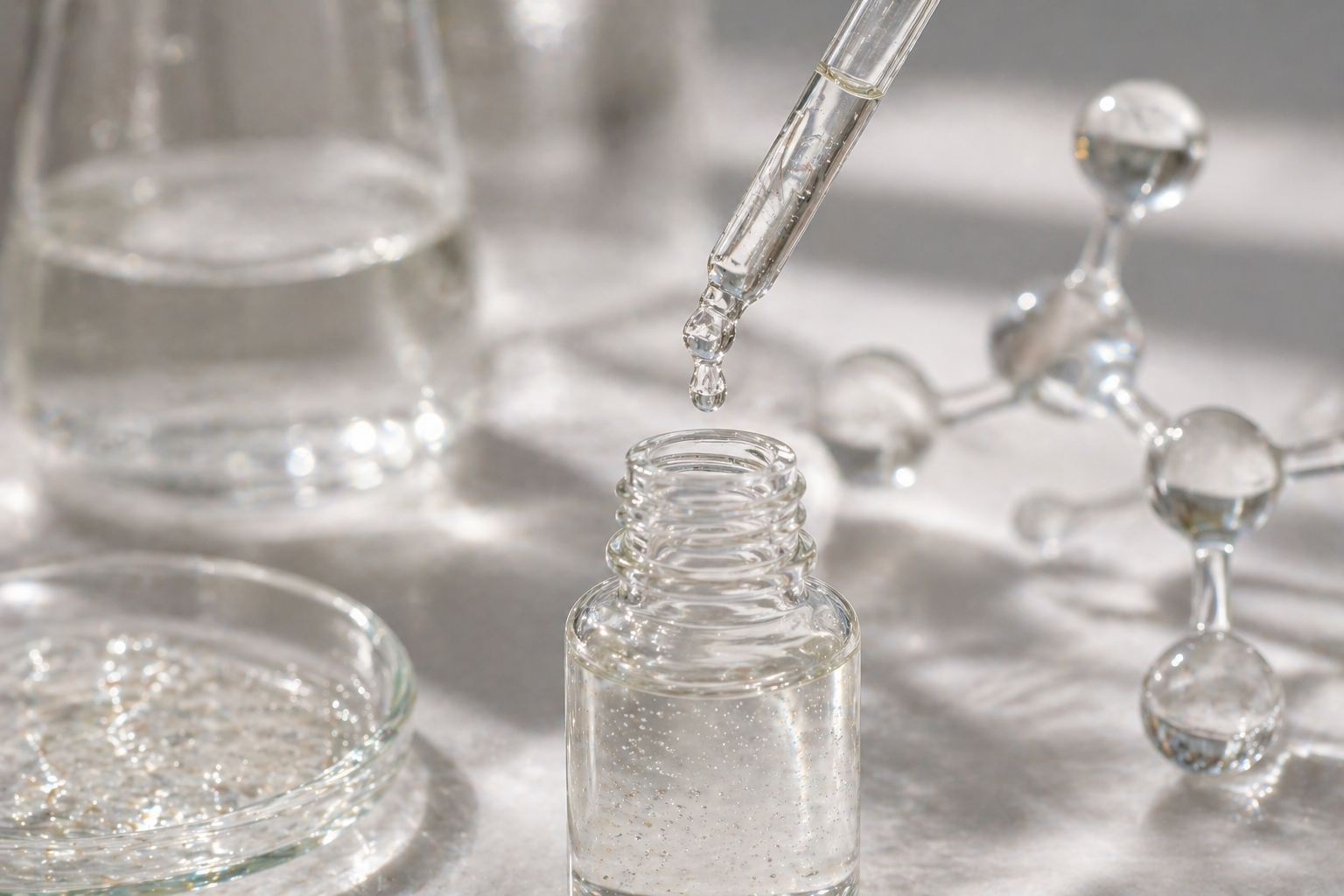
Peptides are essentially short chains of amino acids, the fundamental building blocks of protein. These smaller chains play crucial roles in various biological processes, acting as messengers to facilitate skin repair and regeneration.
| Molecule Type | Characteristic |
|---|---|
| Peptides | Smaller, easily penetrate skin barrier |
| Full Proteins (e.g., Collagen) | Very large molecules |
How Peptides Signal Your Skin to Repair Itself
Peptides act as vital communication molecules, signaling your skin cells to perform specific functions, such as stimulating collagen production or reducing inflammation. Different peptides send different signals, prompting the skin to repair damage, produce more essential proteins, and ultimately improve its overall health and appearance, making them crucial for anti-aging.
Why Collagen Breakdown Leads to Aging Skin
Collagen is the most abundant protein in the skin, providing its structural integrity, firmness, and elasticity. As we age, collagen breakdown accelerates due to various factors like UV exposure and environmental stressors. This decline in collagen leads to the visible signs of aging, including fine lines, wrinkles, and sagging skin, making its preservation and stimulation vital.
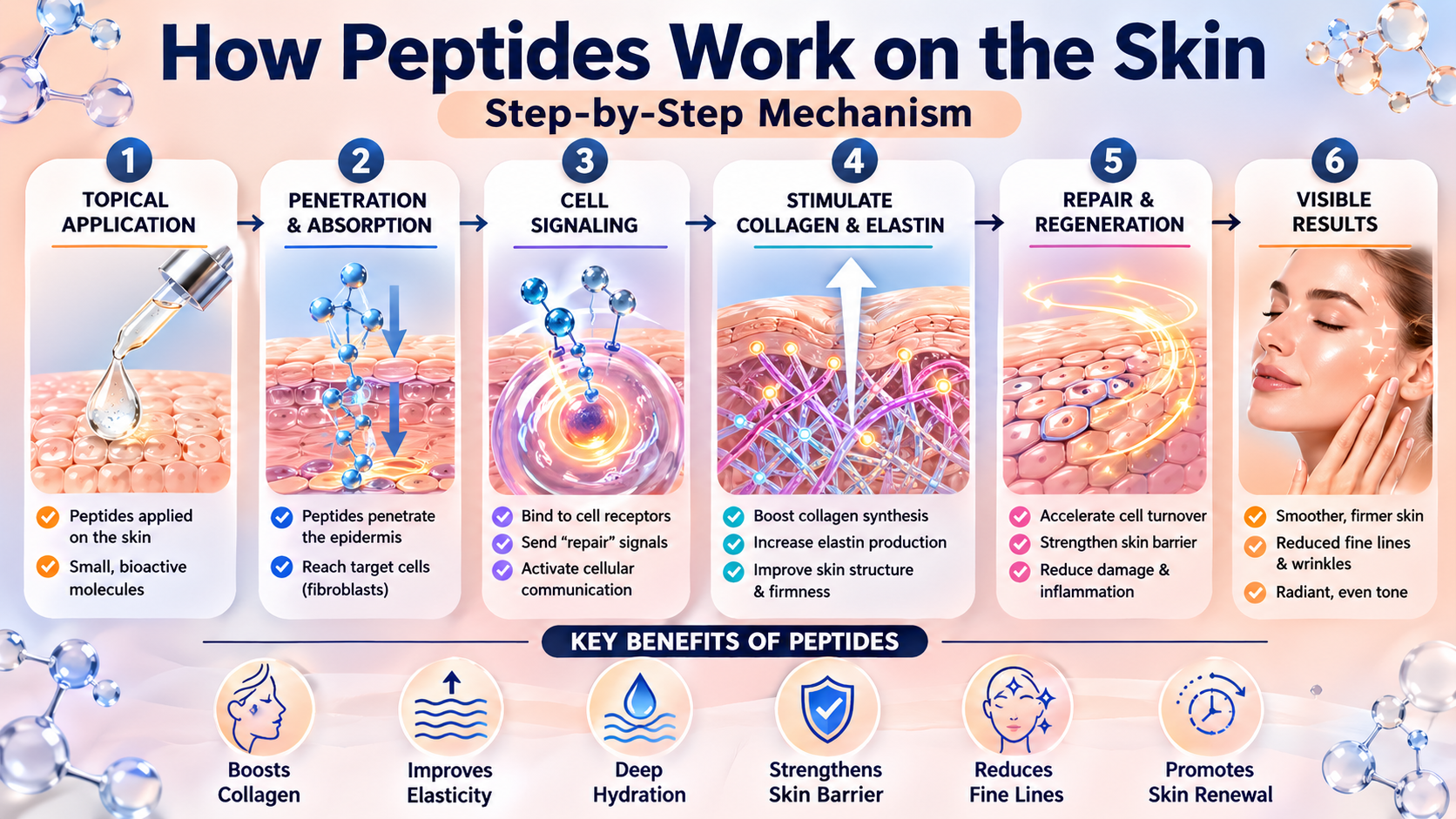
How Peptides Work on the Skin (Step-by-Step Mechanism)

Communication With Skin Cells and Collagen Production
Peptides work by communicating directly with skin cells, instructing them to increase collagen production, among other vital functions. These short chains of amino acids mimic natural signals within the body, effectively tricking the skin into thinking it needs to repair itself or produce more essential proteins, leading to improved skin density and firmness.
Repairing Damage at the Cellular Level
Certain peptides possess the remarkable ability to repair damage at the cellular level. They can help reduce inflammation, neutralize free radicals, and even enhance the skin’s natural repair mechanisms. This targeted action contributes significantly to the anti-aging process, addressing the root causes of skin degradation and promoting a healthier, more resilient complexion.
Strengthening the Skin Barrier Over Time
Regular use of peptides helps strengthen the skin barrier, which is crucial for maintaining overall skin health and protecting against environmental aggressors. A robust skin barrier retains moisture more effectively, reduces sensitivity, and presents a smoother, more even texture. This long-term fortification is a key benefit of incorporating peptides into your daily skincare routine.
Key Anti-Aging Benefits of Peptides

Reducing Fine Lines and Wrinkles Naturally
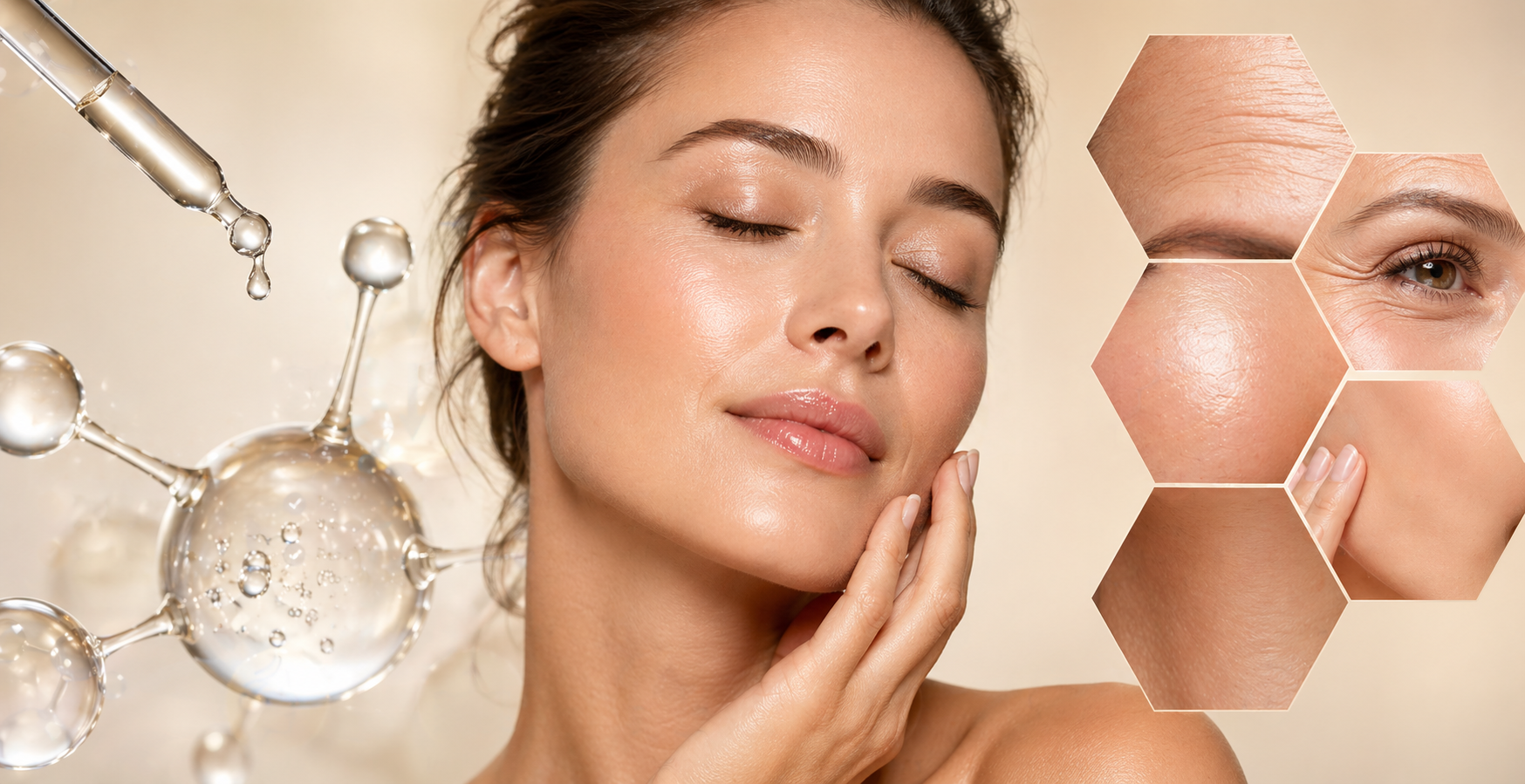
One of the primary anti-aging benefits of peptides is their remarkable ability to reduce the appearance of fine lines and wrinkles. By stimulating the natural production of collagen and elastin, peptides help to plump the skin, filling in existing lines and preventing new ones from forming. This contributes to a smoother, more youthful complexion, enhancing overall skin wellness.
Improving Firmness, Elasticity, and Skin Density
Peptides play a crucial role in improving the skin’s firmness, elasticity, and overall density. As we age, collagen production naturally declines, leading to sagging skin. Peptides signal the skin to produce more of this vital protein, strengthening its structure and restoring a more lifted and resilient appearance, which is a key aspect of anti-aging.
Enhancing Hydration and Skin Smoothness
Beyond structural improvements, certain peptides can significantly enhance skin hydration and smoothness. By supporting the skin barrier and its ability to retain moisture, peptides help maintain optimal hydration levels. This results in a softer, more supple texture and a visibly smoother surface, contributing to a radiant and healthy glow.
Types of Peptides Used in Skincare
Signal Peptides: Boosting Collagen Production
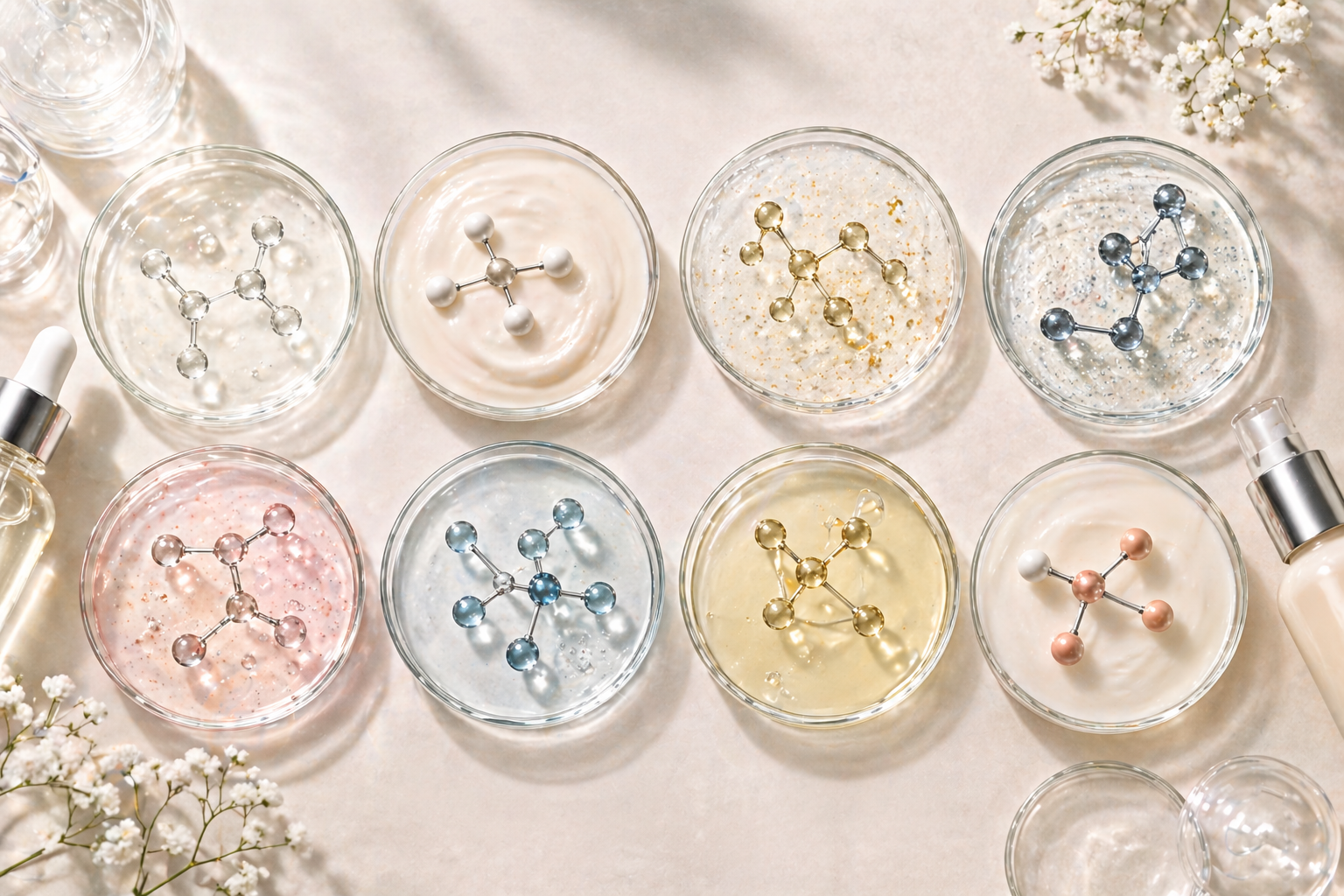
Signal peptides are a crucial type of peptide designed to communicate with skin cells, prompting them to increase collagen production. These short chains of amino acids mimic natural signals, effectively boosting the skin’s capacity to regenerate and repair itself, making them highly effective for anti-aging and improving skin density and firmness.
Carrier Peptides: Delivering Essential Nutrients
Carrier peptides, such as copper peptides, function by delivering essential trace elements like copper to the skin. These elements are vital for various enzymatic processes, including collagen synthesis and wound healing. By acting as a transport system, carrier peptides ensure that the skin receives the necessary nutrients for optimal repair and regeneration.
Enzyme-Inhibiting Peptides: Slowing Collagen Breakdown
Enzyme-inhibiting peptides work by interfering with the enzymes that naturally break down collagen and elastin in the skin. By slowing down this degradation process, these peptides help preserve the skin’s existing structural proteins, maintaining its firmness and elasticity. This protective action is invaluable for long-term anti-aging strategies.
Neuro-Peptides: Relaxing Facial Tension Appearance
Neuro-peptides, often referred to as “topical Botox,” work by temporarily relaxing the appearance of muscle contractions in the face. These specific peptides help to reduce the depth of expression lines and wrinkles caused by repetitive facial movements, offering a non-invasive way to achieve a smoother, more relaxed facial appearance, contributing to overall skin wellness.
Peptides vs Other Anti-Aging Ingredients
Peptides vs Retinol: Gentle Repair vs Cell Turnover
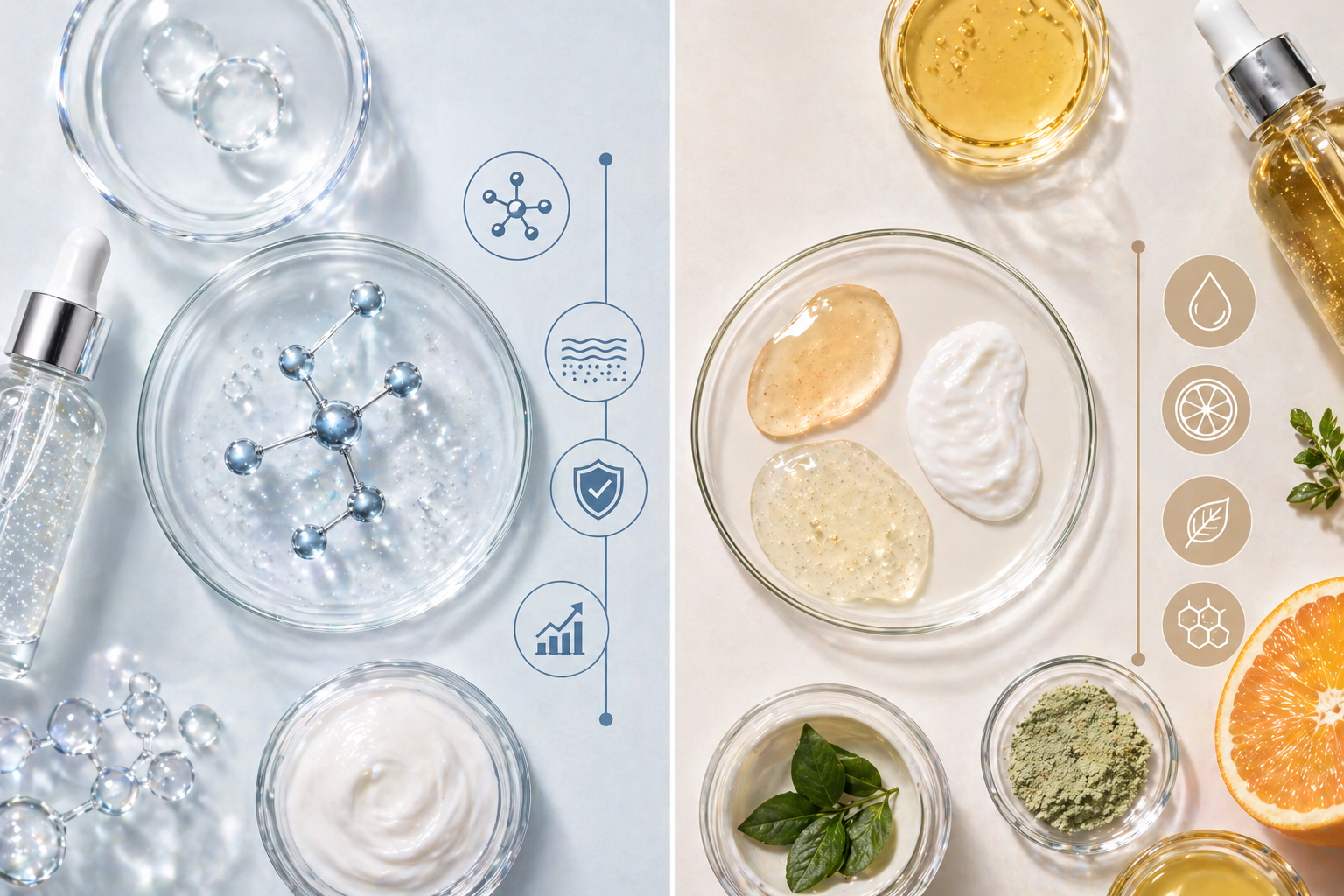
When comparing peptides to retinol, it’s important to understand their distinct mechanisms. Retinol primarily works by accelerating cell turnover, which can be highly effective but sometimes irritating. Peptides, on the other hand, focus on gentle repair and signaling the skin to produce more collagen, offering a less aggressive yet potent anti-aging alternative, suitable for sensitive skin types.
Peptides vs Vitamin C: Structure Support vs Brightening
Peptides and Vitamin C offer complementary anti-aging benefits. Peptides are excellent for providing structural support, boosting collagen, and improving skin elasticity. Vitamin C, while also supporting collagen, is primarily renowned for its antioxidant properties and ability to brighten the complexion and even out skin tone. Both can be combined for comprehensive skin health.
When to Choose Peptides in Your Routine
Peptides are an excellent choice for individuals seeking a gentle yet effective approach to anti-aging, especially those with sensitive skin who may find stronger actives irritating. They are ideal for improving overall skin health, reducing fine lines, and enhancing firmness and elasticity, making them a versatile and beneficial addition to most skincare routines.
How to Use Peptides in Your Skincare Routine

Best Order of Application in Morning and Night Routines
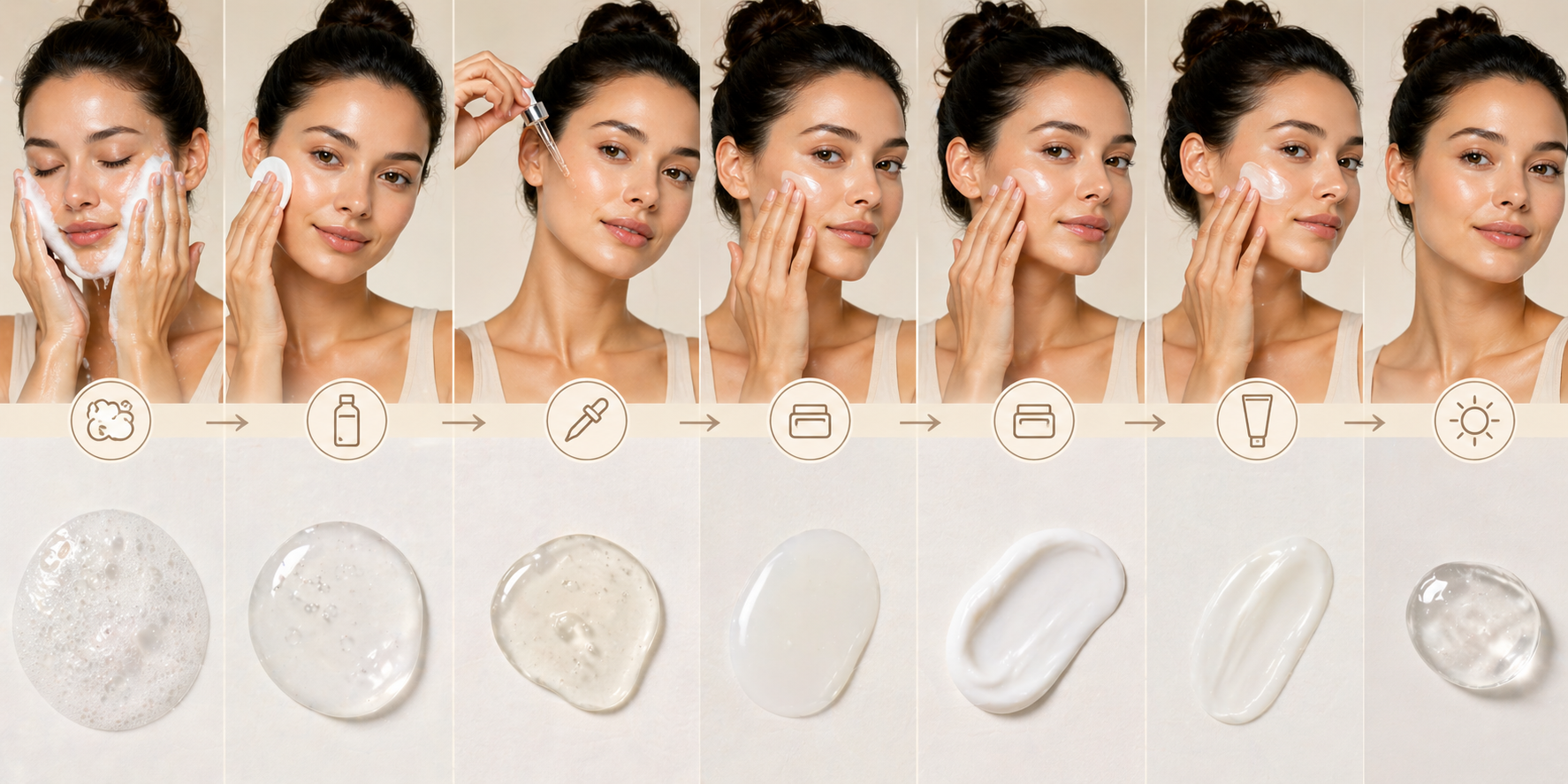
To effectively use peptides in your skincare routine, proper application order is key. In both morning and night routines, you should apply peptide serums in a specific sequence to maximize their benefits. This ensures that the short chains of amino acids can penetrate deeply and signal your skin cells to stimulate collagen production and facilitate repair, maximizing their anti-aging benefits for overall skin health. The correct order is:
- After cleansing
- After toning
- Before heavier creams or oils
Layering Peptides With Serums, Moisturizers, and SPF
When layering, peptide serums integrate seamlessly with other products. After your peptide application, follow with a moisturizer to lock in hydration and further support the skin barrier. In the morning, always conclude with a broad-spectrum SPF to protect your skin from UV damage, which can undermine the benefits of peptides and accelerate collagen breakdown, ensuring comprehensive skin wellness.
Frequency of Use for Maximum Results
For maximum anti-aging results, peptides should generally be used twice daily, both in your morning and night routines. Consistent application allows the different types of peptides to continuously communicate with your skin cells, promoting steady collagen production and repair over time. This consistent stimulation is vital for observing significant improvements in firmness, elasticity, and overall skin health, supporting long-term wellness.
Ingredients That Work Best With Peptides
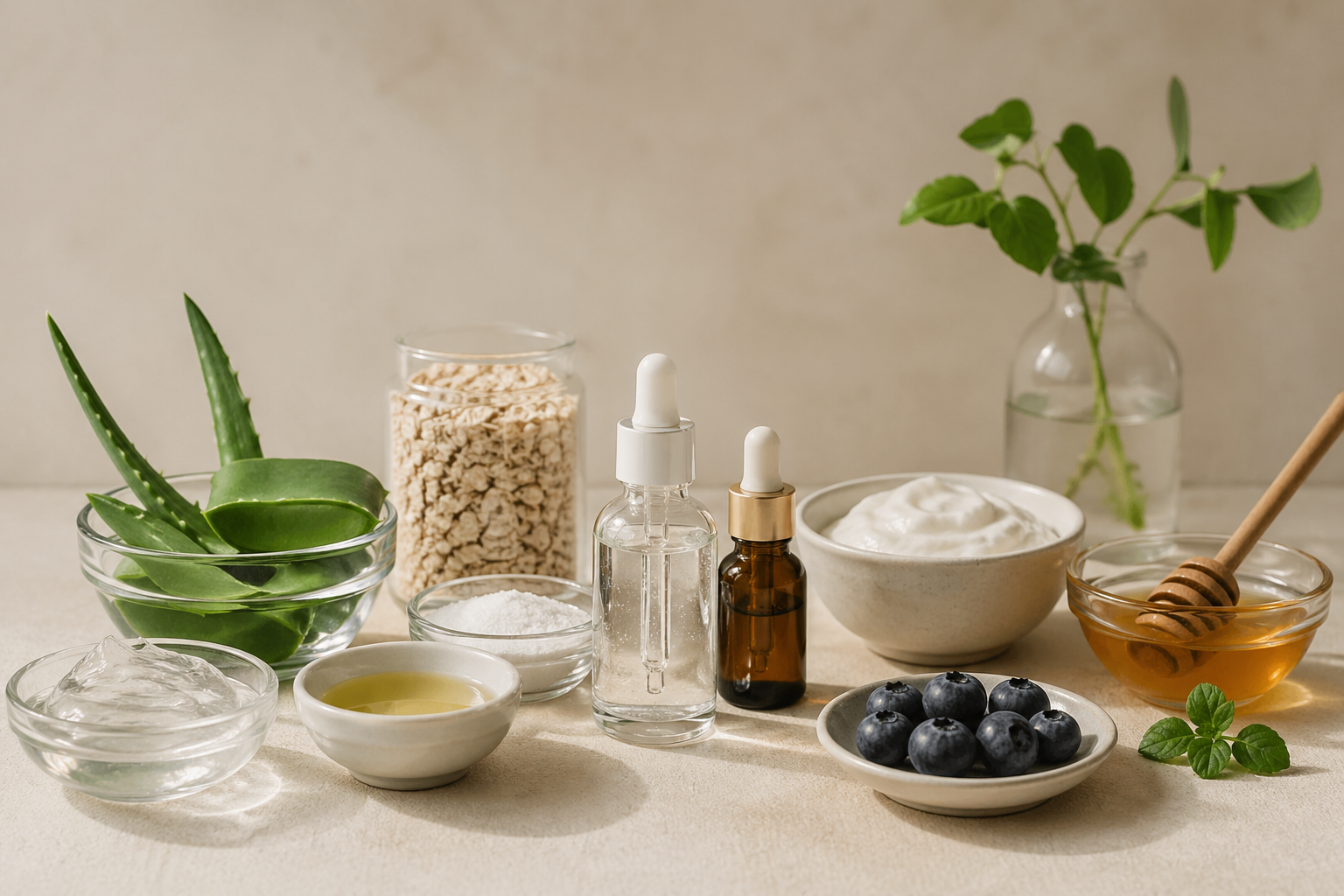
Hyaluronic Acid for Deep Hydration
Hyaluronic acid is an excellent partner for peptides, as it provides deep, multi-level hydration without interfering with their signaling functions. When combined, hyaluronic acid helps to plump the skin and enhance its barrier function, allowing peptides to work more efficiently to stimulate collagen and reduce inflammation. This synergy contributes to improved skin smoothness and overall anti-aging benefits, making it an ideal pairing for skin health.
Niacinamide for Barrier Support and Calm Skin
Niacinamide, or Vitamin B3, is another highly compatible ingredient that supports the skin barrier and helps calm inflammation. Its benefits align perfectly with those of peptides, as a healthy and calm skin environment is more receptive to peptide signals for collagen production and repair. This combination effectively enhances skin health, reducing redness and promoting a more even skin tone while boosting anti-aging efforts.
Ceramides for Long-Term Skin Strength
Ceramides are essential lipids that make up a significant portion of the skin barrier, providing long-term strength and protection. Pairing ceramides with peptides creates a robust defense system for your skin, as ceramides fortify the barrier while peptides work to stimulate collagen and repair damage at a cellular level. This partnership supports optimal skin health, leading to lasting improvements in resilience and anti-aging outcomes.
Common Mistakes When Using Peptides
Mixing With Incompatible Actives
A common mistake when using peptides is mixing them with certain incompatible active ingredients, particularly strong acids like AHAs or high concentrations of Vitamin C. While some formulations can combine them, applying peptides directly after or with highly acidic products can potentially denature some types of peptides, reducing their efficacy in stimulating collagen and supporting skin health, thus diminishing anti-aging benefits.
Expecting Instant Results Instead of Long-Term Change
Many users make the mistake of expecting instant results from peptides. However, the anti-aging benefits of peptides, such as increased collagen production and improved skin firmness, are generally cumulative and require consistent, long-term use. Peptides work by signaling the skin to repair itself, a process that takes time, emphasizing that patience is crucial for observing significant and lasting improvements in skin health and wellness.
Using Too Many Products at Once
Another frequent error is overwhelming the skin by using too many different products simultaneously. This can make it difficult to ascertain which ingredients are truly benefiting the skin and may even lead to irritation or reduced efficacy of the peptides. A streamlined routine allows the peptides to effectively work on stimulating collagen and improving skin health without interference, maximizing their anti-aging potential.
How Long It Takes to See Results From Peptides
Short-Term Effects: Hydration and Texture Improvement
When you first begin to use peptides, some initial short-term effects can be observed relatively quickly. Improvements in skin hydration and texture are often among the first noticeable changes, typically within a few weeks of consistent application. These benefits arise as peptides help to support the skin barrier and reduce inflammation, contributing to a smoother and more supple feel, enhancing overall skin health and providing immediate anti-aging comfort.
Long-Term Effects: Firmness and Wrinkle Reduction
For more significant and lasting anti-aging benefits, such as improved firmness, elasticity, and a noticeable reduction in fine lines and wrinkles, consistent long-term use of peptides is essential. It takes time for peptides to effectively signal skin cells to increase collagen production and repair damage at a cellular level. Generally, users can expect to see these more profound changes after 8-12 weeks of regular application, with benefits continuing to accumulate over months, leading to sustained skin wellness.
Who Should Use Peptides (And Who Shouldn’t)
Ideal Skin Types and Age Groups
Peptides are generally well-tolerated and beneficial for a wide range of skin types and age groups. They are particularly ideal for individuals looking for gentle yet effective anti-aging solutions, especially those with sensitive or mature skin. As peptides work by stimulating collagen and promoting repair, they are excellent for anyone concerned with fine lines, wrinkles, loss of firmness, and overall skin health, making them a versatile choice for long-term wellness.
When Peptides May Not Be Necessary Yet
While peptides offer significant anti-aging benefits, they may not be strictly necessary for very young individuals who show no visible signs of aging or collagen breakdown. For those in their early twenties, focusing on basic skincare such as cleansing, moisturizing, and sun protection might suffice. However, as a preventative measure for long-term skin health, incorporating peptides could be beneficial even before noticeable signs of aging appear.
The Future of Peptides in Skincare Innovation
Advanced Biomimetic Peptides and Next-Gen Formulas
The future of peptides in skincare innovation is incredibly promising, with ongoing research focusing on advanced biomimetic peptides and next-gen formulas. These cutting-edge developments aim to create even more targeted and effective peptides that can mimic specific biological processes with greater precision. Such innovations could lead to enhanced anti-aging results, improved skin health, and more specialized solutions for various skin concerns, further solidifying the role of peptides in wellness.
Personalized Skincare and Targeted Anti-Aging Solutions
Another exciting frontier for peptides is in personalized skincare and targeted anti-aging solutions. As our understanding of different peptides and their specific functions grows, it becomes possible to tailor skincare routines to an individual’s unique genetic predispositions and skin concerns. This bespoke approach promises to maximize the anti-aging benefits of peptides, delivering highly effective and customized treatments for optimal skin health and personalized wellness strategies.
Conclusion: Why Peptides Are a Game-Changer in Anti-Aging
In conclusion, peptides are undeniably a game-changer in the realm of anti-aging skincare. Their unique ability to act as signaling molecules, promoting collagen production, repairing damage at a cellular level, and strengthening the skin barrier, sets them apart. By offering a gentle yet powerful approach to combat the signs of aging, peptides empower individuals to achieve healthier, more resilient, and visibly younger-looking skin, making them an indispensable component of any comprehensive anti-aging regimen for sustained wellness.