


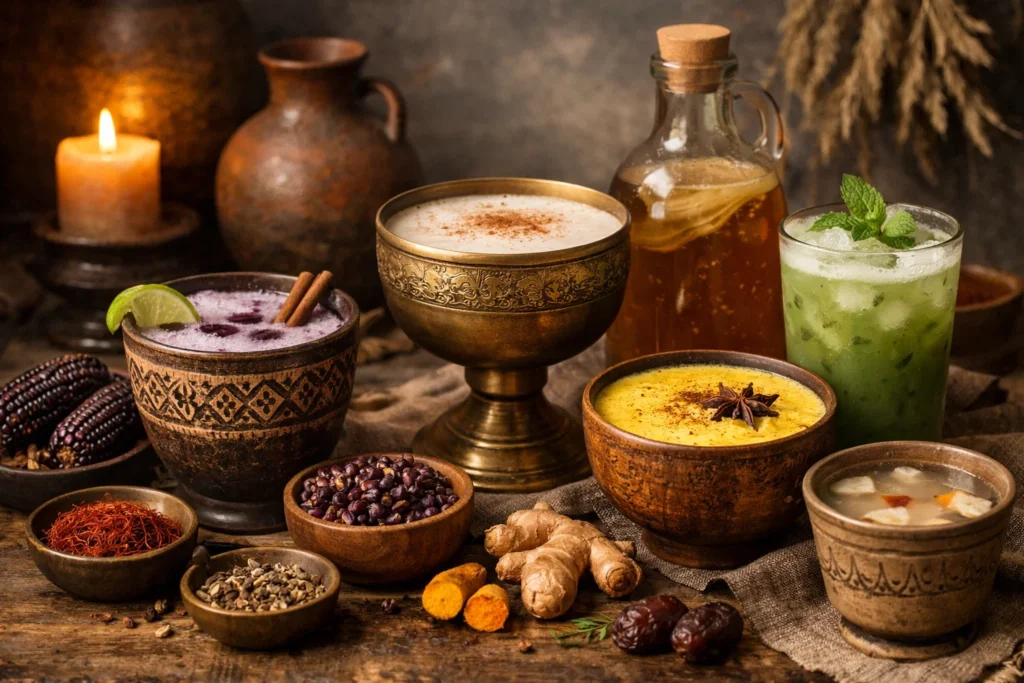
In 2026, the beverage industry is witnessing a fascinating comeback: ancient drinks are experiencing a resurgence, capturing the attention of a new generation of drinkers seeking wellness and unique flavors. This trend is driven by nostalgia and a desire for simpler times, making these retro drinks incredibly popular.
Why Ancient Beverages Are Trending in 2026

The growing consumer demand for authentic and functional drinks
Consumers are increasingly seeking food and beverage options that offer more than just taste; they crave authenticity and functional benefits, leading beverage brands to revive ancient drinks. This desire for genuine, health-enhancing products drives the trend, influencing the future of drinks.
How wellness, sustainability, and cultural curiosity are driving the trend
Wellness, sustainability, and cultural curiosity are all important factors influencing beverage choices. Specifically, we see that:
- Wellness is a key driver, with drinkers seeking beverages that support health.
- Sustainability also plays a role, as consumers prefer locally sourced ingredients.
In addition, cultural curiosity fosters interest in ancient drinks, creating an emotional connection to these nostalgic beverages.
The rise of experiential and story-driven beverages
Beverage brands are tapping into the power of storytelling and experiential marketing. Ancient drinks often come with rich histories and unique rituals, offering consumers more than just a beverage. Platforms like Instagram highlight these elements, driving the trend.
What Are Ancient and Cultural Drinks?
Definition and key characteristics
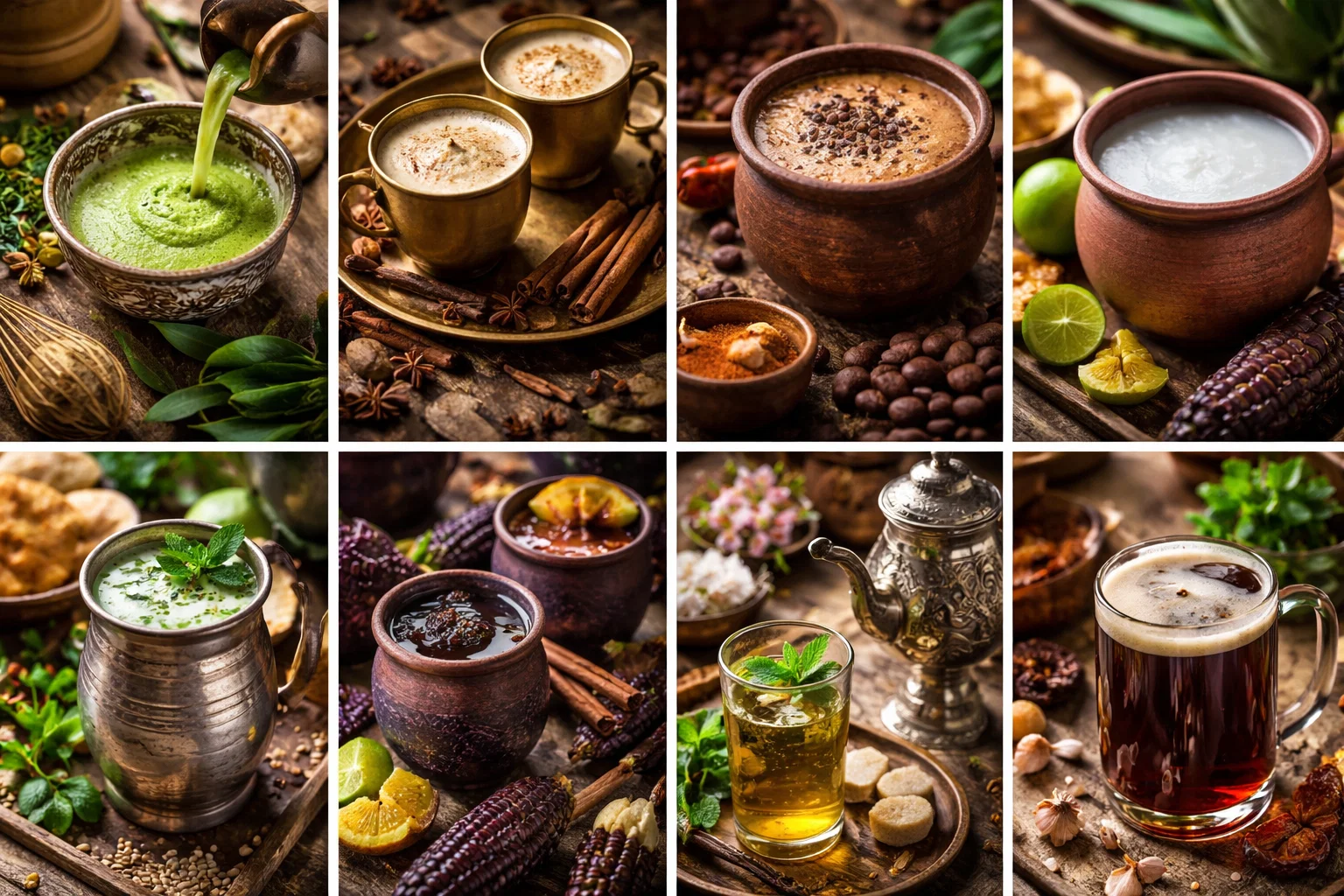
Ancient drinks are traditional beverages that have been consumed for centuries, often characterized by their natural ingredients and preparation methods. These drinks, which include unique flavor profiles, typically offer health benefits beyond basic hydration, attracting the modern drinker.
Examples from around the world: kombucha, kvass, chicha, boza, ayurvedic teas
Here are some examples of ancient drinks, each with its own unique character:
- Kombucha, a fermented tea
- Kvass, a fermented grain beverage
- Chicha, a corn-based drink
- Boza, a malt beverage
- Ayurvedic teas
These nostalgic beverages are making a comeback.
The role of fermentation, herbs, and traditional preparation methods
Fermentation plays a vital role in creating these beverages, and other elements also contribute to their unique appeal. These include:
- Enhancing the probiotic content through fermentation.
- Herbs and spices contribute unique flavor profiles.
Traditional techniques further add to the authenticity, influencing the future of nostalgic flavors, ensuring these drinks are making a comeback.
Why Ancient Drinks Are Making a Comeback
Health and functional benefits: probiotics, antioxidants, adaptogens
Ancient drinks are often rich in probiotics, promoting gut health. They also contain antioxidants that combat oxidative stress and adaptogens that help the body manage stress. These health benefits appeal to wellness-focused drinkers, so retro drinks are making a comeback.
Desire for authenticity and cultural connection
Many consumers are seeking authentic experiences and cultural connections. Ancient drinks offer a way to connect with history and tradition, providing an emotional connection. This desire for authenticity is a significant driver of the trend among millennials and Gen Z.
Sustainability: locally sourced, minimally processed ingredients
Sustainability is a key consideration for many consumers. Ancient drinks often rely on locally sourced and minimally processed ingredients, aligning with sustainability values. This focus on natural, sustainable production further fuels the popularity of these beverages, drinks making.
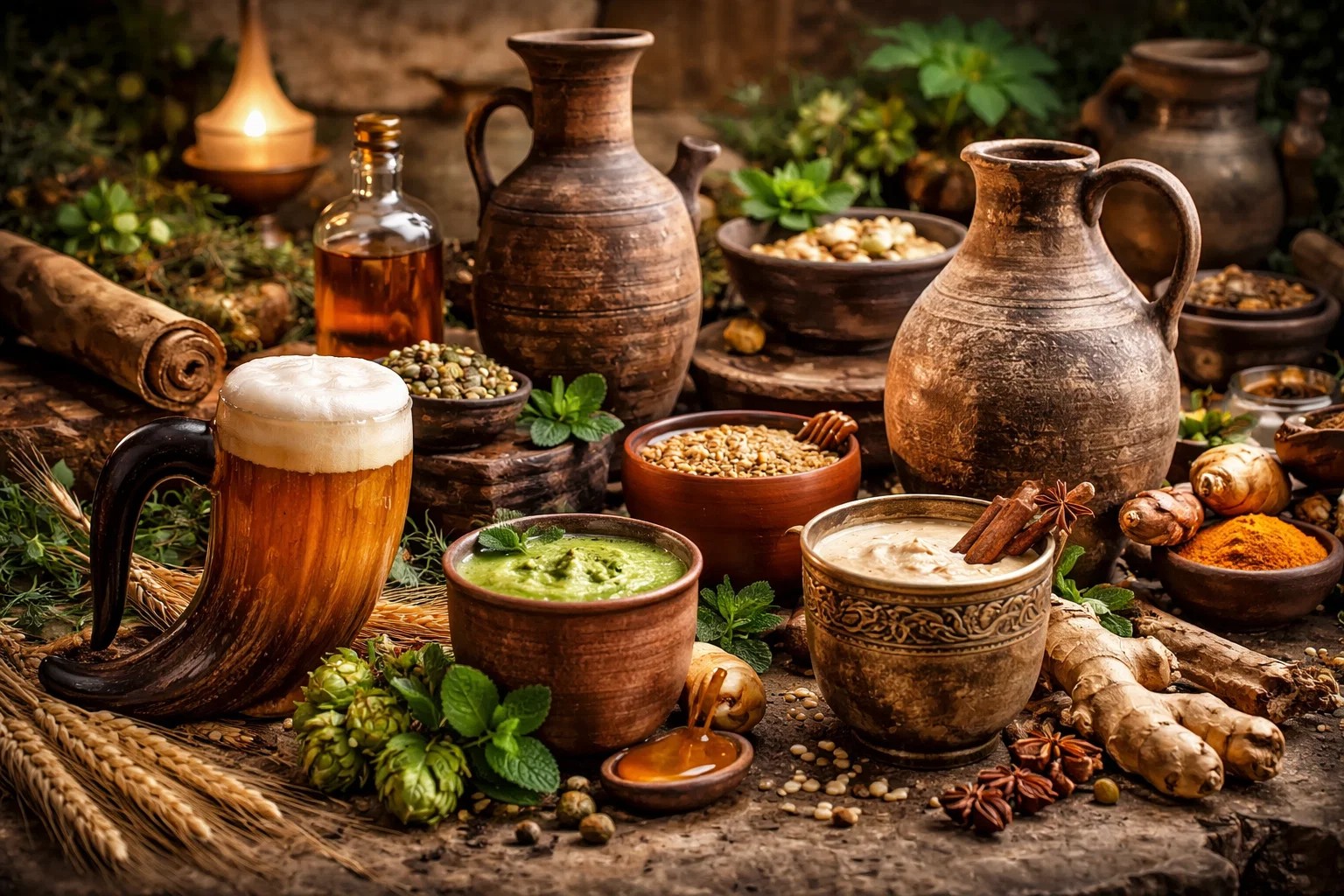
Social media and experiential appeal: visuals, rituals, and storytelling
Social media platforms like Instagram amplify the appeal of ancient drinks through visually appealing content and storytelling. Unique rituals associated with these beverages enhance the experiential aspect, making them attractive to consumers; this influences the future of drinks.
Innovation: modern flavors, functional blends, and ready-to-drink options
Beverage brands are innovating by blending traditional recipes with modern flavor profiles and functional ingredients. Ready-to-drink options make these ancient drinks more accessible and convenient, appealing to today’s on-the-go consumers. So, these nostalgic drinks are back.
Popular Ancient Drinks Reimagined in 2026

Kombucha 2.0: new flavors and functional ingredients
Kombucha, the fermented tea, is experiencing a significant comeback with new iterations focusing on enhanced flavor profiles and additional functional ingredients. Beverage brands are incorporating adaptogens, prebiotics, and unique botanicals to appeal to health and wellness conscious drinkers, so this retro beverage is revived.
Fermented grain drinks: kvass, boza, millet beverages
Fermented grain drinks like kvass, boza, and millet beverages are experiencing a resurgence. These ancient drinks are valued for their probiotic content and unique flavor profiles. Beverage industry innovators are exploring modern twists on these traditional drinks, incorporating nostalgic flavors that appeal.
Herbal teas and tonics: ayurvedic, Chinese medicinal infusions
Ayurvedic and Chinese medicinal infusions are making a comeback as consumers seek natural remedies and health benefits. These herbal teas and tonics are being reimagined with new flavor profiles and convenient formats. Platforms like Instagram showcase the wellness aspects, highlighting unique flavors and ingredients.
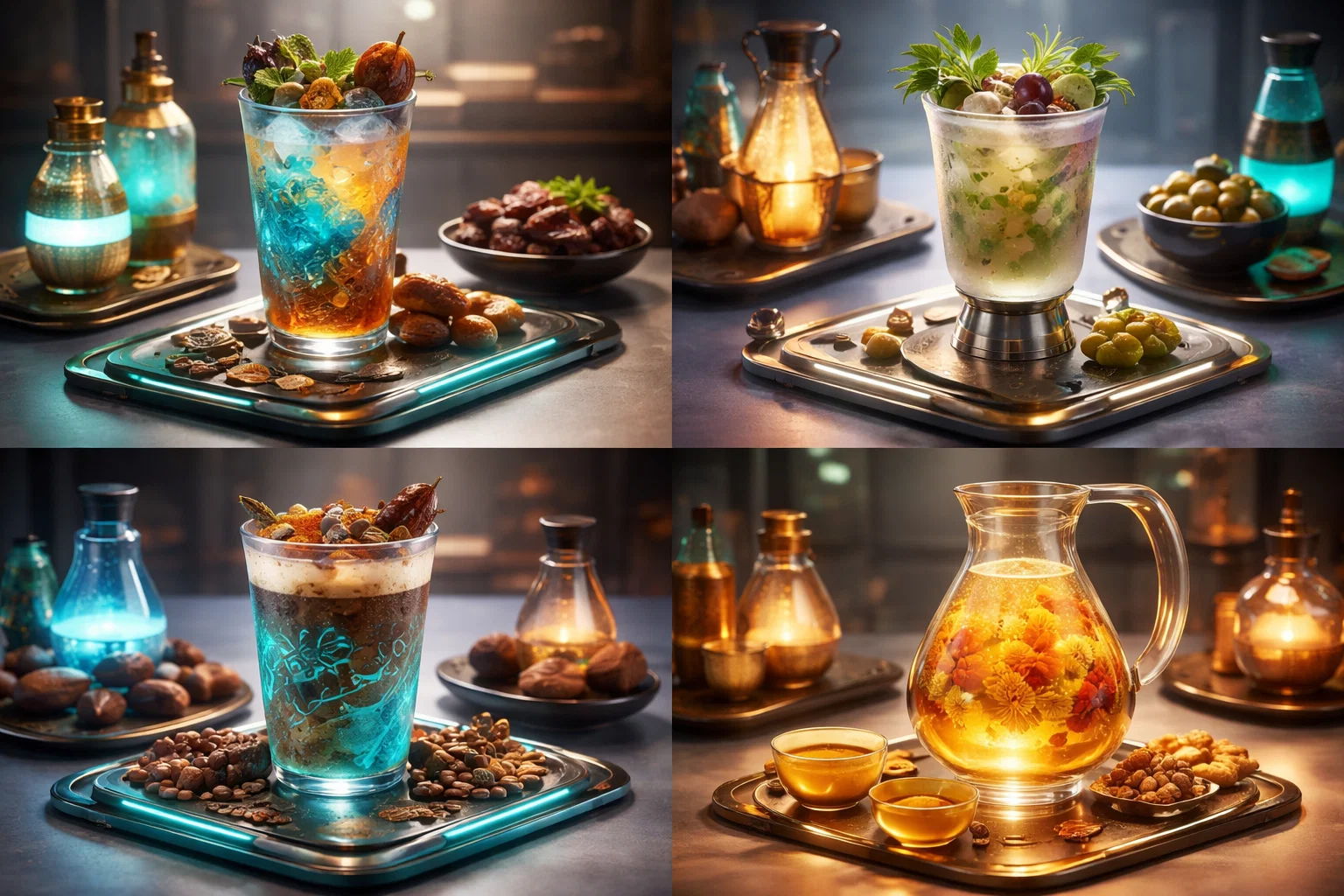
Ceremonial drinks adapted for modern wellness routines
Ceremonial drinks, once reserved for special occasions, are now being adapted for modern wellness routines. Ingredients like cacao, matcha, and adaptogenic herbs are being incorporated into daily beverages. This trend aims to bring the emotional connection of rituals to everyday life, so retro drinks are back.
Sparkling and ready-to-drink versions for convenience
Convenience is key in the beverage industry, and ancient drinks are no exception. Sparkling and ready-to-drink versions of these beverages are gaining popularity, offering consumers a convenient way to enjoy the health benefits and unique flavors of these traditional drinks, drinks making a comeback.
Benefits of Embracing Ancient Beverages

Health benefits: gut health, immunity, and wellness
Embracing ancient drinks offers numerous health benefits. The probiotic content in fermented beverages supports gut health, while antioxidants and adaptogens boost immunity and overall wellness. Consumers are increasingly drawn to these functional beverages for their health-enhancing properties, so these retro drinks are revived.
Cultural appreciation and global exploration
Ancient drinks provide an opportunity for cultural appreciation and global exploration. By trying beverages from different regions, consumers can learn about unique traditions and flavor profiles. This cultural exchange adds an enriching dimension to the beverage experience, and platforms like Instagram are showcasing global beverage trends.

Innovation opportunities for brands and creators
The resurgence of ancient drinks presents significant innovation opportunities for beverage brands and creators. There is ample room to experiment with new flavor profiles, functional ingredients, and sustainable practices. This allows brands to create unique products that resonate with health-conscious and culturally curious drinkers, so the future of drinks is bright.
Marketing advantage: storytelling, rituals, and authenticity
Ancient drinks offer a powerful marketing advantage through storytelling, rituals, and authenticity. Beverage brands can leverage the rich histories and traditions associated with these beverages to create compelling narratives. Highlighting the cultural significance and preparation methods enhances the emotional connection with consumers.
Challenges and Considerations
Adapting traditional flavors for modern palates
One significant challenge is adapting traditional flavor profiles for modern palates. Many ancient drinks have strong, unique flavors that may not appeal to contemporary consumers. Beverage brands must innovate to find a balance between authenticity and approachability, ensuring these drinks are palatable to a broad audience. The beverage industry is working to perfect this.
Educating consumers about benefits and rituals
Educating consumers about the benefits and rituals associated with ancient drinks is crucial for their comeback. Many consumers are unaware of the health and cultural significance of these beverages, so beverage brands must invest in informative marketing campaigns, so these retro drinks are revived for the next generation of drinkers.
Balancing authenticity with commercial scalability
Balancing authenticity with commercial scalability presents another challenge. Maintaining the integrity of traditional recipes and preparation methods while scaling production to meet market demand requires careful planning and execution, influencing the future of drinks. The beverage industry strives to do this for drinks making a comeback.
Regulatory and safety considerations for fermentation and herbal ingredients
Regulatory and safety considerations are paramount, especially for fermented beverages and herbal ingredients. Ensuring compliance with food safety standards and labeling requirements is essential for consumer trust and market access. Beverage brands must prioritize safety, so these nostalgic drinks can make a comeback properly.
How Brands Are Reimagining Cultural Beverages
Blending tradition with modern flavors and packaging
Beverage brands are successfully blending tradition with modern flavors and packaging. They are using innovative techniques to enhance the taste and presentation of ancient drinks, making them more appealing to contemporary consumers, so drinks are making a comeback, influencing the future of drinks.
Leveraging social media and influencer marketing to tell the story
Social media and influencer marketing are powerful tools for telling the story of ancient drinks. Beverage brands are partnering with influencers to create engaging content that showcases the history, cultural significance, and health benefits of these beverages. Platforms like Instagram are helpful for this trend.
Creating ready-to-drink and convenient formats without losing heritage value
Creating ready-to-drink and convenient formats is crucial for reaching a wider audience. Beverage brands are developing innovative packaging solutions that maintain the quality and flavor of ancient drinks while offering convenience for on-the-go consumption. So, the future of drinks looks bright in the beverage industry.
Future Outlook: Ancient Drinks in 2026 and Beyond
Expected growth of ancient and functional beverages globally
The beverage industry expects continued growth in the market for ancient and functional beverages globally. As consumers increasingly prioritize health and wellness, these drinks are poised to capture a larger share of the beverage market, especially among millennials and gen z. The future of drinks is here.
Integration with wellness, lifestyle, and experiential dining trends
Integration with wellness, lifestyle, and experiential dining trends will further propel the popularity of ancient drinks. As consumers seek holistic experiences, these beverages will become an integral part of mindful living and cultural exploration, so this trend will continue in the beverage industry.
How innovation and AI tools will enhance production, flavor, and personalization
Innovation and AI tools will play a significant role in enhancing production, flavor, and personalization. AI-driven technologies can optimize fermentation processes, predict flavor preferences, and personalize beverage formulations to meet individual needs, influencing the future of drinks in the beverage industry. Beverage brands will use this.
Conclusion: The Revival of Taste and Wellness Through Cultural Beverages
The comeback of ancient drinks in 2026 represents a revival of both taste and wellness. These cultural beverages offer a unique blend of health benefits, cultural heritage, and innovative flavors. As consumers seek authentic and functional options, ancient drinks are poised to become a staple in the beverage market, making a comeback.