


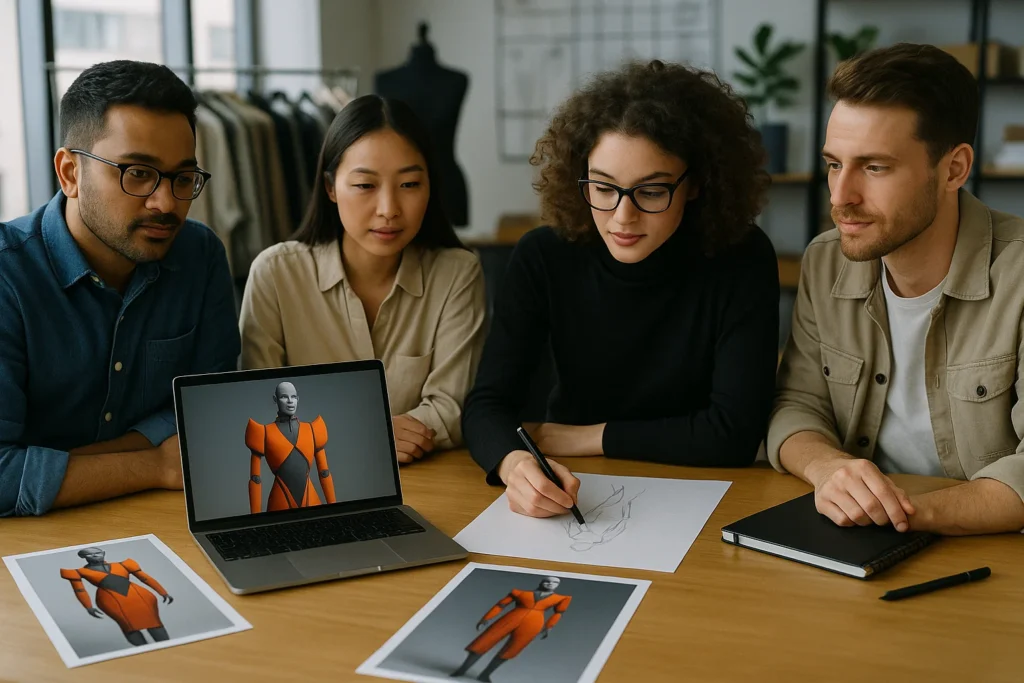
The world of fashion has always been a blend of art, innovation, and cultural expression. Traditionally, designers relied on intuition, trend observation, and handcrafted sketches to bring their visions to life.
Today, the fashion industry is undergoing a technological revolution, and artificial intelligence (AI) is at its forefront. AI is transforming the way designers conceptualize, create, and market their collections, merging creativity with cutting-edge technology to push the boundaries of style.
Overview of AI’s role in creative industries
AI has rapidly permeated various creative sectors—from music composition to digital art—and fashion is no exception. Its ability to analyze massive datasets, recognize patterns, and generate novel outputs is helping designers work faster and smarter.
From predicting trends to visualizing designs in 3D, AI empowers creatives to innovate without being constrained by traditional processes.

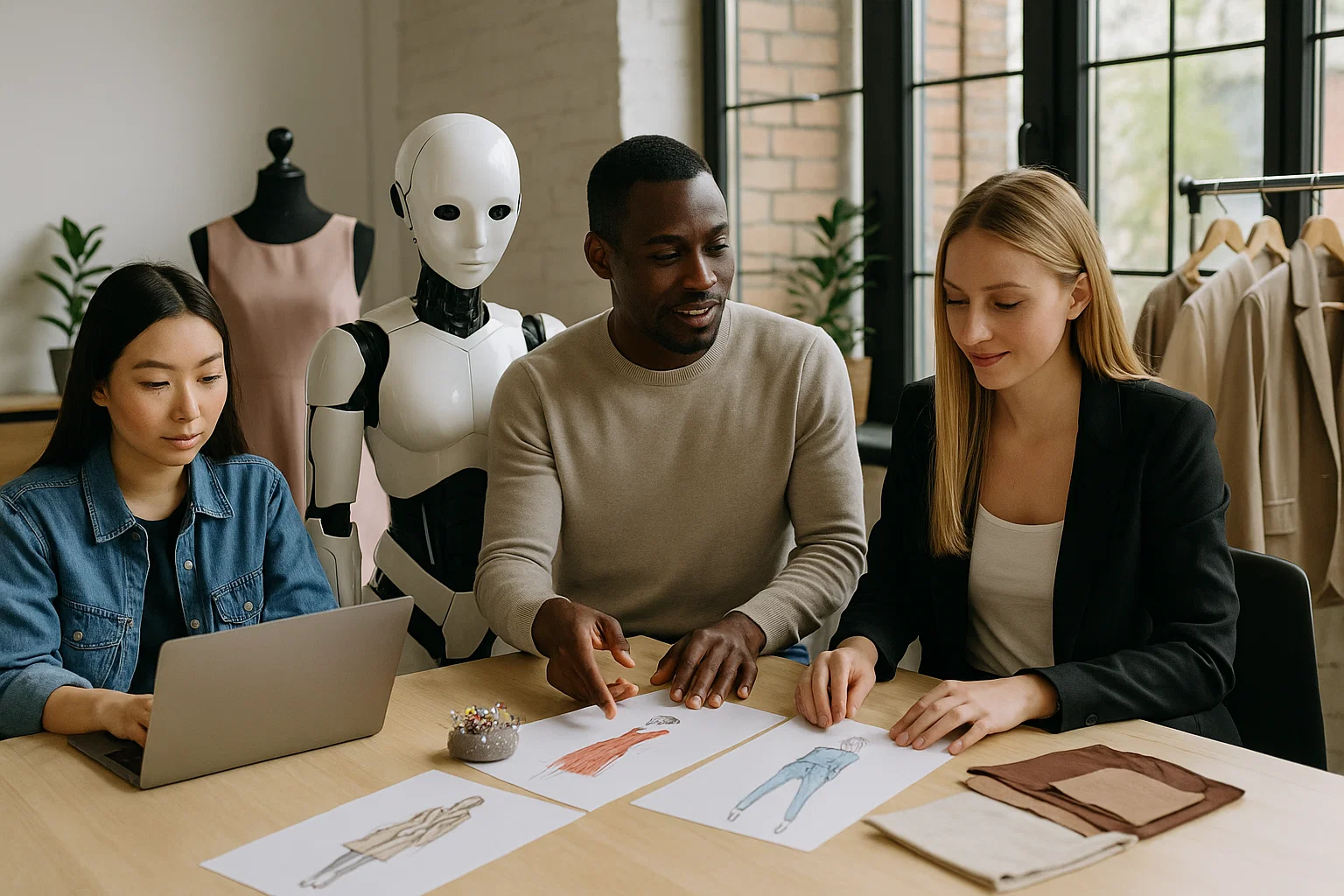
The growing intersection of technology and fashion
Fashion has historically embraced innovation, and the integration of AI is a natural progression. Smart textiles, digital fitting rooms, virtual fashion shows, and generative design tools demonstrate how technology is reshaping not only the creative process but also the consumer experience.
The marriage of technology and fashion is creating new opportunities for personalization, sustainability, and interactive experiences in ways that were previously unimaginable.
Why AI is becoming essential for innovation and efficiency
In an industry where trends evolve at lightning speed, time is of the essence. AI accelerates design cycles, provides actionable insights, and reduces human error, allowing designers to respond rapidly to market demands. Furthermore, AI-driven processes enable experimentation with designs, fabrics, and colors at minimal cost, providing a significant competitive edge in an increasingly saturated market.
Understanding AI in Fashion: Tools and Technologies
To appreciate AI’s transformative potential, it is essential to understand the specific tools and technologies powering this shift.

Generative AI and its application in design concepts
Generative AI leverages machine learning to create new visual content based on learned patterns from existing designs. Designers can use AI to generate endless variations of a garment, from silhouettes to textures, opening up possibilities for innovation and unique collections.
AI-powered software for digital sketching and pattern creation (CLO 3D, RunwayML)
Modern design software like CLO 3D allows designers to visualize garments in a realistic 3D environment. AI-enhanced platforms, such as RunwayML, further enable automatic pattern generation, fabric simulation, and virtual fittings, streamlining the design process and reducing the need for physical prototypes.
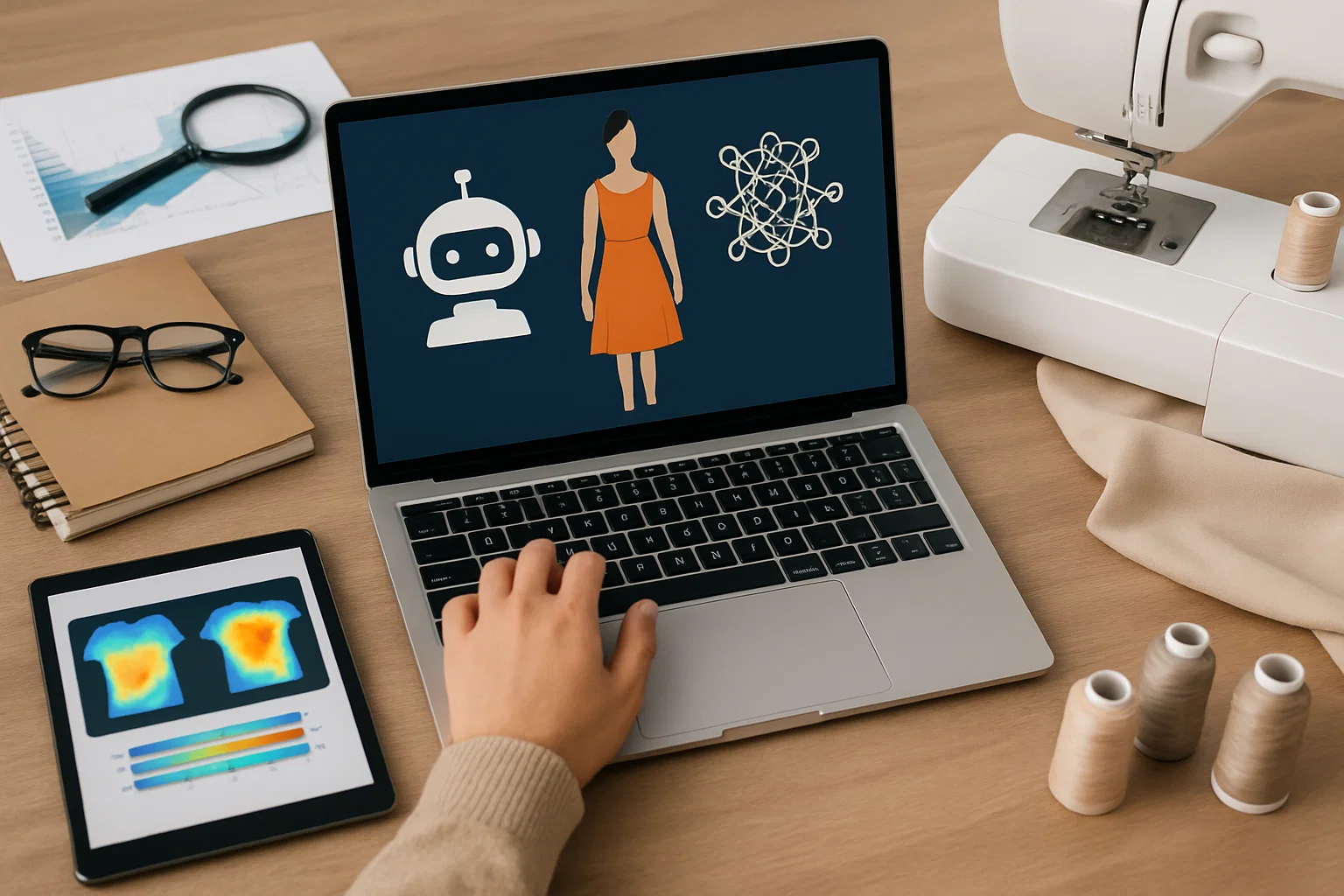
Trend prediction and data-driven insights using AI
AI can analyze social media trends, runway shows, retail sales, and search engine data to forecast the next big fashion movements. By identifying patterns in consumer behavior, designers can create collections that resonate with target audiences while minimizing risk.
AI in material selection, textiles, and virtual fitting
AI algorithms can recommend sustainable fabrics, predict wearability, and simulate the fit and movement of garments on virtual avatars. This reduces physical sample production, optimizes material usage, and ensures that the final products meet both aesthetic and functional standards.
Benefits of AI for Fashion Designers
AI is more than a tool; it is a catalyst for innovation, efficiency, and sustainability in fashion.
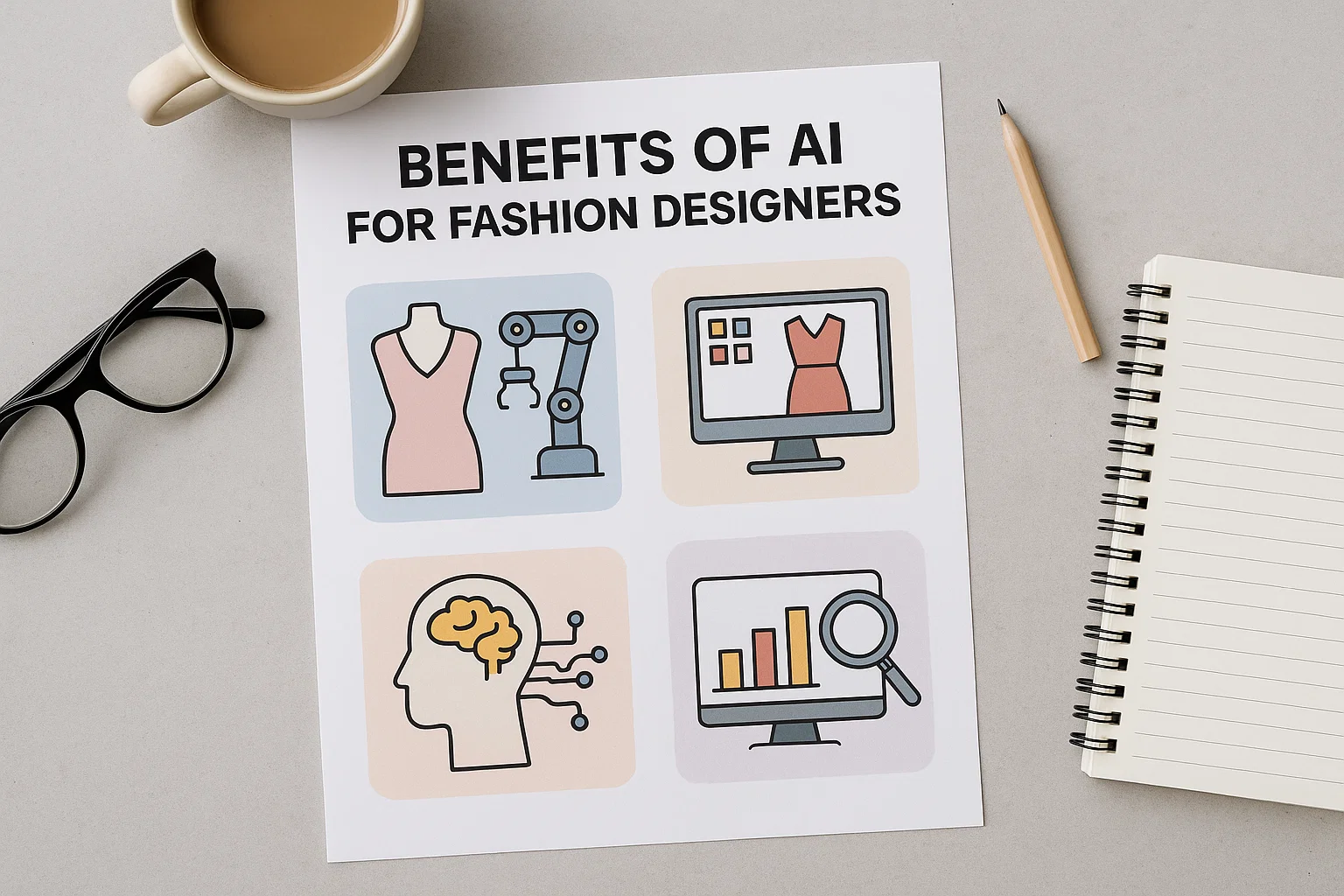
Accelerating design cycles and boosting creativity
AI allows designers to experiment rapidly, visualize multiple concepts simultaneously, and refine ideas efficiently. This accelerates the overall design cycle, giving brands a significant advantage in responding to fast-moving trends and market demands.
Personalization and customization of garments
Consumers increasingly seek personalized fashion experiences. AI enables mass customization by analyzing individual preferences, body measurements, and style choices, allowing brands to deliver bespoke garments with precision and scalability.

Reducing waste and promoting sustainable fashion practices
One of AI’s most significant contributions is sustainability. By optimizing patterns, predicting demand accurately, and simulating garments virtually, designers can reduce overproduction, fabric waste, and energy consumption—a crucial factor in addressing fashion’s environmental footprint.
Enhancing market research and trend analysis efficiency
AI accelerates market research by sifting through vast amounts of data to identify emerging trends, consumer preferences, and competitor strategies. Designers can make informed decisions, prioritize collections with high potential, and avoid costly missteps.
️ Real-World Applications and Case Studies
AI is already leaving its mark on fashion, from luxury brands to emerging startups.
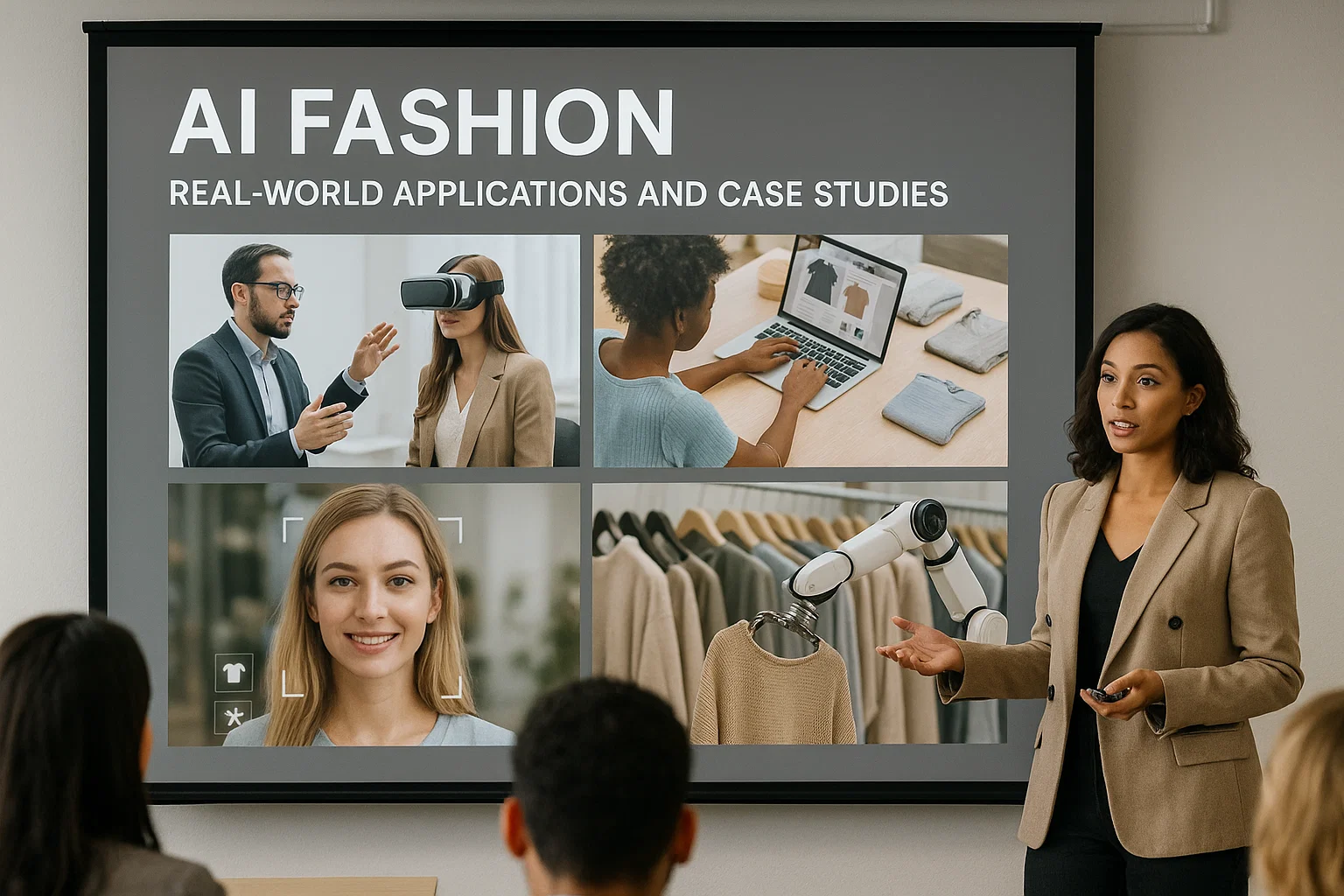
Luxury brands leveraging AI (e.g., LVMH Innovation Award, NYFW AI collaborations)
Luxury houses like LVMH are incorporating AI into design, retail, and customer experience. The LVMH Innovation Award has spotlighted AI-driven fashion startups, and AI-generated designs have featured in New York Fashion Week, demonstrating the potential for high-end creativity.
E-commerce platforms using AI for design and marketing (e.g., Zalando)
E-commerce platforms leverage AI to predict trends, generate digital collections, and optimize marketing strategies. Companies like Zalando use AI-driven design insights to tailor products to customer preferences, ensuring higher engagement and sales.
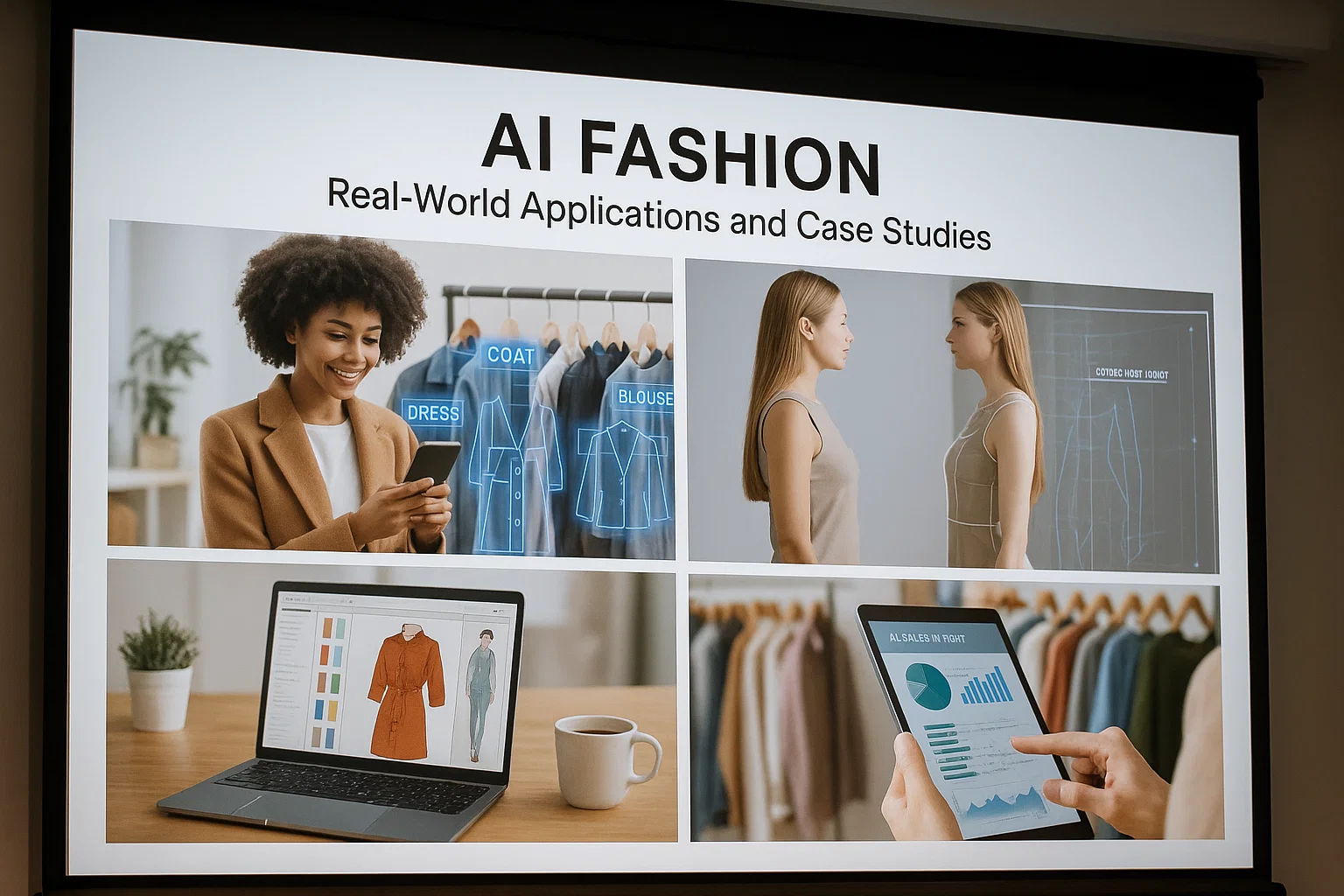
Emerging designers and startups experimenting with AI-generated collections
Independent designers and startups are harnessing AI to push creative boundaries. From AI-generated streetwear to avant-garde couture, small brands can compete with industry giants by using AI tools for design ideation, prototyping, and visualization.
Digital fashion and virtual clothing powered by AI
Virtual clothing, NFTs, and digital fashion experiences are growing rapidly. AI enables designers to create garments that exist purely in digital space, allowing consumers to showcase style in metaverses, gaming platforms, and social media, expanding the concept of fashion beyond physical limitations.
⚠️ Challenges and Ethical Considerations
Despite its promise, AI in fashion presents unique challenges and ethical dilemmas.
Intellectual property and copyright issues in AI-generated designs
AI-generated designs raise questions about ownership. Who holds the copyright—the designer, the software developer, or the AI itself? Legal frameworks are still catching up, leaving designers and brands to navigate uncharted territory.
Maintaining authenticity, brand identity, and human touch
Relying heavily on AI can risk diluting a brand’s identity and artistic voice. Striking a balance between AI efficiency and human creativity is essential to preserve authenticity and emotional connection with consumers.
Potential bias in AI datasets and cultural sensitivity concerns
AI systems learn from historical data, which may contain inherent biases. Designers must ensure that AI-generated outputs respect cultural diversity, inclusivity, and ethical standards to avoid controversy or misrepresentation.
Cost and accessibility of AI tools for small designers
High-end AI tools can be expensive, potentially limiting access for emerging designers. However, as technology becomes more widespread and affordable, smaller brands are gaining opportunities to compete on a larger scale.
The Future of Creativity with AI in Fashion
The horizon of fashion design is being reshaped by AI, offering new possibilities for human creativity.
Hybrid human-AI collaboration in design studios
The future is not AI replacing designers but collaborating with them. Hybrid approaches combine human intuition and AI computational power, producing designs that are both innovative and emotionally resonant.
Expansion of digital-only fashion and metaverse apparel
Digital fashion and virtual clothing are projected to grow exponentially. AI will drive the creation of entirely digital collections, enabling brands to explore new revenue streams and engage consumers in virtual worlds.
Sustainability and resource optimization through AI-driven processes
AI will play a central role in sustainable fashion, optimizing supply chains, minimizing waste, and promoting ethical production. The ability to simulate garments digitally reduces unnecessary sampling and material consumption.
New career paths and roles emerging in AI-fashion integration
The rise of AI in fashion is creating new roles, from AI fashion technologists to virtual wardrobe consultants. Professionals capable of bridging technology and creativity will become increasingly valuable in the evolving industry.
How Designers Can Leverage AI Today
AI is not just a futuristic concept—it is a practical tool designers can start using today.
Best practices for integrating AI without losing creative control
Designers should view AI as an assistant, not a replacement. Using AI for ideation, trend analysis, and visualization while making final creative decisions ensures the human touch remains central to the design process.
Tools and platforms for beginners and professionals
Platforms like CLO 3D, RunwayML, and Adobe’s AI tools offer beginner-friendly interfaces while providing professional-grade capabilities. Designers can explore these tools for virtual prototyping, fabric simulation, and AI-assisted sketching.
Combining AI insights with traditional craftsmanship
AI works best when integrated with traditional skills. Experienced designers can combine digital simulations with handcraft techniques to create garments that retain artisanal quality while benefiting from data-driven insights.
Inspiring examples of successful human-AI design collaborations
Several designers have already successfully collaborated with AI to produce unique collections. From AI-generated runway concepts to virtual-only apparel, these case studies demonstrate the potential for creativity, efficiency, and sustainability in a unified workflow.
✨ Conclusion: AI as a Catalyst for Fashion Innovation
AI is transforming fashion design from concept to consumer. It accelerates innovation, enables personalized experiences, promotes sustainability, and opens the door to entirely new realms of creativity. While challenges such as intellectual property, cultural sensitivity, and accessibility remain, the potential benefits far outweigh the obstacles.
As hybrid human-AI collaborations become the norm, designers are empowered to push boundaries, explore digital fashion frontiers, and create clothing that resonates with both the physical and virtual worlds. AI is not replacing creativity—it is amplifying it, acting as a catalyst for a future where fashion is more imaginative, efficient, and inclusive than ever before.
For designers ready to embrace the future, AI is not just a tool—it is a partner in shaping the next era of style.