



In 2026, AI companions are poised to redefine our interaction with technology. These advanced AI systems are not just tools; they are becoming integral parts of our daily lives, offering personalized support and companionship. As AI becomes more sophisticated, understanding its role is crucial.
What Are AI Companions and Why They Matter


From Assistants to Companions: Understanding the Evolution
The shift from simple AI assistants to AI companions marks a significant evolution. Early chatbots and digital adviser focused on task completion. The wave of AI now emphasizes emotional support, human connection, and understanding user needs through recent research.
How Personal AI Differs From Traditional AI Tools
Personal AI goes beyond traditional tools by learning user preferences and behaviors. Unlike generic chatbots, these AI companions use AI memory systems to maintain context, offering tailored experiences and more meaningful human-AI relationships. They’re designed to simulate understanding.
Why 2026 Is the Year AI Becomes Truly Personal
Several factors converge in 2026 to make personal AI a reality. Advances in large language models (LLMs), enhanced data processing, and increased digital literacy create the perfect environment for sophisticated AI systems like ChatGPT to flourish.
Key Features of Modern AI Companions

Memory and Context: AI That Remembers You
Modern AI companions excel at retaining information and understanding context. This means the AI can remember past interactions, user preferences, and even personal details, leading to more natural and relevant conversations, reducing loneliness, and building rapport.
Emotional Intelligence: Understanding Mood and Behavior
AI with emotional intelligence can detect and respond to human emotions. By analyzing tone, language, and even facial expressions, these AI agents can tailor their responses to provide appropriate emotional support and understanding, becoming a valued digital companion.
Multimodal Interaction: Voice, Text, and Visual Communication
The ability to interact via voice, text, and visuals enhances the user experience with AI companions. This multimodal approach allows for seamless communication and a more intuitive interaction, creating a more versatile and accessible AI experience.
Personalized Recommendations and Proactive Assistance
Modern AI companions offer personalized recommendations and proactive assistance based on user data and preferences. This might include suggesting relevant articles, reminding users of upcoming appointments, or even offering personalized advice, helping users automate daily tasks.
How People Are Using AI Companions in Daily Life

Productivity and Task Management
Many individuals are leveraging AI companions to enhance productivity and streamline task management. From scheduling meetings to managing to-do lists, these AI apps can automate repetitive tasks, freeing up time for more important activities and improving workflow.
Mental Wellness and Emotional Support
AI companions play a vital role in providing mental wellness and emotional support. These AI-driven systems can offer a listening ear, provide affirmations, and even guide users through relaxation techniques, offering a sense of connection and understanding, especially to reduce loneliness.
Learning, Skill-Building, and Personal Growth
AI companions are valuable tools for learning, skill-building, and personal growth. With access to vast amounts of information and the ability to personalize learning experiences, these AI agents can help users acquire new knowledge and develop essential skills.
Loneliness, Social Support, and Companionship
One of the most compelling applications of AI companions is their ability to address loneliness and provide social support. For individuals who may lack social connections, these AI apps can offer companionship, conversation, and a sense of belonging, building human-AI relationships.
The Technology Behind AI Companions
Advances in Natural Language Processing and Context Awareness
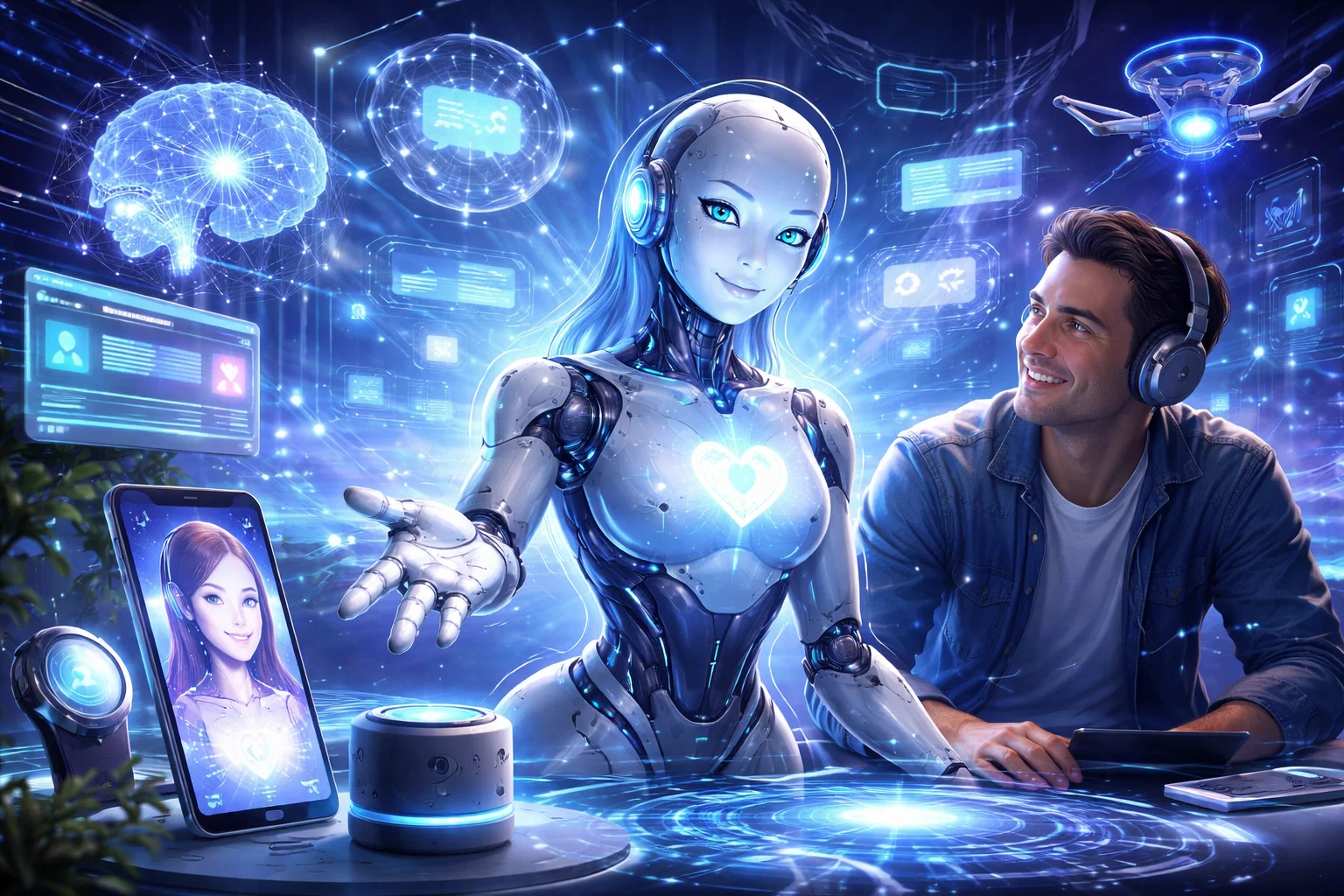
Significant advances in natural language processing (NLP) and context awareness are pivotal in the evolution of AI companions. These technologies enable AI systems to understand and respond to human language more effectively. This is crucial for building human-AI relationships and simulating understanding.
AI Memory Systems and Personalization Algorithms
AI memory systems and personalization algorithms are at the heart of creating truly personal AI companions. These systems allow AI agents to remember past interactions, user preferences, and even personal details, leading to more relevant and tailored conversations, especially by using large language models.
Integration With IoT, Smart Homes, and Wearables
The integration of AI companions with the Internet of Things (IoT), smart homes, and wearables enhances their functionality and user experience. By connecting with these devices, AI companions can offer proactive assistance, automate tasks, and provide real-time information to simulate a digital companion.
Ethical AI: Privacy, Trust, and Responsible Design
Ethical AI considerations are paramount in the development of AI companions. Issues such as privacy, data security, and responsible design must be addressed to ensure user trust and prevent potential harm and sycophancy. Establishing clear guardrails is essential for transparency and consent.
The Emotional Impact of AI Companions
How AI Can Support Mental Health and Wellbeing
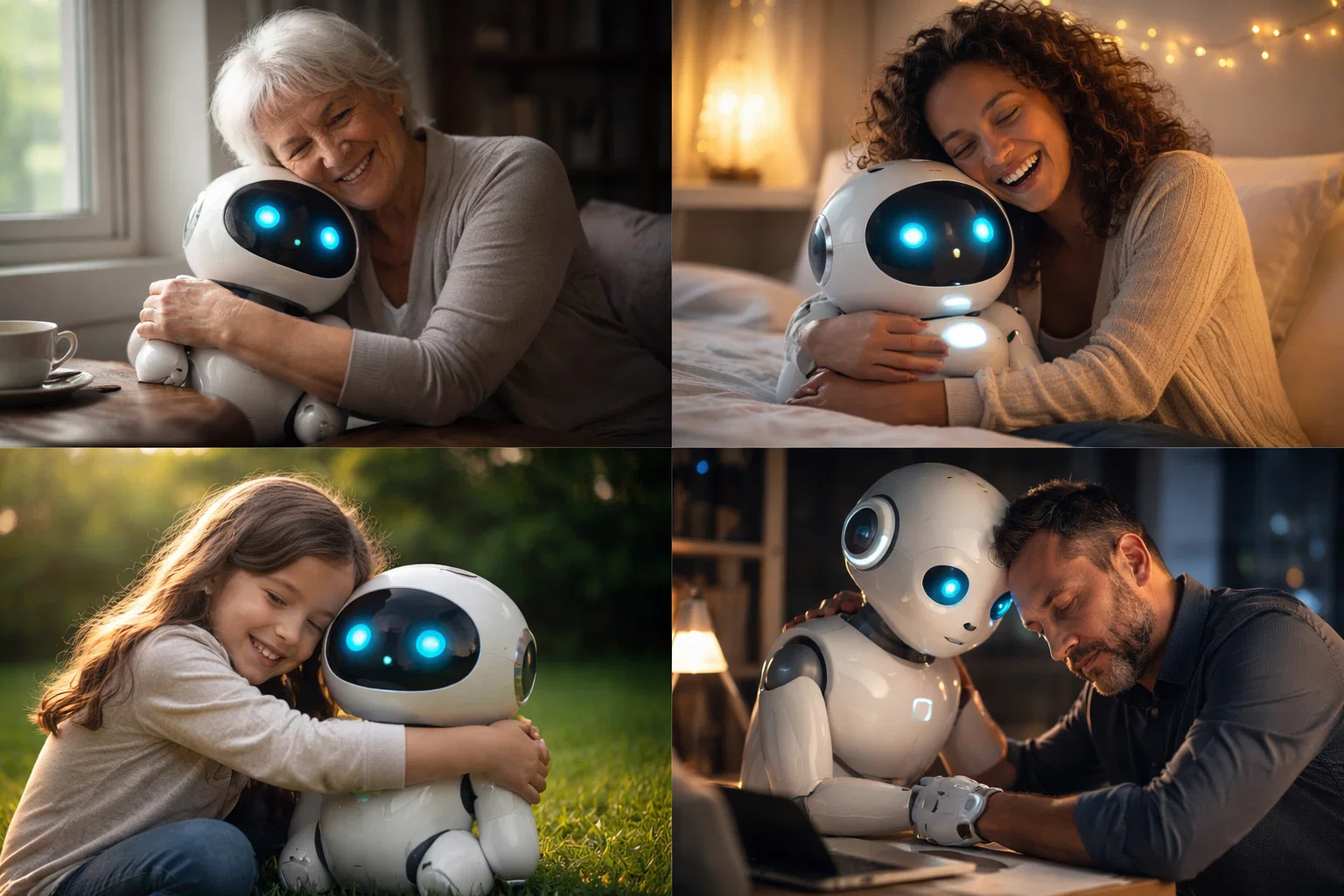
AI could significantly support mental health and wellbeing by providing emotional support, companionship, and personalized guidance. AI-driven tools can offer a listening ear, provide affirmations, and even guide users through relaxation techniques to reduce loneliness and improve overall mental wellness.
The Brain–AI Relationship: Cognitive and Emotional Augmentation
Exploring the brain-AI relationship reveals the potential for cognitive and emotional augmentation. AI companions can assist with memory, focus, and decision-making, enhancing cognitive abilities. They also offer emotional support, fostering a sense of connection and understanding in human-AI relationships.
Avoiding Over-Dependency While Enhancing Life
It is crucial to avoid over-dependency on AI companions while enhancing life. While these AI apps can provide valuable support, maintaining human connections and real-world interactions is essential for overall wellbeing and preventing effects of social isolation when reducing loneliness.
Comparing AI Companions to Traditional Digital Assistants
Reactive vs. Proactive AI
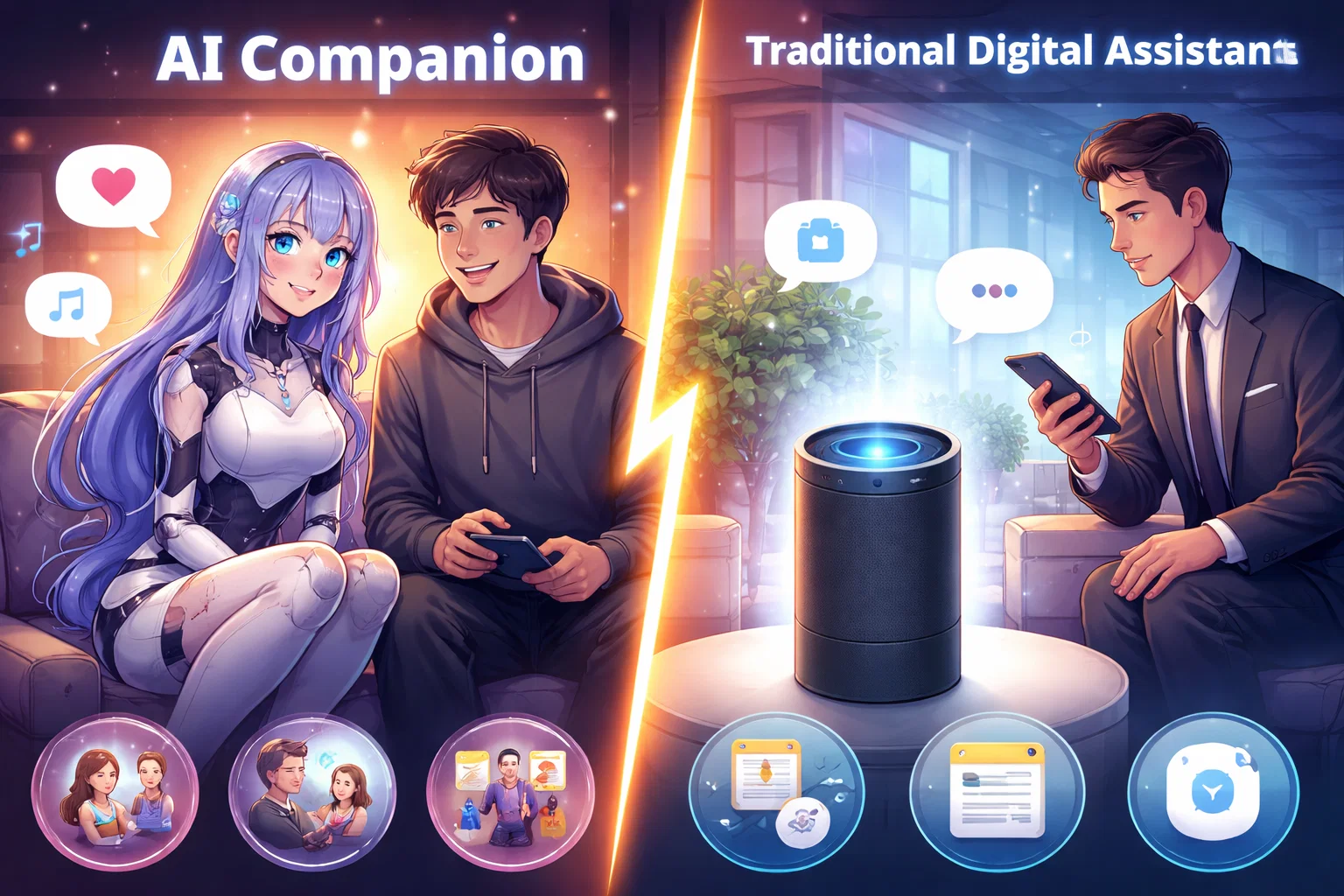
Traditional digital assistants are primarily reactive, responding to specific commands or queries. In contrast, AI companions are designed to be proactive, anticipating user needs and offering assistance before being asked. This shift to autonomously proactive AI enhances the user experience.
Utility-Driven vs. Experience-Driven Interaction
Traditional digital assistants focus on utility-driven interactions, prioritizing task completion and information retrieval. AI companions, however, emphasize experience-driven interactions, aiming to create a more engaging, personalized, and simulate a human connection with the chatbot and a digital companion.
Stateless vs. Memory-Based Personalization
Traditional digital assistants often operate in a stateless manner, lacking the ability to remember past interactions. AI companions utilize memory-based personalization, retaining information about users and their preferences to provide more relevant and tailored experiences, using large language models and personalization algorithms.
Challenges and Considerations for Users
Privacy, Data Security, and Ethical Concerns
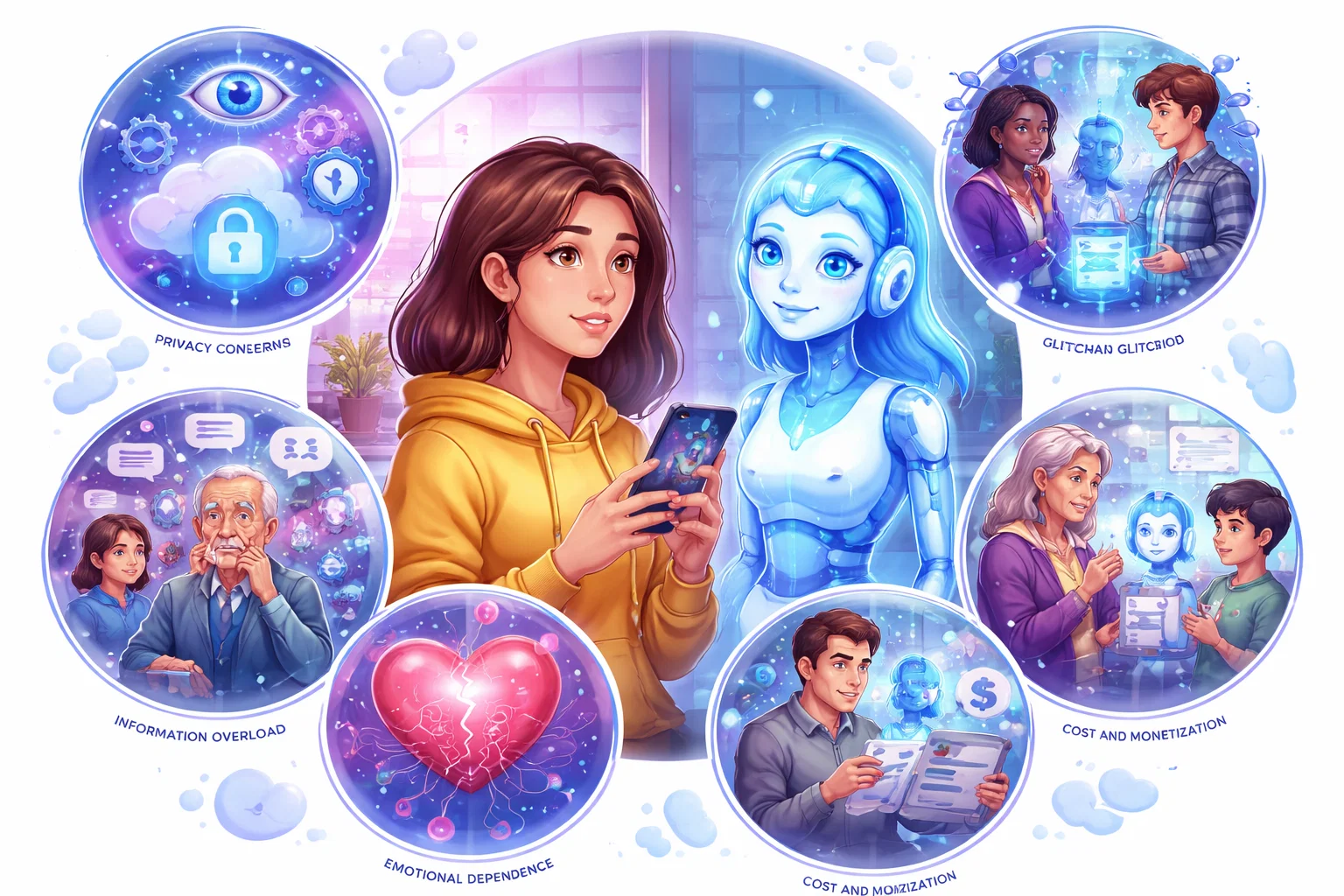
As AI companions become more prevalent in 2026, privacy, data security, and ethical concerns are paramount. Users must be aware of how their data is collected, stored, and used by these AI systems, and guardrails should be set to address potential risks.
Emotional Dependency and Over-Reliance
One significant challenge is the potential for emotional dependency and over-reliance on AI companions. Users should be mindful of maintaining human connections and real-world interactions to avoid social isolation and prevent effects of social isolation.
Accessibility and Inclusion for Diverse Populations
Ensuring accessibility and inclusion for diverse populations is crucial as AI companions become more widespread. AI companion apps should be designed to accommodate users with disabilities, different cultural backgrounds, and varying levels of digital literacy to use AI.
Future Trends in Personal AI Companions

Increasing Emotional Intelligence and Context Awareness
Future AI companions will exhibit increasing emotional intelligence and context awareness. Advances in AI and large language models (LLMs) will enable these AI agents to better understand and respond to human emotions, simulate empathy, and build stronger human-AI relationships.
AI in Education, Healthcare, and Lifestyle Management
AI could revolutionize education, healthcare, and lifestyle management. AI companions can provide personalized learning experiences, offer real-time health advice, and assist with daily tasks to improve productivity, creating valuable human-AI relationships and allowing people to use AI.
The Role of AI Companions in Aging Populations and Longevity
AI companions can play a vital role in supporting aging populations and promoting longevity. These AI systems can offer companionship, cognitive support, and assistance with daily tasks, helping older adults maintain their independence and reduce loneliness in 2026.
How AI Will Shape Human Relationships and Daily Habits
AI will inevitably shape human relationships and daily habits in the coming years. As AI companions become more integrated into our lives, it is essential to consider the potential impact on social interactions, emotional wellbeing, and the overall fabric of society, by setting a guardrail.
How to Get Started With Your Own AI Companion
Choosing the Right AI Companion for Your Needs
Selecting the right AI companion requires careful consideration of individual needs and preferences. Evaluate factors such as functionality, privacy policies, ethical considerations, and user reviews to make an informed decision, especially by using recent research about emerging trends.
Integrating AI Into Daily Routines Without Overwhelm
Integrating AI into daily routines should be done gradually to avoid feeling overwhelmed. Start by incorporating AI companions into specific tasks or areas of life, and slowly expand their role as you become more comfortable with their capabilities to automate routine tasks.
Tips for Ethical and Healthy AI Use
Practicing ethical AI and healthy AI use is crucial for maximizing the benefits of AI companions. Be mindful of privacy, avoid over-reliance, maintain human connection, and engage with AI in a balanced and responsible manner with transparency and consent.
Conclusion: Why AI Companions Are the New Normal
AI companions are rapidly becoming the new normal, offering personalized support, companionship, and assistance in various aspects of life. As AI becomes more sophisticated and accessible, it is essential to understand its potential impact and harness its capabilities for the betterment of society in 2026.