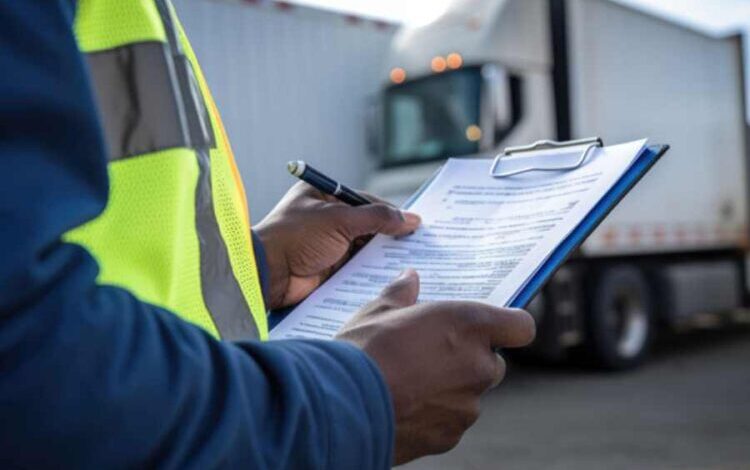
7 Things You Should Know Before Filing a Truck Accident Claim
A serious truck accident can leave victims dealing with far more than vehicle damage. Medical bills can accumulate quickly, time away from work can create financial pressure, and injuries may affect a person’s ability to return to normal life.
At the same time, a truck accident claim can be considerably more complicated than a typical collision between passenger vehicles. Commercial trucking companies, insurers, contractors, and other parties may all become involved, each with their own records, responsibilities, and legal interests.
Before filing a claim, understanding how these cases work can help injured individuals protect their rights and avoid decisions that may weaken their position later.
Here are seven important things to know.
1. A Truck Accident Claim May Involve More Than the Driver
One of the biggest differences between truck accident cases and ordinary car crashes is the number of potentially responsible parties.
The truck driver may be responsible if speeding, distracted driving, fatigue, impairment, or another unsafe action contributed to the collision. But responsibility may extend much further.
Depending on the circumstances, potentially liable parties may include:
- The trucking company
- A maintenance or repair contractor
- A cargo-loading company
- A freight broker or other transportation contractor
- A vehicle or component manufacturer
- Another driver involved in the collision
Determining who may be responsible often requires examining contracts, employment relationships, maintenance records, driver records, and other evidence.
Attorneys Arthur S. Ried and Juan R. Pecina of Ried Pecina Trial Lawyers handle serious collision cases in which identifying the complete chain of responsibility can be essential. Consulting a truck accident lawyer can help victims understand which individuals or companies may potentially be held accountable.
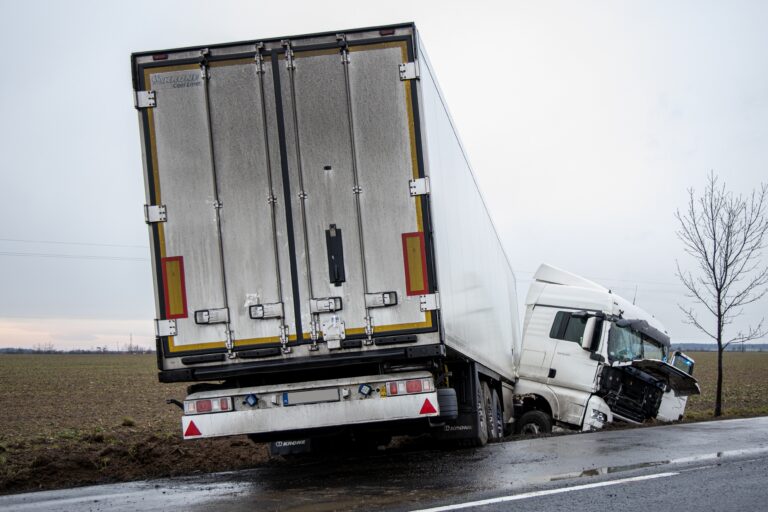
2. Trucking Companies Often Have Significant Evidence
Commercial trucks generate and retain information that may help explain how a crash occurred.
Depending on the truck and carrier, relevant evidence may include electronic logging device records, GPS information, vehicle data, dispatch communications, maintenance records, inspection reports, and onboard camera footage.
Driver-related documentation may also become important, including:
- Driving history
- Training records
- Qualification files
- Hours-of-service records
- Drug and alcohol testing information
- Previous safety violations
This evidence may help establish whether the driver had been operating for too long, whether the truck had known mechanical problems, or whether company practices contributed to unsafe conditions.
However, some records may only be retained for limited periods. For that reason, preserving evidence early can become an important part of a truck accident claim.
3. The Insurance Company Is Not Necessarily Evaluating the Claim From Your Perspective
After a truck crash, an insurance representative may contact an injured person relatively quickly.
That contact can seem routine, but insurance companies generally investigate claims with their own financial interests in mind. An adjuster may ask for a recorded statement, request medical information, or discuss a possible settlement.
Providing incomplete or imprecise information before the full extent of the injuries is understood can create complications.
The same applies to early settlement offers.
Some injuries require ongoing treatment or may affect a person’s ability to work for months or years. Accepting compensation before understanding those long-term consequences may prevent the injured person from pursuing additional recovery later.
Anyone familiar with the role of a car accident lawyer will recognize a similar principle in truck cases: insurance communications should be approached carefully, particularly when serious injuries and substantial damages are involved.

4. The Full Value of a Claim May Extend Beyond Current Medical Bills
It is easy to think of an accident claim as reimbursement for emergency-room bills and vehicle repairs.
Serious truck accident claims can involve much broader losses.
Depending on the facts of the case and applicable law, damages may include:
- Emergency medical treatment
- Hospitalization and surgery
- Rehabilitation and physical therapy
- Future medical care
- Lost wages
- Reduced future earning capacity
- Property damage
- Physical pain
- Mental anguish
- Physical impairment
A person who suffers a major orthopedic injury, traumatic brain injury, spinal injury, or other long-term condition may face consequences extending far beyond the first several weeks after the crash.
Assessing a claim properly therefore means examining not only what the accident has already cost, but also what it may continue to cost in the future.
5. What You Do After the Crash Can Affect the Claim
The period immediately following an accident can become important evidence later.
Seeking appropriate medical attention is one example. Some injuries are obvious at the scene, while others develop over time. Medical documentation can help establish the nature of the injuries and connect treatment to the collision.
Other useful steps may include preserving the following:
- Photographs of the vehicles and accident scene
- Medical records and invoices
- Prescription information
- Repair estimates
- Employment records showing lost income
- Contact information for witnesses
- Police and incident reports
Social media activity should also be considered carefully. Photographs, comments, or posts made after an accident may be reviewed by insurers or opposing parties and interpreted in ways the injured person never intended.

6. Truck Accident Investigations Can Require Specialists
Some commercial vehicle collisions cannot be fully understood simply by reading a police report.
When liability is disputed, or the crash is especially severe, attorneys may work with professionals in different technical fields.
An accident reconstruction specialist, for example, may analyze vehicle movement, braking distances, impact points, roadway evidence, photographs, and electronic vehicle information.
Other cases may require experts in:
- Commercial trucking safety
- Mechanical engineering
- Vehicle maintenance
- Cargo securement
- Medicine
- Vocational rehabilitation
- Economics and future earning capacity
These specialists may help determine both why the accident occurred and how the resulting injuries will affect the victim over time.
For this reason, building a truck accident case can involve much more than exchanging information with an insurance adjuster.
7. There Are Deadlines for Filing a Claim
Every personal injury case is subject to legal deadlines.
These deadlines, commonly referred to as statutes of limitations, generally determine how long an injured person has to file a lawsuit. The applicable period can vary depending on the jurisdiction and the circumstances of the accident.
Other deadlines may apply when governmental entities, unusual ownership structures, or specific types of defendants are involved.
Waiting too long can also create practical problems even before a legal deadline expires.
Witnesses may become harder to locate. Surveillance footage can be deleted. Vehicles may be repaired or returned to service. Electronic records may be overwritten or destroyed according to ordinary retention schedules.
Starting the investigation earlier can make it easier to preserve the information needed to establish what happened.
A Truck Accident Claim Is Often More Complex Than It First Appears
A crash involving a commercial truck may look straightforward from the roadside, but the underlying claim can involve multiple companies, extensive records, specialized insurance policies, technical evidence, and significant long-term damages.
That makes preparation especially important.
Before filing a truck accident claim, injured individuals should understand who may be responsible, what evidence exists, how insurers may approach the case, and how present injuries could affect their future.
Attorneys Arthur S. Ried and Juan R. Pecina of Ried Pecina Trial Lawyers represent people injured in serious accidents and investigate the circumstances surrounding collisions to determine how responsibility should be allocated.
The most important lesson is simple: a truck accident claim is not only about proving that a collision occurred. It is about establishing why it happened, who contributed to it, and what the crash has truly cost the person who was injured.