
In an increasingly interconnected world, where constant social engagement and digital stimulus often lead to emotional fatigue, understanding and protecting one’s social energy has become paramount. This guide explores the emerging trends and strategies people are adopting in 2026 to safeguard their personal energy and foster a more balanced and fulfilling life.
Why Social Energy Became the New Wealth in 2026
In 2026, social energy has emerged as a critical component of overall well-being, particularly for Gen Z and young adults navigating the complexities of modern life. With the relentless pace of social interactions and the pervasive nature of digital media on mental health, people are realizing that their capacity for meaningful engagement is finite and needs to be actively protected from drain and depletion.
Understanding Social Energy in Modern Life
Social energy can be understood as the finite emotional and mental resources individuals possess for social interactions and engagement. Unlike physical energy, which often recharges with rest, social energy is intricately linked to emotional well-being and can be quickly drained by excessive social activities, large social gatherings, or even the subtle pressures of an always-on digital life.
Why Emotional Overload Is Increasing in 2026
The increase in emotional overload in 2026 stems from several factors, including the pervasive nature of social media, the expectation of constant availability, and the sheer volume of information and social stimulus in our daily lives. This continuous input can lead to burnout, heightened social anxiety, and a persistent feeling of being overwhelmed, making it difficult for individuals to truly unwind and recharge.
What You Will Learn From This Guide
This guide will equip you with a holistic understanding of social energy protection, covering everything from identifying the sources of drain to implementing practical strategies. Specifically, you will learn how to:
- Set boundaries and practice mindfulness.
- Adopt new lifestyle habits that help conserve your personal energy, enabling you to selectively engage and flourish in your social life without succumbing to emotional fatigue.
The Evolution of Social Energy Protection in 2026
The concept of social energy protection in 2026 has evolved significantly from earlier notions of self-care. It now encompasses a more proactive and strategic approach to managing one’s social life, recognizing the profound impact social interactions have on mental clarity and overall sense of well-being. This evolution reflects a growing awareness that just like financial wealth, social energy needs to be carefully managed and invested.

From Physical Burnout to Emotional Burnout
While physical burnout was a primary concern in earlier decades, particularly before 2022, the focus has increasingly shifted to emotional burnout. This type of exhaustion arises from sustained emotional demands, often exacerbated by constant social engagement and the pressure to maintain an active online presence. People are now prioritizing strategies to prevent this emotional drain, recognizing its detrimental effects on mental health.
The Impact of Digital Noise on Attention and Mood
Digital noise, characterized by endless notifications, constant scrolling, and the fear of missing out, significantly impacts attention and mood. This pervasive stimulus makes it challenging to concentrate and can lead to increased stress and anxiety. Individuals, especially Gen Z, are becoming more aware of how this digital overload depletes their personal energy and are actively seeking ways to reduce its influence on their daily lives.
Why People Are Rethinking Relationships and Boundaries
In 2026, individuals are actively rethinking relationships and boundaries to protect their social energy. This involves a conscious effort to prioritize meaningful connections and establish clear limits on social interactions that lead to drain. There’s a growing recognition that setting boundaries is not about avoidance but about fostering healthier, more energizing relationships that contribute positively to one’s emotional well-being and allowing time alone to recharge.
Top Social Energy Protection Trends of 2026
The year 2026 has seen the rise of several key trends aimed at safeguarding social energy, reflecting a collective societal shift towards more mindful and intentional social engagement. These trends represent innovative approaches to managing personal energy, ensuring individuals can maintain a balanced and fulfilling life amidst the demands of modern society.
Digital Detox Lifestyle and Reduced Screen Time
The digital detox lifestyle is a prominent trend in 2026, where individuals consciously reduce their screen time to conserve personal energy and improve emotional well-being. This proactive measure aims to combat the constant stimulus and social pressure that often leads to emotional fatigue and burnout, allowing one to truly unwind. Key aspects of this lifestyle include:
- Setting specific periods for being completely offline
- Turning off notifications
- Minimizing social media usage
Energy-Based Relationship Filtering
Energy-based relationship filtering is a significant trend, particularly among Gen Z, involving the conscious decision to prioritize social connections that energize rather than deplete personal energy. This approach applies principles of social science to assess which social interactions contribute positively to one’s emotional well-being and which lead to burnout. It emphasizes the importance of quality over quantity in one’s social life.
Phone-Free Social Spaces and Events
Phone-free social spaces and events are gaining traction as people seek to reduce digital stimulus and foster genuine social engagement. These environments encourage attendees to fully immerse themselves in the present moment, free from the constant distractions of screens and the pressure to document every experience. This trend allows for deeper, more meaningful social interactions and helps to conserve personal energy.
Quiet Living and Low-Stimulation Lifestyles
Quiet living and low-stimulation lifestyles are becoming a preferred choice for those aiming to protect their social energy and reduce emotional overload. This trend involves consciously creating environments with minimal external stimulus, allowing for more time alone and opportunities to unwind. It’s a holistic approach to well-being, fostering a sense of peace and improving mental clarity, thereby helping to prevent social burnout.
Emotional Boundary Setting (“Soft No” Culture)
Emotional boundary setting, characterized by a “soft no” culture, enables individuals to decline social activities and requests without guilt, thus conserving their personal energy. This gentle yet firm approach to setting limits on social interactions is vital for preventing drain and promoting emotional well-being. It reflects a growing understanding that prioritizing self-care through clear boundaries is crucial for a balanced and fulfilling life.
Social Energy Budgeting and Interaction Limits
Social energy budgeting involves consciously allocating one’s finite personal energy to social interactions, setting clear limits on how much time and emotional investment is given to various social activities. This proactive strategy helps individuals, especially introverts, to selectively engage and avoid emotional fatigue and burnout. By budgeting their social life, people can better manage their energy levels and ensure sustainable social engagement.
Recovery Rituals After Social Overload
Developing recovery rituals after social overload is a key strategy for restoring personal energy and maintaining emotional well-being. These rituals are essential for counteracting the drain from large social gatherings or intense social engagement, preventing social burnout, and promoting a holistic sense of wellness. Some examples of these helpful rituals include:
- Mindfulness practices
- Quiet time alone
- Engaging in low-stimulus activities that help individuals unwind and recharge
Intentional Online Presence and Less Oversharing
Maintaining an intentional online presence and practicing less oversharing is a growing trend, especially among Gen Z, aimed at protecting social energy. By being more selective about what is shared and how much time is spent digitally, individuals can reduce social pressure, comparison culture, and the constant stimulus that often leads to emotional fatigue. This approach conserves personal energy and fosters healthier media on mental health.
The Psychology Behind Social Energy Drain
Understanding the psychological underpinnings of social energy drain is crucial for developing effective protection strategies, highlighting the intricate connection between our social environment and mental health. This section delves into how our brains process social stimulus, identifying the mechanisms that contribute to emotional fatigue and burnout from constant social interactions.
How the Brain Reacts to Social Overstimulation
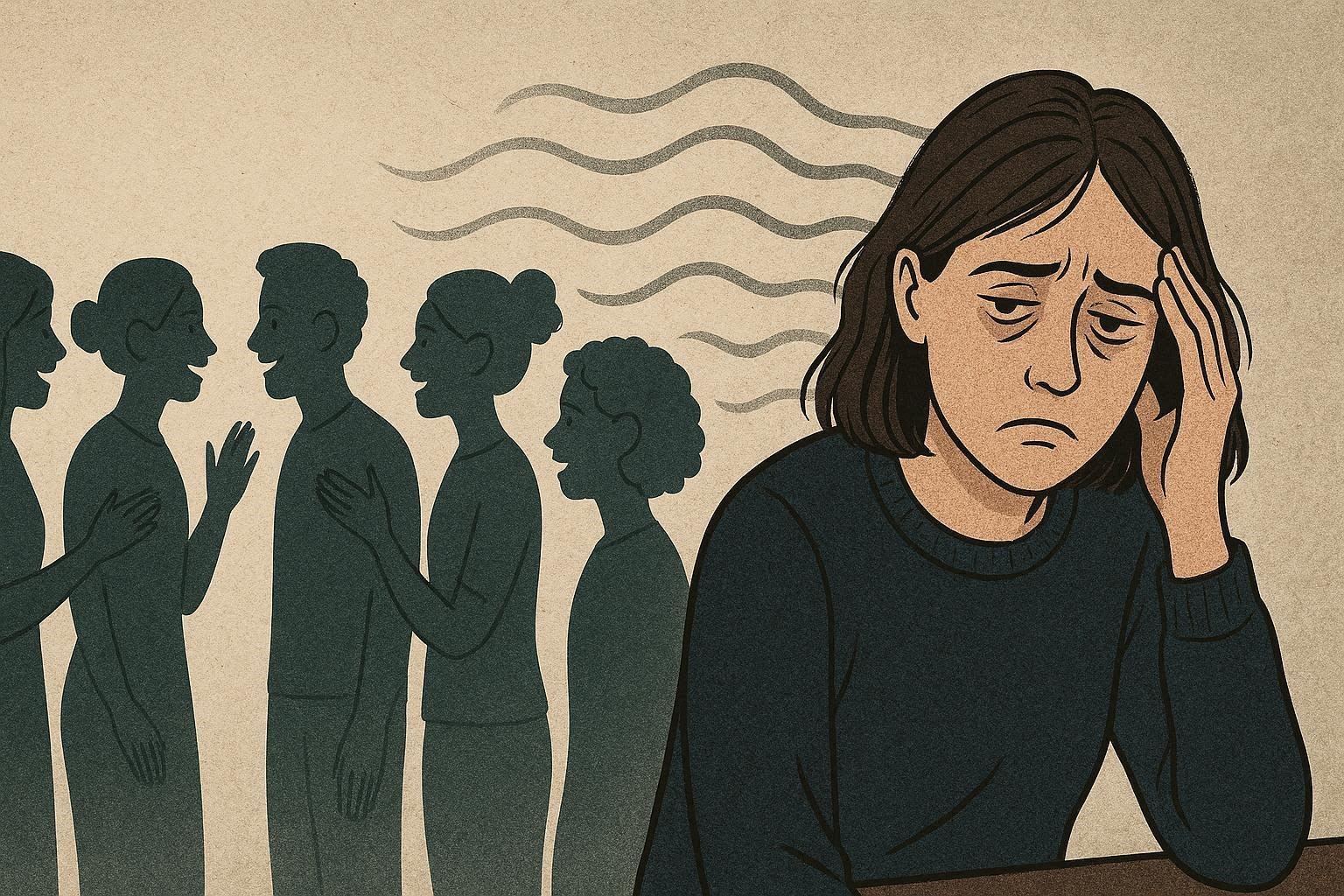
The brain reacts to social overstimulation by triggering stress responses, leading to a rapid depletion of personal energy and an increased risk of social burnout. Constant social interactions, especially in large social gatherings, can overwhelm the prefrontal cortex, impairing decision-making and contributing to emotional fatigue. This neurobiological response underscores the importance of managing social stimulus.
Dopamine Loops and Digital Addiction Effects
Dopamine loops, often amplified by digital interactions and the fear of missing out, contribute significantly to digital addiction and the drain of personal energy. The constant seeking of social validation through likes and comments creates a cycle of anticipation and reward that can deplete emotional well-being. Breaking these loops is vital for protecting mental clarity and reducing social burnout.
Emotional Contagion in Relationships
Emotional contagion in relationships refers to the unconscious spread of emotions from one person to another, which can significantly deplete one’s personal energy, particularly for empaths. Being constantly exposed to the stress or negative emotions of others in social interactions can lead to emotional fatigue and burnout, underscoring the need for clear boundaries and intentional self-care.
Why Alone Time Improves Mental Clarity
Alone time improves mental clarity by allowing the brain to process information without external social stimulus, facilitating reflection and emotional regulation. For many, especially introverts, this period of disengagement from social interactions is essential to recharge personal energy and prevent social burnout. It fosters a sense of self-awareness and helps maintain emotional well-being in a balanced and fulfilling life.
Daily Strategies to Protect Social Energy
Implementing daily strategies is essential for actively protecting social energy in 2026, offering practical tools to manage social interactions and emotional demands. These approaches focus on proactive measures to conserve personal energy, ensuring individuals can navigate their social life without succumbing to emotional fatigue or burnout, thereby enhancing overall well-being.
Setting Healthy Boundaries Without Guilt
Setting healthy boundaries without guilt is a cornerstone strategy for protecting social energy, allowing individuals to define limits in their social life. This involves a shift from people-pleasing to prioritizing one’s own emotional well-being, which is crucial for preventing drain and burnout. Learning to say “no” assertively yet kindly is vital for maintaining personal energy and fostering healthier social connections.
Building Low-Stress Communication Habits
Building low-stress communication habits is key to preserving social energy and minimizing emotional overload in daily interactions. This strategy involves being intentional with communication, avoiding unnecessary digital exchanges, and prioritizing clear, concise messages to reduce misunderstandings and emotional labor. Such habits help to conserve personal energy, preventing the drain often associated with constant, demanding social interactions.
Creating Personal Recovery Time Rituals
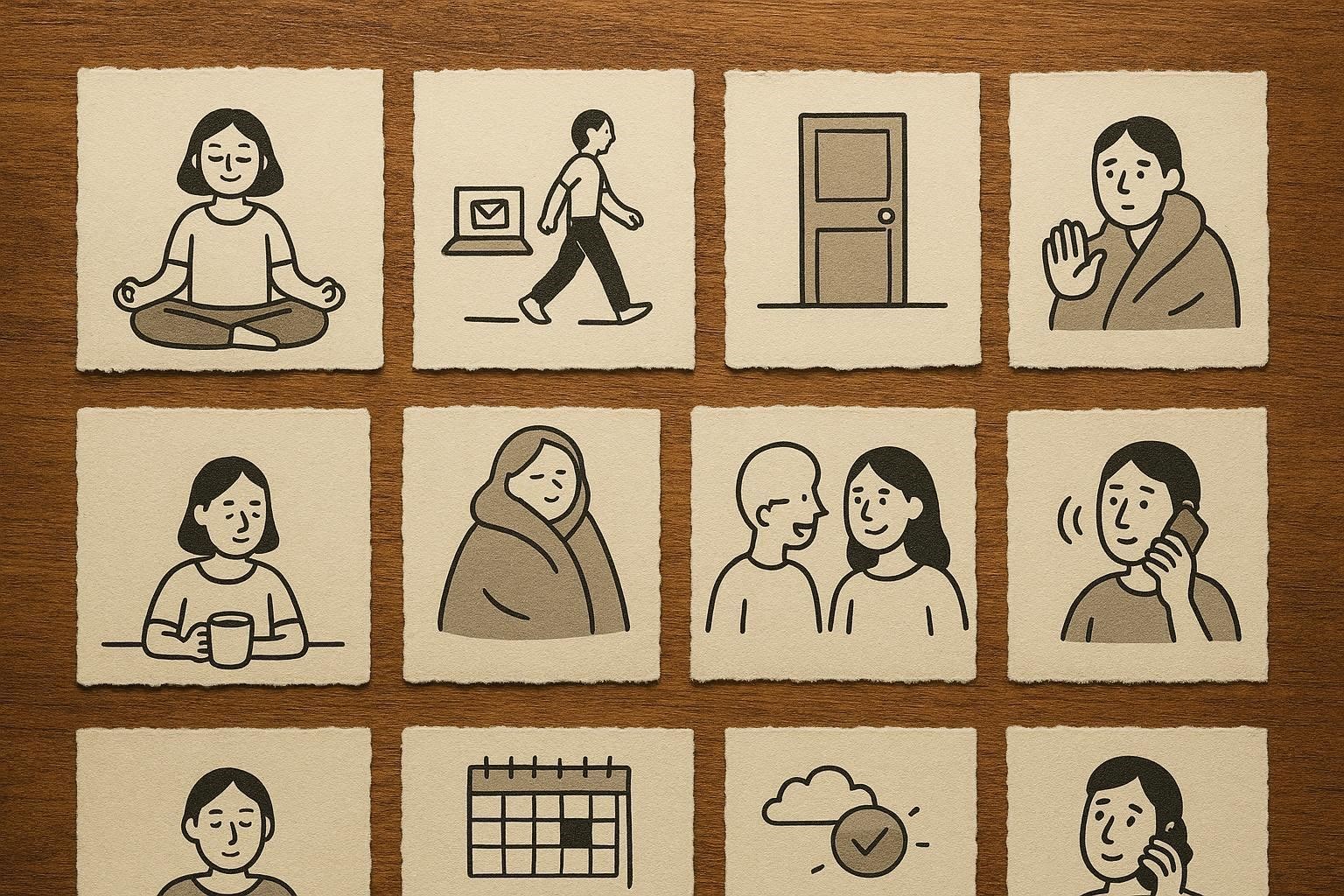
Creating personal recovery time rituals is an effective strategy for recharging social energy after periods of intense social engagement or digital stimulus. These rituals, which might include mindfulness exercises, time alone, or engaging in hobbies, are critical for individuals to unwind and process their experiences. This practice helps to combat emotional fatigue and prevents social burnout, maintaining a balanced and fulfilling life.
Managing Social Fatigue in Work and Life
Managing social fatigue in work and life involves strategically limiting social interactions and digital engagement to conserve personal energy throughout the day. This might mean scheduling breaks from meetings, declining non-essential social events, or creating clear boundaries between professional and personal social life. Proactive management of social stimulus is crucial for preventing emotional burnout and maintaining overall well-being.
Lifestyle Habits That Preserve Energy
Adopting specific lifestyle habits is crucial for preserving personal energy and maintaining emotional well-being in 2026. These practices move beyond reactive measures, instead focusing on proactive integration into daily routines to consistently conserve energy levels and prevent drain. By cultivating these habits, individuals can build a more resilient foundation for their social life, reducing the risk of burnout and promoting a balanced and fulfilling life.

Morning Calm Routines for Emotional Stability
Establishing morning calm routines is a powerful habit for fostering emotional stability and protecting personal energy from the outset of the day. By incorporating mindfulness practices or quiet time alone before engaging with social interactions or digital stimulus, individuals can set a grounded tone. This proactive approach helps to conserve energy, reducing the likelihood of emotional fatigue and providing a buffer against the overload of modern life.
Evening Reset and Recovery Practices
Implementing evening reset and recovery practices is essential for individuals to unwind and recharge their personal energy after a day of social engagement and digital exposure. These rituals, which might include disconnecting from screens, practicing relaxation techniques, or engaging in low-stimulus activities, help to mitigate emotional fatigue. They are vital for preventing social burnout and ensuring adequate time alone to reset for the next day, fostering overall emotional well-being.
Nature Exposure for Emotional Reset
Nature exposure is a highly effective habit for an emotional reset, providing a powerful antidote to the drain of constant social interactions and digital noise. Spending time in natural environments helps to reduce stress, improve mental clarity, and restore personal energy. This practice allows individuals to consciously unwind from social stimulus, promoting a holistic sense of well-being and preventing social burnout by offering a peaceful retreat from the demands of modern life.
Minimalist Scheduling and Time Blocking
Adopting minimalist scheduling and time blocking practices is a strategic habit for preserving personal energy by intentionally managing one’s social life and commitments. This approach involves prioritizing essential social activities and allocating specific blocks of time for them, while leaving ample room for time alone and recovery. By avoiding overload and excessive social engagement, individuals can conserve energy levels, preventing emotional fatigue and fostering a more balanced and fulfilling life.
Technology and Social Energy Drain
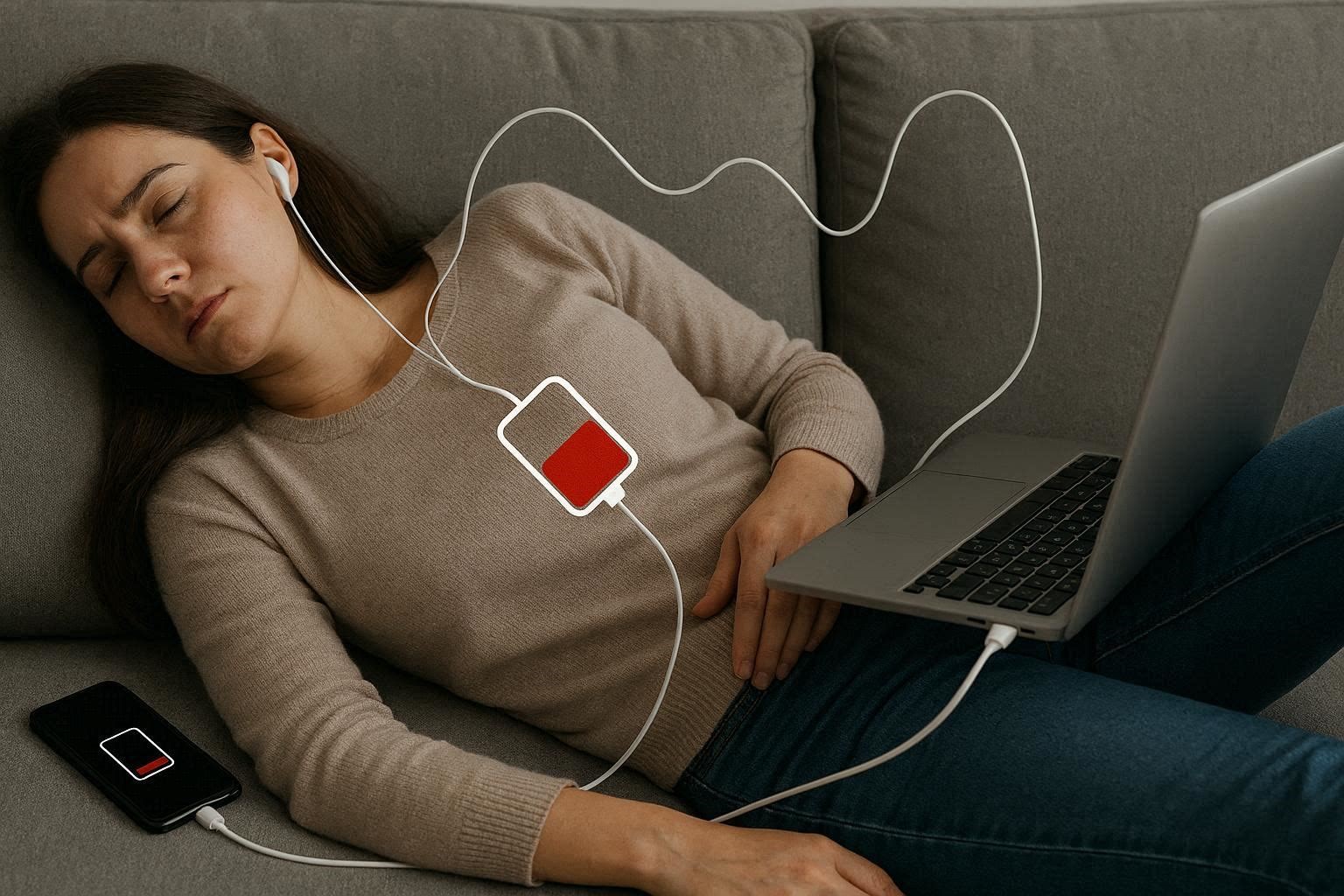
Technology, while connecting us, is a significant source of social energy drain in 2026, creating a constant influx of social stimulus that can lead to emotional fatigue and burnout. Understanding how digital platforms deplete personal energy is crucial for developing effective self-care strategies. This section explores the specific ways technology impacts our emotional well-being and highlights the necessity of setting digital boundaries in our daily lives.
The Attention Economy and Constant Notifications
The attention economy thrives on constant notifications, which relentlessly demand our focus and significantly contribute to social energy drain. Each ping is a subtle social interaction, pulling our attention and depleting our finite personal energy reserves, making it difficult to fully unwind. This incessant digital stimulus fosters a state of perpetual readiness, often leading to emotional fatigue and an inability to truly recharge, impacting overall emotional well-being.
Comparison Culture on Social Media Platforms
Comparison culture, pervasive on social media platforms, is a major contributor to social energy drain, particularly for Gen Z and young adults. The constant scroll through curated highlight reels can induce social anxiety, foster feelings of inadequacy, and deplete personal energy as individuals mentally compare their lives to others. This continuous social stimulus, often driven by the fear of missing out, leads to emotional fatigue and impacts overall emotional well-being, necessitating intentional digital boundaries.
Digital Boundaries as a Survival Skill
Establishing digital boundaries has become a crucial survival skill in 2026 for protecting personal energy and maintaining a balanced and fulfilling life. In an era of constant social engagement and pervasive digital stimulus, these boundaries help individuals conserve energy, prevent emotional fatigue, and mitigate social burnout. Learning to selectively engage and limit screen time is no longer a luxury but a fundamental component of self-care and emotional well-being.
Tools for Reducing Digital Overload
Fortunately, various tools are emerging to assist in reducing digital overload and protecting personal energy from the constant social stimulus of modern life. These include apps that limit screen time, notification blockers, and “do not disturb” features that allow individuals to consciously unwind and create time alone. Utilizing such tools empowers users to proactively manage their social life digitally, preventing emotional fatigue and supporting their emotional well-being.
Relationships and Energy Management
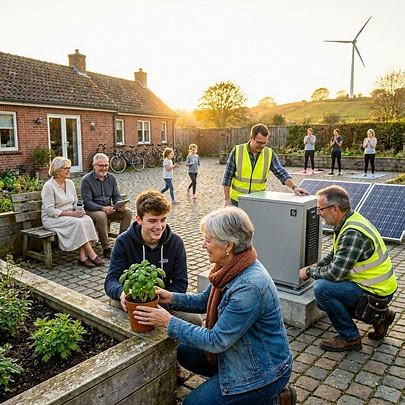
Effectively managing relationships is paramount for protecting social energy in 2026, as not all social interactions contribute positively to our well-being. This section explores how to identify and cultivate social connections that energize rather than deplete personal energy, emphasizing the importance of emotional reciprocity and healthy boundaries. Strategic relationship management is key to preventing social burnout and fostering a more balanced and fulfilling life.
Identifying Energizing vs Draining Relationships
Identifying energizing versus draining relationships is a critical skill for safeguarding personal energy and emotional well-being. Energizing social connections leave individuals feeling uplifted and supported, while draining social interactions often lead to emotional fatigue and a sense of depletion, akin to social burnout. Learning to distinguish between these types of relationships allows one to selectively prioritize those that contribute positively to their social life and conserve energy.
Emotional Reciprocity and Healthy Boundaries
Emotional reciprocity and healthy boundaries are fundamental pillars for maintaining personal energy within social connections and preventing drain. Reciprocity ensures that emotional give-and-take is balanced, while clear boundaries, particularly for introverts, define acceptable levels of social engagement, protecting against overload. Establishing these limits allows individuals to flourish in their social life without succumbing to emotional fatigue or social burnout, promoting a balanced and fulfilling life.
Letting Go of Toxic Connections Peacefully
Letting go of toxic connections peacefully is a vital, albeit challenging, step towards preserving personal energy and fostering emotional well-being. These relationships often lead to significant drain, emotional fatigue, and can contribute to social burnout, making avoidance a necessary form of self-care. The process involves setting firm boundaries and prioritizing one’s own sense of well-being, allowing space to recharge and rebuild a healthier social life.
Building Supportive Social Circles
Building supportive social circles is instrumental for cultivating a resilient social life that consistently energizes rather than depletes personal energy. These connections are characterized by mutual respect, understanding, and emotional reciprocity, acting as a buffer against social anxiety and emotional fatigue. Prioritising relationships that uplift and provide genuine support is a proactive strategy for preventing social burnout and enhancing overall emotional well-being in modern life.
Common Mistakes That Drain Social Energy
Overcommitting to Social Obligations
Overcommitting to social obligations is a common mistake that significantly drains personal energy, leading to emotional fatigue and social burnout. Many individuals, driven by the desire to socialize or a fear of missing out, often schedule too many social events or large social gatherings, which rapidly deplete their finite capacity for social interactions. This lack of strategic planning prevents adequate time alone to recharge, thereby negatively impacting overall emotional well-being and hindering a balanced and fulfilling life.
Ignoring Emotional Boundaries
Ignoring emotional boundaries is another critical error that contributes to the drain of personal energy and can lead to emotional fatigue. When individuals fail to establish and enforce clear limits in their social connections, they become susceptible to the emotional demands and stimulus of others, especially in draining relationships. This oversight prevents effective self-care, makes it difficult to selectively engage, and ultimately compromises their sense of well-being, leading to social burnout.
Constant Online Engagement Without Rest
Constant online engagement without sufficient rest is a pervasive mistake that severely depletes personal energy, particularly for Gen Z navigating the digital landscape. The relentless scroll through social media platforms, coupled with the constant stimulus of notifications and the fear of missing out, creates an environment of perpetual social interaction. This lack of time alone to unwind from digital noise leads to significant emotional fatigue and social burnout, profoundly affecting emotional well-being and mental clarity in modern life.
People-Pleasing and Energy Loss
People-pleasing is a detrimental habit that often results in substantial personal energy loss, as individuals prioritize the needs and desires of others over their own emotional well-being. This constant effort to socialize and avoid conflict, often manifesting as an inability to say “no” to social activities, leads to an imbalance in social interactions. The perpetual drain associated with people-pleasing prevents individuals from truly unwinding, fostering emotional fatigue and contributing to social burnout, diminishing a balanced and fulfilling life.
How to Start Protecting Your Social Energy
Step 1: Identify Energy Drains in Your Life
The first crucial step to protecting your social energy is to meticulously identify the specific social interactions, activities, or social connections that consistently deplete your personal energy. This self-assessment involves a mindful reflection on your daily lives and social events, noting moments of emotional fatigue or social anxiety. By pinpointing these energy drains, whether it’s excessive digital stimulus or certain draining relationships, you can begin to understand where your social energy is being lost and lay the groundwork for effective self-care and strategic avoidance.
Step 2: Set Digital and Social Boundaries
Once energy drains are identified, the next vital step is to set clear digital and social boundaries to conserve your personal energy and promote emotional well-being. This involves consciously limiting screen time, muting notifications, and selectively engaging in social activities, especially large social gatherings, that lead to overload. Establishing these limits helps you to unwind from constant stimulus and reclaim essential time alone, ensuring your social life is sustainable and does not lead to social burnout.
Step 3: Schedule Weekly Recovery Time
Scheduling dedicated weekly recovery time is an essential step to actively recharge your personal energy and mitigate emotional fatigue from social interactions. This intentional allocation of time alone allows you to unwind from the demands of modern life and digital stimulus, fostering a sense of peace and mental clarity. Regular recovery rituals are crucial for preventing social burnout, enhancing overall emotional well-being, and ensuring you have the energy levels to flourish in your social life.
Step 4: Practice Intentional Communication
Practicing intentional communication is a key step in protecting your social energy, focusing on quality over quantity in all social interactions. This involves being mindful of how and when you socialize, choosing to engage in meaningful conversations, and avoiding unnecessary digital exchanges that lead to emotional fatigue. By communicating selectively and asserting your boundaries, you can conserve personal energy, reduce social anxiety, and build healthier social connections that contribute positively to your emotional well-being, leading to a more balanced and fulfilling life.
Conclusion: The Future of Social Energy Protection
The future of social energy protection in 2026 and beyond emphasizes a proactive, interdisciplinary approach to emotional well-being. As the complexities of modern life and digital stimulus continue to evolve, individuals, particularly Gen Z, will increasingly prioritize self-care strategies that conserve personal energy, prevent social burnout, and foster a balanced and fulfilling life. The trends discussed highlight a collective societal shift towards greater awareness and intentional management of our social interactions, ensuring that our social life remains a source of enrichment rather than drain.