The landscape of relationships is continually evolving, and understanding the real reasons behind the global rise in divorce rates is crucial for contemporary society. This article delves into various factors contributing to the increasing number of marriages ending in divorce, exploring both societal shifts and personal challenges.
Understanding the Global Rise in Divorce Rates
In modern society, the phenomenon of marriage and divorce is undergoing significant transformations, with many countries reporting a higher divorce rate than in previous generations. Exploring these trends helps us understand the complexities of modern relationships.
Why Divorce Is Becoming More Common in Modern Society
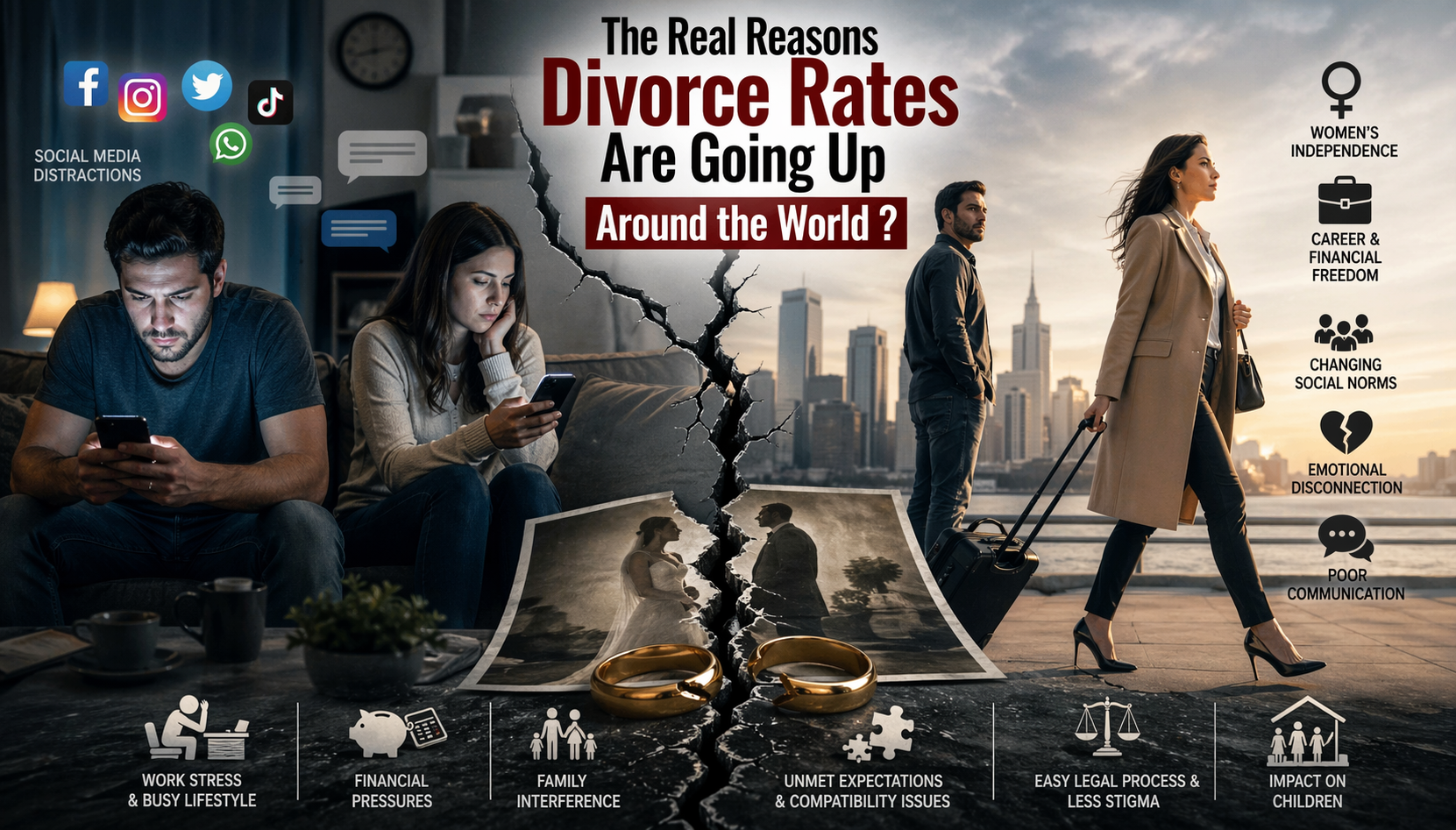
Divorce is becoming more common in modern society due to a confluence of factors, including evolving societal norms, increased personal autonomy, and shifting expectations about marital satisfaction. Many married couples today are less willing to stay in unfulfilling relationships, leading them to file for divorce at rates previously uncommon.
How Cultural and Economic Changes Are Reshaping Marriage
Cultural and economic changes are profoundly reshaping marriage, with significant implications for the likelihood of divorce. For instance, increased female independence and changing gender roles mean that individuals are less reliant on marriage for financial stability, contributing to a higher divorce rate when relationships falter.
Global Overview: Divorce Trends Across Different Regions
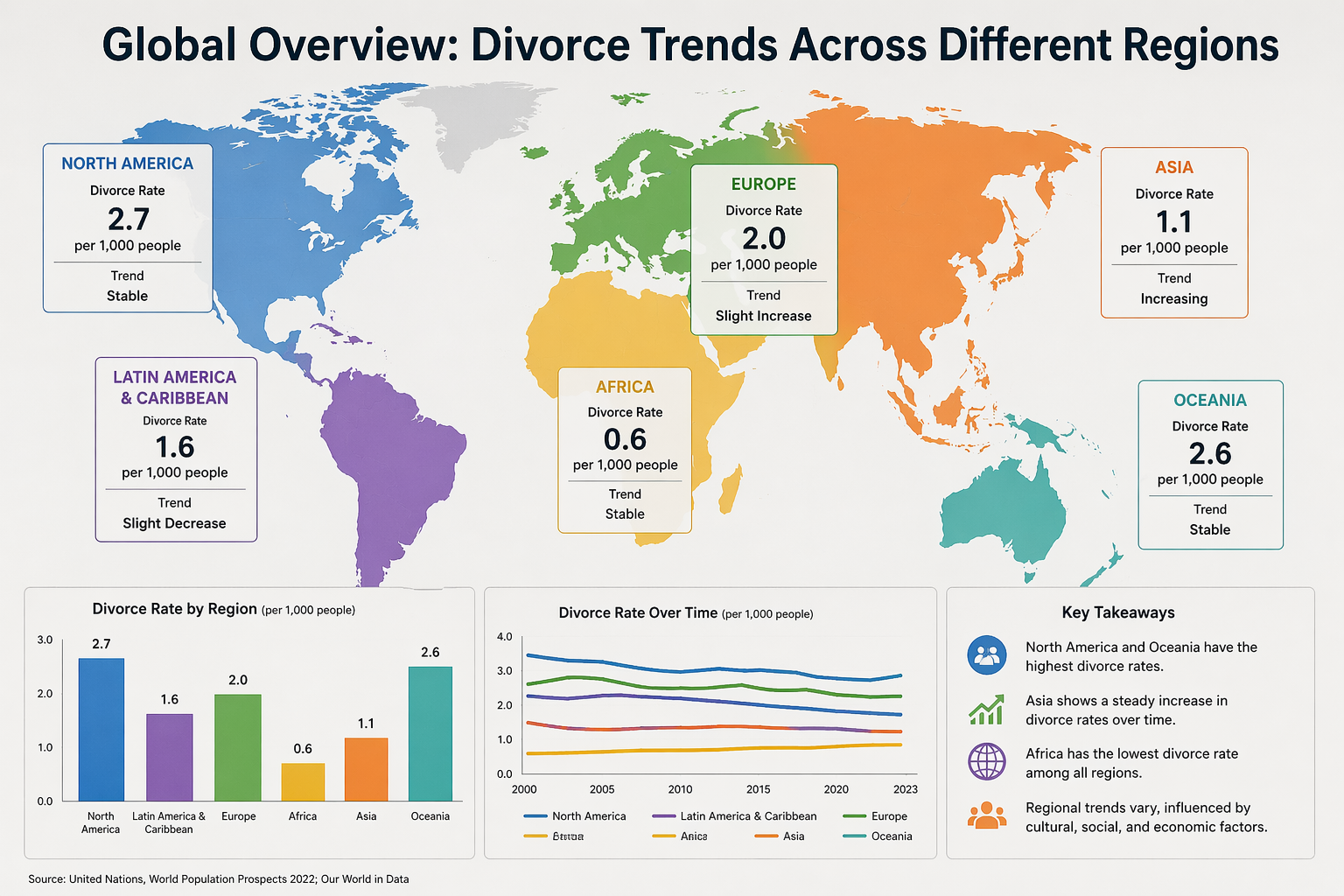
A global overview reveals diverse divorce trends across different regions, influenced by unique cultural, legal, and economic conditions. Understanding these variations provides valuable insights into the broader patterns of marriage and divorce worldwide.
Developed vs. Developing Countries: Key Differences
There are key differences in divorce rates between developed and developing countries, often linked to economic prosperity and social progress. While developing countries may show lower divorce rates but increasing trends, the situation in developed nations can be summarized as follows:
| Characteristic | Impact on Divorce Rates |
| Individualism | Tends to contribute to higher divorce rates |
| Accessible legal processes | Tends to contribute to higher divorce rates |
How Legal Systems and Cultural Norms Influence Divorce Rates
Legal systems and cultural norms significantly influence divorce rates, acting as both facilitators and deterrents to marriages ending in divorce. Several factors play a pivotal role:
| Category | Influence on Divorce |
|---|---|
| Legal Process | Ease of the divorce process, availability of online divorce options |
| Societal Norms | Stigma or acceptance of getting a divorce |
Reason #1: Unrealistic Expectations of Marriage
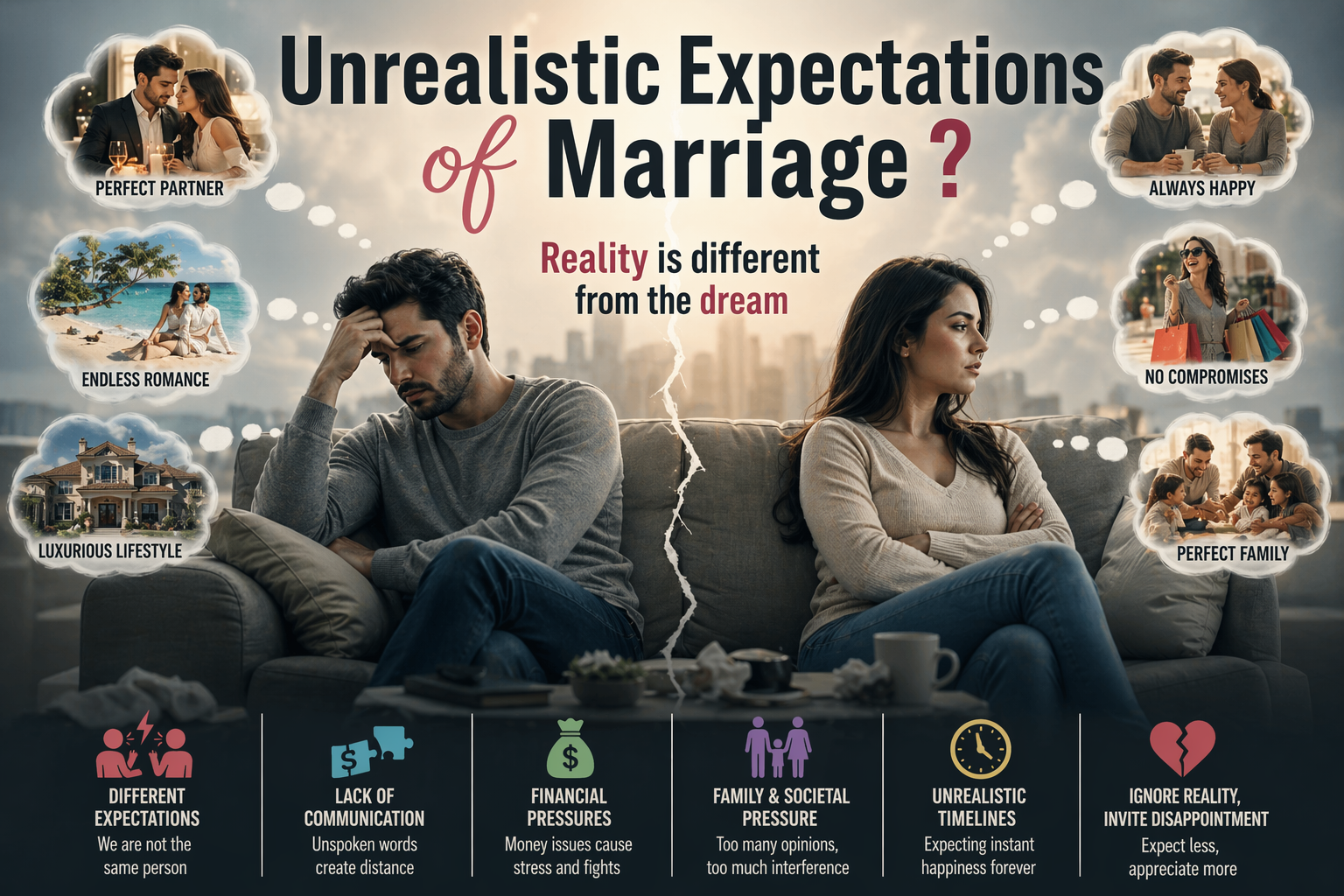
One of the primary reasons for the rising divorce rates is the pervasive presence of unrealistic expectations of marriage, often fueled by idealized portrayals in media. These expectations create a fragile foundation for many relationships, increasing the probability of conflict.
The “Perfect Relationship” Myth in Modern Culture
The “perfect relationship” myth, deeply embedded in modern culture, sets an impossibly high standard for married couples. This myth contributes to dissatisfaction when real-life partnerships inevitably fall short, making individuals more prone to considering divorce rather than working through difficulties.
How Media and Social Media Shape Relationship Expectations
Media and social media profoundly shape relationship expectations, often presenting an idealized version of love and partnership that is far removed from reality. Constant exposure to curated happiness and seemingly flawless relationships can lead to feelings of inadequacy and discontent, impacting marital satisfaction.
Reason #2: Social Media and Digital Comparison Culture
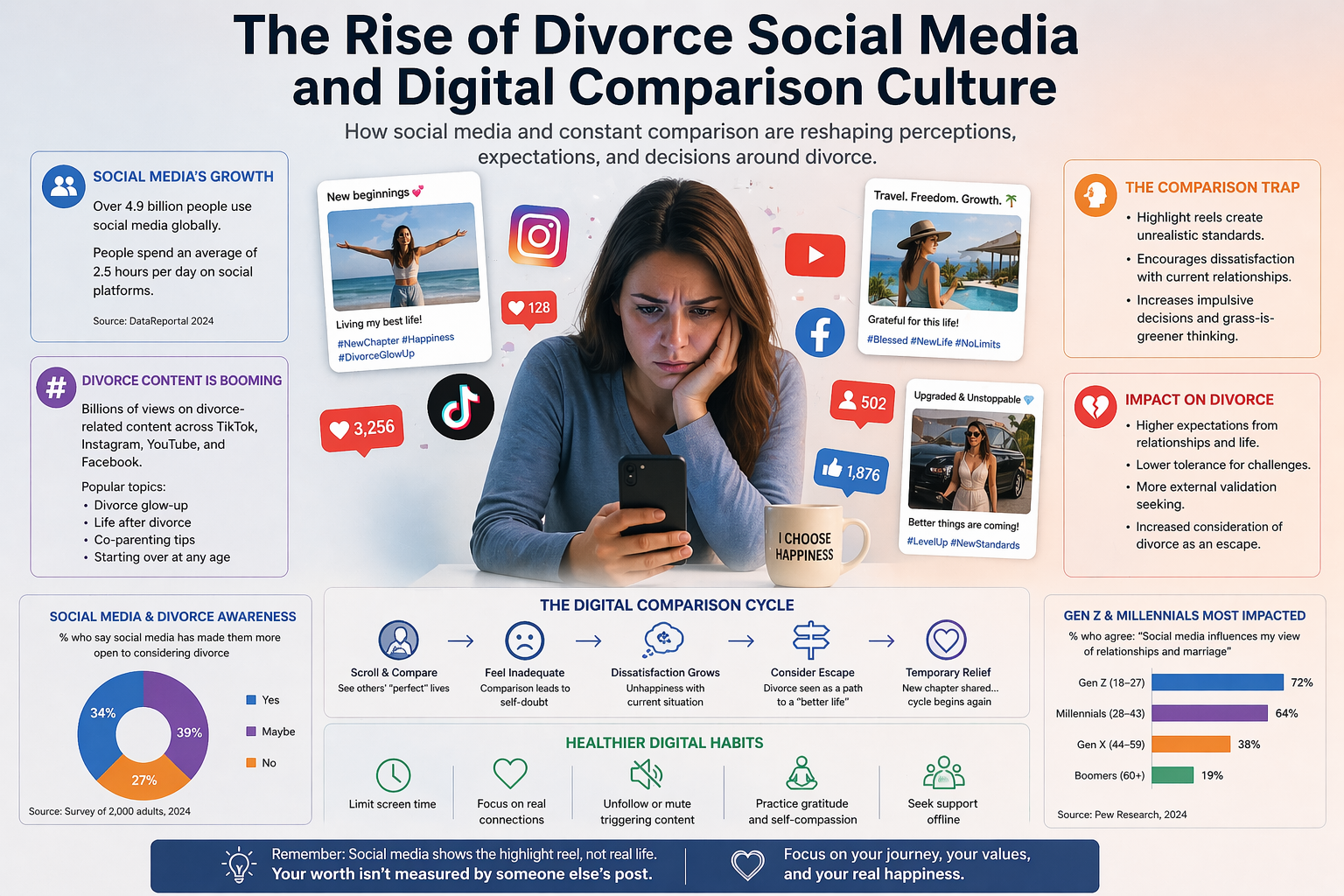
Social media and the digital comparison culture it fosters represent another significant factor contributing to the increase in divorce rates. The constant stream of idealized lives online can undermine the stability of real-world relationships, intensifying feelings of dissatisfaction.
How Platforms Influence Relationship Satisfaction
Social media platforms often influence relationship satisfaction by creating an environment where individuals constantly compare their own relationships to the seemingly perfect ones portrayed online. This digital comparison can lead to feelings of inadequacy, resentment, and a diminished appreciation for one’s own partner, contributing to a higher divorce rate.
The Impact of Constant Exposure to Idealized Couples
The impact of constant exposure to idealized couples online can be detrimental, fostering unrealistic expectations and discontent within actual marriages. When individuals perceive their own relationship as falling short of these fabricated ideals, it can erode trust and communication, increasing the likelihood of divorce.
Reason #3: Financial Stress and Economic Pressure
Money Conflicts as a Leading Cause of Divorce
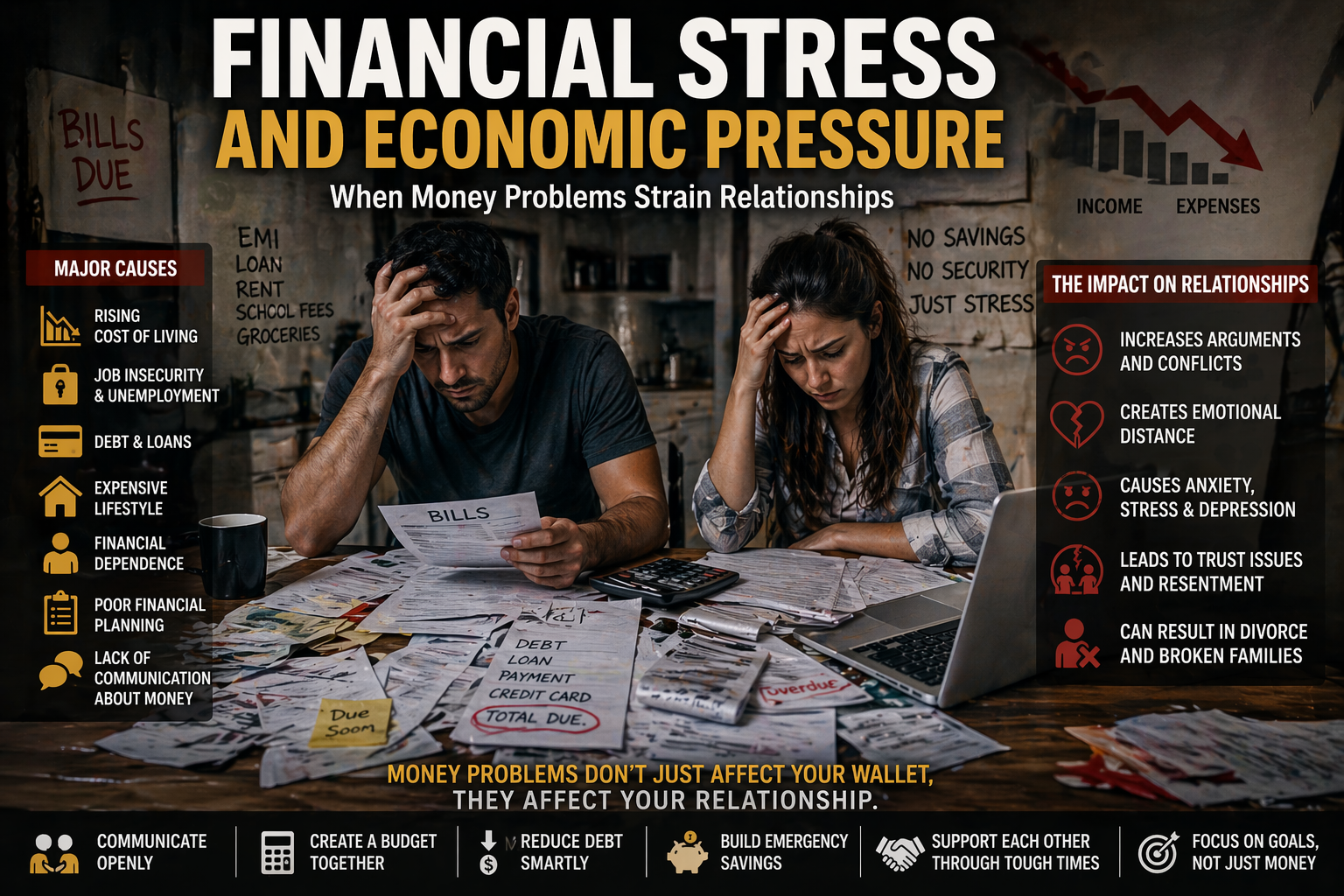
Financial stress and economic pressure are major contributors to the rising divorce rates, with money conflicts often serving as a leading cause of divorce among married couples. Disagreements over spending, savings, and debt can create deep rifts, making it more likely that marriages end in divorce.
Cost of Living, Debt, and Job Insecurity in Relationships
The crushing burden of the cost of living, accumulating debt, and pervasive job insecurity significantly impact relationships, often pushing individuals to file for divorce. These economic stressors erode trust and cooperation, increasing the likelihood of divorce as couples struggle to navigate their shared financial realities.
Reason #4: Breakdown in Communication Skills

Emotional Miscommunication and Conflict Escalation
A breakdown in communication skills is a critical factor in the increasing number of marriages that end in divorce, leading to emotional miscommunication and rapid conflict escalation. When couples cannot express their needs or understand their partner’s perspective, the probability of divorce rises considerably.
Lack of Conflict Resolution Skills in Modern Couples
Modern couples often exhibit a significant lack of conflict resolution skills, which exacerbates marital problems and contributes to a higher divorce rate. Without effective strategies to navigate disagreements, minor issues can grow into insurmountable obstacles, making it easier to consider filing for divorce.
Reason #5: Decline in Emotional Intimacy

Emotional Disconnect Despite Physical Coexistence
The decline in emotional intimacy, characterized by an emotional disconnect despite physical coexistence, is a profound reason why more marriages end in divorce today. This lack of deep connection leaves individuals feeling isolated and unfulfilled, driving them toward the decision to get a divorce.
The Role of Stress, Work, and Busy Lifestyles
Stress, demanding work schedules, and increasingly busy lifestyles play a significant role in the decline of emotional intimacy, contributing to higher divorce rates. These external pressures often leave little time or energy for couples to nurture their relationship, increasing the likelihood of divorce.
Reason #6: Changing Gender Roles and Independence

Increased Financial and Social Independence
Changing gender roles have led to increased financial and social independence for both partners, profoundly impacting marriage and divorce trends. With greater autonomy, individuals are less reliant on a relationship for security, making them more willing to file for divorce if their needs are not met.
How Modern Freedom Affects Relationship Longevity
Modern freedom significantly affects relationship longevity, as individuals pursue personal fulfillment and career aspirations with greater autonomy. This shift can challenge traditional marital structures, leading to a higher divorce rate when personal goals diverge from shared marital commitments, causing marriages to end in divorce.
Reason #7: Marriage Without Proper Preparation

Early Marriages and Lack of Emotional Maturity
Marriage without proper preparation, particularly in early marriages characterized by a lack of emotional maturity, significantly contributes to the rising divorce rates. When individuals enter into marriage without a clear understanding of its responsibilities or the necessary emotional tools to navigate challenges, the likelihood of divorce increases substantially, often leading these marriages to end in divorce prematurely.
Compatibility Gaps in Values, Goals, and Lifestyle
Significant compatibility gaps in values, goals, and lifestyle are another critical factor leading to a higher divorce rate, as many individuals enter marriage without thoroughly assessing these fundamental alignments. When married couples discover profound differences in their core beliefs or aspirations post-marriage, it often creates insurmountable tensions that compel them to file for divorce.
Reason #8: Infidelity and Trust Breakdown

Emotional vs. Physical Infidelity in Modern Relationships
Infidelity and the subsequent breakdown of trust remain powerful catalysts for divorce, with both emotional and physical infidelity profoundly damaging modern relationships. The betrayal inherent in either form of infidelity makes it incredibly difficult for married couples to restore the foundational trust required for a healthy marriage, frequently pushing them to get a divorce.
Why Trust Is Harder to Rebuild Today
Rebuilding trust is harder today due to increased societal transparency and persistent digital footprints, exacerbating the impact of infidelity and contributing to a higher divorce rate. The constant availability of information and the ease of digital communication mean that breaches of trust are often more thoroughly exposed, making reconciliation a more arduous and often unsuccessful endeavor for marriages ending in divorce.
Reason #9: Mental Health and Emotional Struggles

The Impact of Anxiety, Depression, and Trauma on Marriage
Mental health and emotional struggles, including the pervasive impact of anxiety, depression, and trauma, exert immense pressure on marriage, often leading to a higher divorce rate. When one or both partners grapple with these challenges without adequate support, it can erode the fabric of the relationship, making it more likely that married couples will file for divorce.
Lack of Emotional Support Systems in Relationships
A notable lack of emotional support systems within relationships further exacerbates mental health challenges, contributing to the rising divorce rates. Without partners providing robust emotional solace and understanding, individuals may feel isolated and overwhelmed, perceiving divorce as the only viable path to personal well-being, thus increasing the likelihood of divorce.
Reason #10: Legal, Social, and Cultural Acceptance of Divorce

Reduced Stigma Around Separation in Modern Society
The reduced stigma around separation in modern society is a significant factor contributing to the increasing divorce rates, as individuals no longer face the intense social disapproval once associated with ending a marriage. This shift in cultural norms empowers more married couples to get a divorce without fear of widespread condemnation, making the decision to file for divorce more accessible and less daunting.
How Laws Have Made Divorce More Accessible Globally
Modern divorce laws have made divorce more accessible globally, contributing directly to the higher divorce rates observed across various regions.
Simplified legal processes have significantly eased the practical and financial burdens of ending a marriage, thereby increasing the number of marriages that end in divorce. These include:
| Type of Process | Impact |
| No-fault divorce | Eases practical and financial burdens |
| Online divorce options | Eases practical and financial burdens |
Psychological Factors Behind Divorce Decisions
Emotional Burnout and Relationship Fatigue
Emotional burnout and pervasive relationship fatigue are powerful psychological factors driving decisions to divorce, as the continuous effort required to maintain a struggling marriage can deplete individuals’ emotional reserves. This exhaustion often leads married couples to conclude that getting a divorce is the only way to alleviate their profound weariness, contributing to the overall divorce rate.
Loss Aversion vs. Personal Happiness Decisions
The interplay between loss aversion and the pursuit of personal happiness decisions significantly influences the choice to divorce, particularly as individuals increasingly prioritize their well-being over maintaining an unfulfilling status quo. While fear of losing stability or shared assets might initially deter, the desire for happiness often outweighs these considerations, prompting more individuals to file for divorce.
Common Myths About Divorce and Relationships
“Divorce Always Means Failure” Myth
The myth that “divorce always means failure” is a pervasive misconception that often traps individuals in unfulfilling marriages, contributing to prolonged unhappiness rather than a healthy resolution. This outdated perspective ignores the reality that for many married couples, ending in divorce can represent a courageous step towards personal growth and a more suitable future, thus challenging the simplistic notion that a higher divorce rate unequivocally signifies failure.
“Love Alone Is Enough to Sustain Marriage” Myth
The myth that “love alone is enough to sustain marriage” is another significant factor contributing to marital disillusionment and ultimately higher divorce rates. While love is undeniably a crucial component, it is insufficient without robust communication skills, shared financial planning, mutual respect, and a commitment to address conflicts effectively, factors which, if neglected, significantly increase the likelihood of divorce.
How to Reduce Divorce Rates and Strengthen Relationships
Improving Communication and Emotional Intelligence
Improving communication and emotional intelligence is paramount to reducing divorce rates and strengthening relationships, enabling married couples to navigate conflicts constructively and foster deeper intimacy. Effective dialogue and an understanding of each other’s emotional landscapes can prevent misunderstandings from escalating, thereby decreasing the probability that these marriages end in divorce and promoting a healthier, more resilient partnership.
Financial Planning and Shared Goals in Marriage
Robust financial planning and establishing shared goals in marriage are crucial strategies for reducing divorce rates, as money conflicts are frequently cited among the top reasons why marriages end in divorce. When married couples align on their financial aspirations and work collaboratively towards common objectives, they build a foundation of stability and trust that significantly lowers the likelihood of divorce.
Building Trust, Respect, and Long-Term Compatibility
Building unwavering trust, fostering profound respect, and cultivating long-term compatibility are fundamental pillars for reducing divorce rates and ensuring the longevity of relationships. These elements create a resilient bond between married couples, making them better equipped to overcome challenges and diminishing the propensity for them to file for divorce when faced with adversity, thus promoting a more enduring partnership.
The Role of Education and Premarital Counseling
Why Relationship Education Is Becoming More Important
Relationship education is becoming increasingly important as a proactive measure against rising divorce rates, equipping individuals with the necessary tools and insights before they even consider marriage. Understanding the complexities of partnership, developing essential communication skills, and setting realistic expectations through such education can significantly reduce the likelihood of divorce for future married couples.
Benefits of Therapy and Counseling Before and During Marriage
The benefits of therapy and counseling, both premarital and during marriage, are invaluable in mitigating the rising divorce rates by providing married couples with essential coping mechanisms and conflict resolution strategies. These professional interventions help address underlying issues, improve communication, and strengthen emotional bonds, significantly decreasing the chances that marriages end in divorce and enhancing overall marital satisfaction.
Future Trends: Will Divorce Rates Continue to Rise?
Impact of Technology, Lifestyle Changes, and Globalization
The impact of technology, evolving lifestyle changes, and accelerated globalization will likely continue to influence divorce trends, potentially leading to varied outcomes in future divorce rates. While some aspects may exert further pressure on married couples, necessitating more intentional effort to prevent their marriages from ending in divorce, others might foster new ways for relationships to adapt and thrive.
Signs of More Conscious and Intentional Relationships Emerging
Despite past trends, there are signs of more conscious and intentional relationships emerging, suggesting a potential shift in future divorce rates. As individuals prioritize personal growth and seek deeper connections, they may approach marriage with greater deliberation and a commitment to continuous effort, possibly leading to a lower divorce rate and more resilient partnerships among married couples.
Conclusion: Rethinking Marriage in a Changing World
In conclusion, rethinking marriage in a changing world is essential to address the complex factors contributing to the rising divorce rates. Understanding the intricate interplay of societal shifts, personal expectations, and relational dynamics empowers individuals and married couples to cultivate more resilient and fulfilling partnerships, ultimately aiming to reduce the number of marriages that end in divorce.