Ever wonder why your social media feeds seem to know you better than you know yourself? It’s not magic; it’s the social media algorithm at work. This guide demystifies these complex systems, revealing how they shape your online experience and what you can do about it. Knowing how social media algorithms work gives social media users more power.
Why Social Media Feels “Too Perfect” and Addictive
Why Your Feed Feels So Personalized
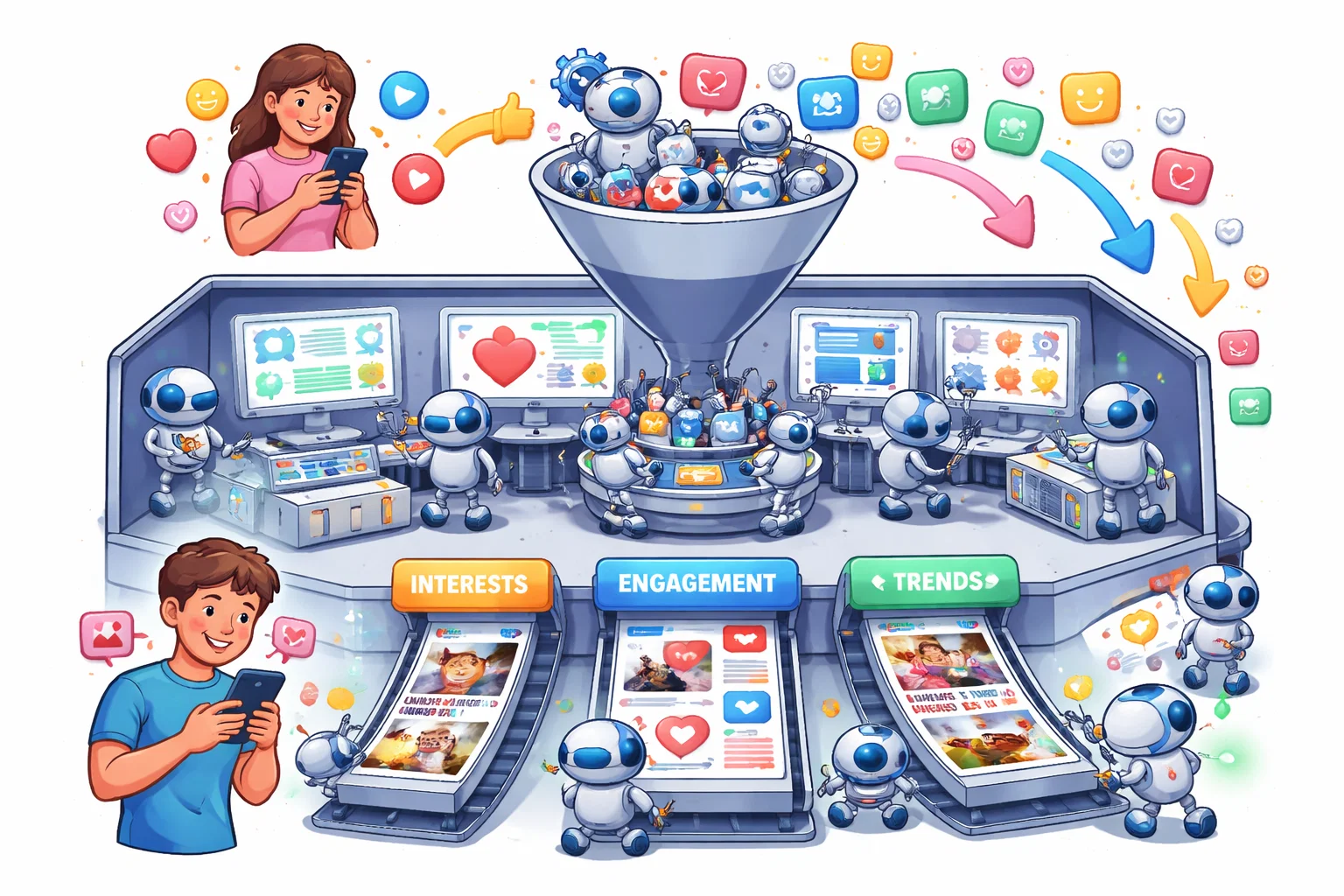
Have you ever wondered why your social media platform feed seems eerily tailored to your interests? It’s because the social media algorithm is constantly learning from your behavior. It’s all about how the social media algorithms work to give you exactly what they think you want.
The Hidden System Behind Every Like, Scroll, and Video
Behind every like, scroll, and video you watch, there’s a hidden system at play. The algorithm rewards content that keeps you engaged, creating a personalized echo chamber. It’s the algorithms that decide what you see, making social media feel almost predictive.
Why Understanding Algorithms Matters in 2026
In 2026, understanding social media algorithms will be more critical than ever. As digital media evolves, knowing how algorithms prioritize content will be essential for navigating the online world effectively and avoiding the pitfalls of misinformation.
What Is a Social Media Algorithm? (Simple Explanation)
Definition of an Algorithm in Social Platforms
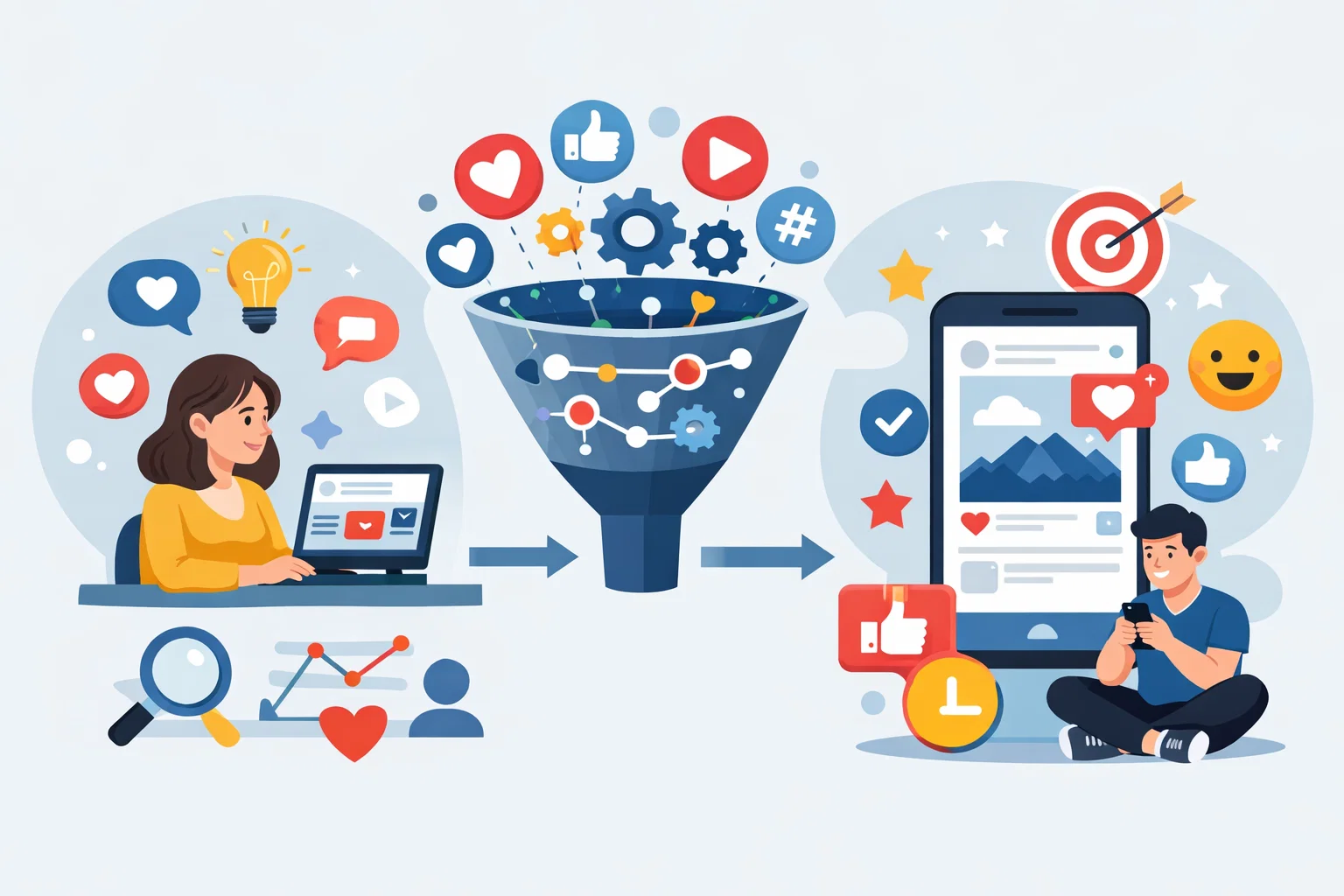
In simple terms, a social media algorithm is a set of rules and instructions that social media platforms use to rank content in your feed. These algorithms are designed to show you content that you’re most likely to engage with, and understanding social media algorithms is key.
From Chronological Feeds to Smart Feeds
Remember when social media feeds were chronological? Those days are long gone. Today, social networks use “smart” feeds powered by complex algorithms. This algorithmic shift prioritizes content based on predicted interest rather than the time it was posted.
What “Ranking Content” Actually Means
“Ranking content” means algorithms analyze various signals to determine the order in which posts appear in your feed. Understanding how social media algorithms work, these systems evaluate relevance, engagement, and a host of other factors to decide what you see first.
Step 1: Data Collection (How Platforms Study You)

What Actions Platforms Track (Likes, Watch Time, Shares)
Social media platforms track a plethora of actions to understand your preferences. Likes, watch time, shares, and comments are all carefully monitored. The goal is to use algorithms to create a detailed profile of your online behavior, optimizing what you see.
Behavioral Signals vs Explicit Signals
Here are two main types of signals that social media algorithms use for analysis. These include:
- Behavioral signals, which are more subtle, such as how long you spend viewing a post.
- Explicit signals, which are direct actions like likes and follows.
Both are crucial in the social media algorithms’ analysis.
How Your Search History Shapes Your Feed
Your search history plays a significant role in shaping your social media feed. The social media algorithm analyzes your searches to identify your interests and preferences. This data is then used to personalize the content you see, sometimes leading to filter bubbles.
Step 2: User Profiling (Building Your Digital Identity)
How Platforms Create a “Behavior Profile”
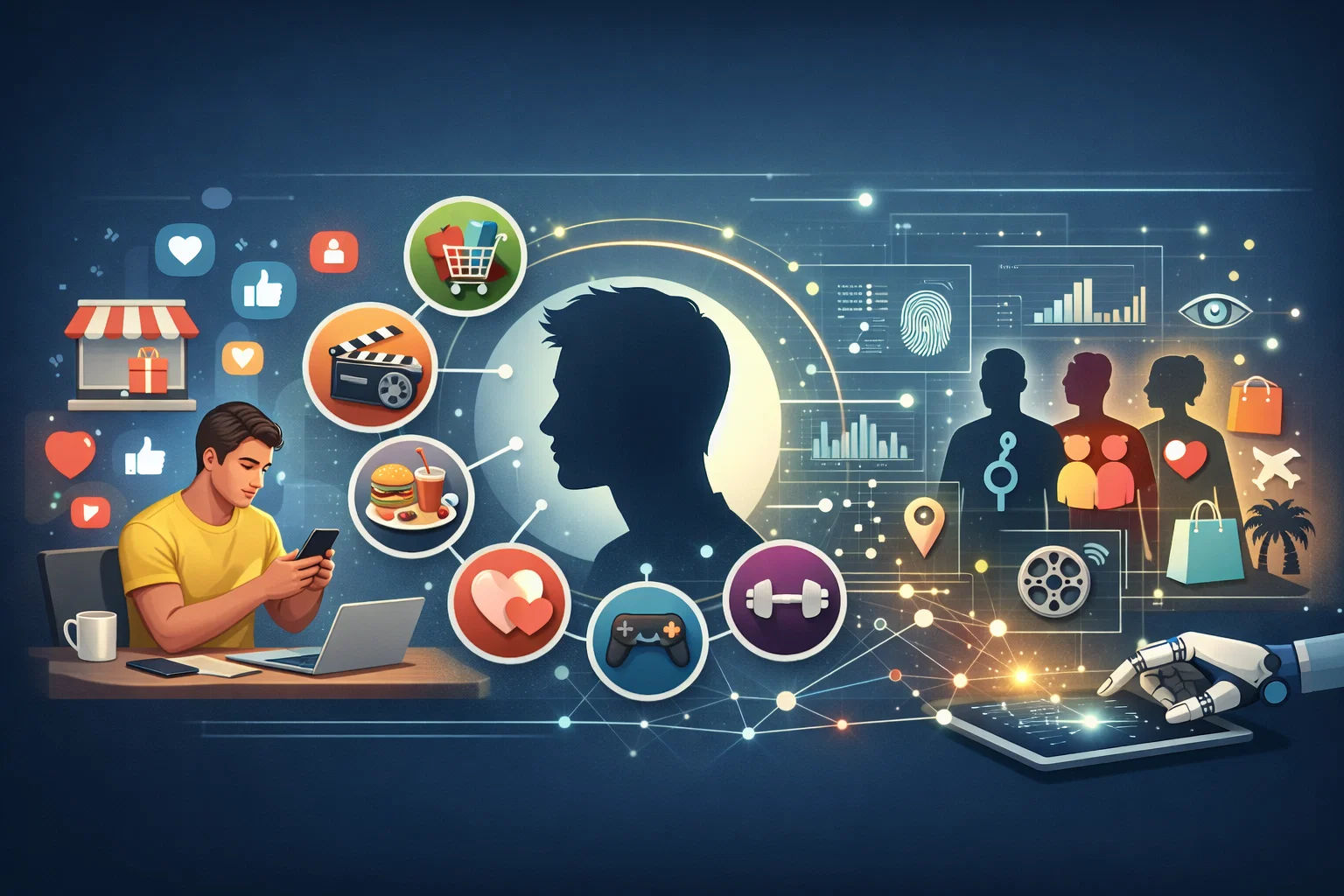
Platforms create a “behavior profile” by aggregating all the data they collect about you. The social media algorithm analyzes your actions, interests, and interactions to build a comprehensive understanding of your online identity. This profile is then used to personalize your feed.
Interest Categories and Engagement Patterns
The algorithms categorize you into various interest categories based on your activity. They analyze your engagement patterns to understand what type of content resonates with you most. This allows platforms to serve you content that aligns with your interests.
Emotional Triggers Detected by Algorithms
Algorithms are even capable of detecting emotional triggers. By analyzing the type of content you engage with, they can identify what evokes certain emotions in you. This information is used to amplify content that elicits strong emotional responses.
Step 3: Content Pool Creation (What You Could See)
Where Posts Come From (Following, Suggested, Trending)
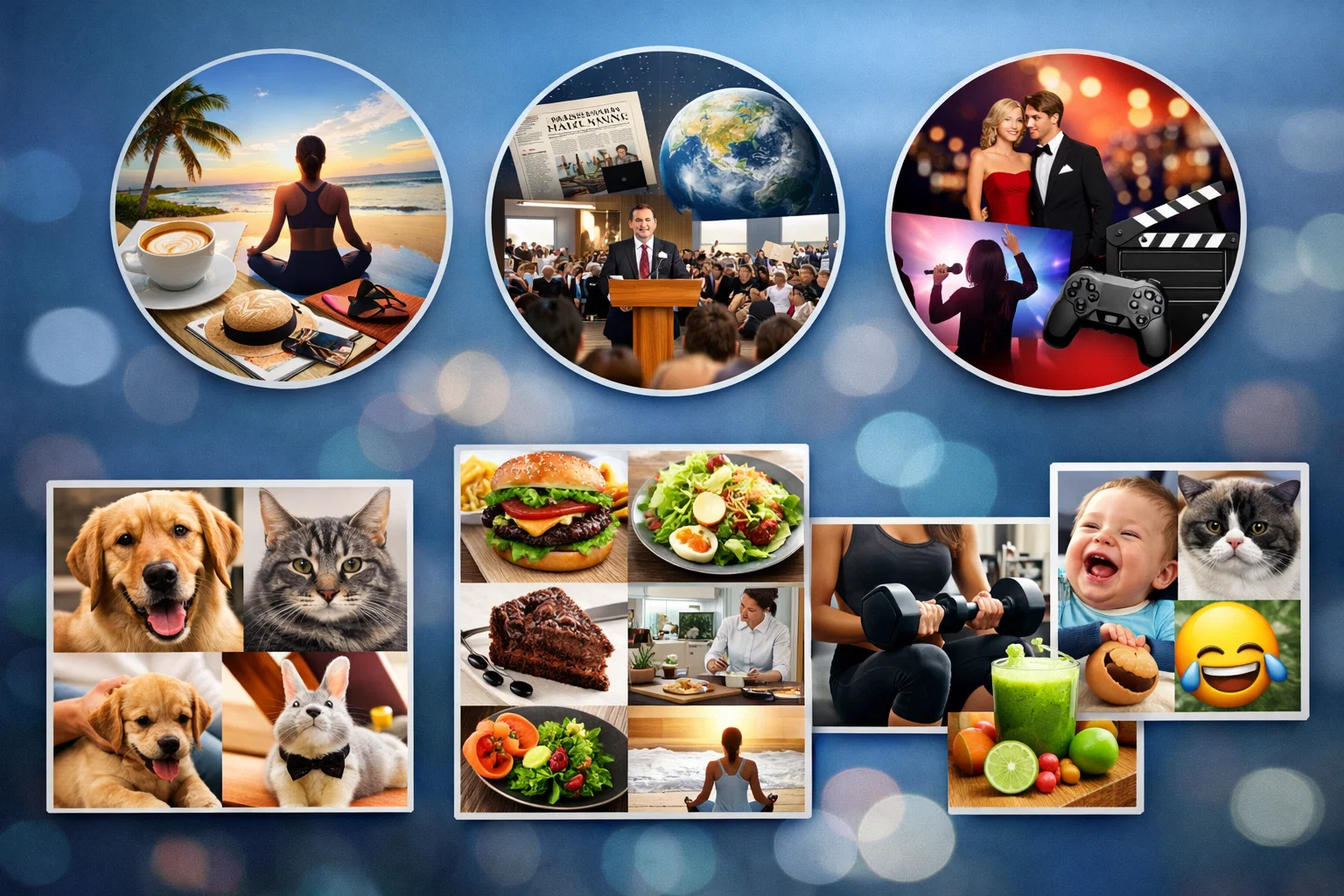
Posts in your feed come from various sources. These include accounts you follow, suggested content based on your interests, and trending topics. The social media algorithm filters and ranks these posts to determine what you are most likely to engage with.
Why You Never See 100% of Available Content
You never see 100% of the available content because social media platforms filter it based on relevance. The algorithm analyzes each post and predicts how likely you are to engage with it. Only the most relevant content makes it into your feed.
Filtering Content Based on Relevance Signals
Filtering content involves using relevance signals to prioritize what you see. This means the algorithm analyzes various factors, such as your past interactions and the content’s engagement rate. Understanding how social media algorithms work helps you see content most tailored to you.
Step 4: Ranking System (The Core of the Algorithm)

How Content Is Scored Using Machine Learning
At the heart of the social media platform lies the ranking system, where machine learning models score content. The social media algorithm analyzes numerous factors to predict the likelihood of user engagement. This scoring mechanism is essential to how social media algorithms work, determining content visibility.
Engagement Prediction (Likes, Comments, Watch Time)
Engagement prediction is crucial. The social media algorithm forecasts the number of likes, comments, and watch time a post will receive. Content with high predicted engagement is prioritized in the news feed. Understanding how social media algorithms work involves recognizing these predictive models.
Why Some Posts Get Prioritized Over Others
Some posts get prioritized because the social media algorithm predicts they will resonate more with you. These posts often align with your interests and past engagement. Therefore, the algorithm rewards content that keeps you on the platform and amplifies its reach.
Step 5: The “Test and Expand” Distribution Model
Small Audience Testing Phase Explained
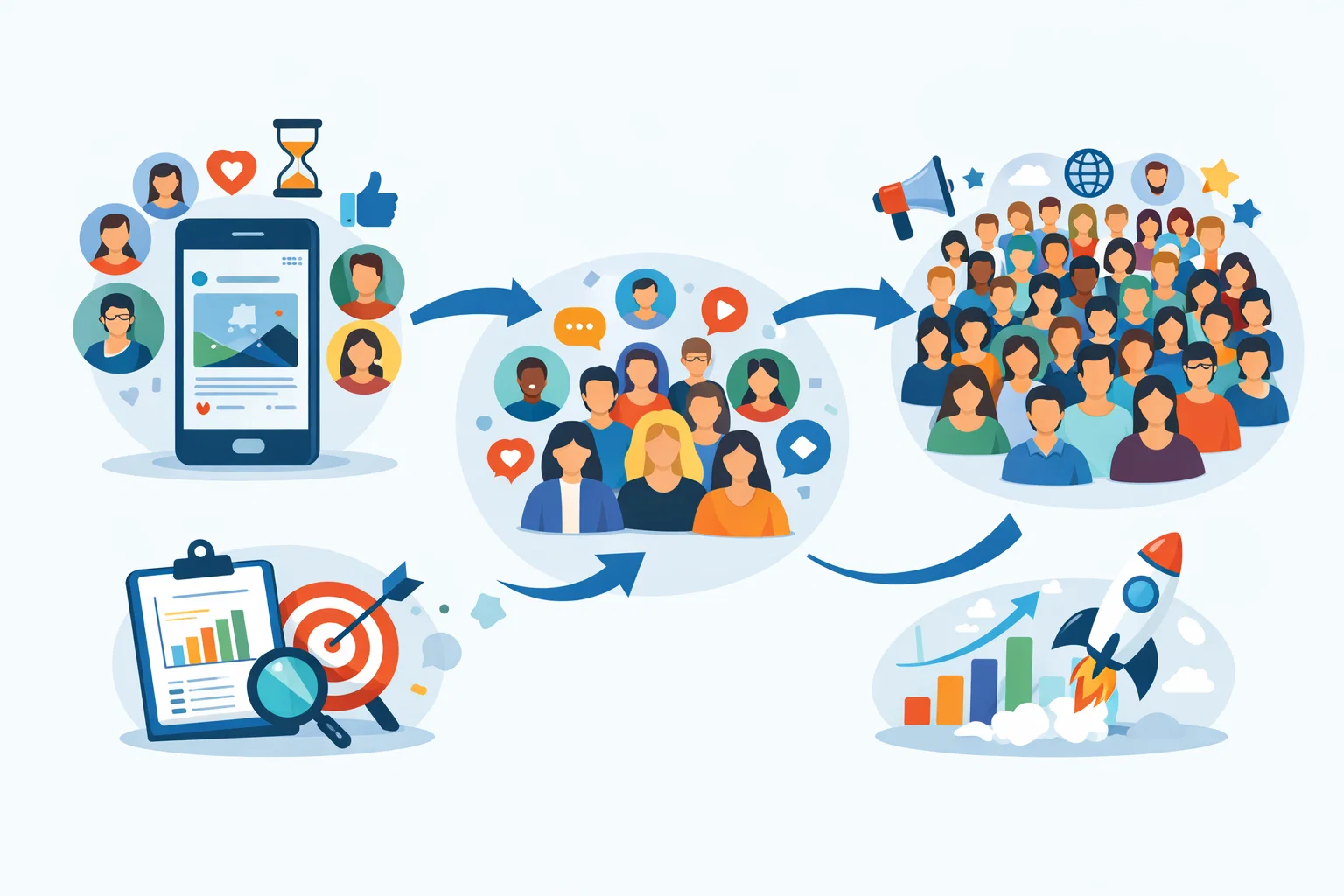
Before widespread distribution, content often undergoes a small audience testing phase. The social media algorithm shows the post to a select group to gauge its performance. This initial test helps platforms understand how social media algorithms work and refine content distribution strategies.
Viral Threshold: When Content Gets Boosted
The viral threshold is a critical point. If a post exceeds certain engagement metrics during the testing phase, the social media algorithm boosts its reach. This boost increases visibility and exposes the content to a broader audience, thus fueling further engagement and potential virality.
Why Most Posts Fail Before Reaching Wide Audiences
Most posts fail to reach wide audiences because they don’t meet the necessary engagement thresholds. The social media algorithm filters out content that doesn’t resonate, ensuring only high-quality posts get amplified. This selective process maintains the quality of the news feed.
Platform-Specific Algorithm Differences (Important SEO Gap Section)
Instagram Algorithm: Relationships + Engagement
Instagram’s algorithm prioritizes content from accounts you interact with frequently. The algorithm rewards posts that foster relationships and generate high engagement. Understanding how social media algorithms work on Instagram requires focusing on authentic interactions and meaningful content.
TikTok Algorithm: Watch Time + Behavior Signals
TikTok’s algorithm heavily relies on watch time and behavioral signals. The algorithm rewards content that keeps users engaged for longer periods. The social media platform uses algorithms to tailor the “For You” page based on individual viewing habits. Therefore, TikTok’s algorithm is dynamic.
YouTube Algorithm: Session Time + Satisfaction
YouTube’s algorithm focuses on session time and user satisfaction. The algorithm rewards videos that keep viewers on the platform and lead to positive feedback. To succeed on YouTube, understand how social media algorithms work to drive long-term engagement and channel growth.
Facebook Algorithm: Community Interaction Focus
Facebook’s algorithm emphasizes community interaction. The algorithm rewards posts that spark conversations and encourage meaningful connections. To succeed on Facebook, understand how social media algorithms work to foster community engagement and promote authentic interactions.
X (Twitter) Algorithm: Recency + Engagement Speed
X (formerly Twitter)’s algorithm prioritizes recency and engagement speed. The algorithm rewards tweets that quickly gain traction and spark immediate conversations. To make social media presence impactful, understanding how social media algorithms work to capitalize on timely content.
How Algorithms Learn Your Psychology (Deep Insight Section)
Dopamine Loops and Reward Systems
Algorithms are designed to exploit dopamine loops and reward systems in the brain. The social media platform uses algorithms to provide you content that gives you satisfaction. This encourages continuous engagement, which turns into addictive behavior, and keeps you on the platform longer.
Curiosity, Fear, and Emotional Content Amplification
Algorithms amplify content that triggers curiosity, fear, and strong emotions. The social media algorithm recognizes how content can elicit those human emotions. This is because such content tends to be more engaging and shareable, so it gets prioritized, which further keeps you hooked.
Why “Hook Content” Performs Better
“Hook content” performs better because it quickly grabs attention and entices users to engage. The social media algorithm rewards content that immediately captivates the audience. Understanding how social media algorithms work involves creating compelling hooks that drive engagement.
Why Some Content Goes Viral While Other Content Fails
Early Engagement Signals That Matter Most
The initial hours after posting are crucial for determining whether content goes viral. The social media platform uses algorithms to analyze early engagement signals, such as likes, comments, and shares. The social media algorithm boosts posts that quickly gain traction, as positive signals helps to amplify its reach.
Retention Rate vs Click Rate
Retention rate and click rate are key metrics that algorithms analyze. A high click rate indicates that the content is initially appealing. However, a strong retention rate demonstrates that the content keeps viewers engaged, which is crucial for the social media algorithm to determine value and future reach.
The Role of Shares and Saves in Virality
Shares and saves play a significant role in virality. When users share content, it reaches a broader audience, increasing visibility. Saves indicate that users find the content valuable and want to revisit it later. Thus, the social media algorithms reward content that promotes shares and saves.
Common Myths About Social Media Algorithms
“Posting More Always Helps” Myth
One common myth is that posting more always helps. While consistency is important, quality trumps quantity. If the social media platform uses algorithms to detect content of poor quality, frequent posts can actually hurt your reach, because the social media algorithms reward valuable content.
“Hashtags Guarantee Reach” Myth
Many believe that hashtags guarantee reach, but this isn’t necessarily true. Hashtags can help categorize your content, but the algorithm prioritizes relevance. Understanding how social media algorithms work involves using hashtags strategically, but quality content still matters most to amplify content.
“Followers Decide Your Reach” Myth
While a large following can help, it doesn’t guarantee reach. The social media algorithm prioritizes engagement. Content that resonates with a smaller, highly engaged audience can often outperform content posted to a large, but passive audience. Thus, understanding social media algorithms requires recognizing this.
How to Work With Algorithms (Not Against Them)
Content Optimization Strategies for Visibility
To improve visibility, optimize your content for the specific social media platform you’re using. This means tailoring your posts to align with the platform’s algorithm. Understanding how social media algorithms work involves using the appropriate formats, keywords, and engagement strategies to improve reach.
Importance of Watch Time and Engagement Hooks
Watch time and engagement hooks are critical for success. Create content that immediately grabs attention and keeps viewers engaged. The social media platform uses algorithms to reward content that holds attention, because this promotes longer session times and greater platform use.
Timing, Consistency, and Posting Strategy
Timing, consistency, and posting strategy are crucial. To optimize your social media presence, consider these key elements:
- Experiment with different posting times to identify when your audience is most active.
- Maintain consistent posting schedules, as the social media algorithm rewards this behavior because it indicates a reliable source of content.
Ethical Concerns and Hidden Downsides (Content Gap Section)
Algorithm Bias and Filter Bubbles
Algorithm bias and filter bubbles are significant ethical concerns. The social media platform uses algorithms that can perpetuate existing biases. This creates filter bubbles, where users are only exposed to information that confirms their existing beliefs. Addressing this requires moderation and critical evaluation of your social media feeds.
Addiction and Attention Manipulation
Algorithms are designed to maximize engagement, which can lead to addiction and attention manipulation. The social media algorithm rewards content that triggers emotional responses and keeps users hooked, thus exploiting psychological vulnerabilities, and making social media management a crucial skill.
Data Privacy Concerns in Algorithm Tracking
Data privacy is a major concern with algorithm tracking. The social media platform uses algorithms to collect vast amounts of data about users. This data can be used for targeted advertising or shared with third parties. It’s essential to be aware of these risks and take steps to protect your privacy.
The Future of Social Media Algorithms in 2026 and Beyond
The future of social media algorithms in 2026 and beyond will likely involve greater personalization and more sophisticated content analysis. Understanding social media algorithms will require staying informed about the latest developments and adapting your strategies accordingly. The social media companies are improving algorithms, but users need to adapt too.
Conclusion: Understanding Algorithms Gives You Back Control
Understanding social media algorithms gives you back control. By knowing how these systems work, you can make informed choices about your online behavior. You can also optimize your content to reach a wider audience and avoid the pitfalls of misinformation. Understanding how social media algorithms work and adapting gives social media users an advantage.