In the ever-evolving landscape of the digital age, beauty standards are undergoing a profound transformation. The rise of social media has reshaped how we perceive beauty, shifting from traditional ideals of perfection to a celebration of individuality. This article explores the multifaceted influences driving this change and its implications for society.
The Transformation of Beauty Ideals
From Traditional Media to Digital Platforms
Here’s how beauty standards are changing: the move from traditional media to digital platforms is a major factor. In the past, societal beauty standards were largely controlled by a limited number of sources. These included:
- Hollywood
- Advertising
- Magazines
Now, social media platforms like Instagram and TikTok are changing the game. They give everyone a voice, democratizing beauty representation and challenging unrealistic expectations.
Why Beauty Standards Are No Longer One-Size-Fits-All
Narrow beauty ideals are fading as social media amplifies diverse body types and beauty representation. This shift is largely due to:
- Influencers showcasing a variety of appearances.
- Peer communities celebrating unique features.
This inclusivity challenges the one-size-fits-all approach, fostering a more accepting and realistic perception of beauty standards in the digital age.
Historical Perspective: How Beauty Standards Evolved
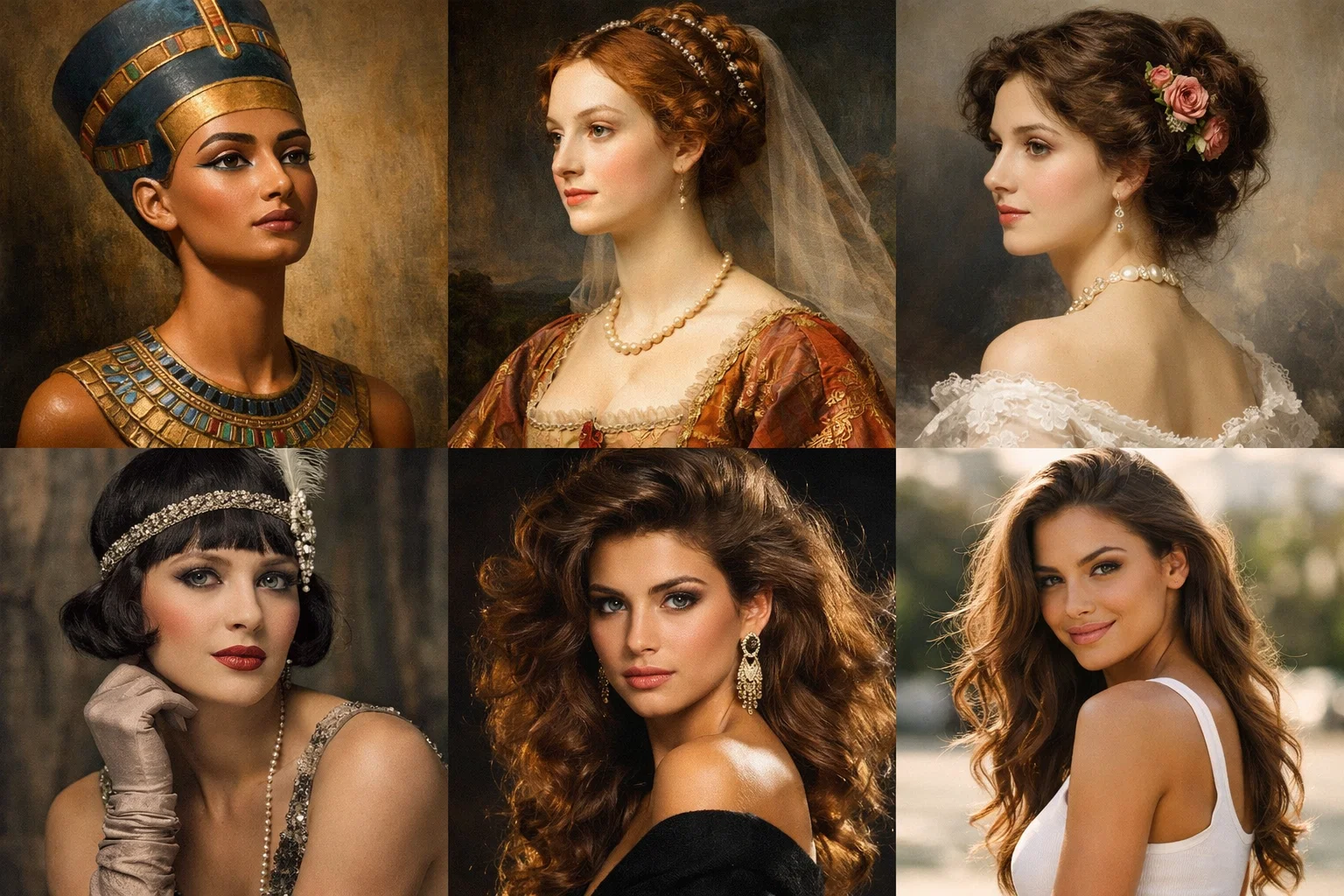
Classic and Media-Driven Beauty Ideals
Here’s how media has historically shaped our perception of beauty: Unrealistic beauty standards were often perpetuated through specific channels, including:
- Carefully curated images in magazines.
- Films that promoted certain facial features and body types.
These media-driven ideals often set unattainable goals, impacting self-esteem and body image.
The Impact of Fashion, Hollywood, and Advertising
Fashion, Hollywood, and advertising played a crucial role in shaping societal beauty standards. The latest beauty trends were often dictated by these industries, driving the demand for cosmetic procedures and products promising flawless skin. The relentless pursuit of these ideals has contributed to body dissatisfaction and a distorted view of beauty.
Transition to Online Influence and Social Media
The evolution of beauty standards took a significant turn with the transition to online influence and the rise of social media. Platforms like Instagram became powerful tools for influencers to shape perceptions of beauty. This shift introduced new dynamics, where beauty standards are both reinforced and challenged by diverse voices and trends.
The Role of Social Media in Redefining Beauty
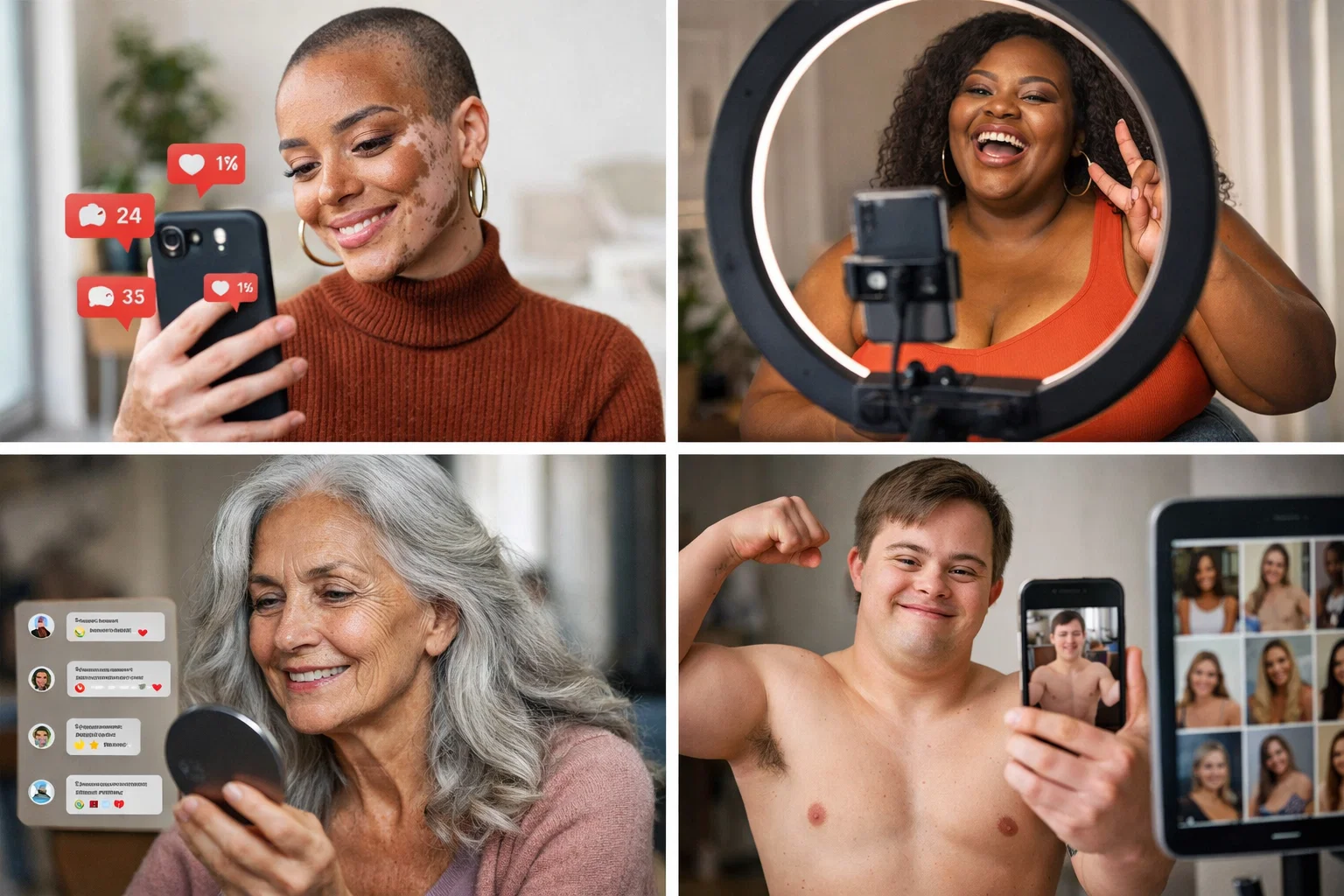
Influencers, Micro-Influencers, and Peer Communities
Social media plays a pivotal role in redefining beauty, primarily through influencers, micro-influencers, and peer communities.
These individuals share unfiltered content, showcasing a more realistic portrayal of beauty and challenging the curated perfection often associated with traditional media. This shift allows for more diverse beauty representation.
The Power of Authenticity and Unfiltered Content
Authenticity has become a powerful force in the realm of social media beauty standards. Unfiltered content, which presents individuals without heavy use of beauty filters or cosmetic procedures, resonates strongly with audiences seeking genuine representations of beauty. This trend emphasizes the value of self-acceptance over the pursuit of flawless appearances.
How Virality and Trends Affect Perception of Beauty
Virality and beauty trends on platforms like TikTok significantly impact perceptions of beauty. A single viral post can drive the adoption of new beauty standards or challenge existing ones, creating a dynamic and ever-changing landscape. This constant flux can influence both positive and negative effects of social media on beauty.
Technology and Personalized Beauty
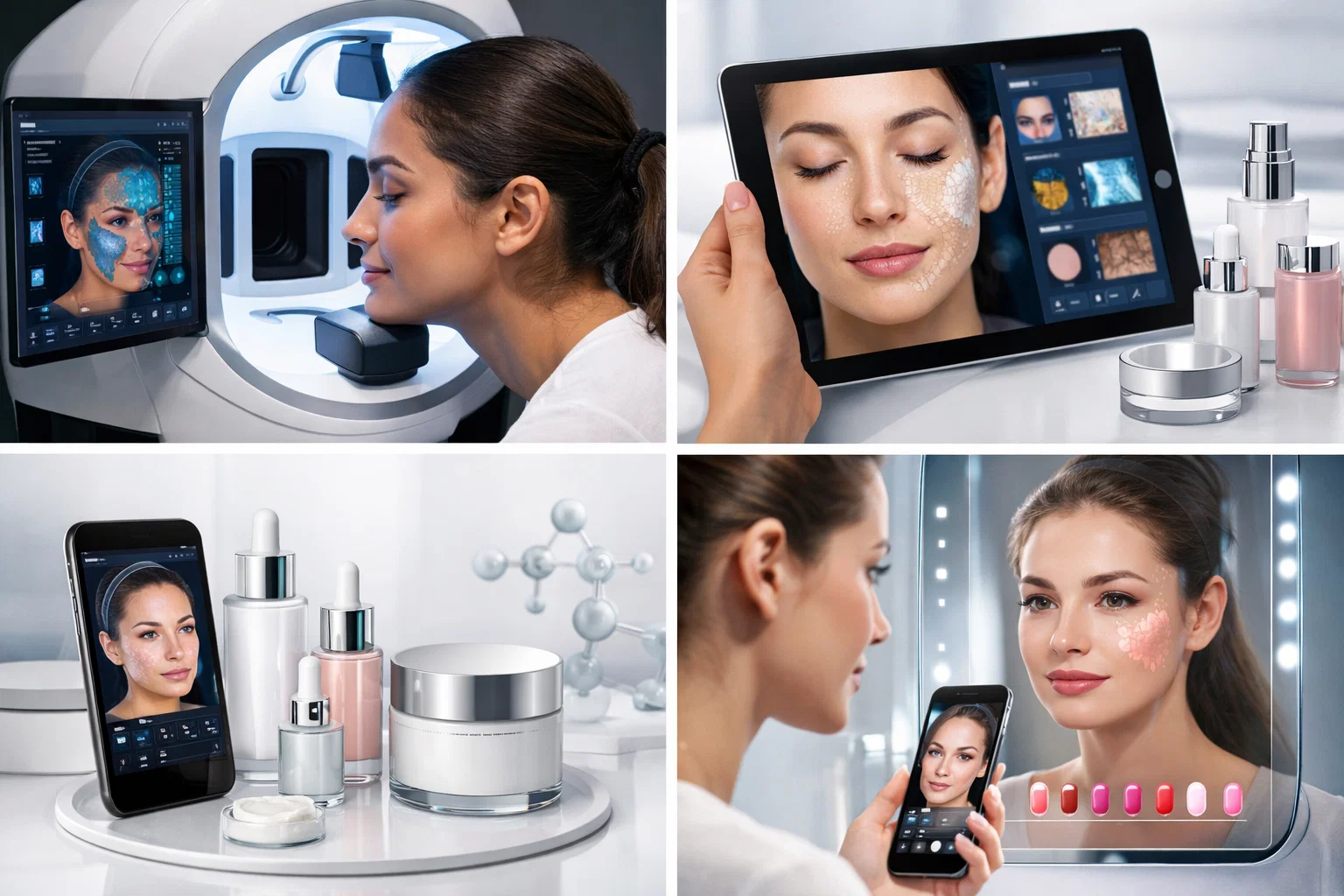
Virtual Try-Ons, AR Filters, and AI Recommendations
Technology is revolutionizing how we approach beauty, offering personalized solutions that cater to individual needs. Virtual try-ons and AR beauty filters on social media platforms like Instagram allow users to experiment with different looks. AI recommendations are becoming increasingly sophisticated, guiding consumers toward the latest beauty products.
Tailored Skincare, Haircare, and Cosmetic Solutions
The beauty industry is increasingly focused on providing tailored skincare, haircare, and cosmetic procedures. Advances in technology now allow for personalized formulations based on individual skin types, hair textures, and preferences. These customized solutions promise to address specific concerns, offering consumers a more effective approach to beauty.
How Tech Enables Individualized Beauty Expression
Technology empowers individuals to express their unique beauty standards in the digital age. From creating personalized makeup looks with digital tools to using apps that offer tailored style advice, beauty filters and more, tech facilitates self-expression. These advancements challenge unrealistic beauty ideals and foster self-acceptance.
Diversity and Inclusivity as Modern Standards

Representation of Different Skin Tones, Body Types, and Features
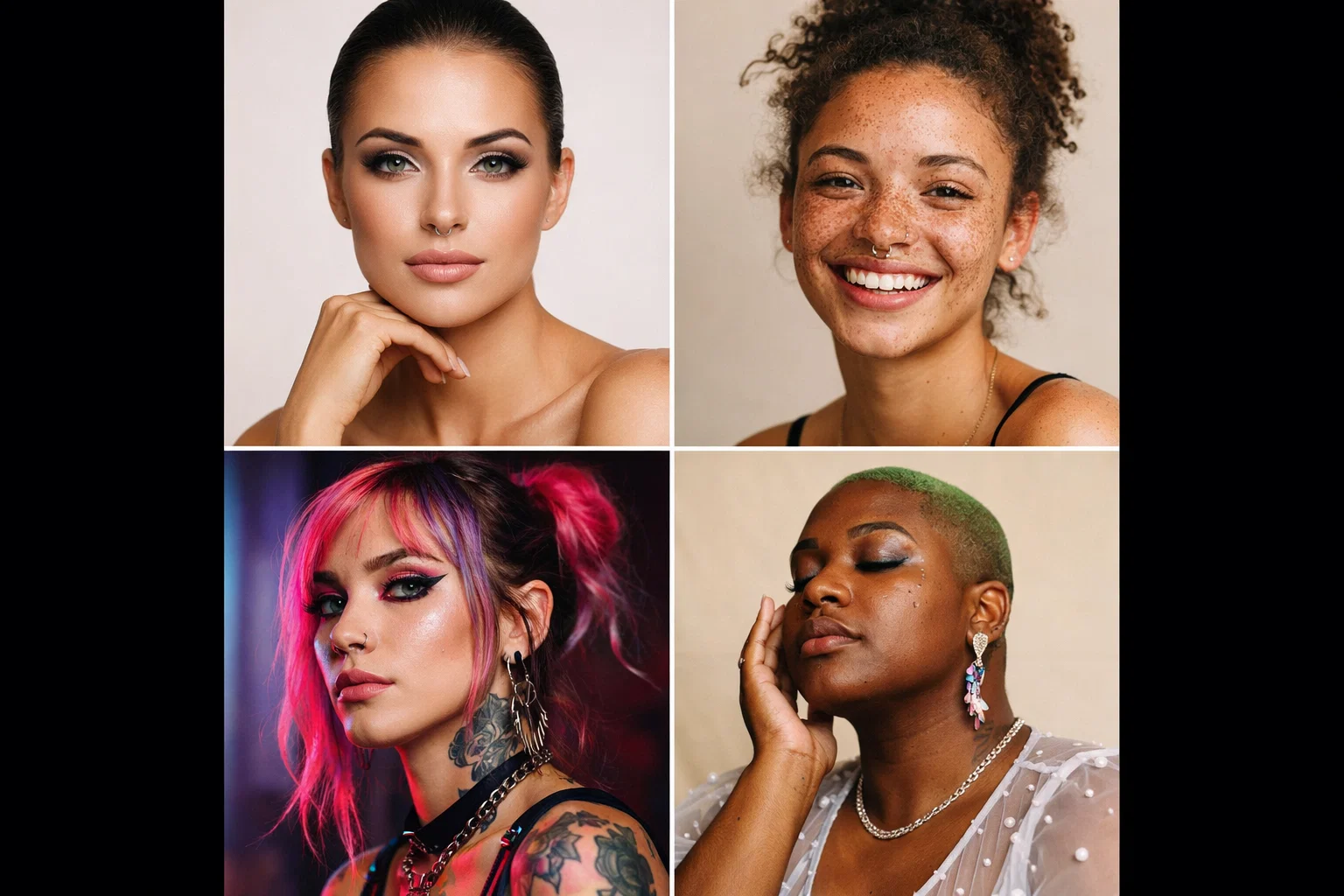
Modern beauty standards increasingly embrace diversity and inclusivity, showcasing a wider range of skin tones, body types, and facial features. Social media plays a crucial role in amplifying beauty representation by featuring individuals who challenge narrow beauty ideals. This shift promotes a more realistic and accepting view of beauty.
Global Beauty Trends and Cross-Cultural Influence
Global beauty trends are increasingly influenced by cross-cultural exchanges. What is considered beautiful in one culture may inspire beauty trends in another, leading to a more diverse and interconnected approach to beauty standards. This cross-pollination challenges the dominance of Western beauty ideals and celebrates uniqueness.
Celebrating Unique Traits Instead of Standardized Ideals
The focus is shifting towards celebrating unique traits and individual beauty, rather than adhering to standardized ideals. This movement encourages people to embrace their natural features and imperfections. Social media platforms like TikTok are instrumental in promoting self-love and challenging the pressure to conform to unrealistic expectations.
Psychological and Social Impacts
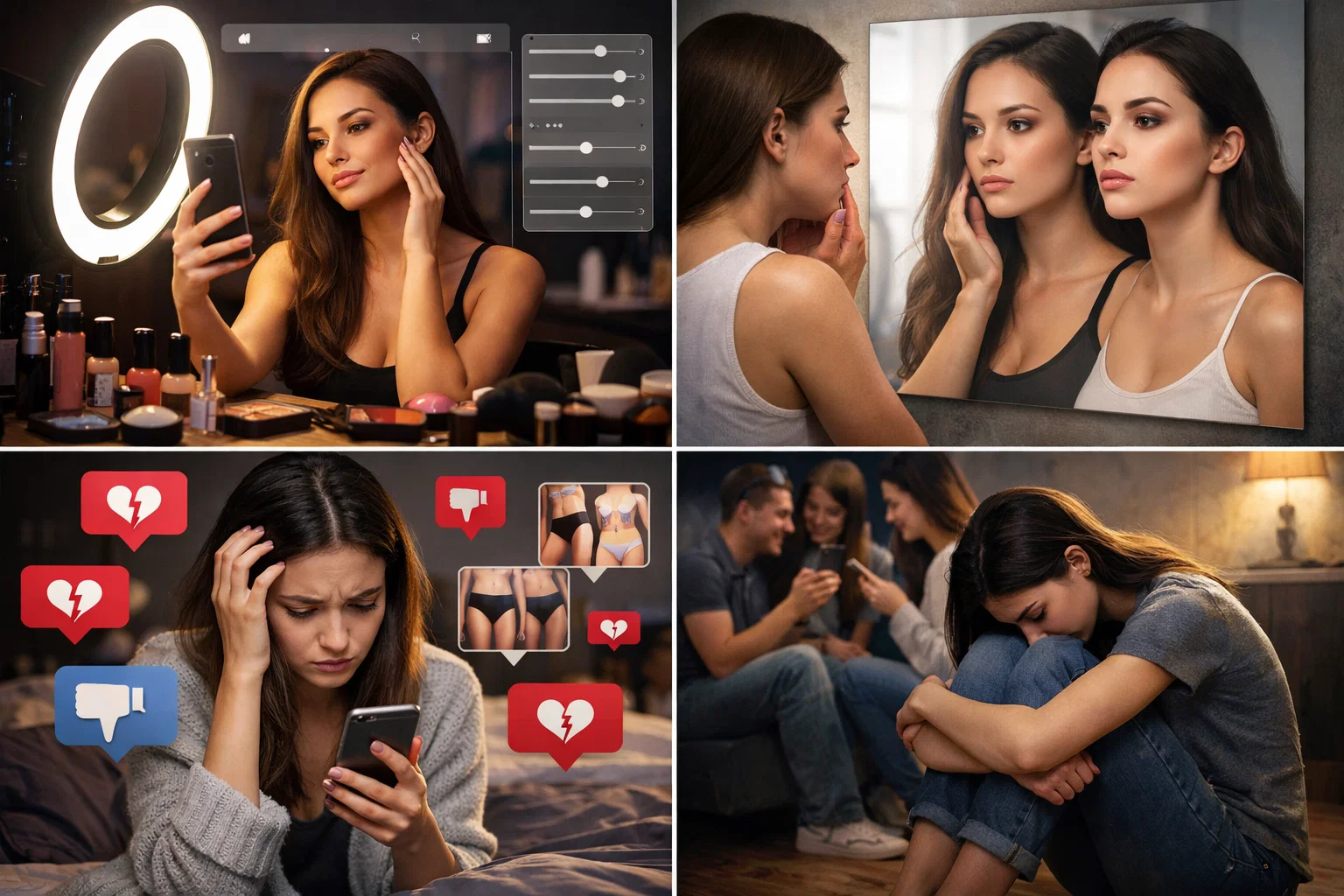
Body Positivity, Self-Esteem, and Mental Health
The shift toward individualized beauty has profound psychological and social impacts, particularly concerning body positivity, self-esteem, and mental health. Embracing diverse beauty representations and challenging unrealistic beauty standards can improve self-perception and reduce the pressure to conform to unrealistic expectations.
Navigating Comparison and Social Media Pressures
Navigating the pressures of social media on beauty and constant comparisons is crucial for maintaining positive self-image. Media literacy and mindful usage can help individuals filter out unrealistic content and focus on authentic self-expression. Recognizing that curated beauty on social media doesn’t show real life promotes self-acceptance.
Empowerment Through Personalized Self-Expression
Personalized self-expression through beauty choices can be empowering. By embracing unique traits and experimenting with styles that reflect individuality, people can boost their self-esteem and challenge unrealistic beauty standards. Social media platforms, if used mindfully, can serve as tools for self-discovery and celebration of diverse beauty standards in the digital age.
The Shift from Perfection to Individuality
Why Authenticity is More Valuable Than Flawless Appearances
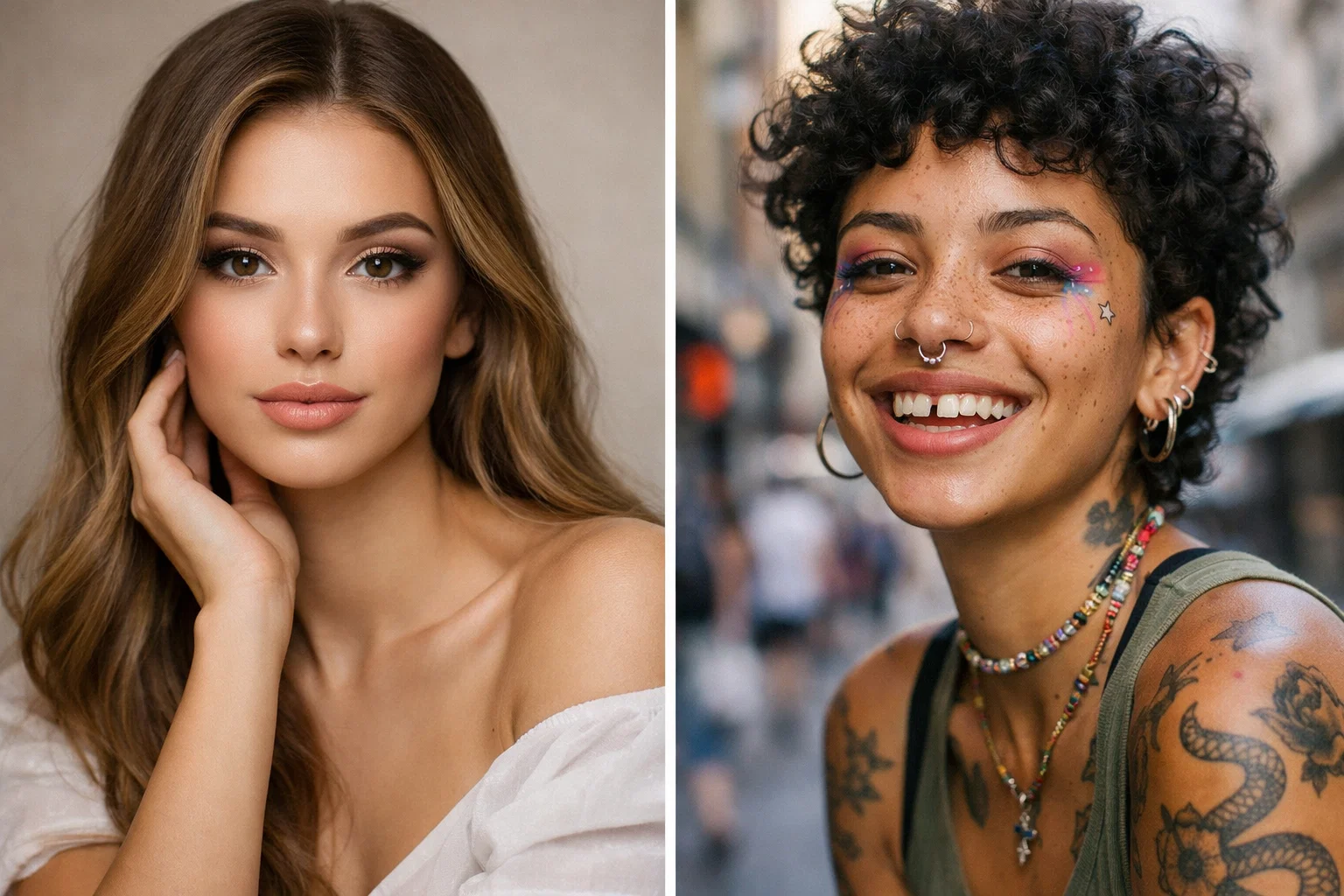
In today’s digital age, authenticity is increasingly valued over flawless appearances. The rise of social media has exposed the unrealistic nature of curated beauty, leading many to seek genuine beauty representation and embrace unique traits.
This shift is empowering individuals to prioritize self-acceptance and challenge societal beauty standards, rather than pursuing an unattainable ideal. The negative effects of social media are diminished when authentic beauty is embraced.
Personal Branding and Identity Through Beauty Choices
Beauty choices have become a powerful tool for personal branding and expressing individual identity. Social media platforms like Instagram and TikTok offer a space for individuals to showcase their unique styles and challenge narrow beauty ideals.
By curating their beauty representation, people can communicate their values and create a distinctive online presence, while boosting self-esteem. It allows the person to stand out from the crowd in a way that reflects his or her unique beauty.
Encouraging Self-Expression Over Conformity
Shifting away from unrealistic beauty expectations involves encouraging self-expression over conformity. Modern beauty celebrates individuality and challenges the pressure to adhere to traditional beauty standards.
Social media on beauty enables people to experiment with different styles and beauty representation, fostering a culture of acceptance and empowering individuals to embrace their authentic selves without any body dissatisfaction. Plastic surgery shouldn’t be a necessity, but rather a personal decision.
Practical Ways to Embrace Individualized Beauty

Discovering and Celebrating Your Unique Features
Embracing individualized beauty starts with discovering and celebrating your unique features. Instead of trying to conform to societal beauty standards, focus on highlighting your natural beauty.
Social media platforms can be tools for finding inspiration and celebrating diverse body types. This approach enhances self-esteem and promotes a positive body image, diminishing low self-esteem and unrealistic expectations.
Choosing Products and Styles That Reflect Personality
Choosing products and styles that reflect personality is a key aspect of embracing individualized beauty. Select products and styles that resonate with your values and enhance your unique features. This approach fosters self-expression and challenges the pressure to conform to trends, while the impact of social media on beauty is minimized.
Mindful Consumption: Sustainable and Meaningful Beauty Choices
Mindful consumption plays a crucial role in embracing individualized beauty standards in the digital age. Opt for products and brands that align with your values, such as sustainable and cruelty-free options. This approach promotes ethical consumption and supports a beauty industry that values authenticity and inclusivity. Be aware of the effects of social media, and don’t fall into unrealistic beauty standards.
Future Outlook: What to Expect in Beauty Standards by 2026+
Integration of AI and Customization in Beauty Products
By 2026, expect greater integration of AI and customization in beauty products. AI-driven tools will offer personalized recommendations and virtual try-ons, enhancing the consumer experience. The trend toward tailored beauty solutions will further empower individuals to express their unique styles. Modern beauty lies in self-expression, not just in the latest beauty trends.
Continued Rise of Inclusive and Diverse Representation
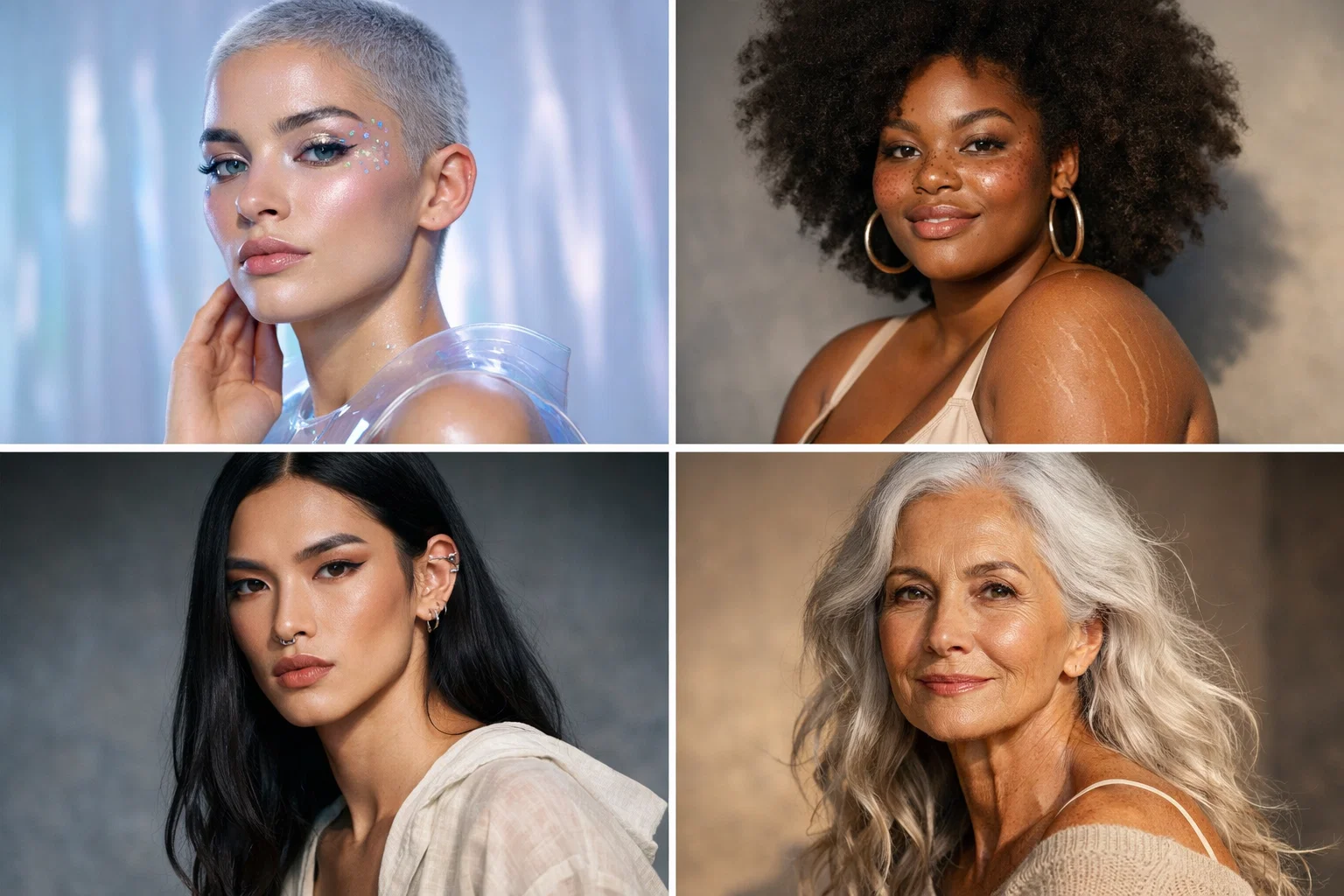
The continued rise of inclusive and diverse beauty representation across all media platforms is inevitable. Modern beauty standards will reflect a wider range of skin tones, body types, and abilities. Social media will play a crucial role in amplifying diverse voices and challenging narrow definitions of beauty. By embracing diverse body types, social media on beauty can have a positive impact.
The Long-Term Cultural Shift Toward Individuality
The long-term cultural shift toward individuality will continue to shape beauty standards. The pressure to conform to unrealistic beauty expectations will diminish as society increasingly values authenticity.
This cultural shift will empower individuals to embrace their unique features and express themselves freely, without fear of judgment. Embrace your natural beauty and challenge societal beauty standards.
Conclusion: Redefining Beauty in the Digital Era
In conclusion, the digital age is redefining beauty standards, moving away from the pursuit of perfection towards the celebration of individuality. Influencers, micro-influencers and peer communities are showing realistic beauty representation, helping overcome unrealistic expectations and societal pressures. The beauty industry and media are adapting to promote diversity and inclusion, while technology enables personalized beauty experiences.