Dive into the fascinating world of fashion comebacks, exploring the “20-year rule” that governs the resurgence of past trends. From the cyclical nature of style to the emotional power of nostalgia, discover why every 20 years, fashion reinvents itself.
The Fascination with Fashion Comebacks
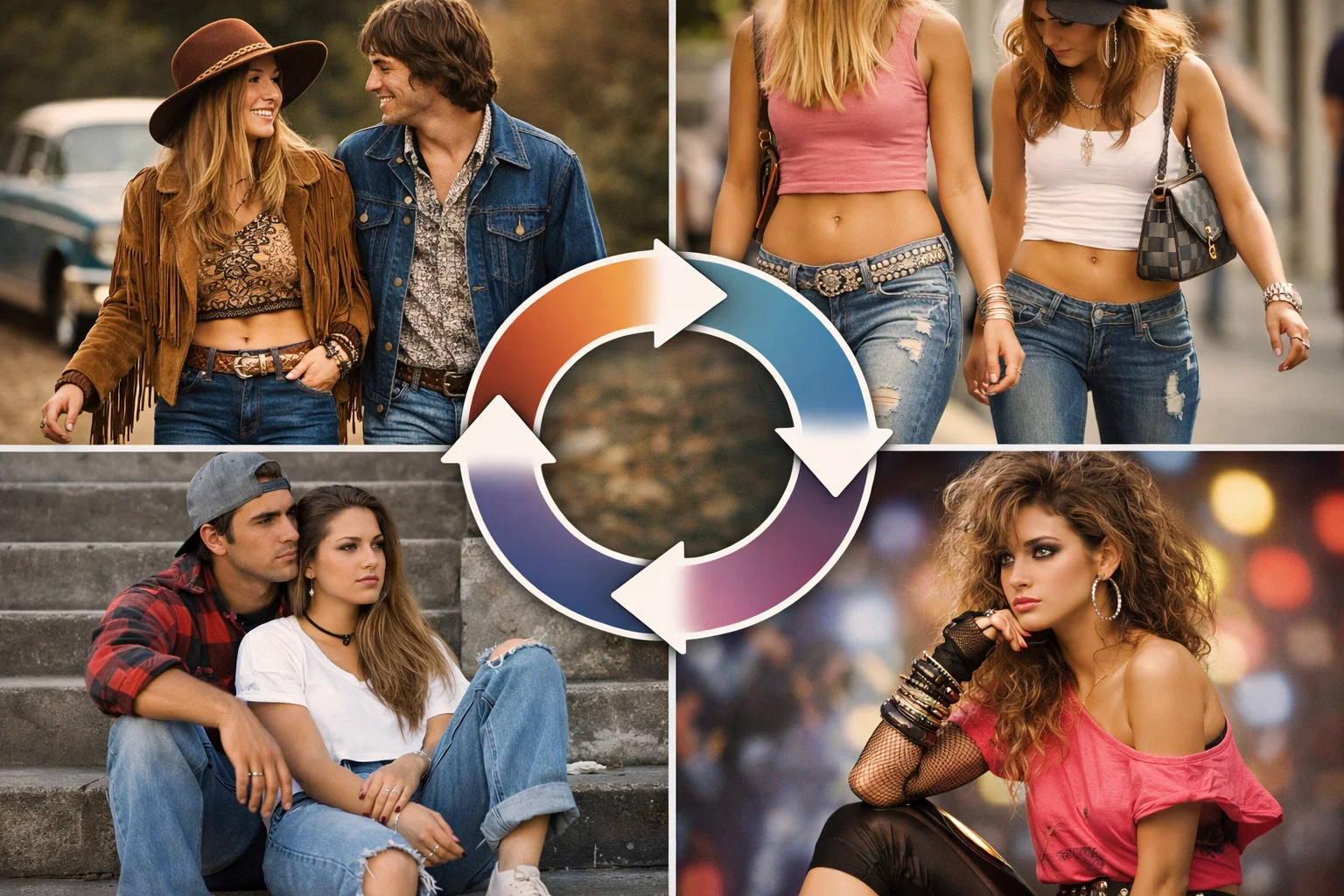
Why Old Trends Always Find Their Way Back
The fashion cycle dictates that every 20 years, styles resurface, driven by a feeling of nostalgia and a desire to modernize past trends. These trends tend to come and go in predictable patterns, making the comeback of older aesthetics almost inevitable.
How Fashion Cycles Affect Consumers and Designers
Consumers experience the fashion cycle through the allure of retro styles and new trends, while fashion designers navigate the challenge of reinterpreting past trends for modern fashion. Understanding this interplay is crucial for success in the fashion industry.
Understanding the 20-Year Fashion Cycle

What Is the 20-Year Fashion Cycle?
The 20-year cycle suggests that fashion trends from two decades prior become popular again, often sparking a feeling of nostalgia. This phenomenon can be observed in the revival of 70s, 90s, and 2000s styles.
Historical Patterns in Fashion Reemergence
Historical analysis reveals consistent patterns in fashion and their cyclical nature. Observing how silhouettes, fabrics, and accessories resurface two decades later helps understand the fashion cycle and its influence.
Differences Between Short-Term Trends and Long-Term Cycles
While microtrends come and go quickly, the long-term fashion cycle represents a more profound shift in popular fashion and aesthetics. Recognizing the difference is key to distinguishing fleeting fads from enduring fashion trends.
Generational Influence on Fashion Comebacks
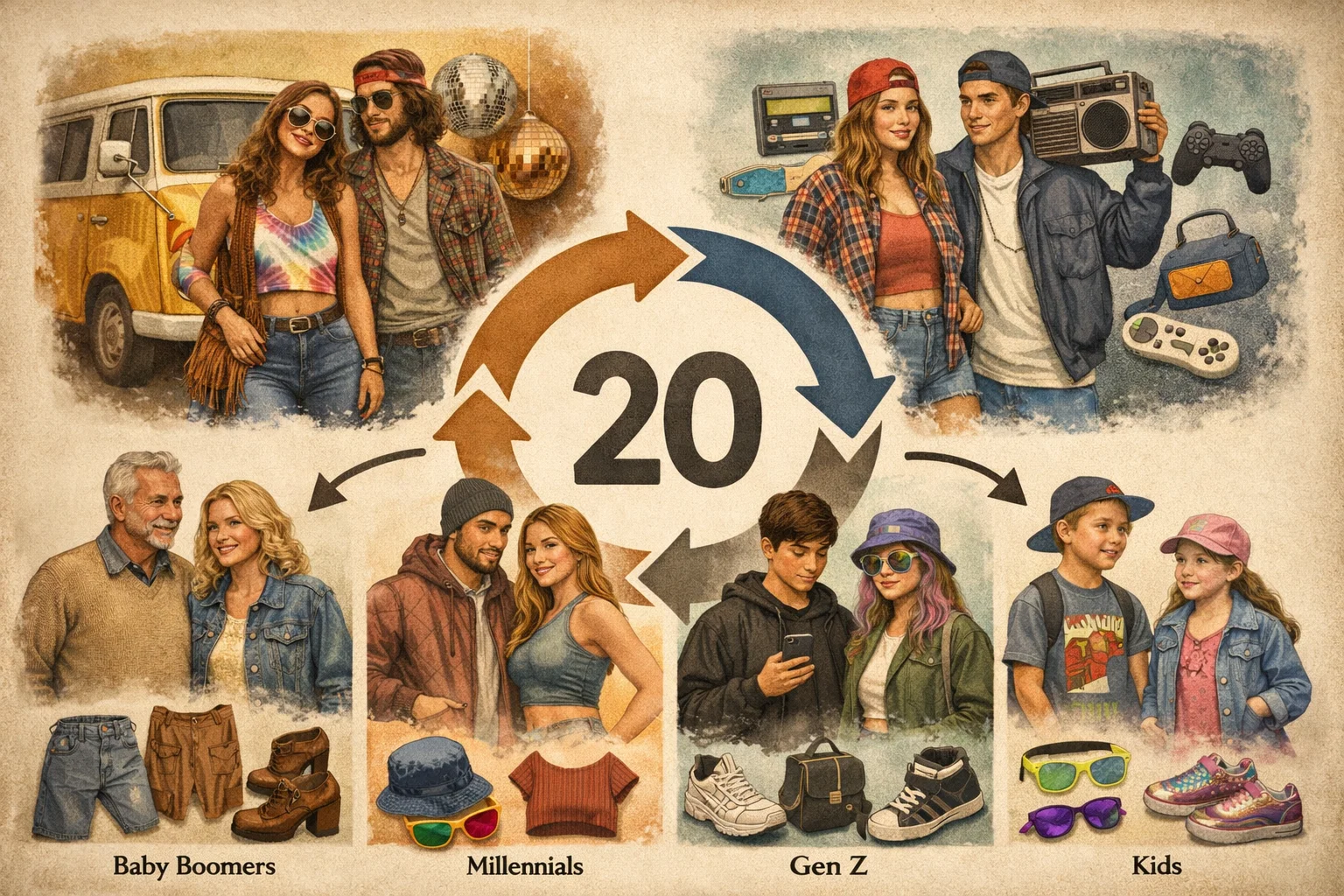
How Generational Memory Shapes Trend Revival
Generational memory plays a significant role in the revival of past trends. As a generation comes of age, they often seek to reclaim and modernize the styles of their youth, driving the comeback of specific looks.
Millennials, Gen Z, and Nostalgia-Driven Style
Millennials and Gen Z are particularly influential in driving the current wave of nostalgia-driven style. Their fascination with the 90s, 2000s, and Y2K fashion is reshaping modern fashion and influencing new trends.
Emotional Attachment to Fashion From One’s Youth
Fashion from one’s youth often carries a strong emotional attachment, acting as a form of self-expression and a connection to past experiences. This emotional connection fuels the desire to see these styles come back in style.
Cultural Nostalgia and Media Influence
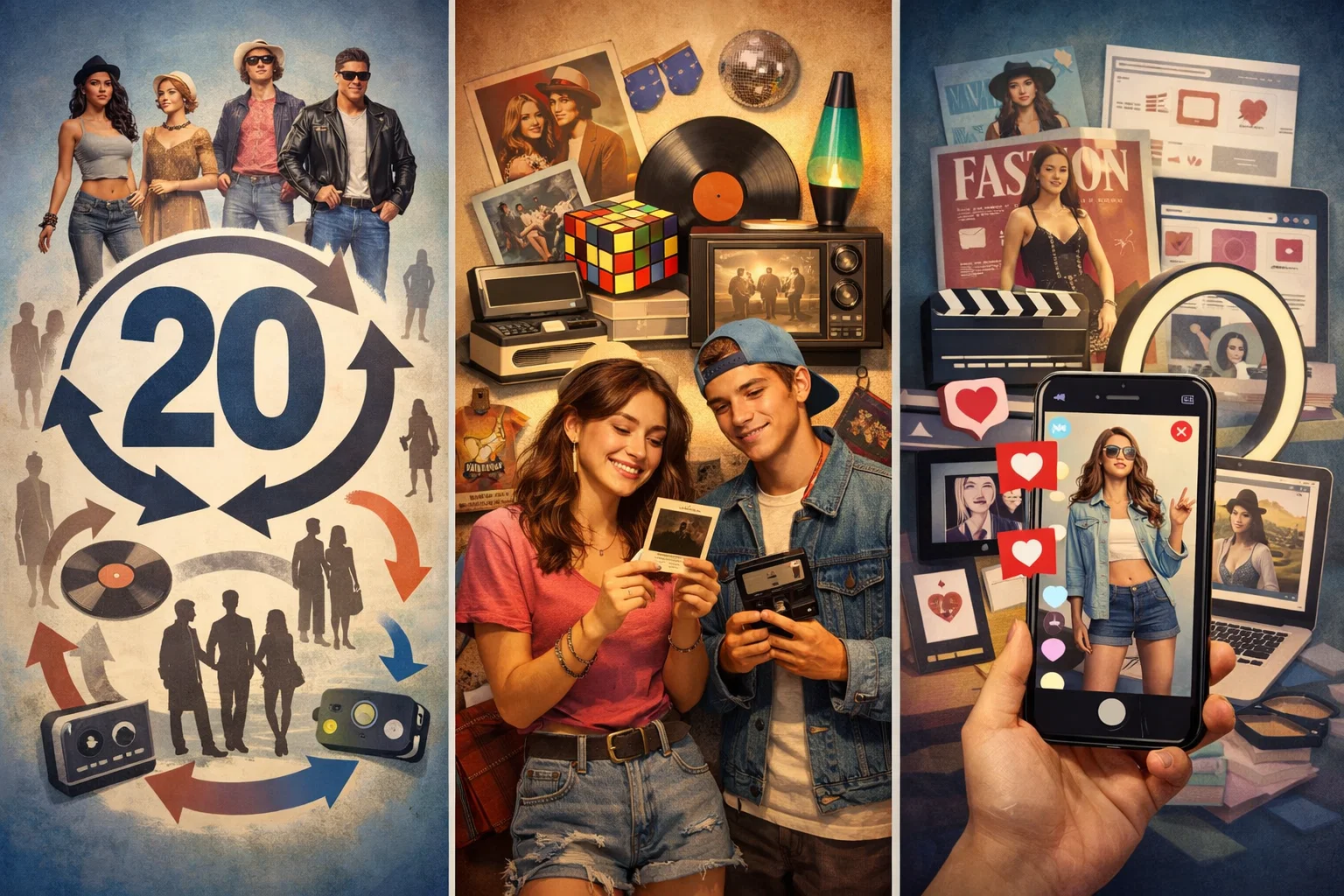
Movies and TV shows wield considerable power in bringing back nostalgic fashion. When iconic characters sport vintage outfits or period pieces gain popularity, consumers often feel a renewed interest in those styles, thus influencing fashion trends. This resurgence can dramatically shape popular fashion.
Music subcultures are also significant drivers of retro fashion. Whether it’s the grunge of the 90s, the disco of the 70s, or the pop-punk of the 2000s, music movements often dictate the aesthetics of a generation, influencing what comes back in style. These movements lead to new style directions.
Social media platforms, particularly TikTok and Instagram, play a crucial role in accelerating nostalgia and trend revival. Influencers showcase past trends, often sparking viral moments that bring back once-forgotten styles into modern fashion. The rise of social media thus speeds up the fashion cycle.
Fashion Industry Mechanics
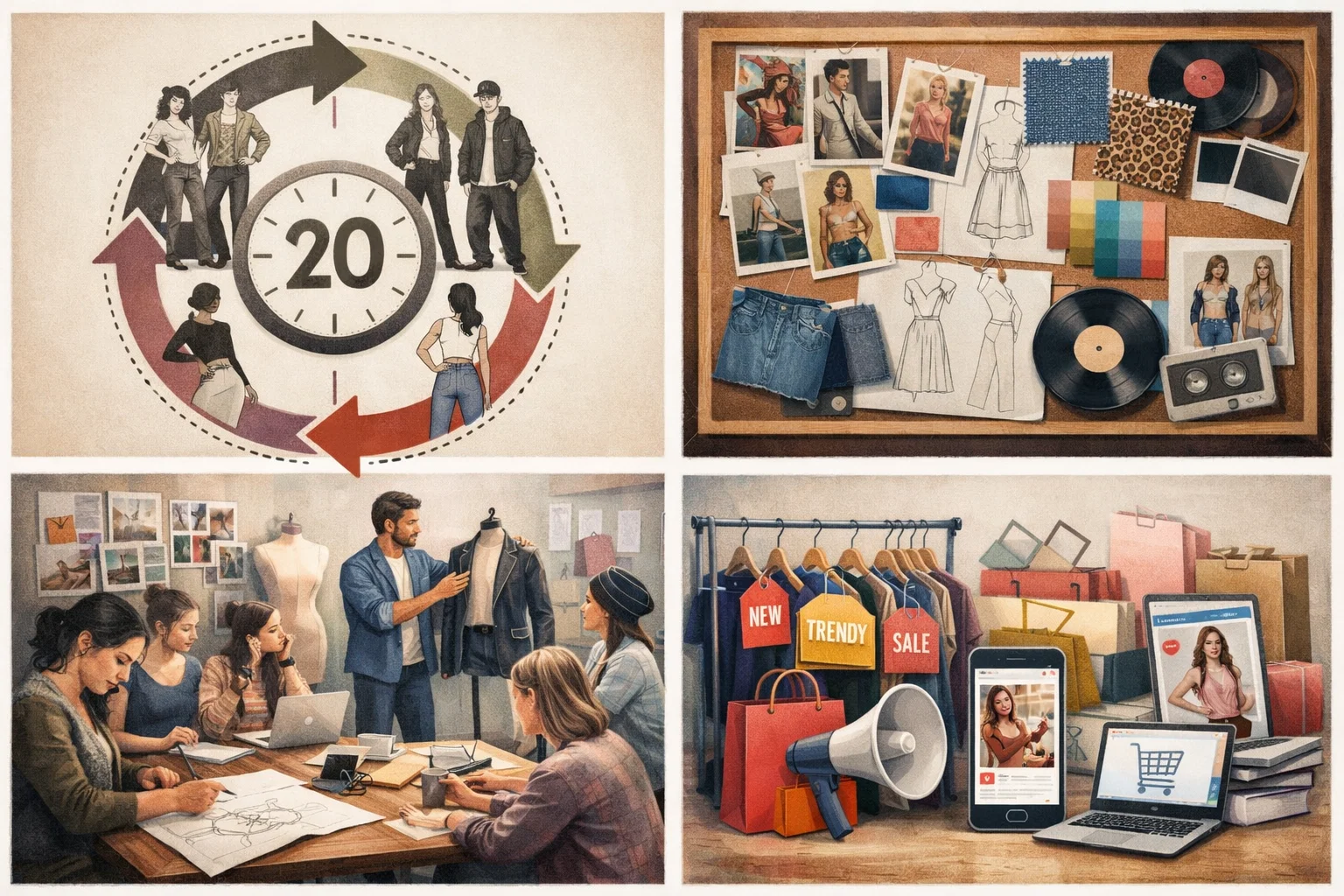
How Designers Reinterpret Classic Styles
Fashion designers constantly look to the past for inspiration, reinterpreting classic silhouettes and styles to create new trends. By modernizing vintage looks with contemporary fabrics and details, they bridge the gap between nostalgia and new style.
Luxe vs. Fast Fashion in Recycling Trends
Luxury brands often set the stage by showcasing high-fashion versions of retro styles on the runway, while fast fashion retailers quickly adapt these trends for mass consumption. This dynamic ensures that nostalgic aesthetics are accessible and widespread.
Marketing and Trend Forecasting for Comeback Styles
Marketing teams and trend forecasters play a vital role in identifying and promoting comeback styles. By analyzing cultural shifts and consumer behavior, they predict which past trends are poised to resurface, thus influencing the fashion cycle.
Technology and Digital Acceleration of Fashion Cycles
Social Media and Viral Trend Revival
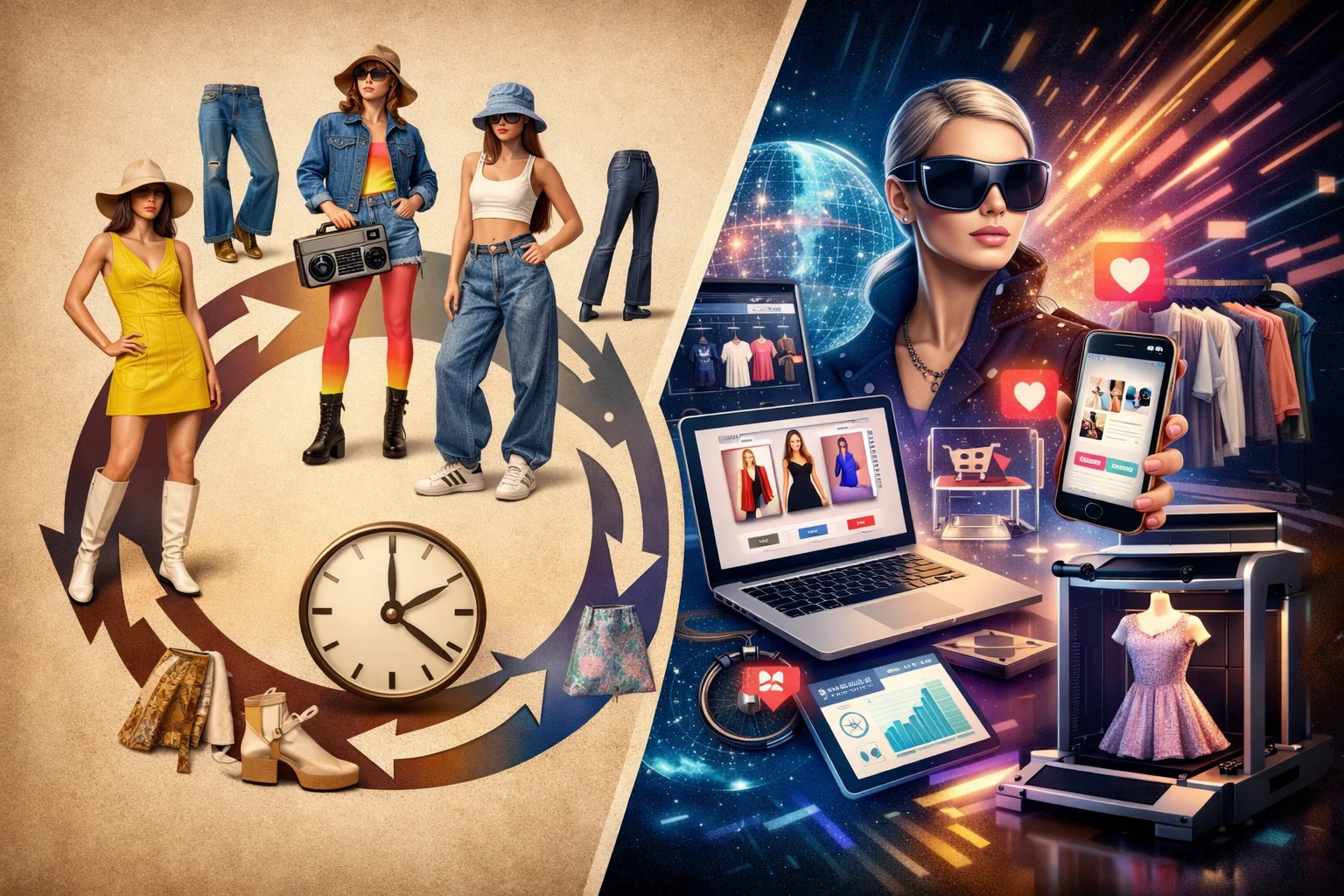
Social media platforms like TikTok and Instagram are instrumental in accelerating the fashion cycle. Viral trends can emerge overnight, quickly propelling retro styles back into the mainstream and influencing popular fashion. This phenomenon changes how quickly trends tend to come and go.
Online Archives and Vintage Marketplaces
Online archives and vintage marketplaces provide a treasure trove of inspiration for designers and consumers alike. These platforms offer easy access to past trends, making it easier to revive and incorporate nostalgic styles into modern fashion.
AI and Data-Driven Predictions of Trend Comebacks
Artificial intelligence and data analytics are increasingly used to predict trend comebacks. By analyzing social media data, search trends, and historical patterns, AI can forecast which styles are likely to resurface next, giving the fashion industry a competitive edge.
Psychological Factors Behind Fashion Recycling
Desire for Familiarity vs. Novelty
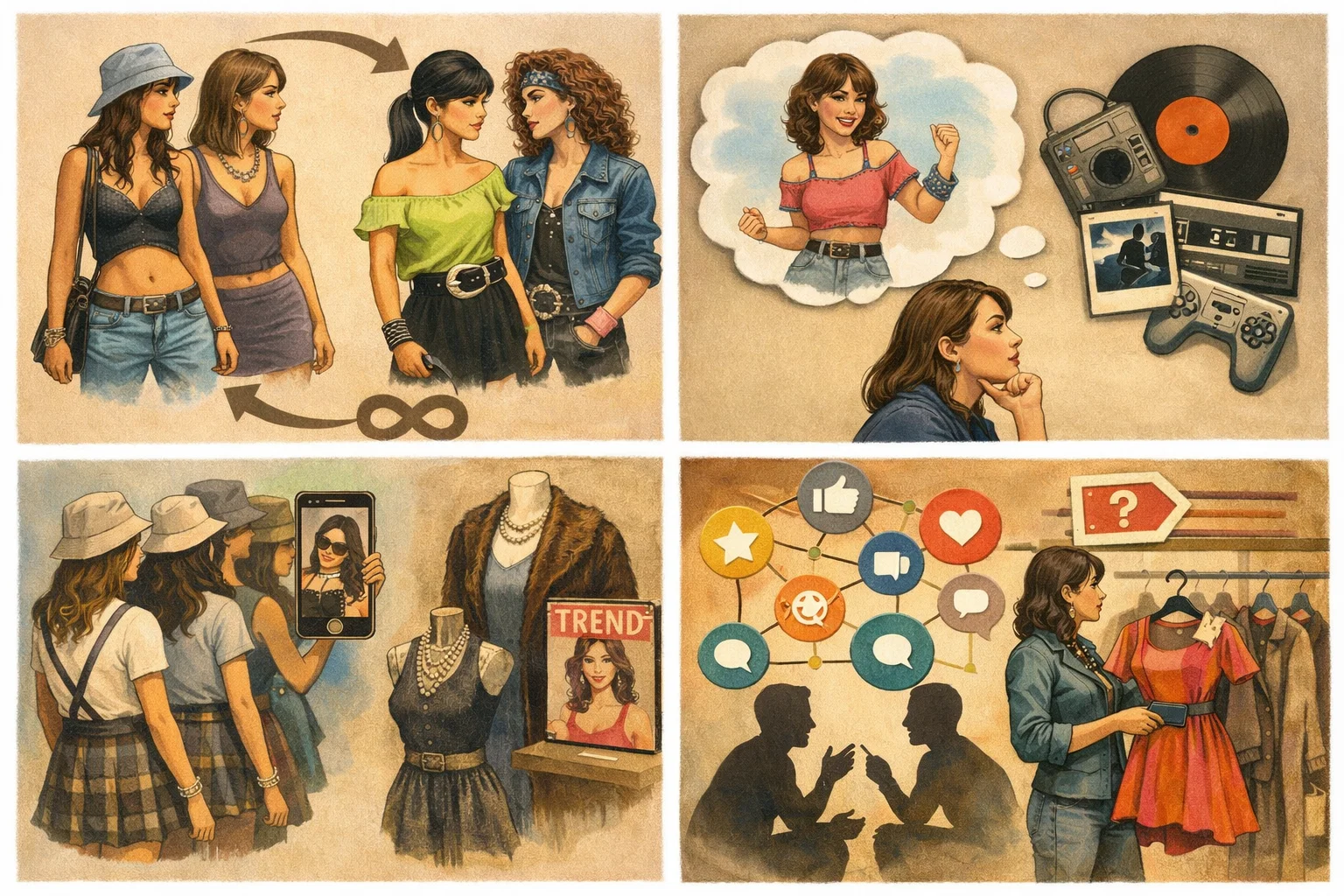
The fashion cycle is driven by a balance between the desire for familiarity and novelty. While consumers crave new trends, they also find comfort in styles they recognize from the past, driving the resurgence of retro aesthetics.
Emotional Comfort and Self-Expression Through Retro Styles
Retro styles often evoke a sense of emotional comfort, reminding individuals of fond memories and past experiences. Incorporating these styles into one’s personal style allows for self-expression and a connection to a specific era.
Collective Memory and Social Influence on Trend Adoption
Collective memory plays a significant role in trend adoption. As a generation revisits the fashion of their youth, social influence amplifies the trend, making it more desirable and widely accepted in popular fashion. This cycle is every 20 years.
Iconic Examples of 20-Year Fashion Comebacks
1980s → 2000s: Neon, Shoulder Pads, and Power Suits
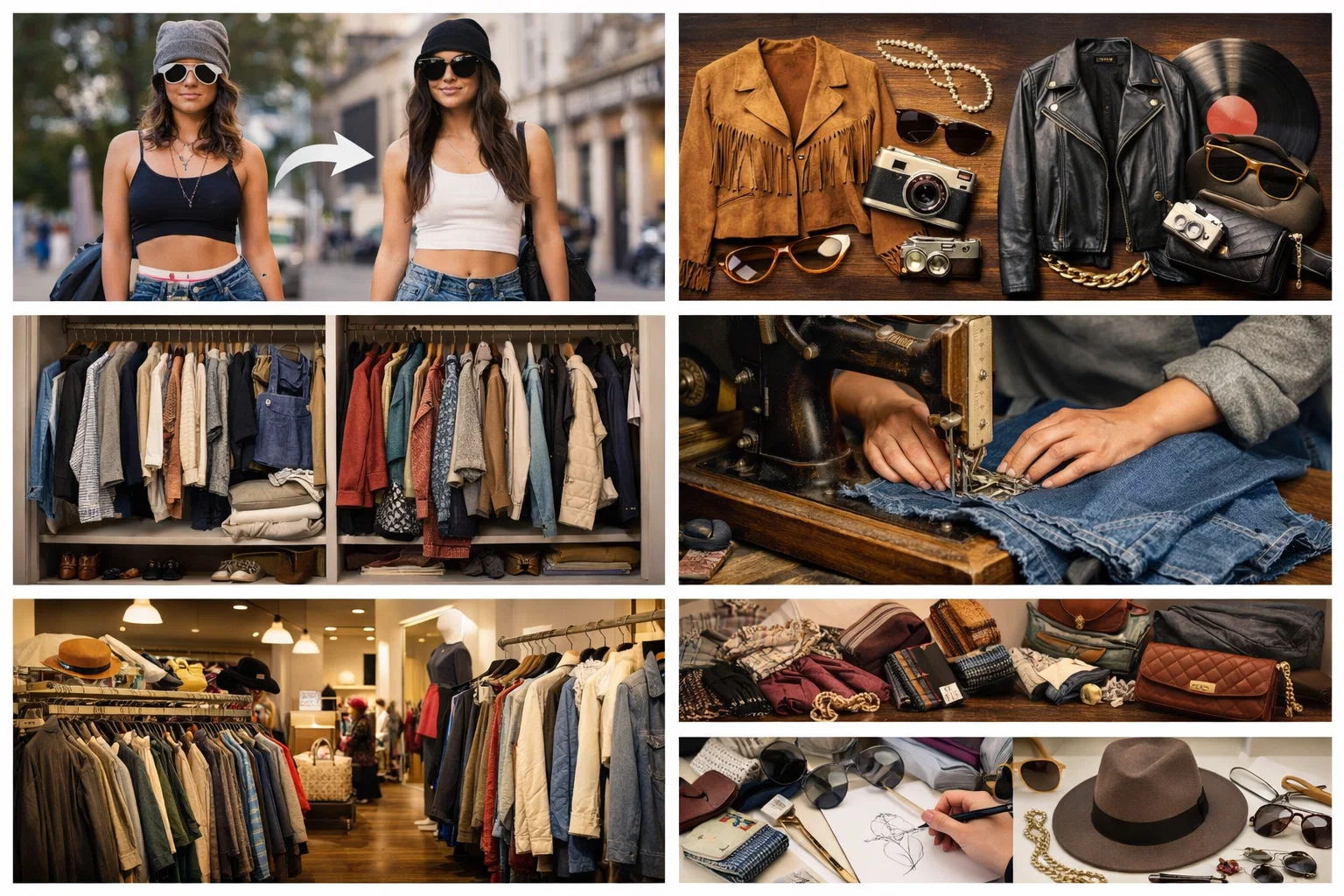
The 2000s saw a resurgence of 1980s trends such as neon colors, shoulder pads, and power suits, revamped for modern fashion. This comeback highlighted how past trends, after every 20 years, can resurface with a contemporary twist. These trends tend to become popular again.
1990s → 2010s: Grunge, Chokers, and Oversized Denim
In the 2010s, the 1990s grunge look, complete with chokers and oversized denim, made a significant comeback. This nostalgic revival showcased the fashion cycle, demonstrating how fashion trends from the 90s influenced modern fashion and the new style.
2000s → 2020s: Low-Rise Jeans, Cargo Pants, and Logomania
The 2020s have witnessed the return of Y2K fashion, including low-rise jeans, cargo pants, and logomania, echoing the aesthetics of the 2000s. This resurgence exemplifies how, every 20 years, styles resurface, driven by a feeling of nostalgia and influencer culture.
Practical Takeaways for Fashion Lovers
How to Incorporate Retro Trends Without Looking Outdated
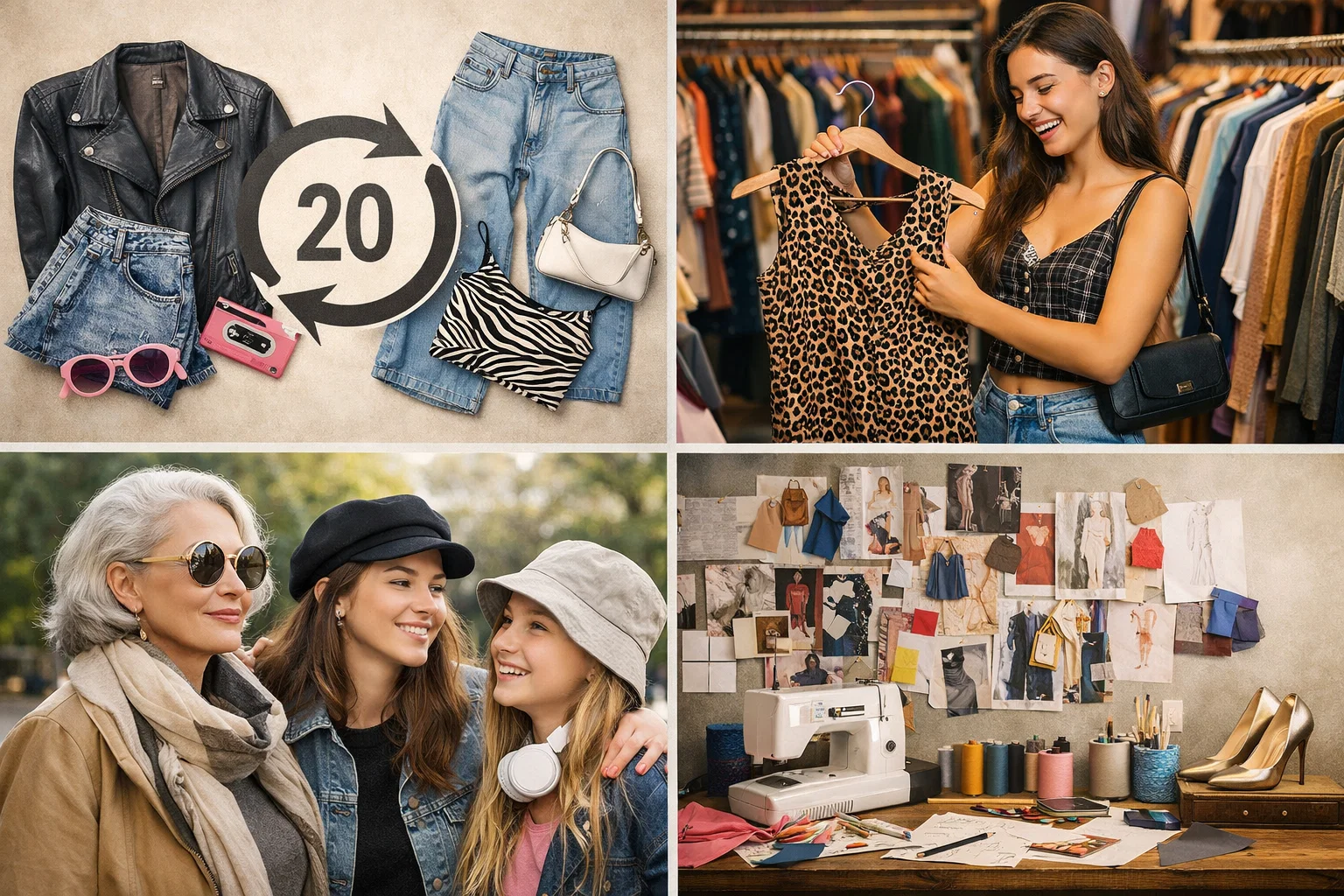
To embrace retro trends without appearing dated, blend vintage pieces with modern fashion staples. Balancing a nostalgic silhouette with contemporary accessories can create a fresh, relevant personal style. This approach ensures that past trends feel current.
Balancing Nostalgia With Modern Style
Successfully integrating nostalgia into your wardrobe involves carefully curating a mix of retro and modern elements. Pair a vintage item with new style pieces to strike a balance and avoid a costume-like appearance, thus updating past trends.
Investing in Timeless Pieces for Long-Term Wear
Investing in timeless pieces is crucial for a sustainable and stylish wardrobe. Focus on classic silhouettes and high-quality fabrics that transcend fleeting microtrends, ensuring your wardrobe remains fashionable beyond the immediate fashion cycle.
Future Outlook: What Trends Could Return Next?
Predicting the 2040s Fashion Trends Based on 2020s Styles
Predicting the fashion trends of the 2040s involves looking at the current styles of the 2020s and anticipating their resurgence with a futuristic twist. Expect a revival of today’s aesthetics, modernized for a new generation, every 20 years.
How Sustainability and Personalization Affect Comebacks
Sustainability and personalization will increasingly influence future fashion comebacks. Consumers are likely to prioritize eco-friendly materials and unique, customized designs when reviving past trends, driving a more conscious fashion cycle. These are new trends in the fashion industry.
Role of Technology in Shaping the Next Cycle
Technology will play a pivotal role in shaping the next fashion cycle. AI-driven trend forecasting, virtual fashion shows, and online platforms will accelerate the revival and adaptation of past trends, influencing popular fashion for years to come.
Conclusion: The Science and Joy of Fashion Comebacks
Fashion comebacks are a blend of historical patterns, generational nostalgia, and innovative reinvention. Understanding this cycle not only demystifies the fashion industry but also allows for a deeper appreciation of self-expression through style. Thus, the cycle comes and goes every 20 years.