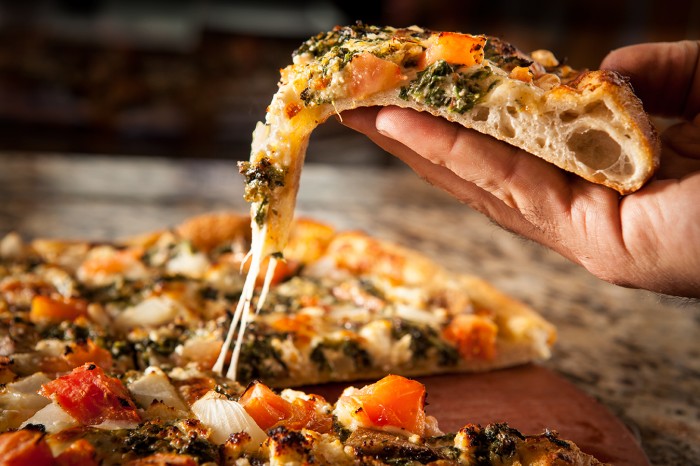
In the world of dieting and healthy eating, the concept of a cheat meal often arises. It’s a strategy that, when approached intelligently, can help you indulge in the foods you love without derailing your diet.
Let’s explore how a cheat meal can be incorporated into a balanced lifestyle.
Understanding the Concept of a Cheat Meal
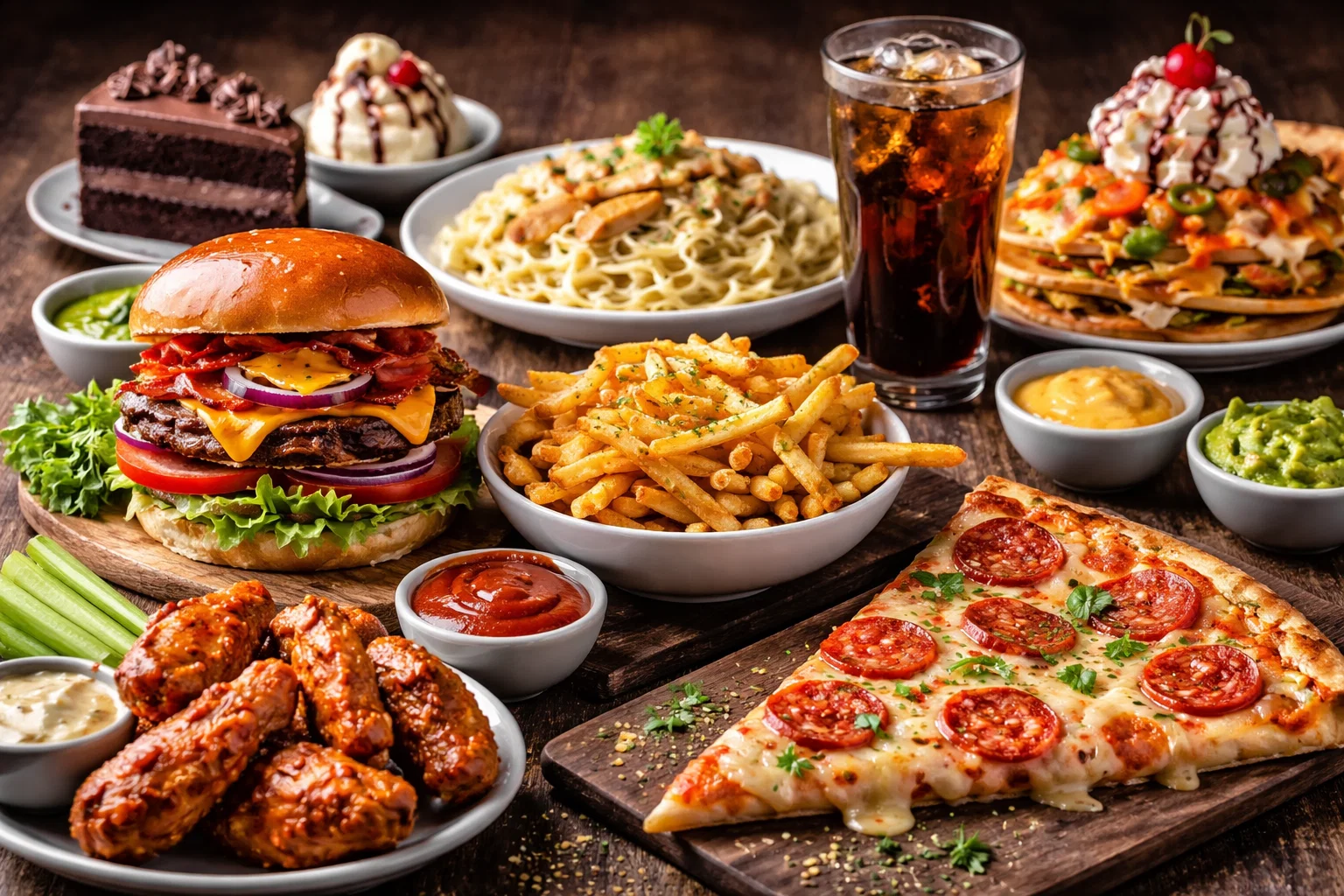
What Exactly Is a Cheat Meal?
A cheat meal is a planned indulgence, a single meal where you deviate from your strict diet or healthy eating plan. It’s not about reckless abandon but rather a strategic opportunity to enjoy foods you love without compromising your health goals. A cheat meal can help you reset and recharge.
Cheat Meal vs. Cheat Day: Why One Meal Is Better
Choosing a cheat meal over a cheat day is about controlling calorie intake. A cheat day, filled with extra calories, can undo progress. A single, well-planned cheat meal provides indulgence without ruining your progress, making it a smarter way to satisfy cravings without feeling guilty.
The Psychology Behind Cravings and Flexibility
Cravings can challenge even the most disciplined individual. A cheat meal offers flexibility, satisfying psychological desires without ruining a healthy diet. This flexibility can prevent diet burnout, making a strict diet feel more manageable and supporting long-term consistency. Learning to enjoy your meals is key.
Benefits of Including Cheat Meals in Your Diet
Preventing Diet Burnout and Emotional Eating
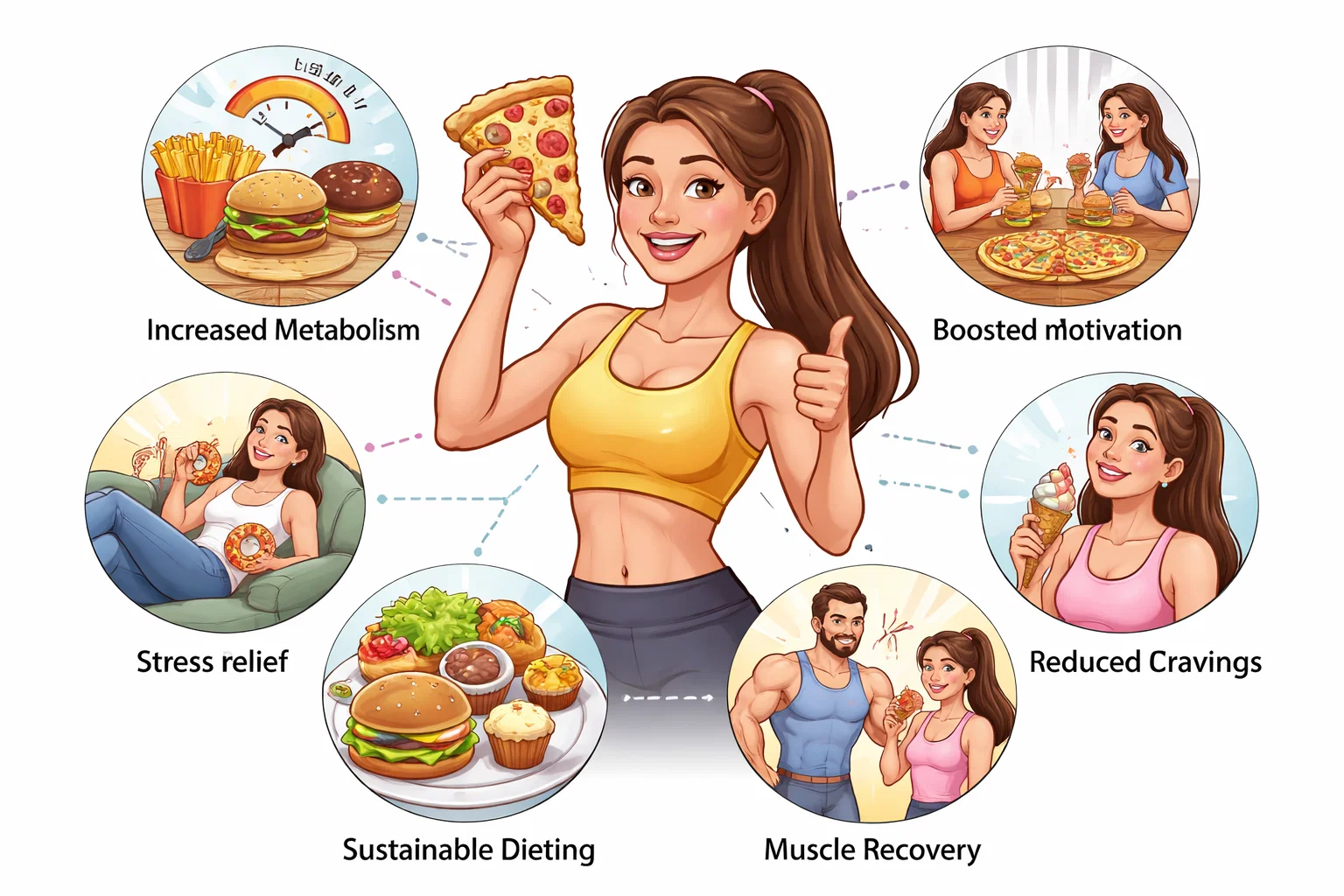
A cheat meal can help prevent diet burnout by offering a break from restriction. Incorporating a cheat meal into your eating plan can reduce the urge for emotional eating, satisfying cravings and helping you maintain a balanced relationship with food without feeling deprived.
Boosting Motivation and Long-Term Consistency
Knowing that a cheat meal is on the horizon can boost motivation, making daily adherence to a low-calorie diet more manageable. This anticipation supports long-term consistency in healthy eating habits, as occasional indulgence keeps the diet sustainable and prevents the feeling of being overly restricted.
Supporting Metabolism and Hormone Balance
While not a primary goal, a well-managed cheat meal may offer a slight boost to metabolism. The extra calories can temporarily increase metabolic rate and influence hormone balance, providing a brief shift that helps get back on track with a healthy eating lifestyle. The goal is to get back on track promptly.
Planning Your Cheat Meal Strategically

Timing Your Cheat Meal Around Workouts
Strategic timing of your cheat meal can maximize its benefits. Planning your cheat meal around workouts, especially after intense muscle gain exercises, can help utilize the extra calories for recovery and glycogen replenishment, turning indulgence into a potential performance enhancer without compromising health.
Portion Control Without Feeling Deprived
Effective portion control during a cheat meal is key to enjoying indulgence without ruining your progress. By practicing mindful eating and being aware of portion sizes, you can enjoy a cheat meal without feeling guilty, keeping the calorie impact manageable and ensuring you stay aligned with your health goals.
Choosing High-Quality Indulgent Foods
Opt for high-quality indulgent foods during your cheat meal to maximize satisfaction and minimize potential negative impacts. Selecting richer, more satisfying options can lead to greater enjoyment without requiring excessive quantities, making your cheat meal a more rewarding and less harmful experience to your healthy diet.
How to Enjoy Your Cheat Meal Mindfully

Eating Slowly and Savoring Every Bite
To truly enjoy a cheat meal, eating slowly is key. Savoring each bite enhances satisfaction, making the indulgence more fulfilling. This mindful approach helps prevent overeating by allowing your body to register fullness, turning your cheat meal into a truly enjoyable experience without derailing your diet or ruining your progress.
Avoiding Emotional or Mindless Eating
Avoiding emotional or mindless eating during a cheat meal is vital. Be aware of your hunger cues and avoid eating out of boredom or stress. By staying present and focusing on the flavors, you can prevent overindulgence and maintain control, ensuring your cheat meal remains a positive part of your healthy eating plan.
Tips for Dining Out or Social Situations
When dining out or in social situations, plan your cheat meal strategically. Choose one indulgent dish and balance it with healthier sides. Don’t feel pressured to overeat; enjoy your cheat meal without compromising your health goals. This approach allows you to indulge while maintaining a balanced lifestyle.
Cheat Meal Mistakes to Avoid
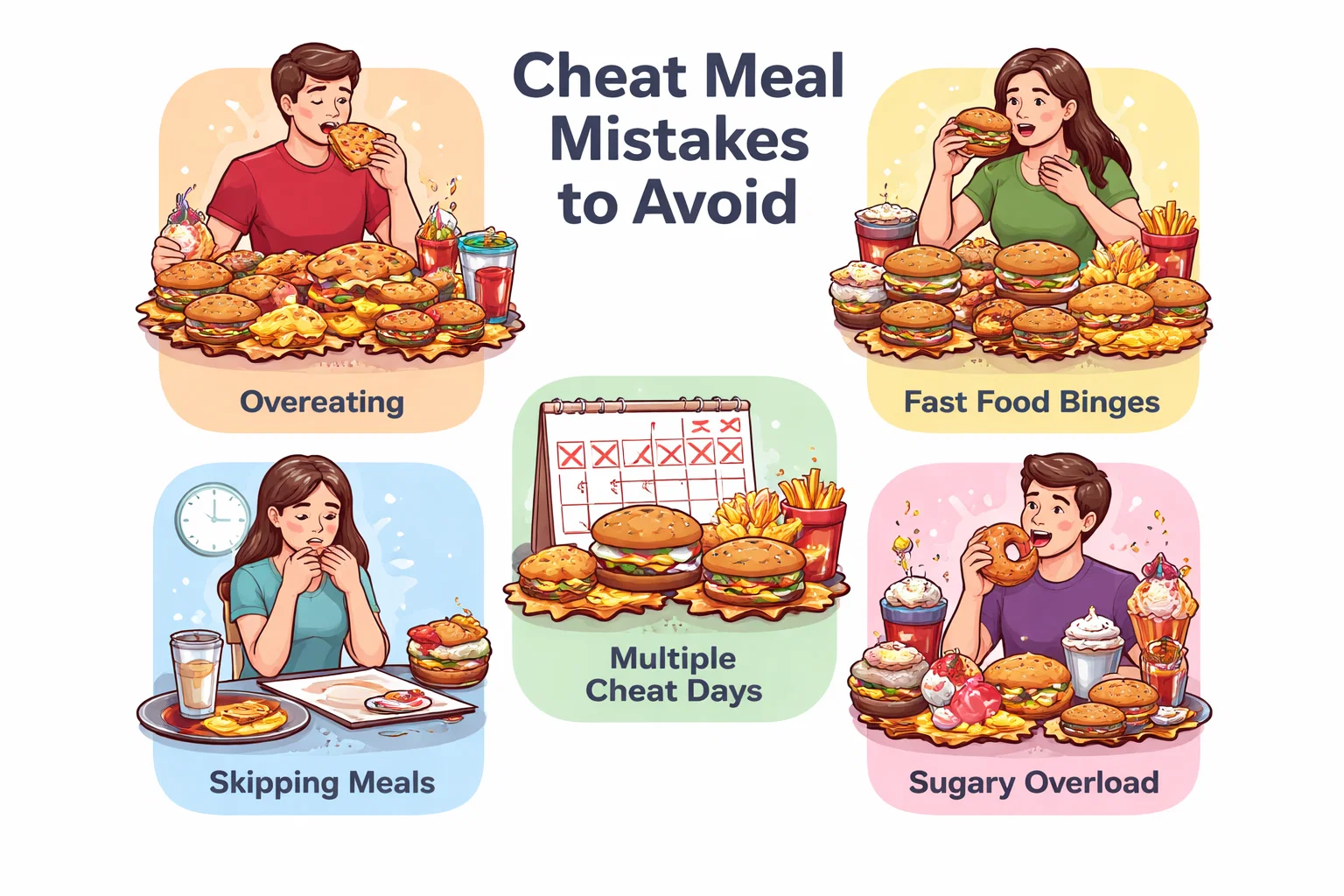
Turning One Meal Into a Full-Day Binge
One of the biggest mistakes is turning a single cheat meal into a full-day binge, filled with extra calories. This can undo progress and create a negative cycle. Stick to your plan and enjoy a single cheat meal without letting it extend into a cheat day, helping you get back on track quickly.
Guilt and “Punishment” Eating the Next Day
Avoid feeling guilt after enjoying a cheat meal, as it can lead to “punishment” eating. Instead, accept the indulgence as part of your balanced diet and resume your healthy eating plan the next day. This mindset prevents a negative relationship with food and supports long-term consistency.
Relying on Cheat Meals Instead of Sustainable Habits
Relying solely on cheat meals instead of building sustainable habits can hinder progress. Cheat meals should complement a healthy diet, not replace it. Focus on establishing consistent, balanced eating habits that support your health goals, making cheat meals an occasional treat, not a crutch.
Refeed Days: The Smart Alternative for Dieters
What Is a Refeed and How It Differs from Cheat Meals
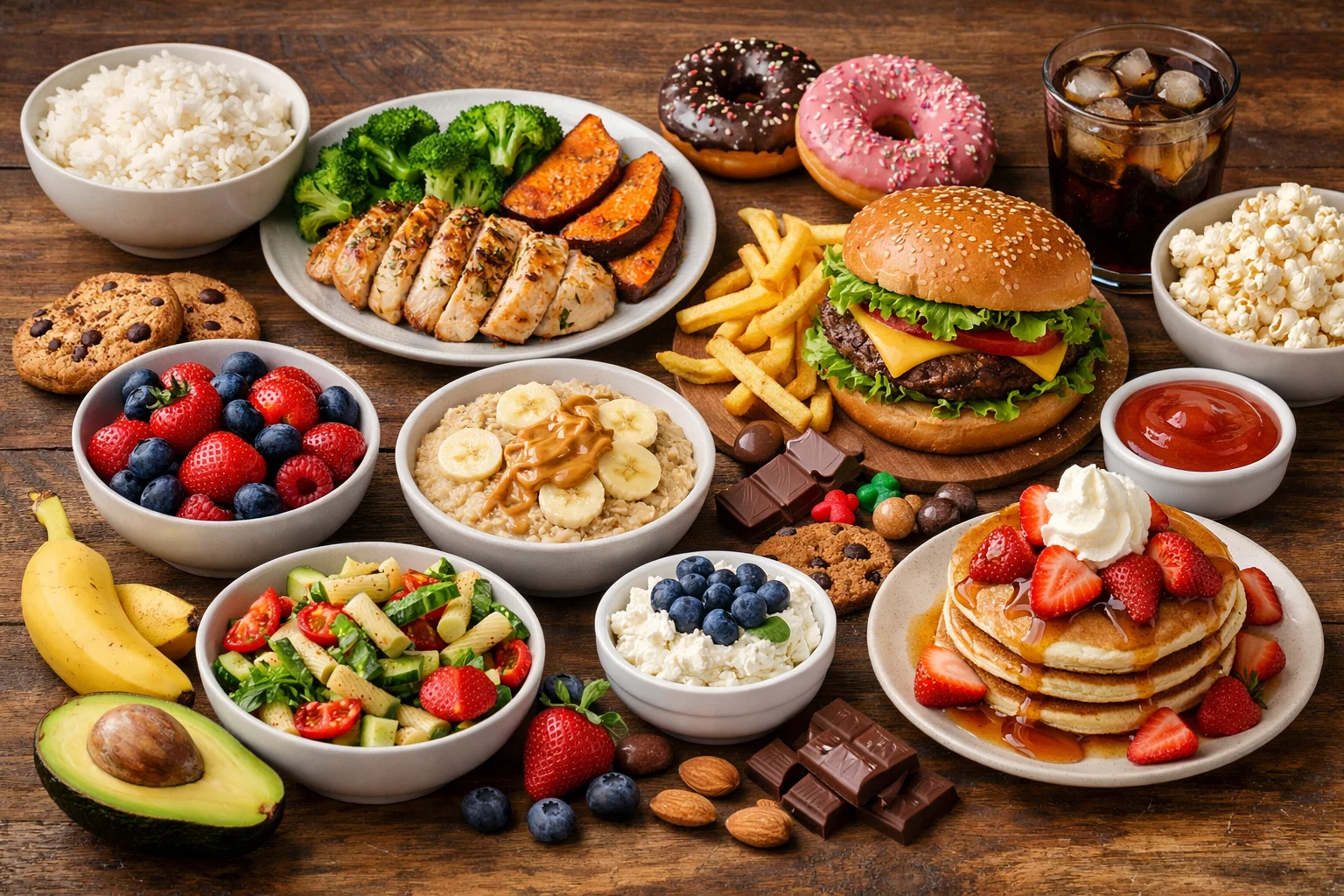
A refeed day is a planned increase in calorie intake, primarily from carbohydrates, to restore glycogen levels and boost metabolism. Unlike cheat meals, refeeds are structured and controlled, aimed at physiological benefits rather than pure indulgence, making them a strategic tool in a diet. This is an important part of meal prep.
How Refeeds Support Fat Loss and Muscle Maintenance
Refeeds support fat loss and muscle maintenance by replenishing glycogen stores, which can enhance workout performance. The increased calorie intake can also temporarily boost metabolism and regulate hormones, optimizing the body’s ability to burn fat and preserve muscle mass during a calorie deficit.
How to Structure a Controlled Refeed Day
Here’s how to structure a controlled refeed day: increase your carbohydrate intake, keeping protein and fat relatively stable. Focus on incorporating good sources of carbohydrates, such as:
- Rice
- Potatoes
- Oats
Remember to monitor your body’s response and adjust future refeeds accordingly, ensuring it aligns with your health goals.
Incorporating Cheat Meals Into Your Weekly Plan
Frequency Recommendations Based on Goals
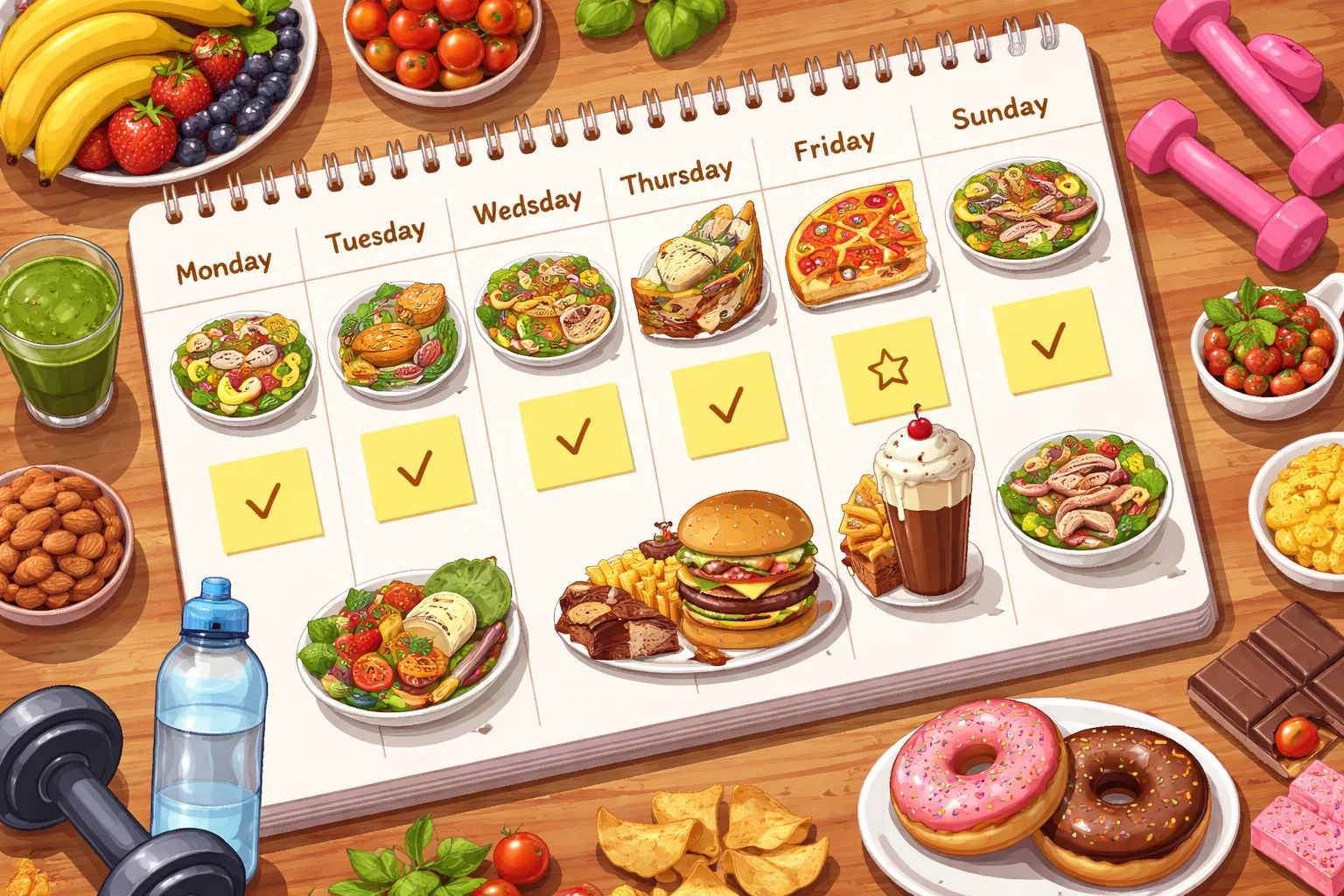
The frequency of incorporating a cheat meal into your diet depends on your goals. If your goal is rapid fat loss on a strict diet, a cheat meal every two weeks might be appropriate. For maintenance or slower progress, a weekly cheat meal can help. Adjust frequency based on how your body responds and your health goals, making sure to enjoy your meals.
Balancing Macro and Micronutrients Around Indulgence
Balancing macro and micronutrients around your indulgence is vital. On regular days, prioritize whole foods rich in nutrients, ensuring a balanced eating plan. When incorporating a cheat meal, be mindful of overall calorie intake and try to include some nutritious choices to balance the indulgence, making it a well-planned cheat.
Tracking Progress Without Obsessing Over Calories
Track your progress without obsessing over daily calorie counts. Monitor long-term trends in weight and body composition. Use tools like photos and measurements to assess progress. Don’t let the extra calories from a cheat meal derail you; focus on overall consistency and sustainable habits to stay on track without ruining your progress.
Mindset Shift: From “Cheating” to “Balanced Flexibility”
Reframing Your Relationship With Food
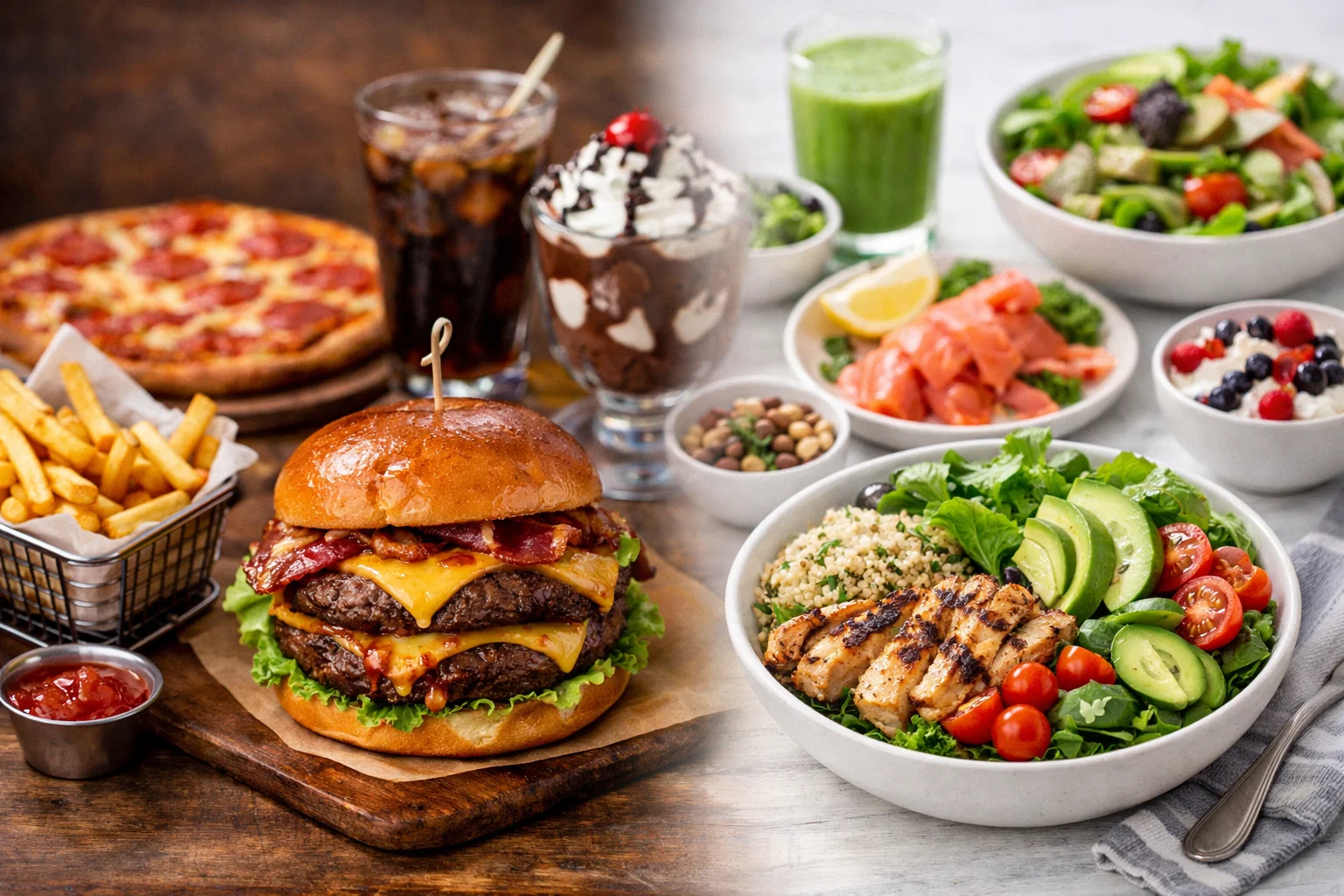
Reframing your relationship with food is key to a healthy lifestyle. Shift your mindset from restrictive dieting to balanced eating. View a cheat meal not as a “cheat” but as a planned indulgence. This approach promotes a positive relationship with food and ensures long-term adherence without compromising your well-being.
Long-Term Diet Success Through Flexibility
Long-term diet success hinges on flexibility. Incorporating a cheat meal into your diet can make healthy eating sustainable. This flexibility prevents burnout and promotes consistency. By allowing occasional indulgences, you create a balanced approach that supports your health goals and helps maintain your eating plan.
Building a Sustainable Lifestyle, Not a Short-Term Fix
Focus on building a sustainable lifestyle, not just a short-term fix. A sustainable approach includes a healthy diet most of the time, with room for occasional cheat meals into your diet or indulgent meals. This mindset supports long-term well-being and prevents the yo-yo dieting cycle, ensuring lasting results without feeling guilty.
Conclusion: Cheat Smart Without Guilt
In conclusion, cheat smart by strategically incorporating a cheat meal into your eating plan. Plan your cheat meals, control portions, and choose high-quality foods you love. Shift your mindset from “cheating” to “balanced flexibility” to enjoy your meals without ruining your progress or sacrificing your health goals. Cheat smart without guilt for sustainable success.