Step into the world of bridal fashion where fabric selection is as crucial as the design itself. As we approach 2026, the emphasis on the right textile is only growing, reflecting a shift towards comfort, ethical production, and lasting impressions.
Why Fabric Choice Matters in 2026 Weddings
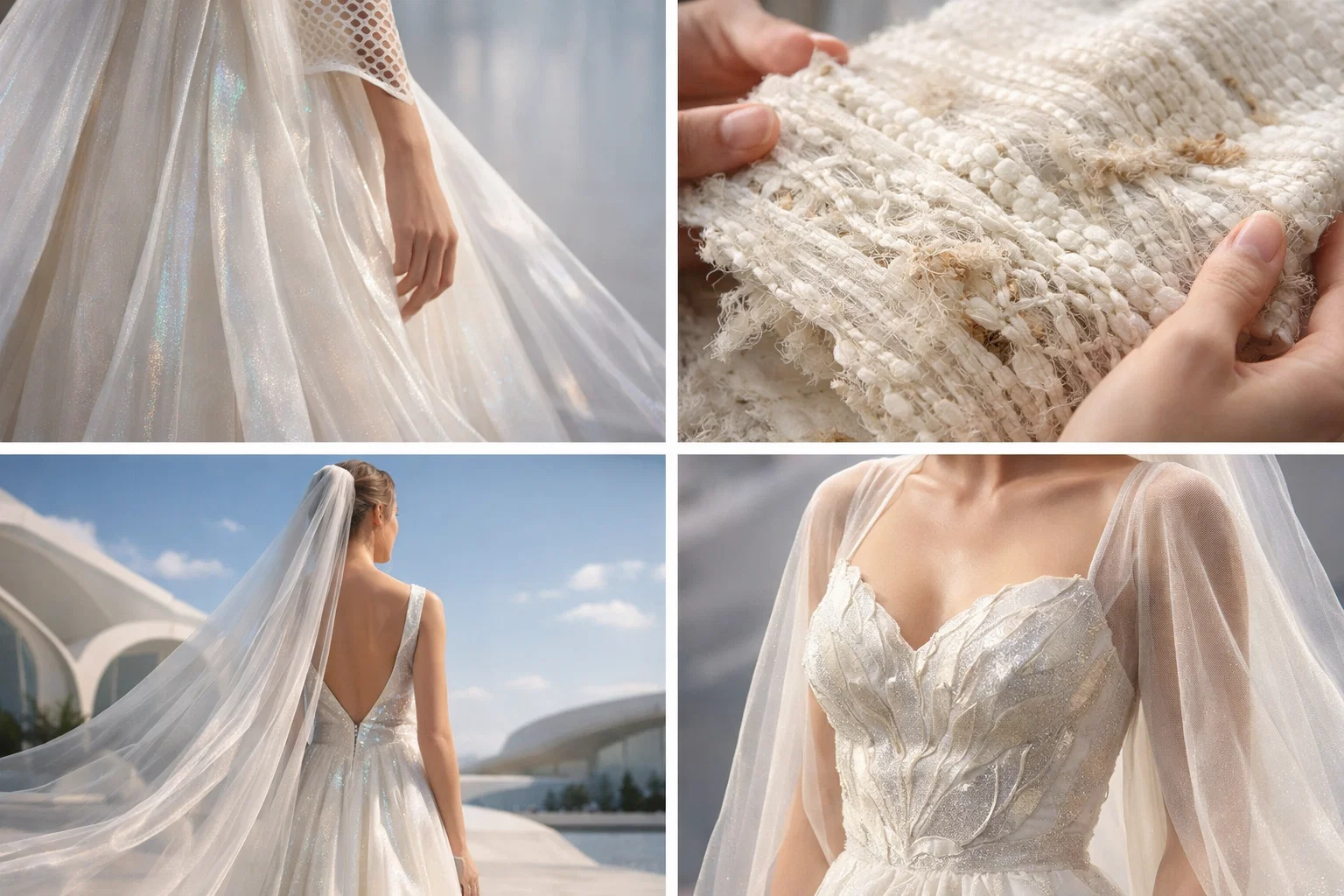
The Evolving Role of Bridal Textiles in Modern Weddings
Modern weddings are redefining tradition, and bridal wear is no exception. The choice of fabric now speaks volumes about personal values. Brides are increasingly seeking sustainable and ethically sourced fabrics and materials that reflect their commitment to sustainability. The move also showcases that brides also want both style and substance.
Key Trends Shaping Wedding Fabrics for 2026
Here’s what you can expect in the future fabrics landscape, as several key trends are set to dominate 2026 wedding fashion. These include:
- A rise in breathable and lightweight textiles for enhanced comfort.
- A surge in demand for sustainable options and luxury.
- A focus on unique textures and construction techniques which will provide visual depth.
Breathe Easy: The Rise of Breathable Fabrics
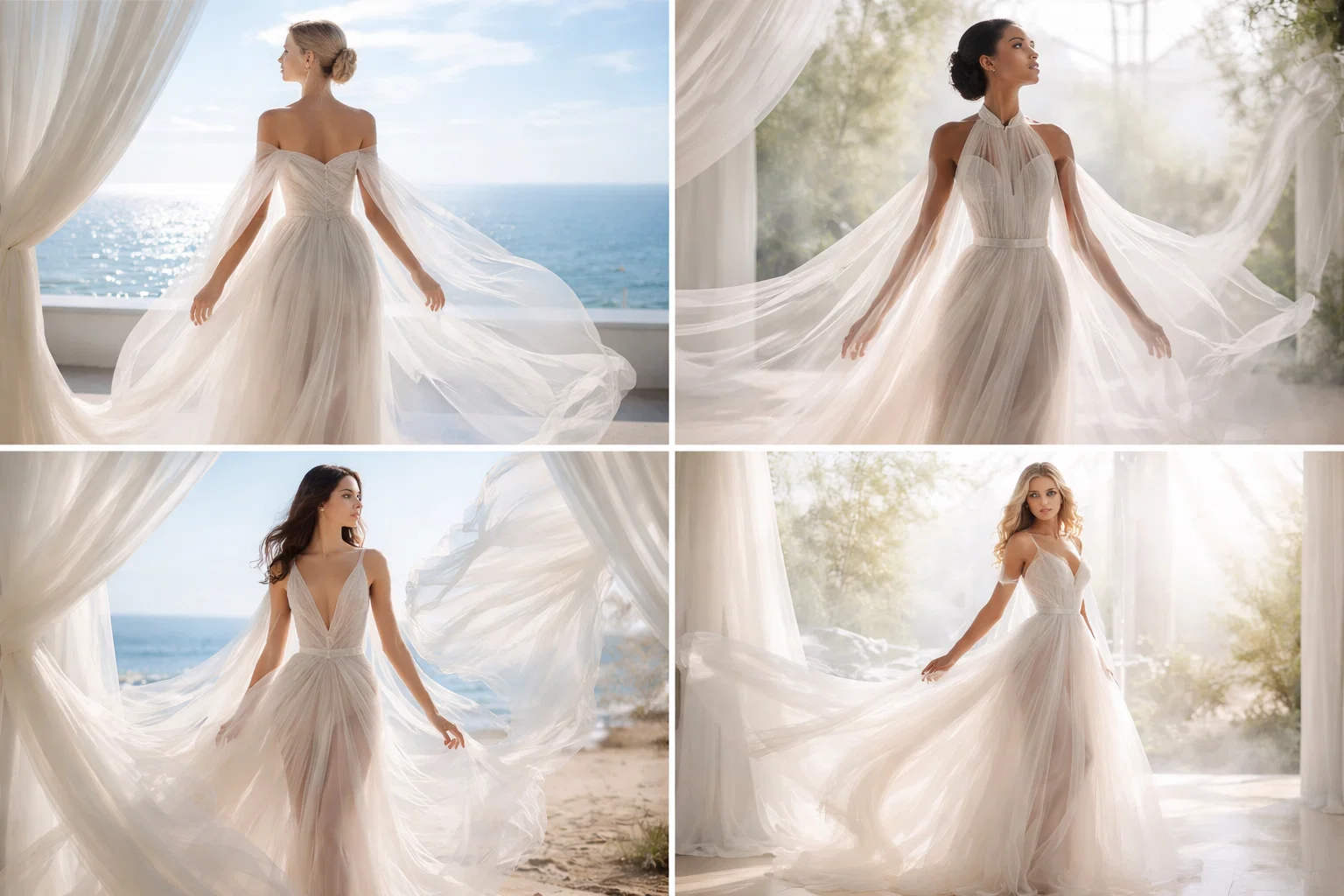
Lightweight Weaves for All-Day Comfort (Chiffon, Georgette, Organza)
For unparalleled comfort on the big day, lightweight weaves are ideal. These fabrics offer several benefits, including:
- Excellent airflow, keeping the bride cool and comfortable.
- An ethereal softness, lending a delicate touch to any bridal design.
Fabrics like chiffon, georgette, and organza exemplify these qualities.
Innovative Fibers for Breathability and Moisture Control (Tencel™, Lyocell, Bamboo)
Here’s how innovation is changing fibre technology: exceptionally breathable and moisture-wicking options are becoming more common. Some fibres are gaining popularity because of their comfort and eco-friendly qualities, including:
- Tencel™ and Lyocell
- Bamboo fibres
Lyocell and bamboo offer a silky smooth tactile experience while also promoting sustainability.
Layering Techniques to Enhance Comfort Without Sacrificing Style
Strategic layering can enhance comfort without compromising style. Combine lightweight, breathable linings with more structured outer layers to create a balanced and stylish silhouette. This technique ensures the bride looks elegant while remaining comfortable throughout the day. It offers a blend of aesthetics and practicality.
Sustainable Fabrics: Embracing Eco-Conscious Luxury
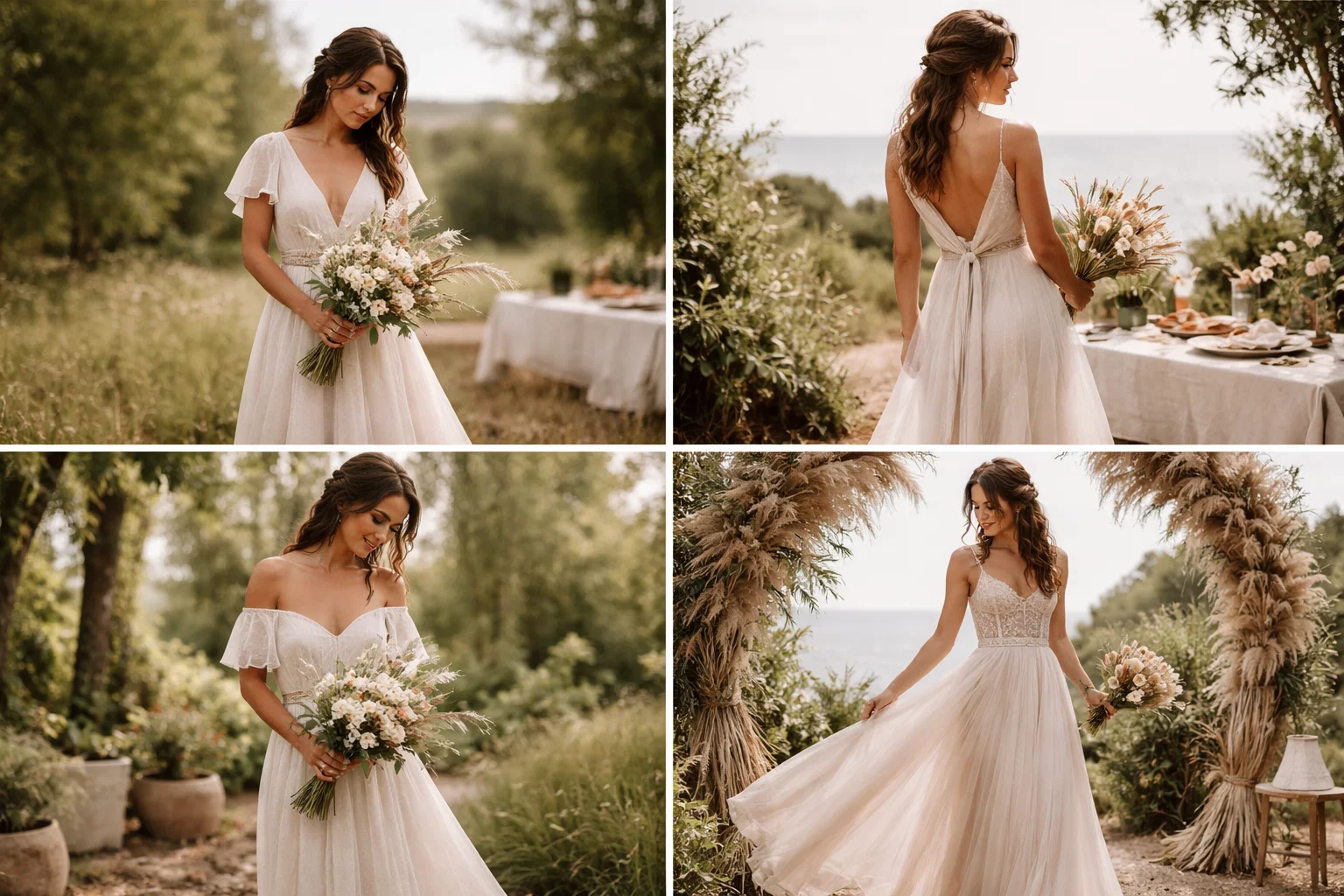
Organic and Recycled Fibers in Bridal Wear
As sustainability gains prominence, organic and recycled fibers are revolutionizing bridal wear. Recycled polyester, organic cotton, and other sustainable fabrics offer guilt-free alternatives without compromising style. These fabrics support recycling initiatives and reduce the environmental impact of the fashion industry. Brides can embrace these options for sustainability.
Plant-Based and Regenerative Materials for Guilt-Free Elegance
Plant-based and regenerative materials offer a pathway to guilt-free elegance. Fabrics like hemp, linen, and bamboo are cultivated using methods that promote soil health and reduce carbon emissions. By choosing these options, brides can support environmentally responsible practices and contribute to climate action. This is a step toward fabrics that nurture the earth.
Low-Impact Dyeing and Responsible Sourcing Practices
Low-impact dyeing and responsibly sourced fabrics and materials are crucial for minimizing the environmental footprint of wedding attire. Traditional dyeing processes often involve harmful chemicals, but low-impact alternatives use natural or synthetic dyes with lower toxicity. Responsible sourcing ensures that suppliers adhere to ethical labor and environmental standards.
Case Studies: Designers Leading the Sustainable Wedding Fabric Movement
Several designers are pioneering the sustainable fabric movement in bridal fashion. Stella McCartney, for example, is renowned for her commitment to using organic, recycled, and plant-based textiles. These designers demonstrate that it’s possible to create luxurious and elegant wedding gowns while prioritizing sustainability. These designers shape the future of fabrics.
Texture and Luxury: The Allure of Premium Textiles
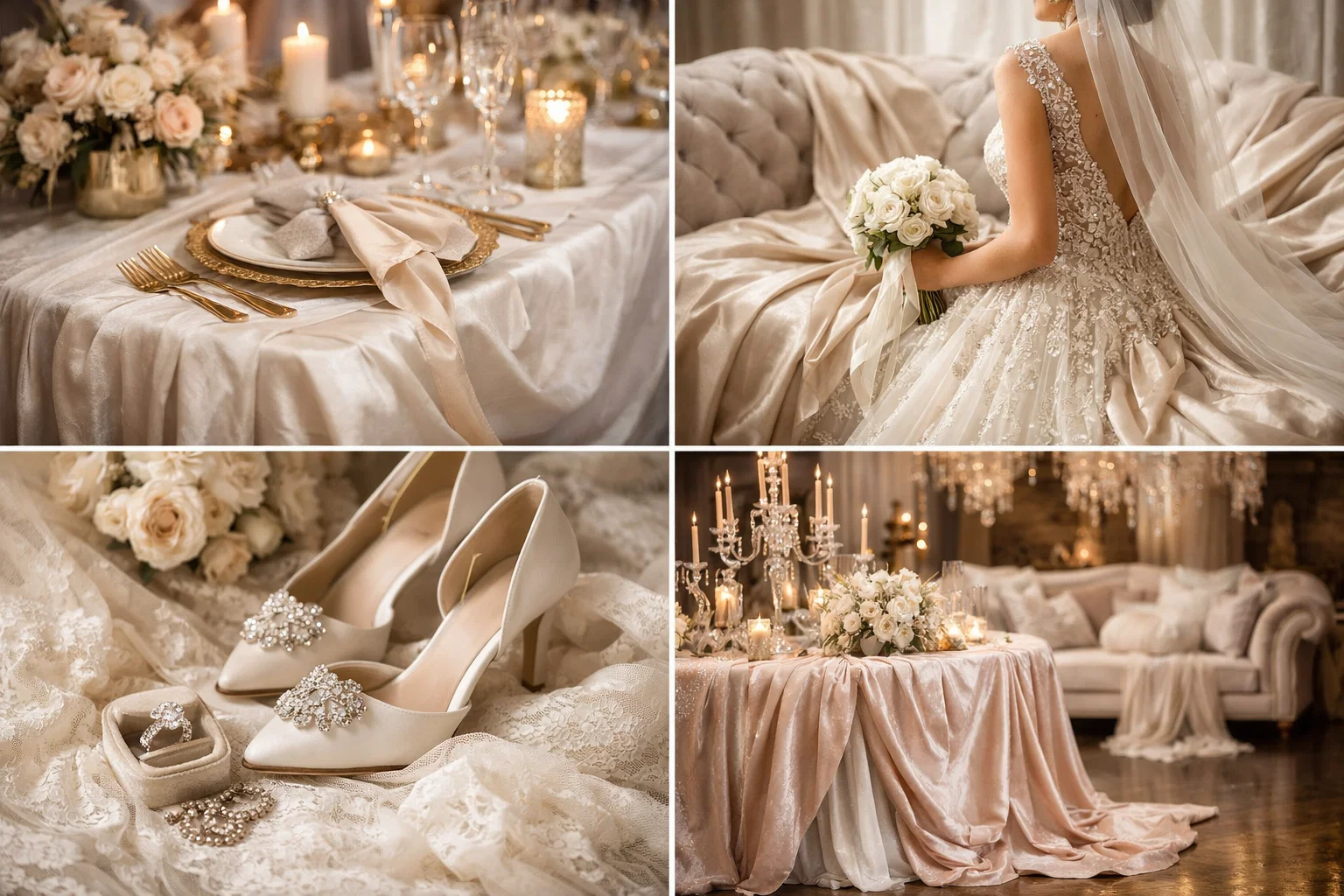
Silk Variations: Satin, Charmeuse, Crepe, and Organza
Silk remains a timeless choice for bridal wear, with variations like satin, charmeuse, crepe, and organza offering unique textures and sheens. Satin provides a luxurious and smooth finish, while charmeuse drapes beautifully with a subtle luster. Crepe offers a slightly matte tactile feel, and organza adds structure and volume, creating a blend of beauty.
3D Lace, Jacquard, and Layered Tulle for Visual Depth
To add visual depth and complexity, designers are increasingly incorporating 3D lace, jacquard, and layered tulle into wedding gowns. 3D lace creates a raised, textured effect, while jacquard weaves intricate patterns directly into the fabric. Layered tulle adds volume and dimension, resulting in a captivating and memorable bridal look. This adds texture.
Combining Architectural Structure with Flowing Fabrics
The artful combination of architectural structure with flowing fabrics can create breathtaking bridal silhouettes. Structured bodices made from materials like silk Mikado or brocade can be paired with flowing skirts of chiffon or organza. This juxtaposition balances support and movement, resulting in a gown that is both striking and comfortable. Aesthetics are key.
Innovations in Wedding Fabric Technology for 2026

Advanced Cellulosic and Bio-Based Fibers
Textile innovations are ushering in a new era of sustainable fabrics, with advanced cellulosic and bio-based materials at the forefront. These next-generation fibers are derived from renewable resources like wood pulp, algae, and agricultural waste. They offer comparable performance to traditional fibers with a significantly reduced environmental impact. Alga can be made to look like leather.
Performance Fabrics That Retain Elegance
Performance fabrics are engineered to offer enhanced durability, moisture-wicking properties, and wrinkle resistance, all while maintaining an elegant appearance. These fabrics are ideal for brides who prioritize comfort and practicality without sacrificing style. They ensure the gown looks impeccable throughout the wedding day, providing confidence and ease. They are meant to provide durability.
Evolving Tech: Lab-Grown Fibers and Future Trends
Emerging technologies are paving the way for lab-grown fibers and other futuristic textile innovations. These cutting-edge materials are created in controlled environments, reducing the need for land, water, and pesticides. As these technologies mature, they have the potential to revolutionize the fashion industry and usher in a new era of sustainable textiles.
Choosing the Right Fabric for Your Wedding Setting
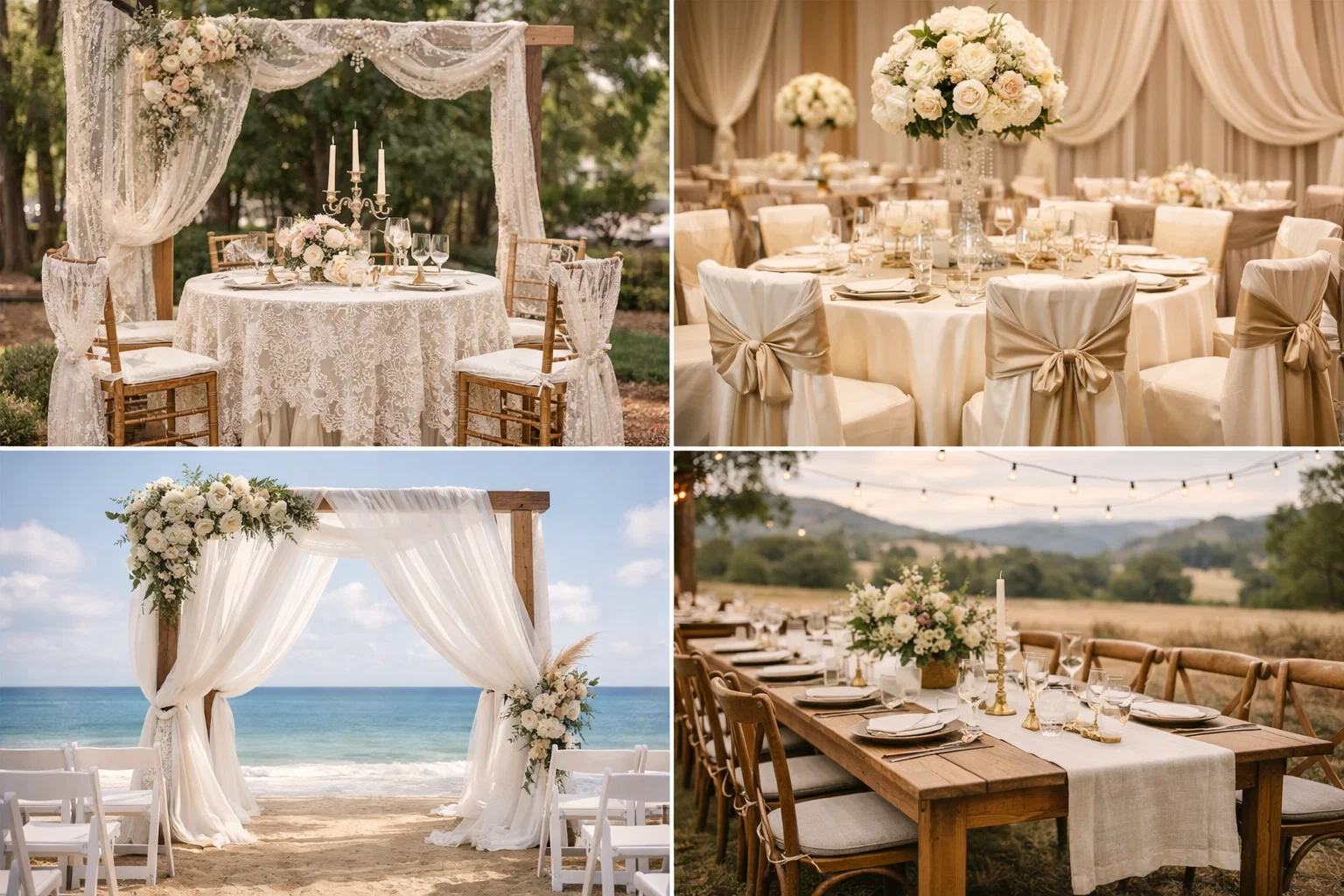
Beach Weddings: Lightweight and Flowing Options
For beach weddings, lightweight and flowing options are paramount. Consider fabrics like chiffon, organza, or georgette. These whisper-light textiles allow for maximum breathable comfort in warm weather. The flowing nature of these fabrics also complements the relaxed and romantic atmosphere of a beach wedding.
Winter Weddings: Warm, Structured, Yet Breathable Fabrics
Winter weddings call for fabrics that provide warmth and structure without sacrificing comfort. Opt for heavier silks, velvet, or brocade for the gown’s main structure. Combine these with breathable linings to ensure the bride stays comfortable throughout the celebration, making it a blend of style and practicality.
Destination and Summer Weddings: Moisture-Wicking and Cool Fabrics
Destination and summer weddings require fabrics that offer excellent moisture-wicking properties and breathability. Consider using Tencel™, Lyocell, or lightweight linen blends to keep the bride cool and comfortable in hot and humid climates. These fabrics will also prevent the bride from overheating during the day.
Matching Fabric Choice to Bridal Silhouette and Style
The choice of fabric should complement the bridal silhouette and overall style. For example, a flowing A-line gown pairs well with chiffon or organza, while a structured ballgown may call for silk Mikado or brocade. Consider how the fabric drapes, moves, and photographs to ensure it enhances the bride’s vision.
Expert Tips for Brides: Balancing Comfort, Sustainability, and Luxury
How to Prioritize Your Fabric Needs
Brides should prioritize their fabric needs by considering comfort, sustainability, and luxury. Determine which of these factors is most important and choose fabrics and materials accordingly. For example, if sustainability is a top priority, explore organic or recycled fiber options. This is a step toward fabrics that last.
Combining Different Fabrics for a Bespoke Look
Brides can create a bespoke look by combining different fabrics and textures. Combine a structured bodice with a flowing skirt. This approach allows for a unique and personalized design. Be sure to consult with your designer to ensure that the chosen fabrics complement each other and create a harmonious aesthetic.
Questions to Ask Your Bridal Designer About Fabrics
Brides should ask their designers questions about the source, sustainable angle, and care requirements of the fabrics. Inquire about the origin of the fabrics and materials, the supplier‘s ethical practices, and the environmental impact of the dyeing and production processes. Also, ask about cleaning and storage recommendations.
Conclusion: The Future of Wedding Fabrics in 2026
As we approach 2026, the future of fabrics of bridal wear will be defined by innovation, sustainability, and a desire for both comfort and luxury. Sustainable fabrics, advanced technologies, and personalized designs will shape the future of fabrics in 2025. Brides will have an array of options to create their dream wedding gown.