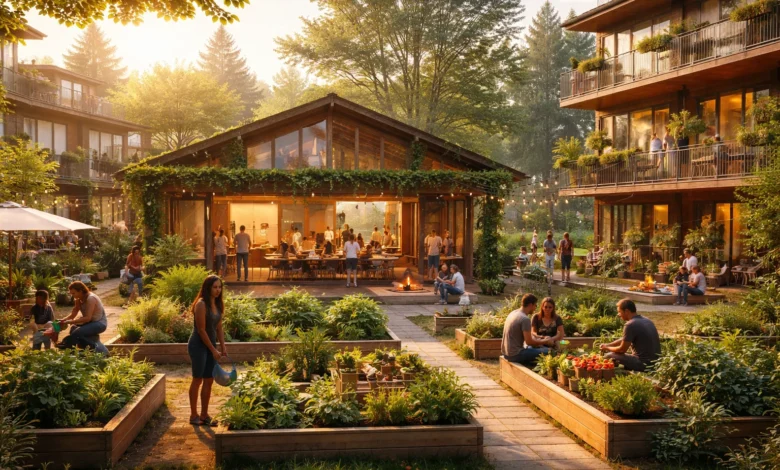
Explore the resurgence of community-based living in 2026, examining how shared spaces and collaborative lifestyles are redefining modern living. As urban areas become increasingly dense and interconnected, innovative housing solutions are emerging, emphasizing community, wellness, and sustainability.
Why Shared Spaces Are Making a Comeback
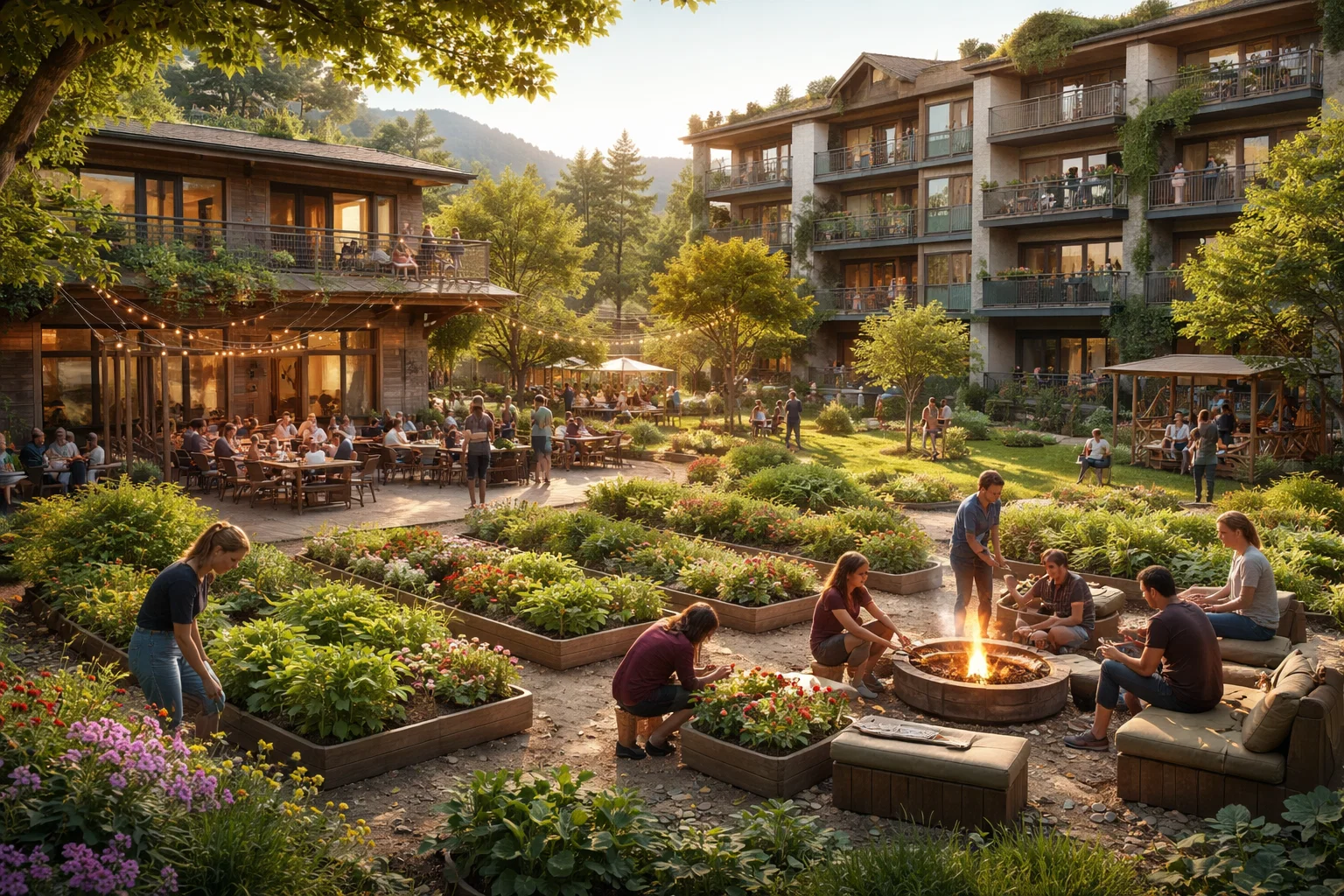
The rise of community-based living in modern urban life
The rise of co-living spaces in modern urban life marks a significant shift from traditional housing. This trend reflects a growing desire for shared experiences and a stronger sense of community. As urban housing becomes more expensive, co-living and shared spaces offer attractive, affordable housing options, fostering a sense of community.
How social, economic, and environmental factors are driving change
Here are some factors that explain the increasing popularity of co-living. Several forces are at play, including:
- Economically, rising living and housing costs
- Socially, the desire to combat isolation
- Environmentally, shared amenities promote sustainable living
The link between wellness, connectivity, and collaborative lifestyles
Wellness, connectivity, and collaborative lifestyles are intricately linked in modern co-living communities. Shared amenities like gyms and outdoor spaces encourage physical wellness, while community events and coworking spaces facilitate social connectivity. This living experience supports a holistic approach to well-being, enhancing the living experience and fostering a sense of community.
What Is Community-Based Living?
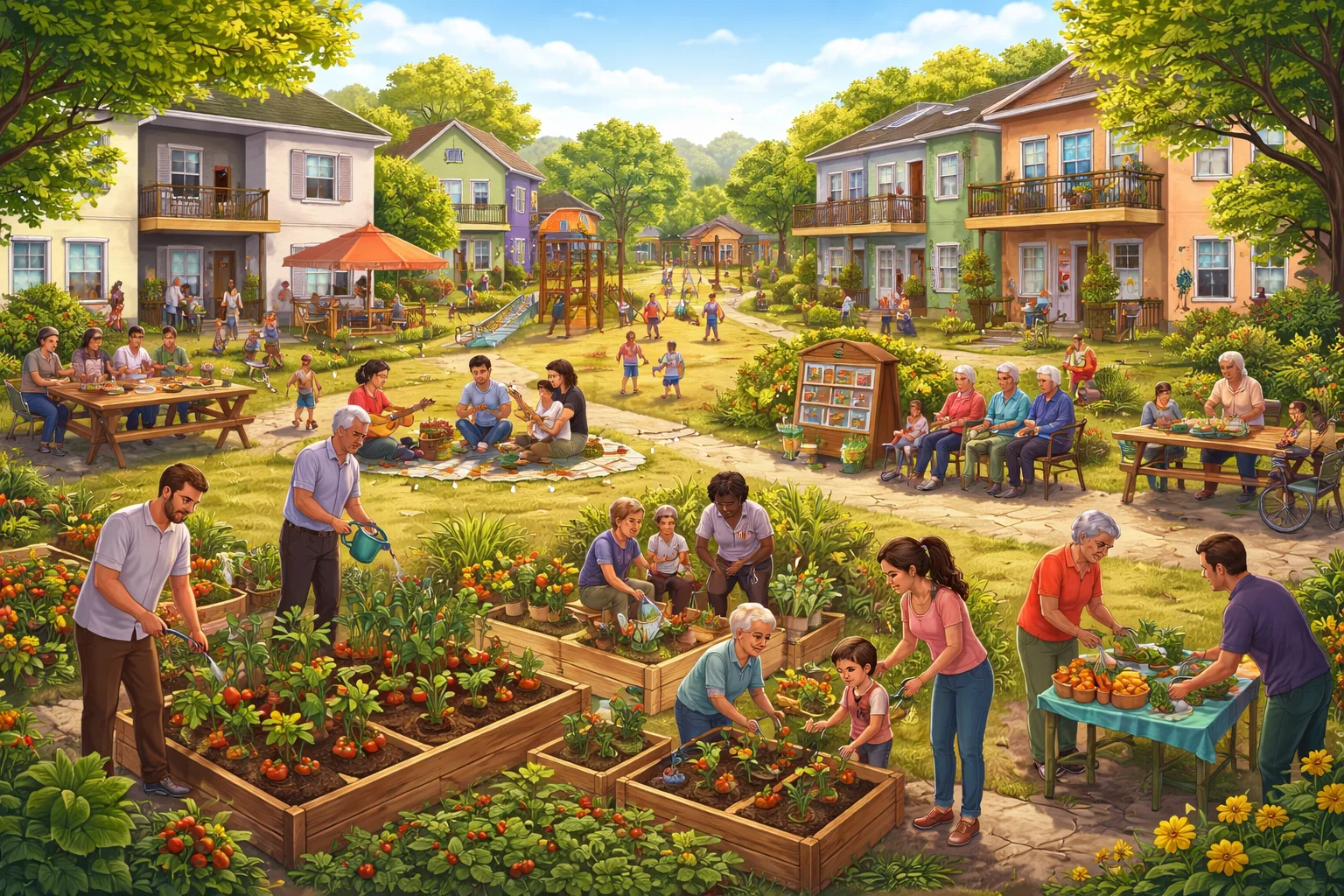
Definition and key principles of shared and co-living spaces
Community-based living is defined by shared spaces and co-living spaces, emphasizing shared interests and building community.
Key principles include fostering a sense of community, shared amenities, and collaborative consumption. These modern co-living spaces aim to provide not just a housing solution but a comprehensive living arrangement with an emphasis on community.
Difference between traditional housing and co-living models
Traditional housing contrasts with co-living models in several ways. Traditional housing often prioritizes private living and living alone, whereas co-living spaces emphasize communal areas and shared common areas. The goal is to share common interests and shared experiences, promoting a sense of community, unlike traditional housing models.
Examples of community-based living: co-living apartments, intentional communities, hybrid work-living spaces
Examples of community-based living include co-living apartments, intentional communities, and hybrid work-living spaces. These shared housing arrangements are designed to foster collaboration and shared living. Co-living and shared spaces offer various housing options that promote community engagement and address the changing needs of modern living in urban areas.
Why Community-Based Living Is Trending in 2026
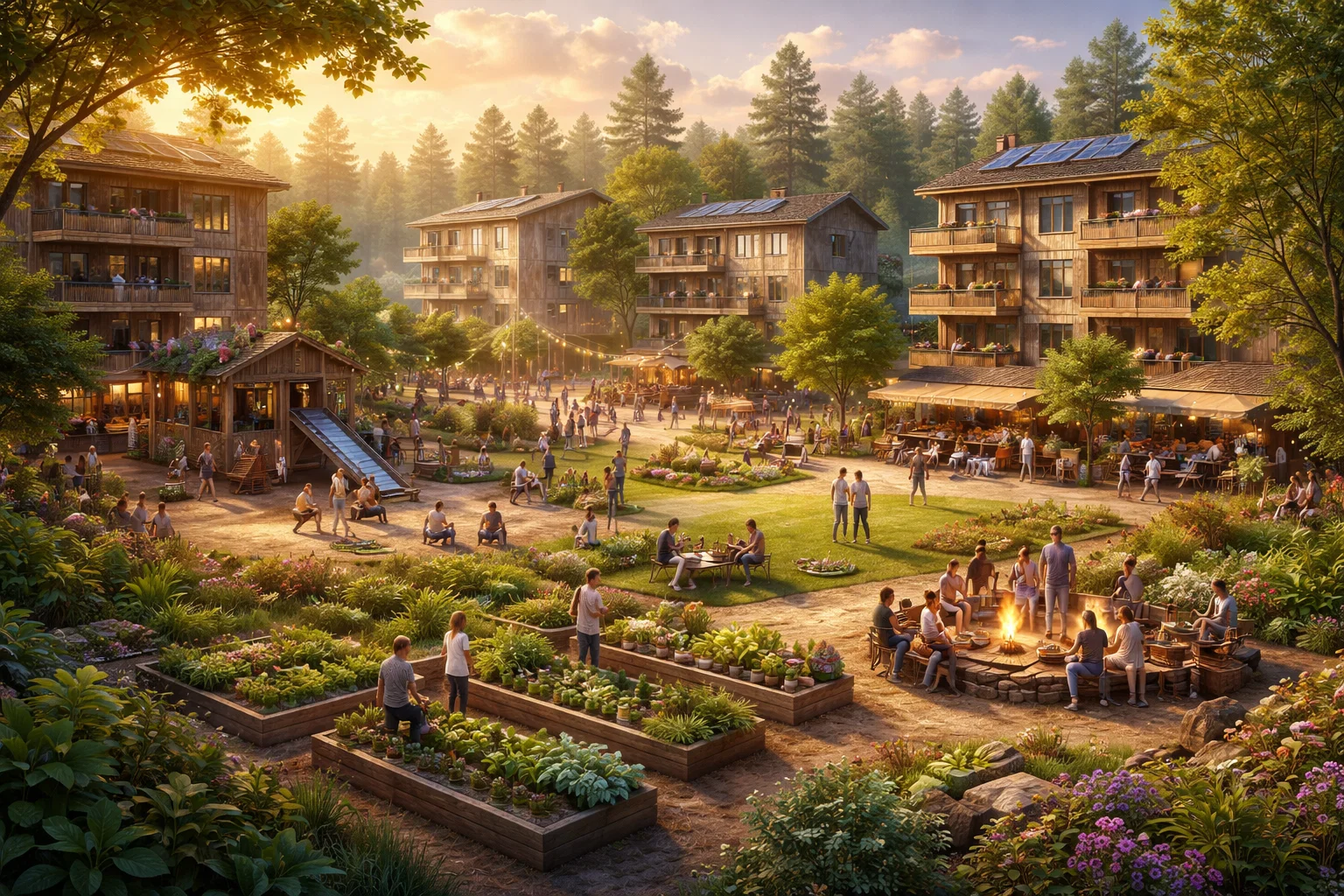
Social connection and mental health: combating isolation
The rise of co-living is fueled by a desire for social connection, which is essential to mental health, particularly in dense urban areas. Shared living spaces are designed to combat the sense of isolation and foster a sense of community. This is achieved through shared amenities and community events, encouraging residents to live together and engage with one another.
Economic factors: affordability and shared costs of housing and amenities
Economic factors significantly contribute to the increasing popularity of co-living spaces. These factors include:
- High housing costs, which make affordable options more desirable.
- The opportunity for reduced rent and shared utilities in shared living spaces eases financial burdens.
This combination of affordable housing and shared amenities makes co-living an attractive and effective housing solution, particularly in expensive urban environments.
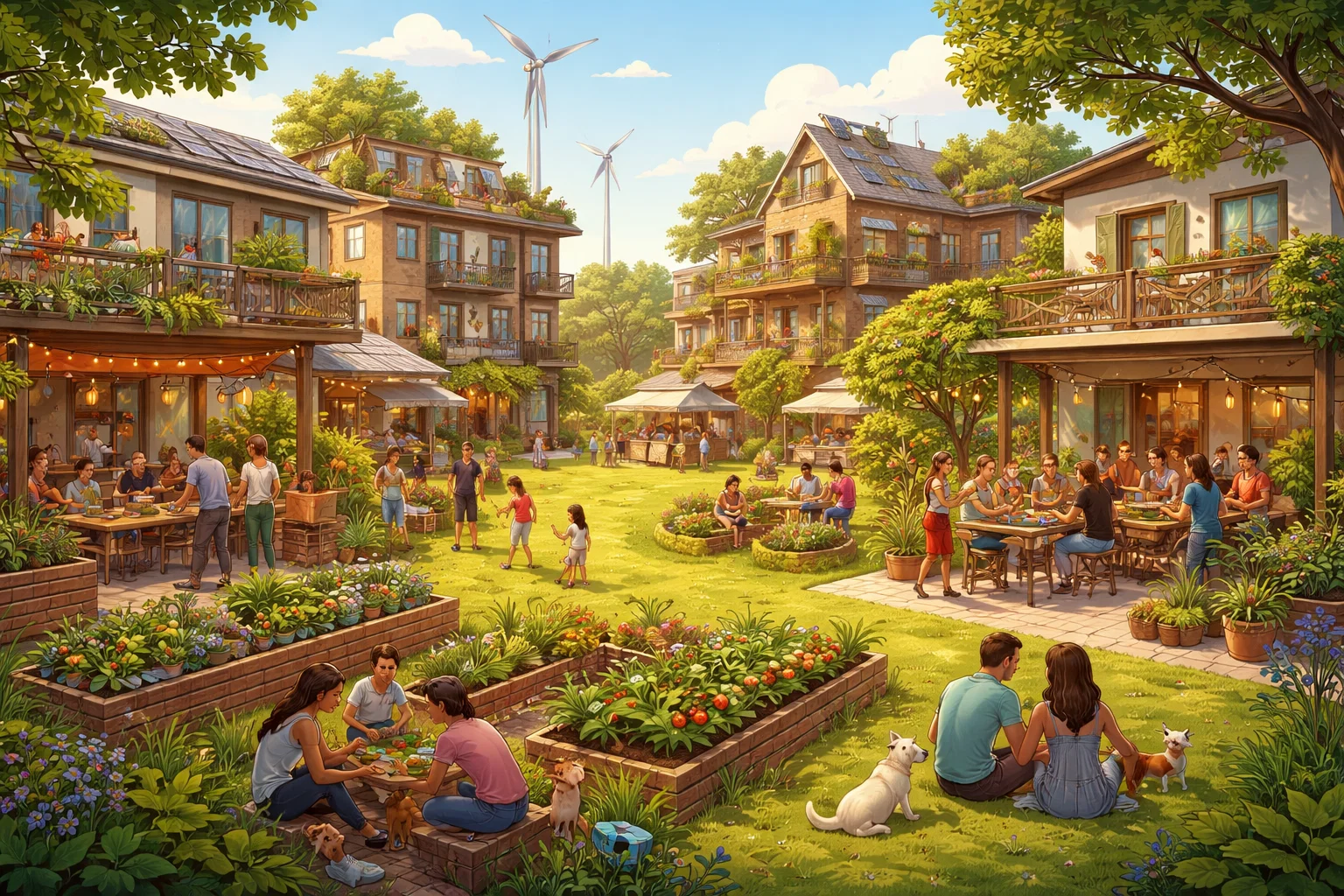
Sustainability: reducing carbon footprint and promoting resource efficiency
Sustainability plays a significant role in the growing popularity of co-living, fostering a lifestyle that is more environmentally responsible. This is achieved in several ways:
- Shared living spaces promote resource efficiency through shared amenities and communal areas.
- Residents collectively reduce their individual carbon footprint.
Ultimately, the co-living model encourages more sustainable choices, particularly for those residing in urban environments.
Flexibility and mobility: catering to remote workers and transient lifestyles
The flexibility offered by shared living spaces is ideal for remote workers and those with transient lifestyles. Co-living spaces often provide short-term leases and flexible housing options, catering to those who value mobility. The convenience of shared amenities and community support makes co-living particularly attractive in urban areas, providing a solid housing solution.
Lifestyle and experience: learning, networking, and cultural engagement
Lifestyle and experience are major draws to co-living. Shared living spaces offer opportunities for learning, networking, and cultural engagement through community events and workshops. By fostering a sense of community, co-living environments enhance the living experience, offering more than just a place to live together. The shared experiences enrich urban living.
Key Features of Modern Shared Spaces
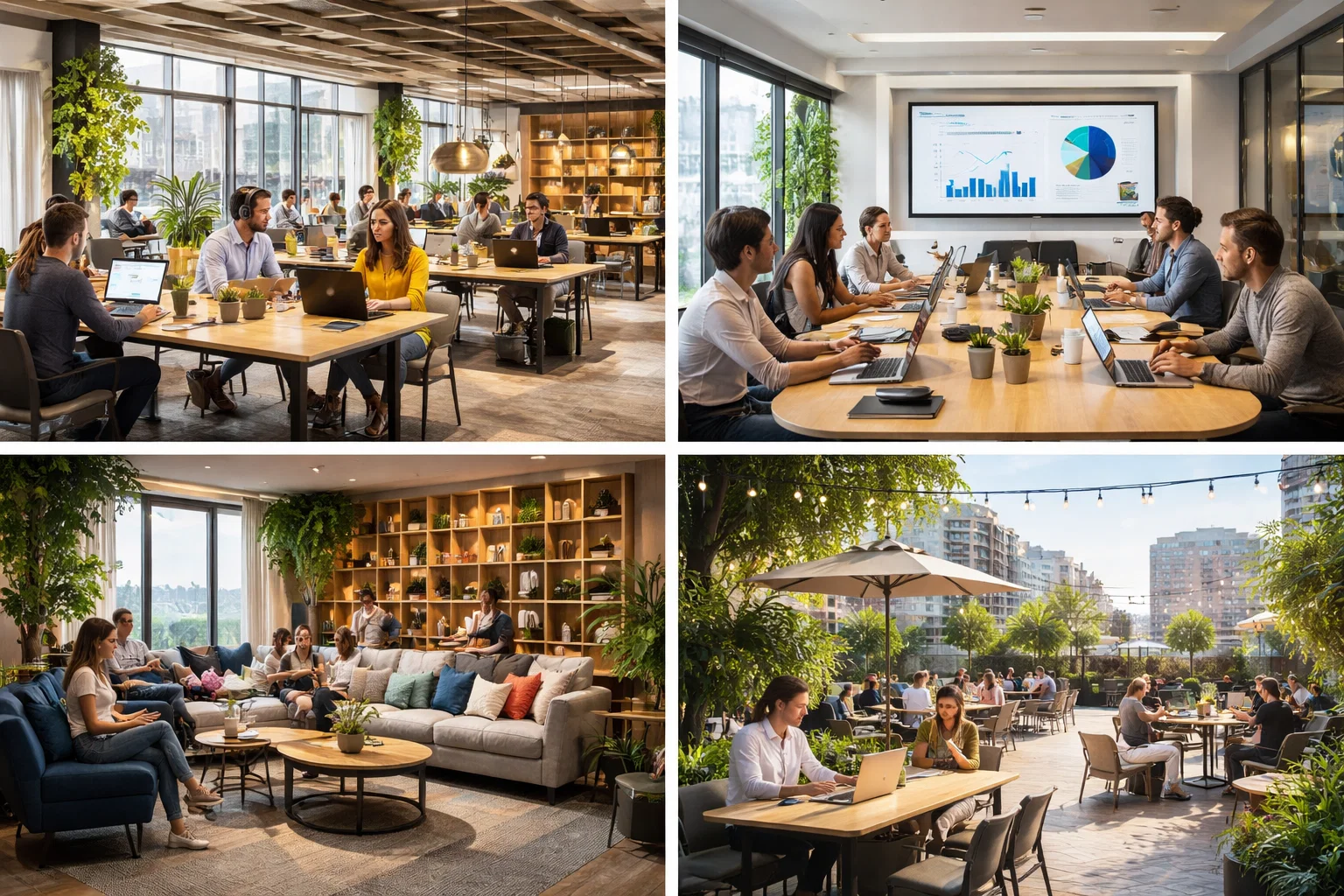
Shared amenities: kitchens, coworking spaces, gyms, lounges, and laundry areas
Shared amenities are a hallmark of modern co-living. Shared kitchens, coworking spaces, gyms, lounges, and laundry areas encourage communal living and shared resource usage. These common areas foster a sense of community, making it easier for residents to live together and interact. Such shared spaces enhance the overall living experience.
Private and semi-private spaces: balancing privacy with community
Balancing privacy with community is crucial in co-living. Modern co-living spaces offer private living spaces alongside communal areas. Semi-private spaces, like living rooms, provide a middle ground for interaction. Thoughtful design ensures residents can enjoy private living while also fostering a sense of community and interaction with others.
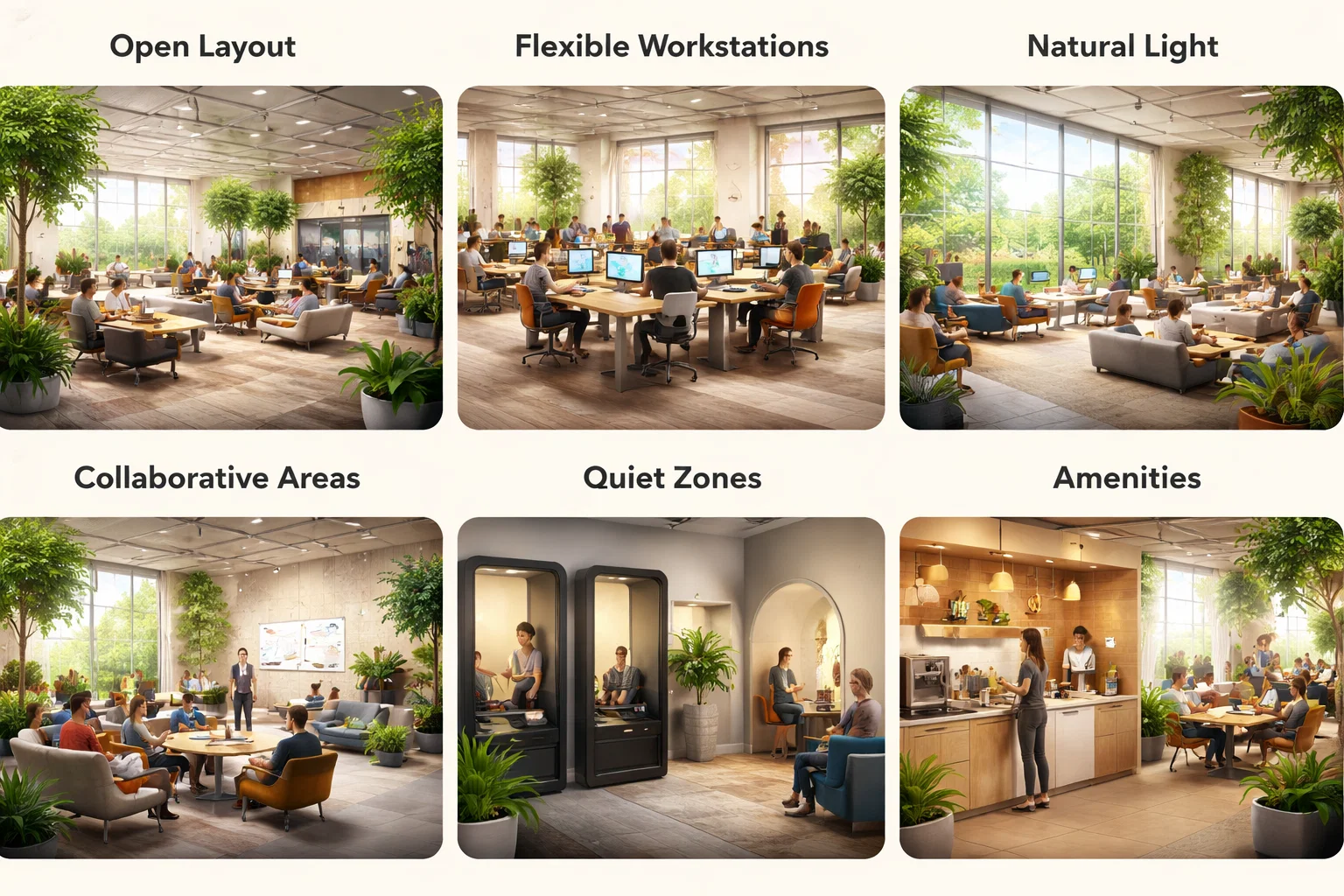
Community events and programs: workshops, wellness activities, cultural gatherings
Community events and programs are essential to building community within shared living spaces. Regular workshops, wellness activities, and cultural gatherings encourage resident engagement and shared experiences. These initiatives foster a sense of community, enhancing the overall living experience and encouraging collaboration among individuals. These shared experiences greatly improve urban living.
Sustainable infrastructure: solar energy, recycling, community gardens, eco-design
Sustainable infrastructure is increasingly integrated into co-living designs. Solar energy, recycling programs, community gardens, and eco-design principles are utilized to reduce environmental impact. Shared living spaces often lead the way in promoting sustainable living practices, which enhances the appeal for environmentally conscious residents and aligns with the future of housing.
Digital integration: apps for communication, booking, and community management
Digital integration enhances the co-living experience. Apps facilitate communication, booking shared amenities, and community management. These digital tools streamline operations and improve resident engagement. This efficient integration enhances the overall living experience in co-living spaces, creating a seamlessly connected and user-friendly shared living environment within urban areas.
Benefits of Community-Based Living
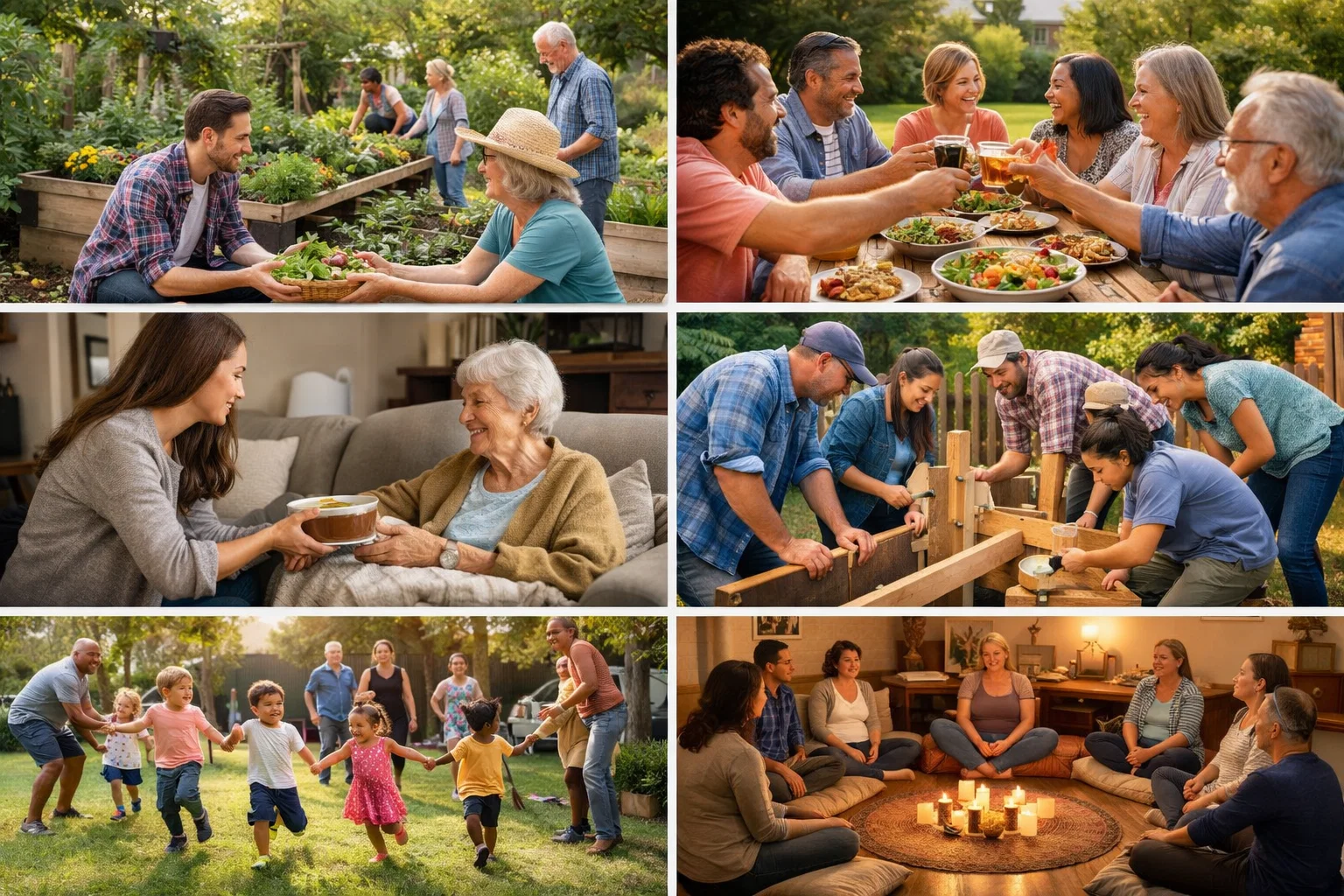
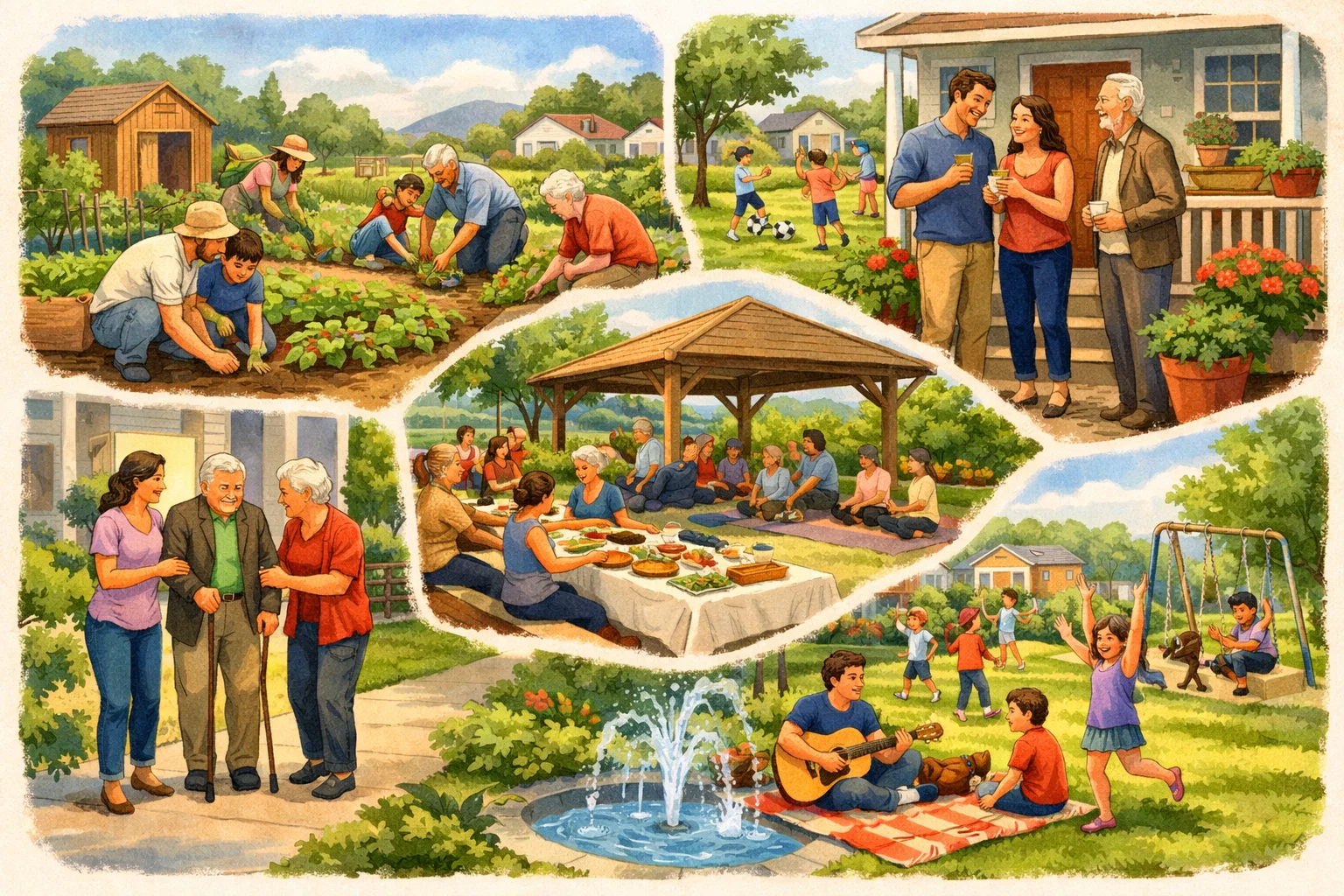
Social benefits: friendships, collaboration, and mental well-being
The social benefits of co-living are significant, fostering friendships and collaboration that boost mental well-being. Shared living spaces create a strong sense of community, combating isolation often experienced in urban areas. By choosing to live together in shared living spaces, residents enjoy enhanced social support and a better living experience.
Financial benefits: reduced rent, shared utilities, and cost-effective amenities
The financial advantages of co-living include reduced rent and shared utilities, making it an affordable housing option. By living together, residents share the costs of amenities, leading to significant savings and making co-living an affordable housing solution, especially appealing in urban areas with high housing costs. This housing model lowers living costs.
Environmental benefits: sustainable practices and shared resource usage
Environmental benefits are inherent in co-living. Shared resource usage reduces individual carbon footprints, promoting sustainable living.
Many co-living and shared spaces incorporate eco-friendly practices, appealing to environmentally conscious residents and contributing to a greener urban environment. Choosing shared living spaces supports a sustainable lifestyle and the future of housing.
Personal growth: skill-sharing, networking, and cultural exchange
Co-living fosters personal growth through skill-sharing, networking, and cultural exchange. Community events and workshops create opportunities for residents to learn from each other and expand their horizons.
Shared living spaces become hubs for personal development and community engagement, enriching the overall living experience and fostering a sense of community.
Lifestyle appeal: urban convenience combined with a sense of belonging
The lifestyle appeal of co-living is undeniable, combining urban convenience with a strong sense of belonging. Shared living spaces offer easy access to urban amenities while fostering a supportive community atmosphere. This unique blend attracts those seeking both connection and convenience in their housing model, as the rise of co-living demonstrates.
Challenges and Considerations
Privacy concerns: managing personal space in shared environments
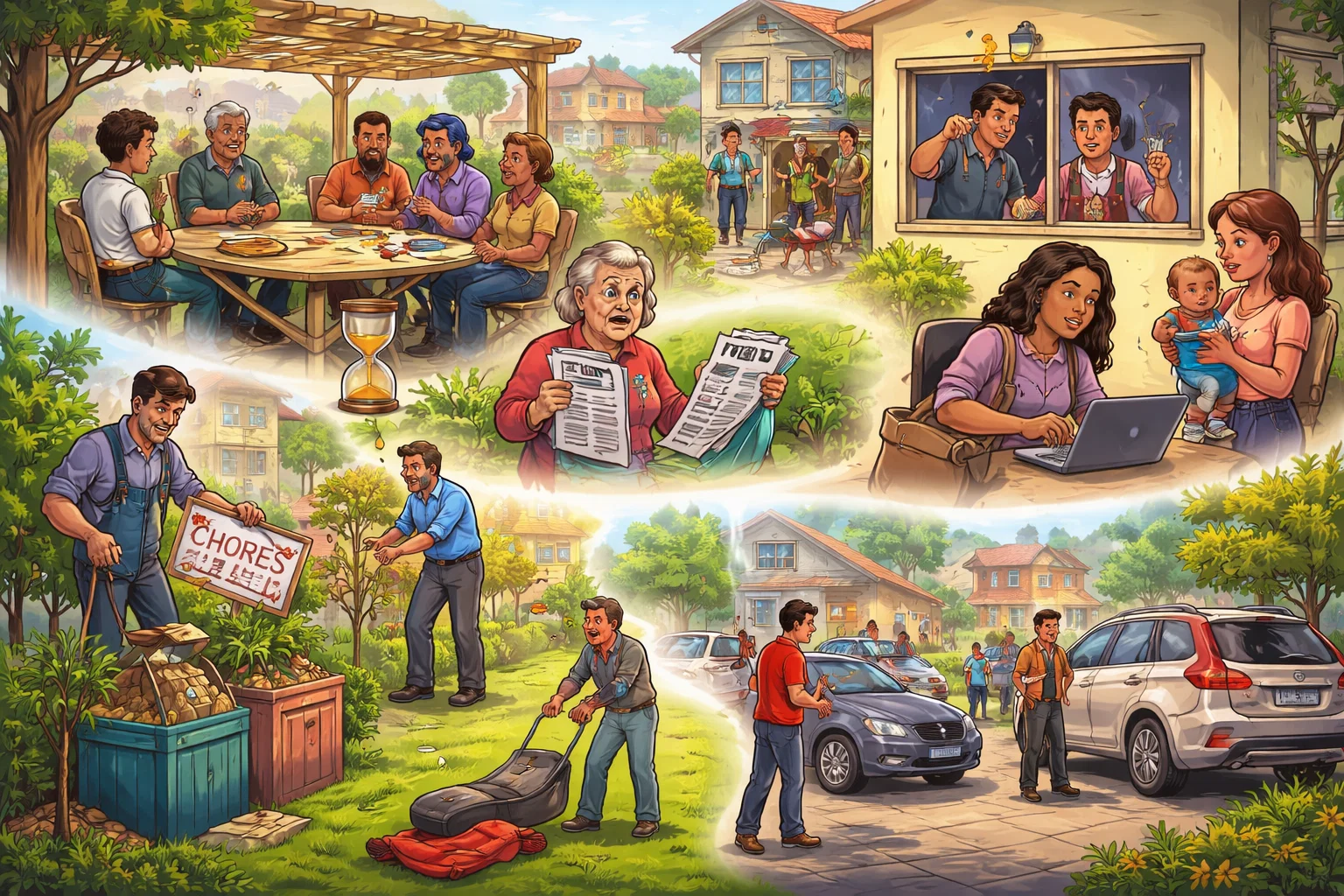
Privacy concerns are a primary challenge in shared living spaces. Managing personal space in communal living environments requires clear boundaries and mutual respect. Thoughtful design and community guidelines are essential for balancing communal living with the need for privacy, ensuring a comfortable co-living arrangement where residents feel secure in their private living spaces.
Resident compatibility: addressing conflicts and lifestyle differences
Resident compatibility is crucial for successful co-living. Addressing conflicts and managing lifestyle differences requires open communication and mediation skills. Community guidelines and regular meetings can help resolve issues, fostering a harmonious living environment where residents can live together respectfully and foster a sense of community.
Governance and management: cleanliness, fairness, and communal rules
Effective governance and management are vital in co-living spaces. Ensuring cleanliness, fairness, and adherence to communal rules requires clear policies and responsible community management. A well-managed co-living environment promotes a positive living experience, encouraging residents to actively participate in maintaining their shared housing and shared common areas.
Regulatory and zoning issues: navigating local housing laws
Navigating regulatory and zoning issues can be a complex challenge for co-living spaces. Local housing laws may not always accommodate innovative housing models like co-living. Advocates must work with local authorities to update regulations and zoning laws, allowing for the expansion of co-living and other community-oriented housing options in urban areas.
Accessibility: ensuring affordability across different income levels
Ensuring accessibility and affordability across different income levels is a critical consideration for co-living. While co-living can offer more affordable housing than traditional options, it is important to implement strategies to ensure inclusivity. Subsidies, income-based models, and innovative financing solutions can help make co-living a viable housing solution for a diverse range of individuals.
Innovation and Market Trends in 2026
Integration with coworking, wellness hubs, and cultural spaces
In 2026, the integration of co-living spaces with coworking, wellness hubs, and cultural spaces marks a significant trend. This integration enhances the living experience by providing residents with easy access to work, fitness, and cultural activities. The rise of co-living is intertwined with the desire for a holistic living arrangement that supports personal and professional growth within urban areas.
Tech-enabled community management: apps, scheduling, and resident engagement
Tech-enabled community management is revolutionizing co-living. Apps facilitate scheduling, communication, and resident engagement within shared spaces. These platforms streamline living arrangements and foster a stronger sense of community. The enhanced efficiency and connectivity provided by these tools support the rise of co-living spaces and improve the overall living experience for residents in urban areas.
Emerging brands and startups leading the co-living trend
Emerging brands and startups are at the forefront of the co-living trend, offering innovative housing options and living arrangements. These companies focus on creating unique shared spaces that cater to diverse lifestyles and preferences. Their innovative approach is contributing to the rise of co-living by providing compelling alternatives to traditional housing, particularly in urban areas, for those looking for affordable housing.
Hybrid housing models: short-term rentals, flexible leases, and experiential living
Hybrid housing options, including short-term rentals, flexible leases, and experiential living spaces, are gaining popularity. These models cater to the evolving needs of mobile and experience-driven individuals. Such housing options contribute to the rise of co-living by offering affordable housing solutions with a focus on community and shared experiences in urban areas, enhancing the overall living experience.
Future Outlook for Community-Based Living
Expansion in urban centers and global adoption trends
The expansion of co-living in urban areas and its global adoption signify a major shift in housing options. As more people seek community and affordable housing, shared spaces are becoming integral to urban landscapes. This global trend underscores the importance of community-based living arrangements and their role in the future of housing, fostering a stronger sense of community.
Sustainability and eco-conscious design as standard practice
Sustainability and eco-conscious design are becoming standard practices in co-living developments. Shared living spaces are increasingly incorporating green technologies and sustainable materials to reduce their environmental footprint. This commitment to sustainability aligns with the values of many residents, further driving the rise of co-living spaces that prioritize environmentally responsible living.
Cultural shift: co-living as a lifestyle choice, not just a financial necessity
A cultural shift is occurring as co-living evolves from a financial necessity to a lifestyle choice. More individuals are choosing shared spaces for the social connections, shared experiences, and sense of community they offer. This shift indicates a broader recognition of the value of communal living and its potential to enhance well-being in urban areas and make urban living more rewarding.
Predicted evolution of collaborative lifestyles in 2026 and beyond
In 2026 and beyond, collaborative lifestyles are predicted to evolve further, with co-living communities becoming more integrated and sophisticated.
This evolution includes advancements in technology, community management, and sustainable design, creating even more appealing and effective shared spaces. The future of housing lies in these innovative living arrangements that promote building community, connection, and sustainability within urban areas.
Conclusion: Embracing Shared Spaces for Connection, Wellness, and Sustainability
In conclusion, embracing shared spaces is essential for fostering connection, wellness, and sustainability in modern urban living. The rise of co-living reflects a growing desire for community-oriented housing options that enhance the living experience. By prioritizing shared amenities, communal living, and sustainable practices, we can create more vibrant, resilient, and fulfilling living areas for all.