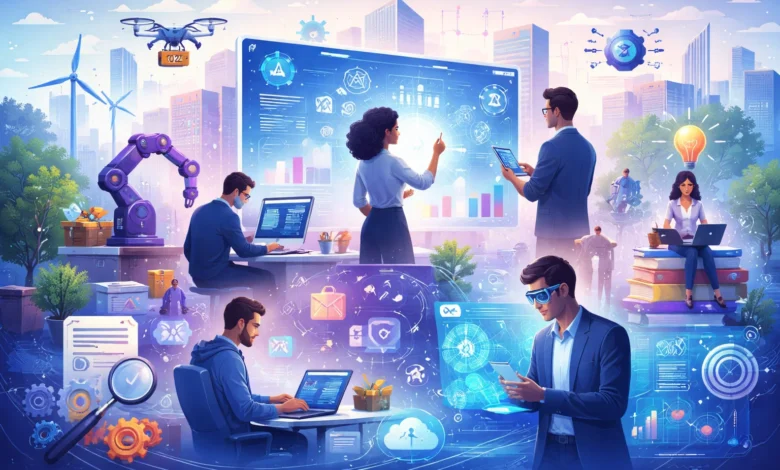
As we gaze into the crystal ball of the future of work, the year 2026 emerges as a pivotal point. The job market is on the cusp of a dramatic transformation, fueled by emerging technologies, shifting demographics, and a renewed emphasis on human-centric skills.
Navigating the Future of Work

Why 2026 Will Redefine Employer Expectations
2026 and beyond will redefine what employers want in their workforce. The integration of AI and automation is no longer a futuristic concept but a present reality, causing employers to increasingly prioritize candidates with AI skills and adaptability. Understanding these hiring trends is the key.
The Shift From Task-Based Roles to Skill-Based Value
The traditional task-based role is giving way to a skills-based hiring approach. Employers seek individuals who can demonstrate a blend of technical skills, soft skills, and communication skills. The ability to apply technical abilities in diverse situations will be a key differentiator for job seekers.
Hybrid and Remote Work Competencies
Digital Collaboration Tools and Virtual Communication
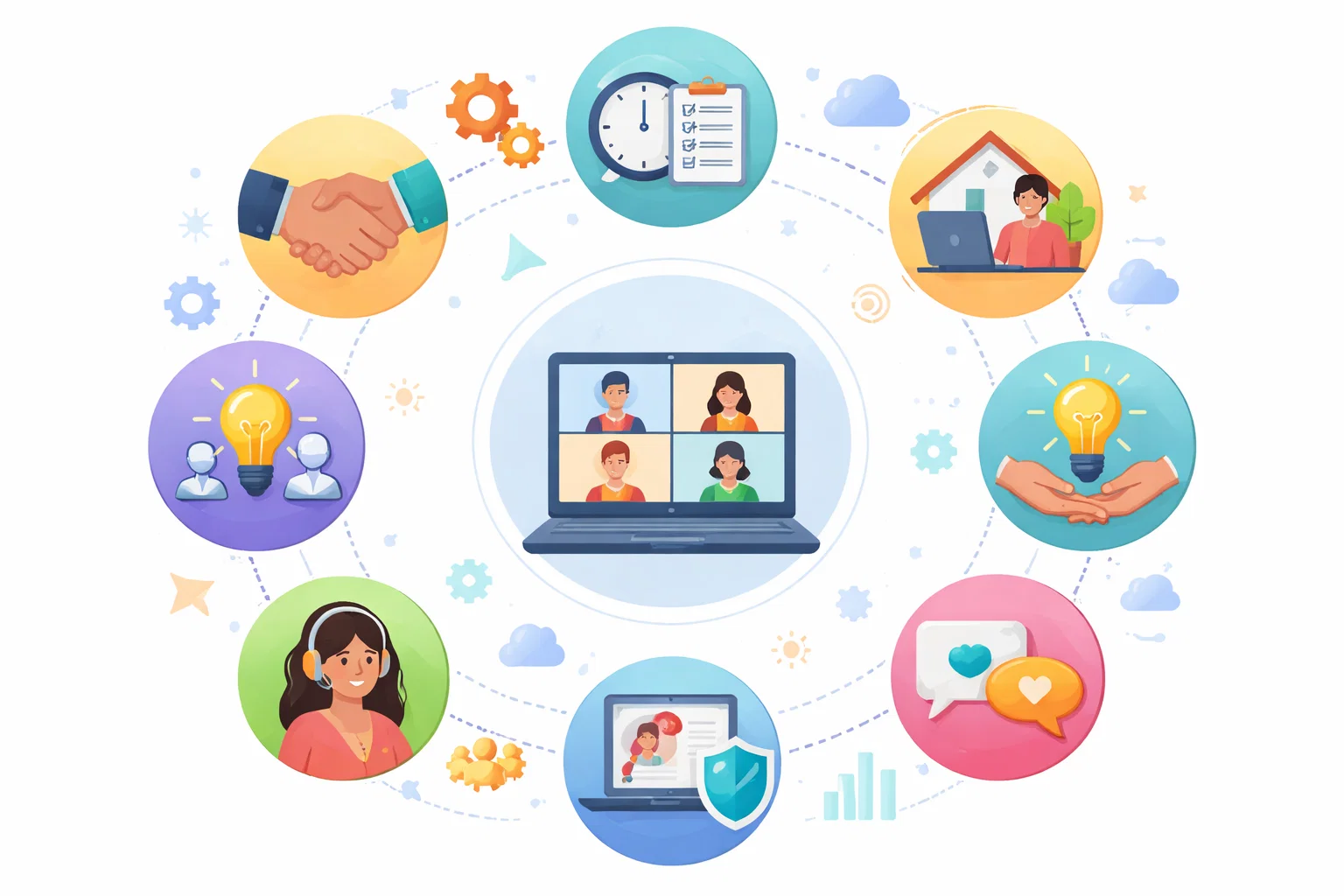
The workflow of 2026 demands seamless communication skills and collaboration in virtual spaces. Expertise in digital fluency and collaboration tools and platforms is not just advantageous but essential. Employers are looking for individuals who can thrive in hybrid and remote settings and stay effective.
Self-Management and Productivity in Remote Environments
Job search success in 2026 hinges on demonstrating exceptional self-management and productivity, especially in remote settings. Employers increasingly value individuals who are proactive, organized, and capable of managing their time effectively, proving they can excel without constant supervision in a hybrid.
Virtual Leadership and Team Cohesion
As remote teams become the norm, virtual leadership and team cohesion become paramount. In 2026, employers want leaders who can inspire, motivate, and foster a sense of unity among team members. Building strong working relationships, even from a distance, is what employers increasingly value.
AI and Technology Fluency

AI Tools and Automation Literacy for All Roles
AI is rapidly transforming industries, making AI skills and automation literacy essential for all roles. It’s not just about understanding the technology but also about leveraging it to improve efficiency, solve problems, and reshape existing workflow. Staying informed will give job seekers an advantage.
Data Interpretation and Tech-Enhanced Decision-Making
The ability to interpret data analysis and use technology to make informed decisions is crucial. As emerging technologies evolve, individuals who can translate complex information into actionable strategies will be highly valued. Employers are seeking individuals who can harness the power of data analysis for career success.
Emerging Software Skills Across Industries
Beyond the commonly known software, mastering emerging technologies and software specific to various industries will be a game-changer. From data analytics platforms to cloud computing solutions, having a diverse set of skills is key to navigating the rapidly changing landscape and securing new opportunities.
Soft Skills That Matter Most in 2026
Emotional Intelligence and Empathy in Teams
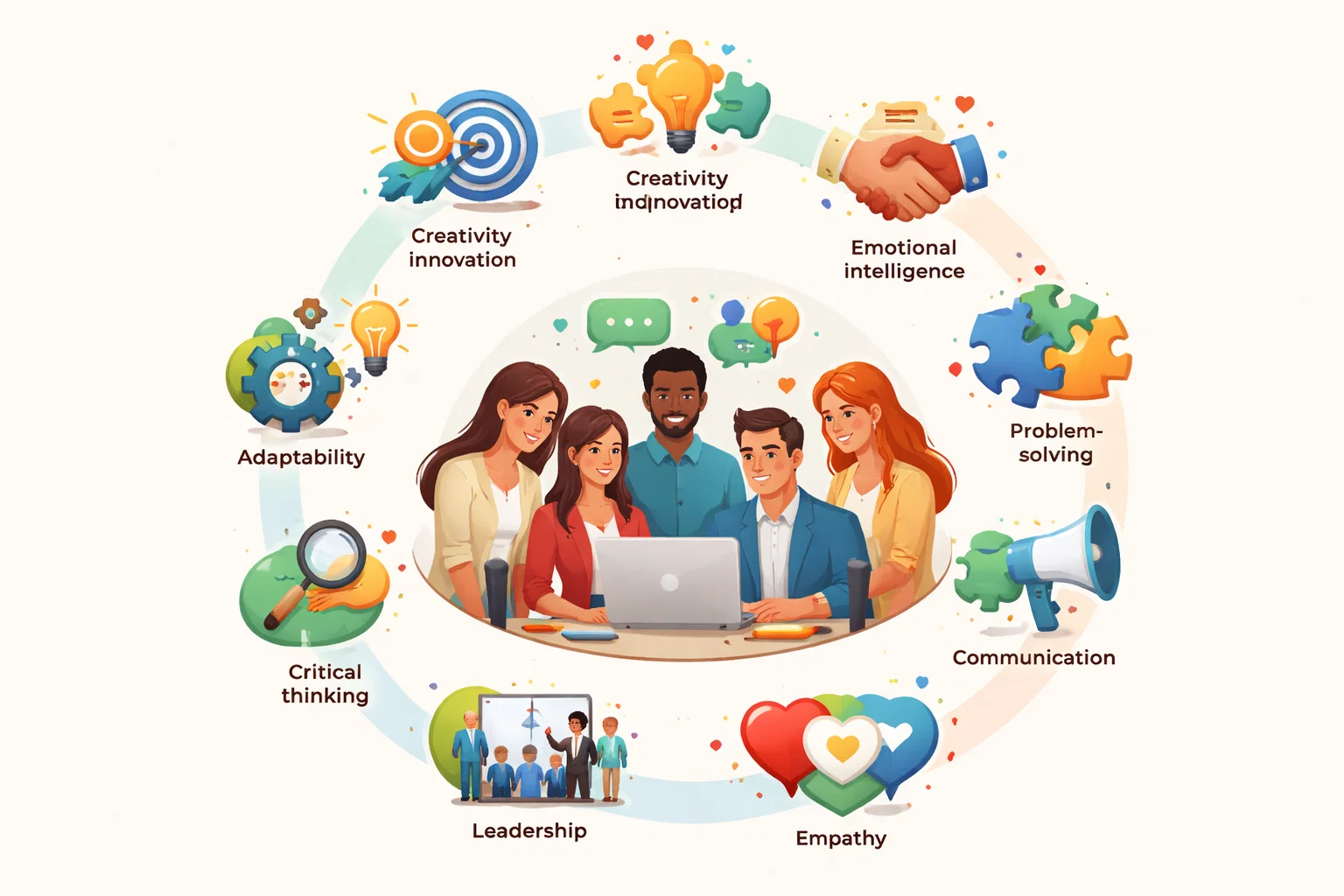
In 2026, emotional intelligence will be a crucial soft skill. Employers want individuals who can understand and manage their emotions and empathize with others. The ability to build strong relationships, resolve conflicts, and foster a positive work environment is more important than ever for career success.
Adaptability and Resilience in Fast-Changing Workplaces
Adaptability and resilience are essential soft skills in today’s rapidly changing world. Employers seek individuals who can embrace change, learn quickly, and bounce back from setbacks. The future of work requires individuals who are flexible, agile, and open to new opportunities.
Critical Thinking, Problem-Solving, and Creativity
Employers increasingly value individuals with strong critical thinking, problem-solving, and creativity skills. These skills are essential for navigating complex challenges, generating innovative solutions, and driving organizational growth. The job market needs individuals who can think outside the box.
Cross-Functional Expertise: The New Standard

Combining Technical Skills With Business Acumen
In 2026, employers increasingly seek candidates who possess a blend of technical skills and business acumen. This cross-functional expertise allows individuals to understand the broader implications of their work and contribute to strategic decision-making. The ability to bridge the gap between technology and business is highly valued.
Hybrid Roles: Marketing + Analytics, Design + Tech
Hybrid roles that combine seemingly disparate fields such as marketing and analytics, or design and tech, are becoming increasingly common. Employers want individuals who can seamlessly integrate these skills to drive innovation and create holistic solutions. This is helping redefine the modern workflow.
Versatility as a Competitive Advantage
Versatility is a key competitive advantage in the job market of 2026. Individuals who can adapt to different roles, industries, and technologies will be highly sought after. Employers evaluate candidates based on their ability to demonstrate a broad range of skills and a willingness to learn and grow in their career success.
Continuous Learning and Upskilling Mindset
Importance of Micro-Credentials and Online Learning Platforms
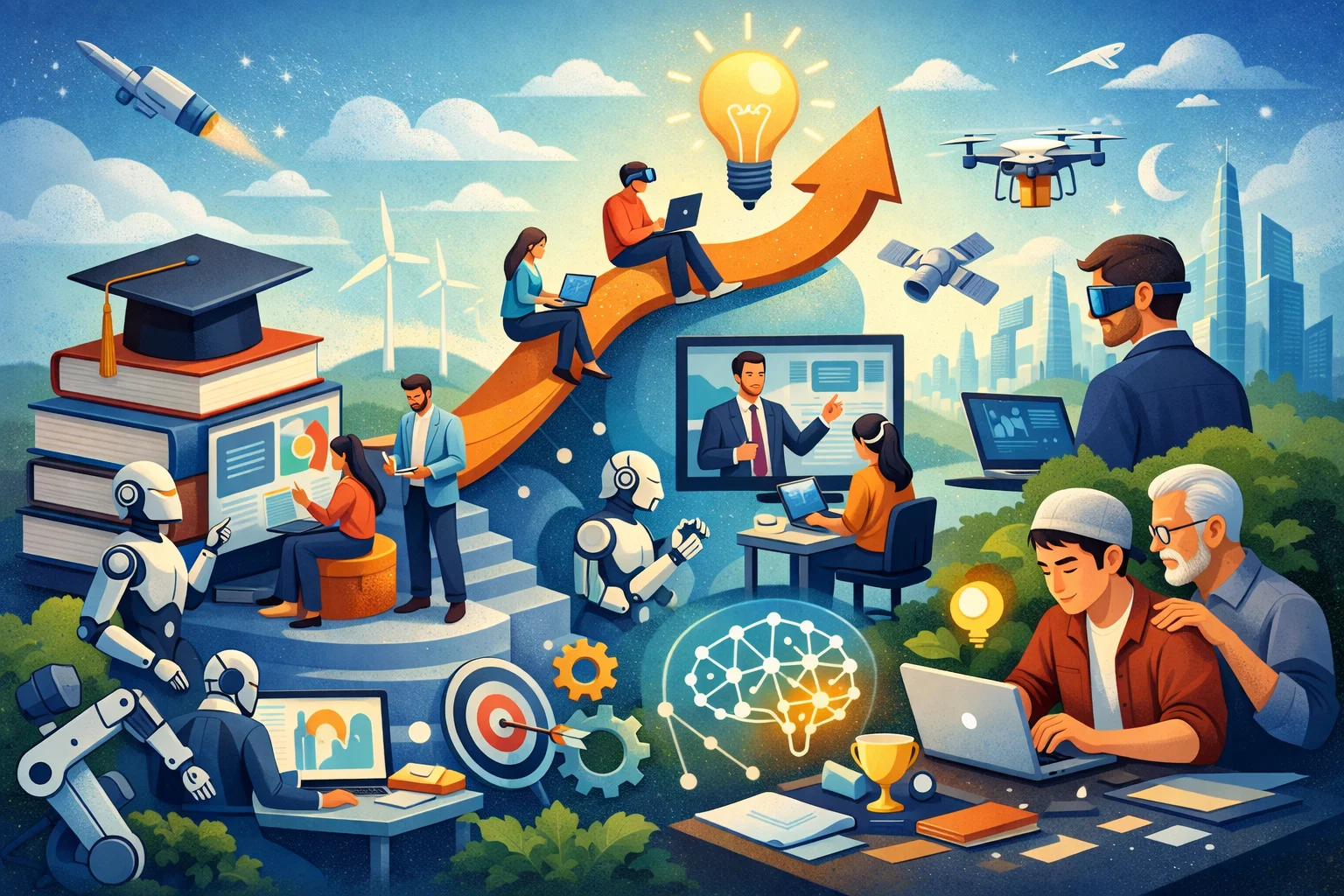
The importance of micro-credentials and online learning platforms cannot be overstated. These resources provide accessible and affordable ways to acquire new opportunities, validate skills, and stay current with industry trends. Employers increasingly recognize the value of these credentials in their hiring trends.
Lifelong Learning as a Career Necessity
Lifelong learning is no longer optional but a necessity for career success. In the rapidly changing world of 2026 and beyond, individuals must commit to continuous learning and upskilling to remain competitive. Employers value candidates who demonstrate a proactive approach to personal and professional development. This is the future of work.
How Employers Reward Proactive Skill Development
Employers are increasingly rewarding proactive skill development through promotions, raises, and new opportunities. By investing in their own upskilling and continuous learning, employees demonstrate their commitment to growth and their value to the organization. This creates a culture of learning and innovation throughout the workforce in 2026.
Sustainability and ESG Awareness

Understanding Environmental, Social, and Governance Principles
In 2026, employers will prioritize candidates with a strong grasp of Environmental, Social, and Governance (ESG) principles. Understanding these factors is vital for sustainable business practices. Adaptability to these principles shows awareness of broader societal impacts, a skill employers value in the future of work.
Integrating ESG Knowledge Into Everyday Roles
Integrating ESG knowledge into everyday roles is crucial, as employers increasingly expect AI professionals to consider the ethical implications of their work. AI skills are in high demand, but so is the ability to apply them responsibly. This holistic approach redefines how new opportunities are created and pursued.
Why Sustainability Skills Are a Hiring Differentiator
Cybersecurity and sustainability skills will become significant hiring trends. Employers evaluate candidates who can demonstrate their commitment to environmental stewardship and social responsibility. These skills are key to securing career success and contributing to a more sustainable future of work and thriving in the job market of 2026.
Cybersecurity and Data Literacy

Essential Cyber Awareness for All Professionals
Essential cyber awareness is no longer limited to IT specialists; it is a fundamental requirement for all professionals. Employers want their entire workforce to understand basic cybersecurity principles and best practices. As emerging technologies become more embedded, cybersecurity training will be given more to improve communication skills.
Understanding Privacy, Compliance, and Data Ethics
In 2026 and beyond, a deep understanding of privacy, compliance, and data analysis ethics is essential. Employers seek individuals who can navigate the complex landscape of data protection regulations and ensure responsible data handling. They want job seekers who see this as new opportunities for growth.
Protecting Digital Assets in Hybrid and Remote Work
Protecting digital assets in hybrid and remote work environments is a top priority for employers increasingly. Professionals must be vigilant in safeguarding sensitive information and preventing cybersecurity breaches, using their adaptability to overcome such obstacles in a rapidly changing world. AI may support, but never replace human oversight.
High-Demand Roles and Emerging Careers in 2026
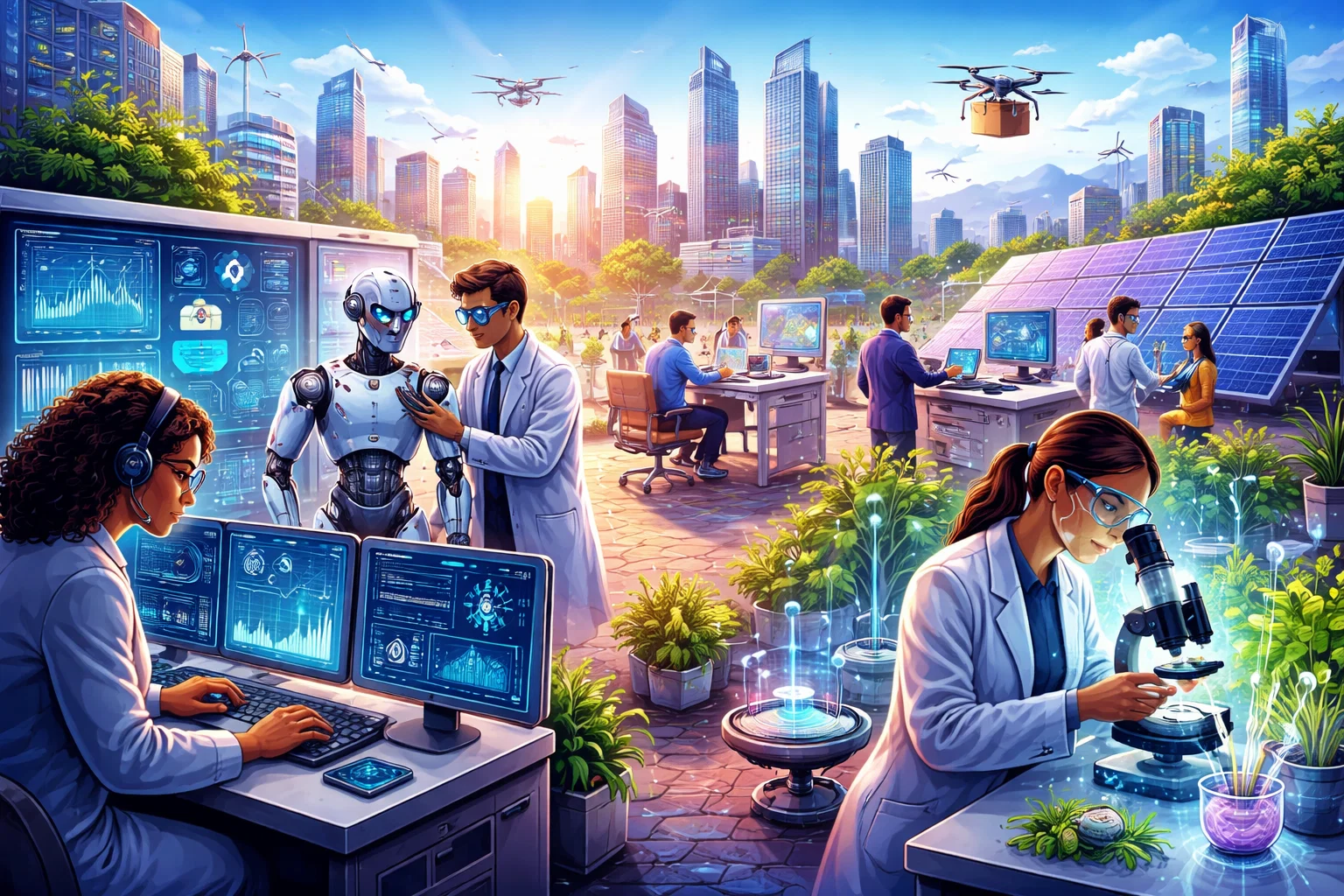
AI Specialists, Prompt Engineers, and Tech Innovators
AI specialists, prompt engineers, and tech innovators are among the high demand roles in 2026. These professionals possess the technical abilities to develop, implement, and optimize AI solutions. Employers increasingly value their expertise in leveraging emerging technologies to drive innovation and efficiency, which reshape the industry.
Sustainability Coordinators and ESG Analysts
Sustainability coordinators and ESG analysts will play a crucial role in helping organizations meet their environmental and social goals. Employers increasingly require individuals with a deep understanding of sustainability principles and the ability to develop and implement ESG strategies. Job seekers can find many new opportunities.
Digital Project Managers, UX/UI, and Metaverse Designers
Digital project managers, UX/UI designers, and Metaverse designers are in high demand, as organizations seek to enhance their digital presence and create engaging online experiences. These professionals combine technical skills with creativity and communication skills. The future of work will redefine the approach employers have to adaptability.
Wellness, Remote Collaboration, and Human-Centric Roles
As remote work becomes more prevalent, roles focused on wellness, remote collaboration, and human-centric design will gain prominence. Employers increasingly recognize the importance of supporting employee well-being and fostering a positive work environment, using AI skills. Soft skills also are important and improve the organizational culture.
Cultural Intelligence and Diversity Skills
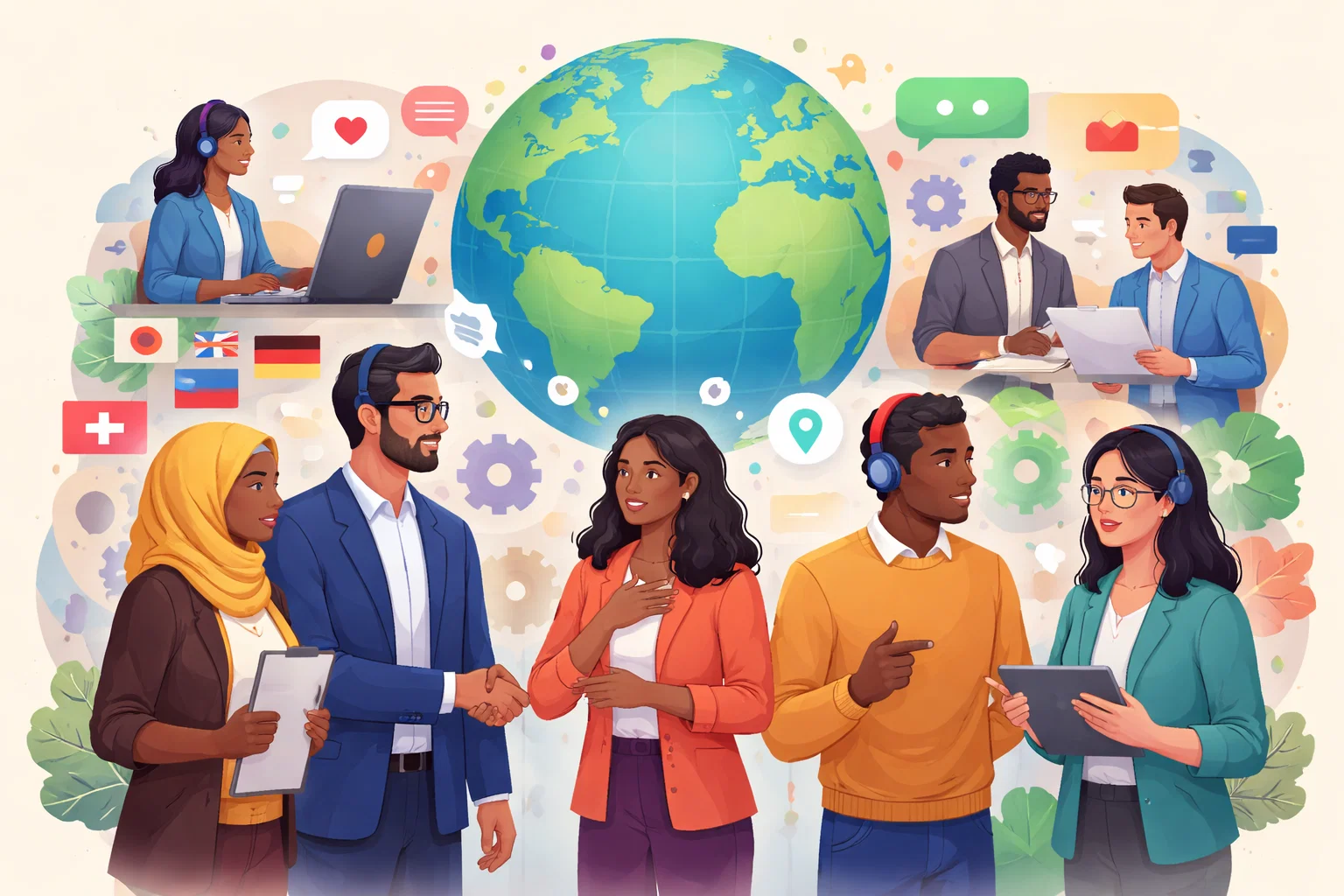
Thriving in Multicultural and Multigenerational Teams
In 2026 and beyond, employers will prioritize candidates who can thrive in multicultural and multigenerational teams. Adaptability, communication skills, and emotional intelligence are critical for fostering collaboration and understanding across diverse backgrounds. Mastering these skills can help job seekers stand out to employers.
Inclusive Communication and DEI Awareness
Employers want candidates with strong inclusive communication skills and a deep understanding of Diversity, Equity, and Inclusion (DEI) principles. The ability to create a welcoming and equitable environment is crucial for attracting and retaining top talent. AI may enhance processes, but understanding DEI will require emotional intelligence.
Collaboration Across Geographies and Cultures
Successful collaboration across geographies and cultures requires a unique set of skills. Employers increasingly value candidates who can navigate cultural nuances, communicate effectively across language barriers, and build strong relationships with colleagues around the world. This can reshape the job market in 2026 and bring new opportunities.
How Employers Evaluate Skills in 2026
Beyond Resumes: Portfolio, Micro-Credentials, and Practical Tests
In 2026, employers will look beyond traditional resumes to evaluate candidates’ skills. Portfolios, micro-credentials, and practical tests will provide tangible evidence of competency and technical skills. These methods allow hiring managers to assess candidates’ abilities more accurately and predict their career success.
Behavioral Assessments and Soft Skill Indicators
Behavioral assessments and soft skill indicators will play a significant role in the hiring trends. Employers use these tools to assess candidates’ emotional intelligence, adaptability, and problem-solving abilities. Understanding how to present these skills effectively can improve a job search.
Continuous Feedback Loops and Performance Metrics
Continuous feedback loops and performance metrics will be essential for tracking employee growth and identifying areas for upskilling. Employers increasingly rely on data analysis to measure performance, provide targeted feedback, and redefine organizational goals, ensuring that top talent can achieve career success in 2026.
Preparing for the Future: Strategies for Job Seekers
Building a Hybrid Skillset for 2026 Careers
To thrive in 2026 and beyond, job seekers must focus on building a hybrid skillset that combines technical skills, soft skills, and emerging technologies. Upskilling in areas such as AI skills, data analysis, and cybersecurity is crucial for staying competitive. Employers see value in a multifaceted workforce.
Leveraging AI and Digital Tools to Stay Competitive
AI and digital tools can be powerful allies in the job search process. Job seekers can use AI-powered resume builders, LinkedIn, networking platforms, and online learning resources to enhance their skills and expand their reach. Adaptability is the key to leveraging these emerging technologies.
Networking, Personal Branding, and Community Participation
Networking, personal branding, and community participation are essential for building connections and showcasing expertise. Attending industry trends events, engaging in online communities, and volunteering can help job seekers gain visibility and establish themselves as thought leaders. Employers notice active engagement and value community participation.
Conclusion: Aligning Skills With Evolving Employer Expectations
The key to success in the future of work lies in aligning skills with evolving employer expectations. By focusing on continuous learning, upskilling, and developing a hybrid skillset, job seekers can position themselves for career success in 2026 and beyond. Adaptability will be the greatest strength for any job search.