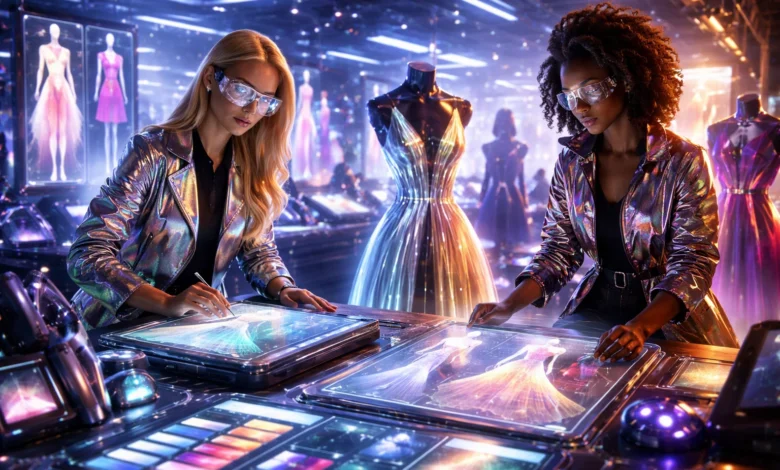
The fashion industry stands on the cusp of a transformative era, driven by the rise of AI. This article explores how artificial intelligence is reshaping fashion design, from concept to creation, offering unprecedented possibilities for personalization, sustainability, and efficiency. As fashion brands increasingly embrace AI, the future of fashion promises to be a blend of human creativity and machine intelligence.
Understanding AI in Fashion Design
What AI Fashion Designers Are and How They Work
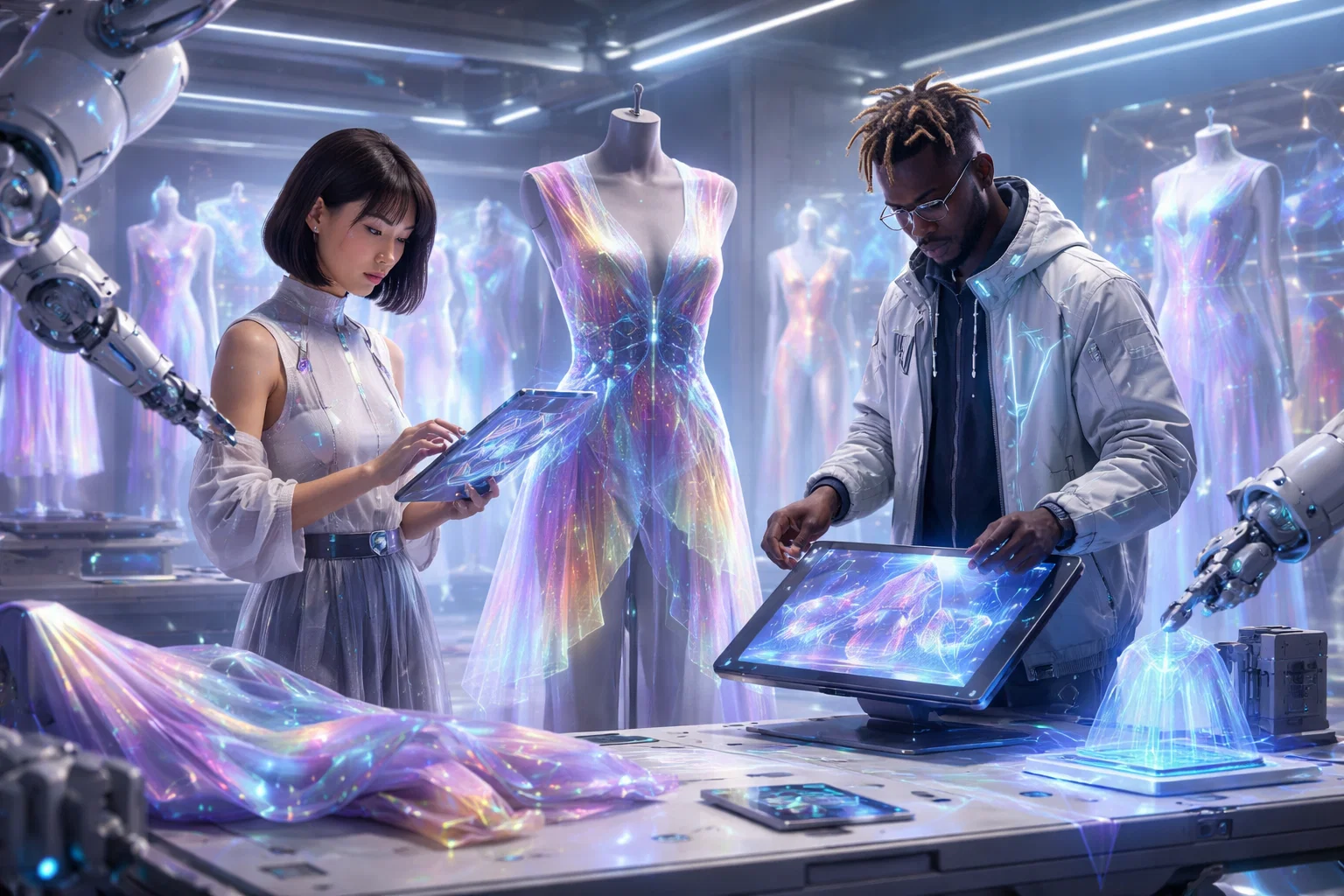
AI fashion designers are essentially AI algorithms and AI systems programmed to generate clothing design concepts. These AI tools analyze vast datasets of fashion trends, historical designs, and consumer preferences to create design variations.
The AI model learns patterns and aesthetics, helping fashion designers create innovative and trend-setting pieces. By allowing designers to use AI, the design process becomes more streamlined and efficient.
Key Technologies Behind AI Fashion: Machine Learning, Computer Vision, and Data Analytics
Several key AI technology components drive AI in fashion, including the following:
- Machine learning, which enables AI systems to learn from data and improve their design generation capabilities.
- Computer vision, which allows AI to “see” and analyze images of clothing, fabrics, and models.
Data analytics also plays a crucial role by helping to predict fashion trends and understand consumer behavior. Integrating AI with these technologies enhances design and production processes across the fashion supply chain.
Difference Between AI-Assisted and Fully AI-Generated Designs
It’s important to differentiate between AI-assisted and fully AI-generated designs. In AI-assisted design, fashion designers use AI as a tool to enhance human creativity, explore design options, and streamline the design process.
Fully AI-generated designs, on the other hand, are created entirely by AI algorithms without direct human intervention. While AI cannot replace the human designer, it augments their capabilities and offers new creative possibilities.
How AI Is Transforming Fashion Creativity
Accelerating the Design Process from Concept to Prototype
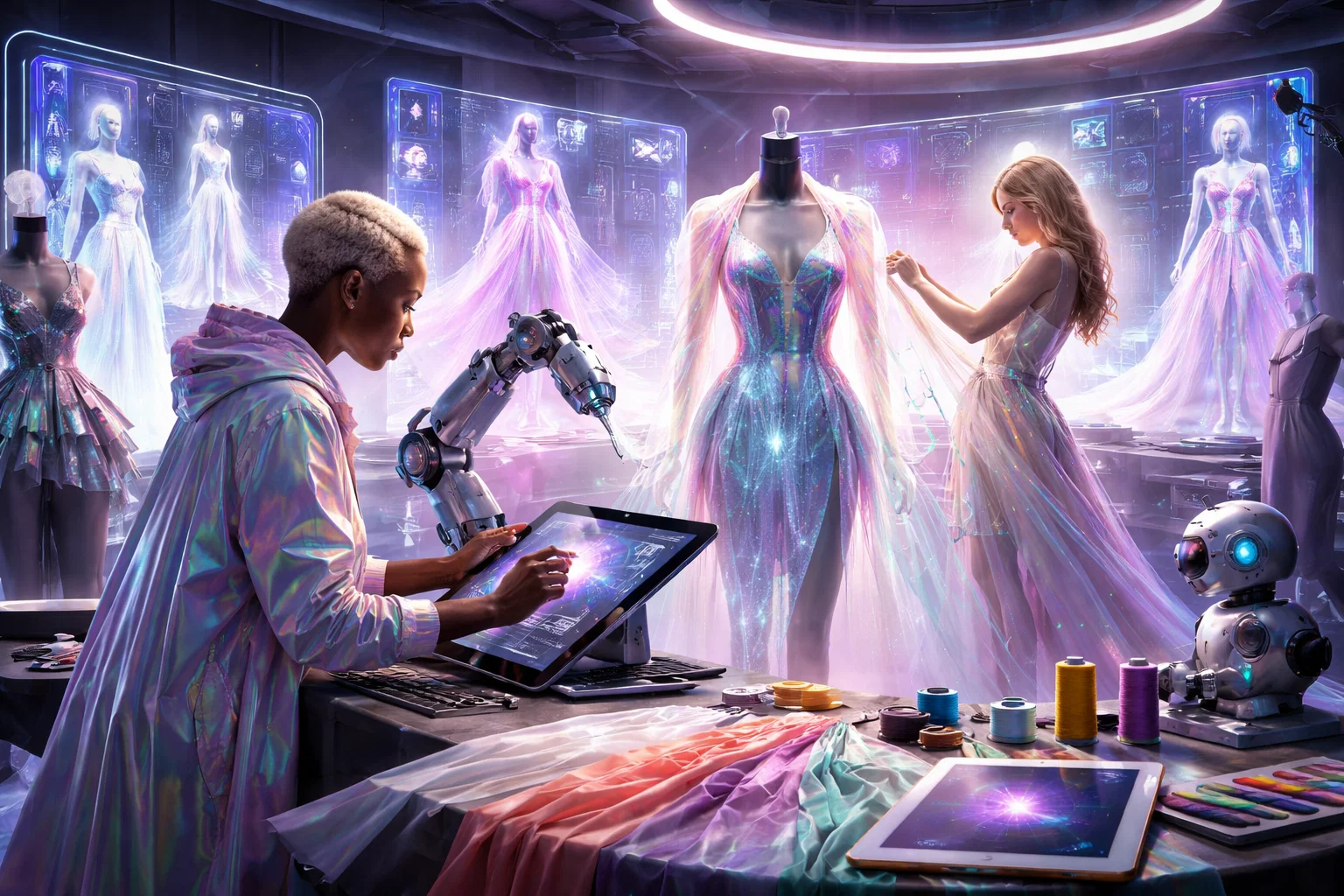
AI significantly accelerates the design process. AI algorithms can quickly generate numerous design variations, allowing designers to rapidly iterate and refine their ideas.
This speed is invaluable in the fast-paced fashion industry, where time-to-market is critical. By using AI, designers can move from concept to prototype much faster, giving them a competitive edge in the global fashion market.
Predicting Trends Through Data Analysis and Social Media Insights
AI has the potential to predict fashion trends with remarkable accuracy. By analyzing data from social media, online retail, and fashion blogs, AI systems can identify emerging patterns and consumer preferences. This predictive capability allows fashion brands to stay ahead of the curve and create designs that resonate with current and future market demands, significantly impacting the business of fashion.
Enhancing Human Creativity Through AI Collaboration
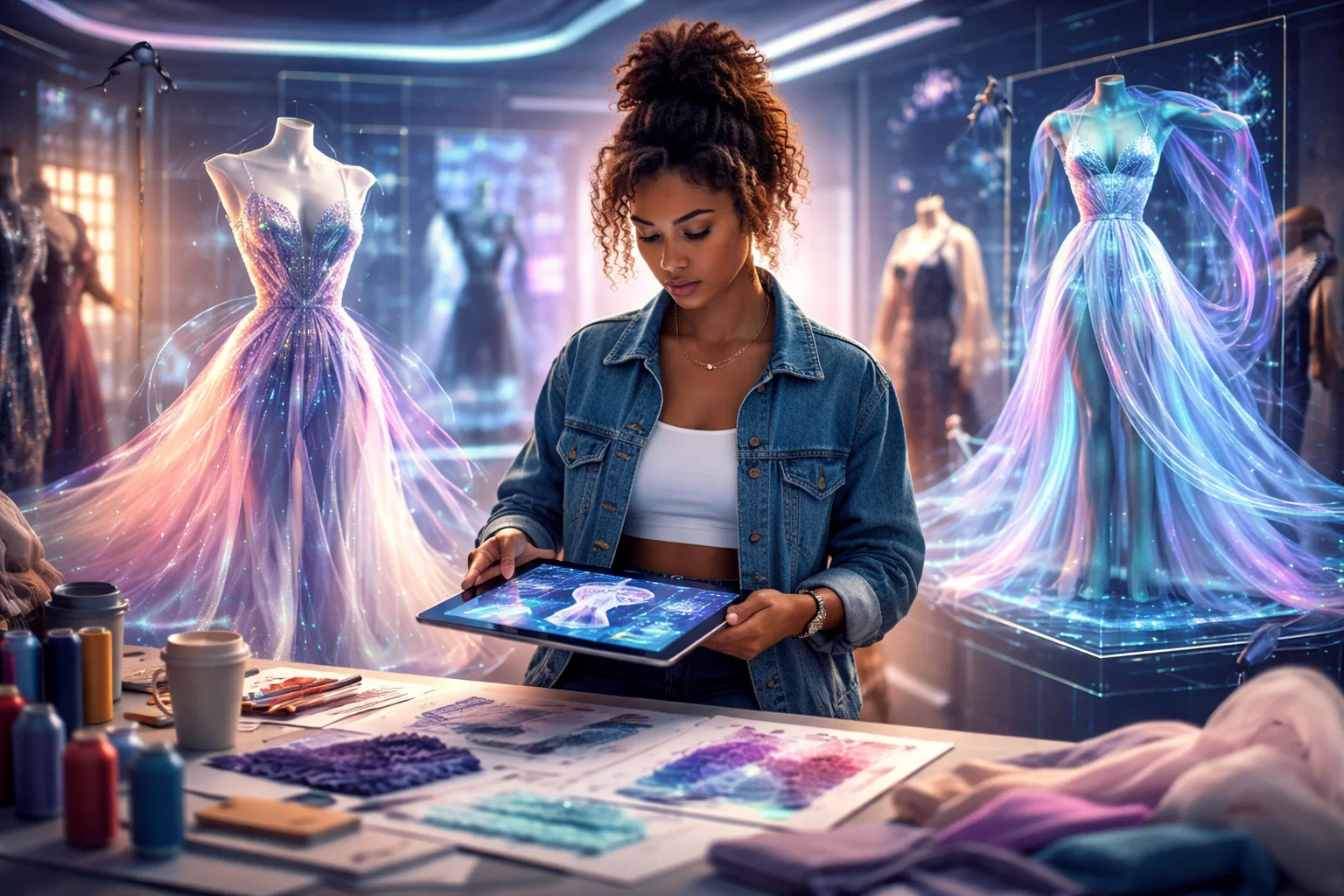
AI should be viewed as a collaborator, not a replacement, for human creativity. AI and fashion are best when working together. Designers can use AI to explore unconventional design ideas and overcome creative blocks.
By embracing AI, designers can push the boundaries of creativity in fashion, resulting in unique and innovative collections. The synergy between human creativity in fashion and AI results in more compelling designs.
Personalization: Tailoring Designs for Individual Consumers
AI enables unprecedented levels of personalization in clothing design. AI algorithms can analyze individual consumer preferences, body types, and style choices to create custom-tailored designs.
This level of personalization enhances customer satisfaction and loyalty, fostering a deeper connection between consumers and fashion brands. Through AI, the future of fashion includes hyper-personalized experiences.
Benefits of AI Fashion Designers

Faster Design Cycles and Time-to-Market Advantages
One of the most significant advantages of AI in fashion is the acceleration of design cycles. AI algorithms can swiftly generate numerous design variations, dramatically reducing the time it takes to move from concept to prototype.
This speed allows fashion brands to respond quickly to emerging trends and bring new products to market faster, ensuring they stay competitive in the fast-paced global fashion industry. Allowing designers to use AI enhances efficiency and agility in the design process.
Promoting Sustainability and Reducing Waste
AI and fashion can play a crucial role in promoting sustainable fashion practices. By accurately predicting trends and optimizing production processes, AI helps reduce overproduction and minimize waste.
AI algorithms can analyze material usage, optimize cutting patterns, and predict demand, contributing to a more sustainable supply chain. By integrating AI, fashion companies can minimize their environmental impact and embrace more responsible production methods, reducing waste and fostering sustainability across the fashion landscape.
Inclusive Design: Catering to Diverse Body Types and Cultures
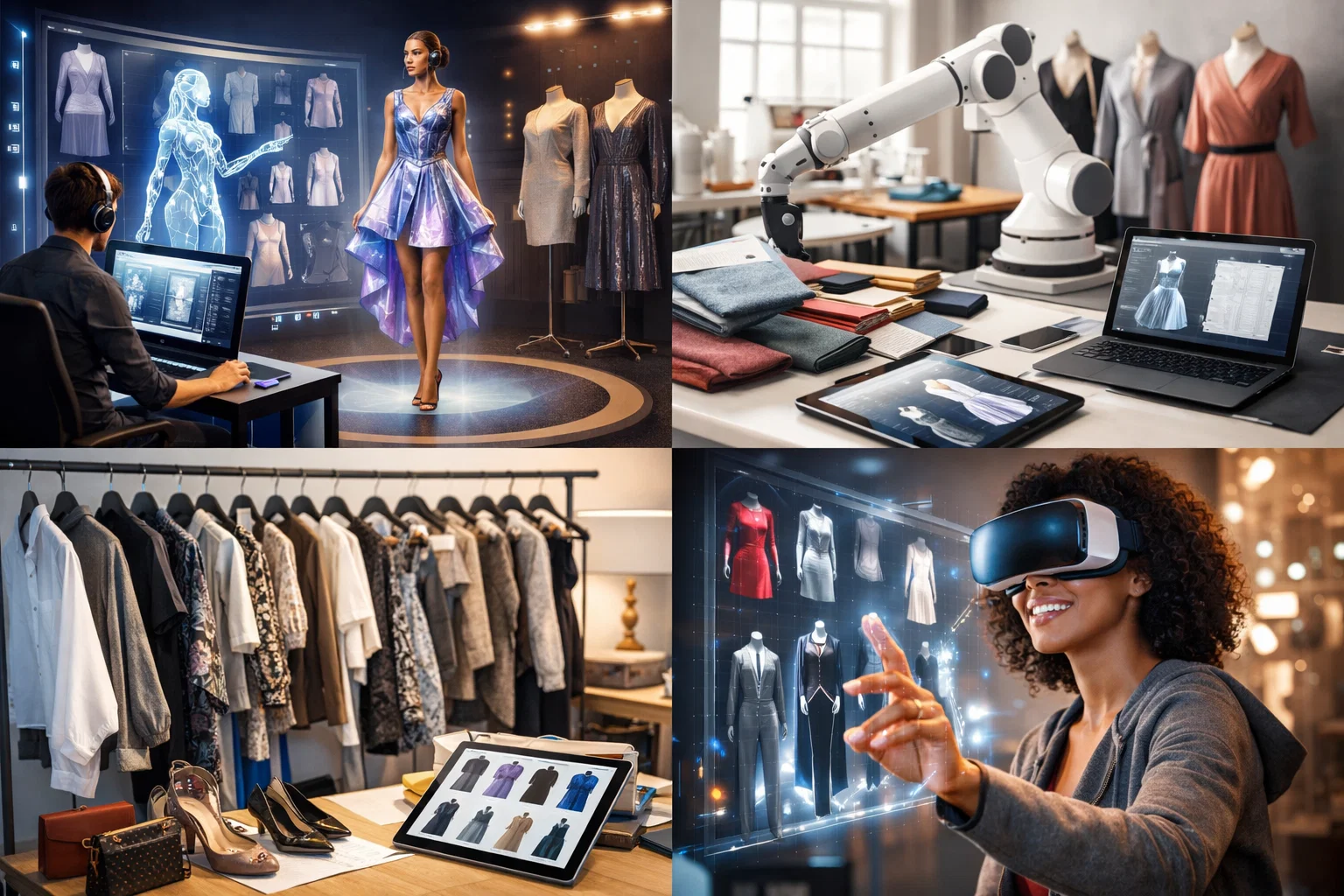
AI enables more inclusive design practices that cater to a wide range of body types and cultural preferences. AI systems can analyze diverse datasets to generate designs that are inclusive and accessible.
This ensures that fashion brands can offer products that resonate with a broader audience, promoting inclusivity and diversity in the fashion industry. By embracing AI, designers can create clothing that caters to a diverse consumer base, promoting inclusivity and celebrating individuality.
Market Relevance and Consumer Engagement
By predicting trends and analyzing consumer data, AI in fashion helps fashion brands create products that are highly relevant to the market. AI algorithms can provide valuable insights into consumer preferences, helping designers create collections that resonate with their target audience.
This leads to increased consumer engagement, customer satisfaction, and brand loyalty, boosting the business of fashion. Allowing designers to create relevant, desirable products ensures long-term success and market relevance in an ever-evolving landscape.
Challenges and Limitations of AI in Fashion
Maintaining the Human Touch and Artistic Authenticity
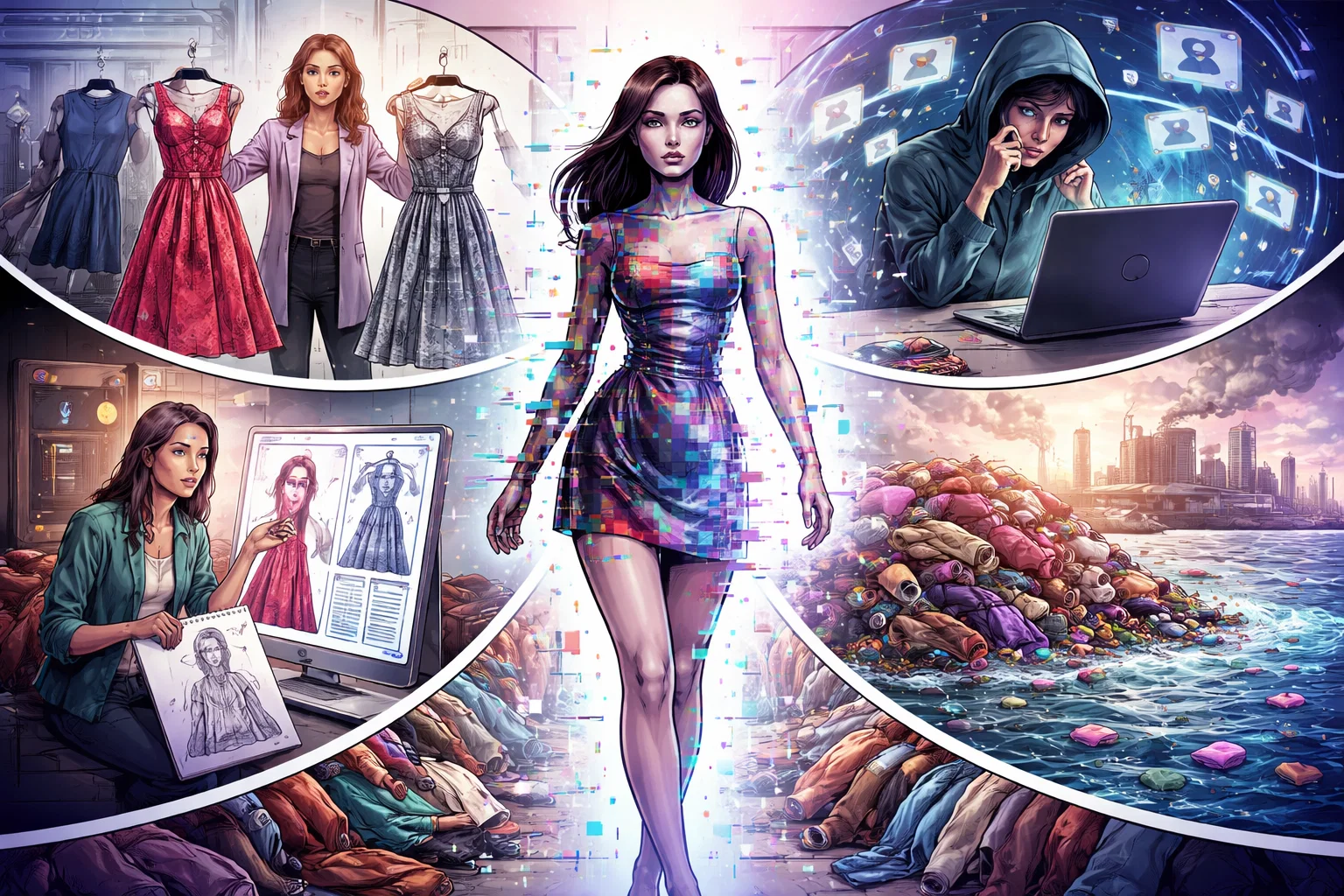
One of the key challenges of AI in fashion is maintaining the human touch and artistic authenticity. While AI algorithms can generate designs, they sometimes lack the emotional depth and creative intuition that human designers bring to the table.
Fashion brands need to strike a balance between AI-driven design and human creativity in fashion to ensure that their products retain a unique artistic flair. Though the AI revolution has made significant strides, there remains a profound value in human ingenuity.
Addressing Data Bias and Ethical Concerns
AI systems are only as good as the data they are trained on. If the data contains biases, AI models may perpetuate those biases in their designs. It’s essential to address data bias and ensure that AI algorithms are trained on diverse and representative datasets. Ethical concerns, such as the potential for AI to displace human workers, also need to be carefully considered and addressed as AI and fashion continue to evolve.
Intellectual Property and Ownership Issues
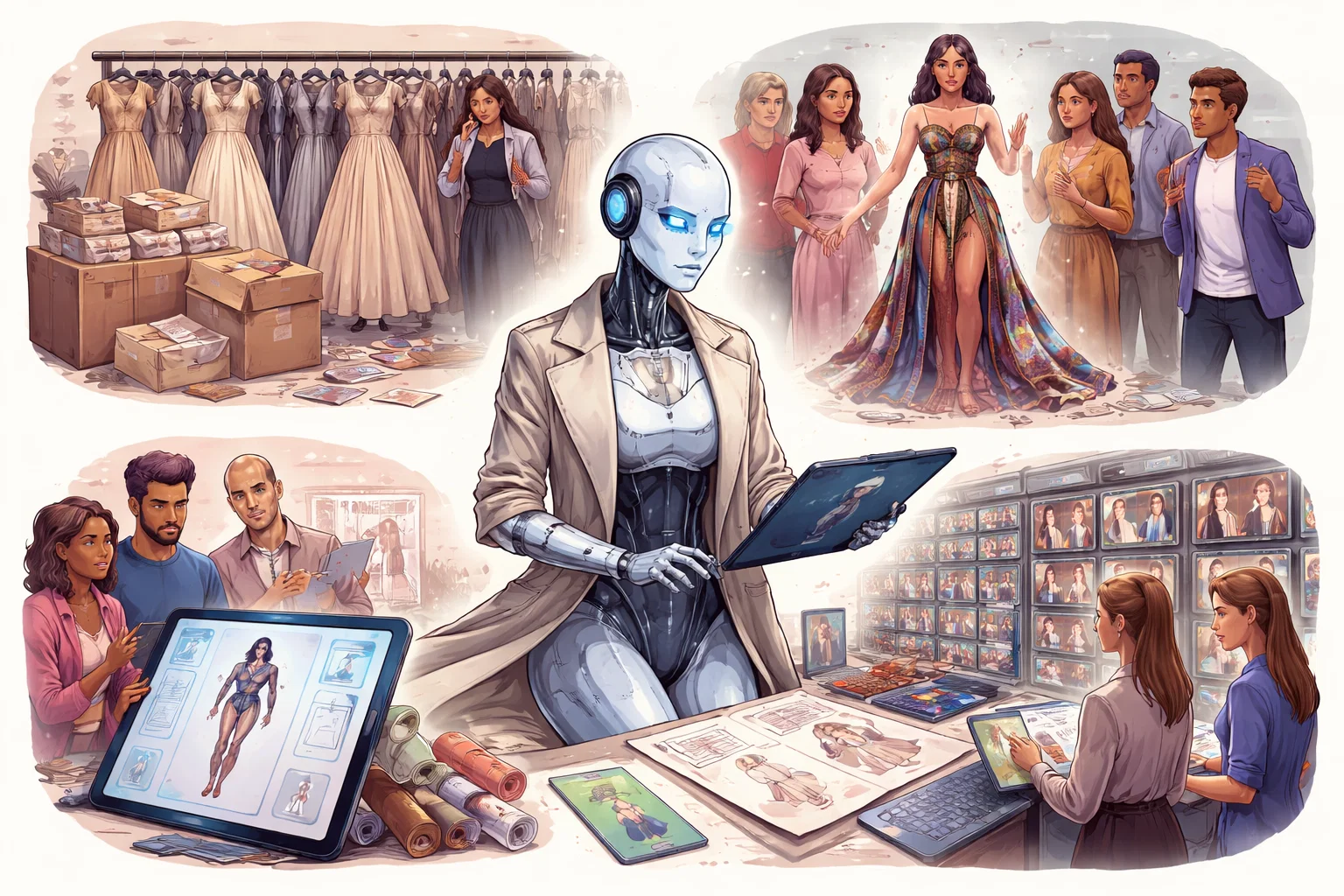
The use of AI in design raises complex intellectual property and ownership issues. Determining who owns the copyright to a design generated by an AI algorithm can be challenging.
Fashion companies need to establish clear guidelines and legal frameworks to protect their intellectual property and ensure fair use of AI technology. As AI becomes more prevalent, the legal landscape surrounding AI-generated designs will need to adapt to address these emerging issues, securing the future of design.
Risk of Homogenization Across Fashion Brands
There is a risk of homogenization across fashion brands if all companies rely on the same AI algorithms to generate designs. To mitigate this risk, fashion designers need to use AI as a tool to augment their creativity rather than replace it entirely.
By combining AI-generated designs with their unique artistic vision, designers can create distinctive collections that stand out in a crowded market. While AI could help fashion, one must be wary of overuse that reduces the uniqueness of design variations.
Popular Examples of AI-Driven Fashion
Notable Brands Using AI for Design and Customization
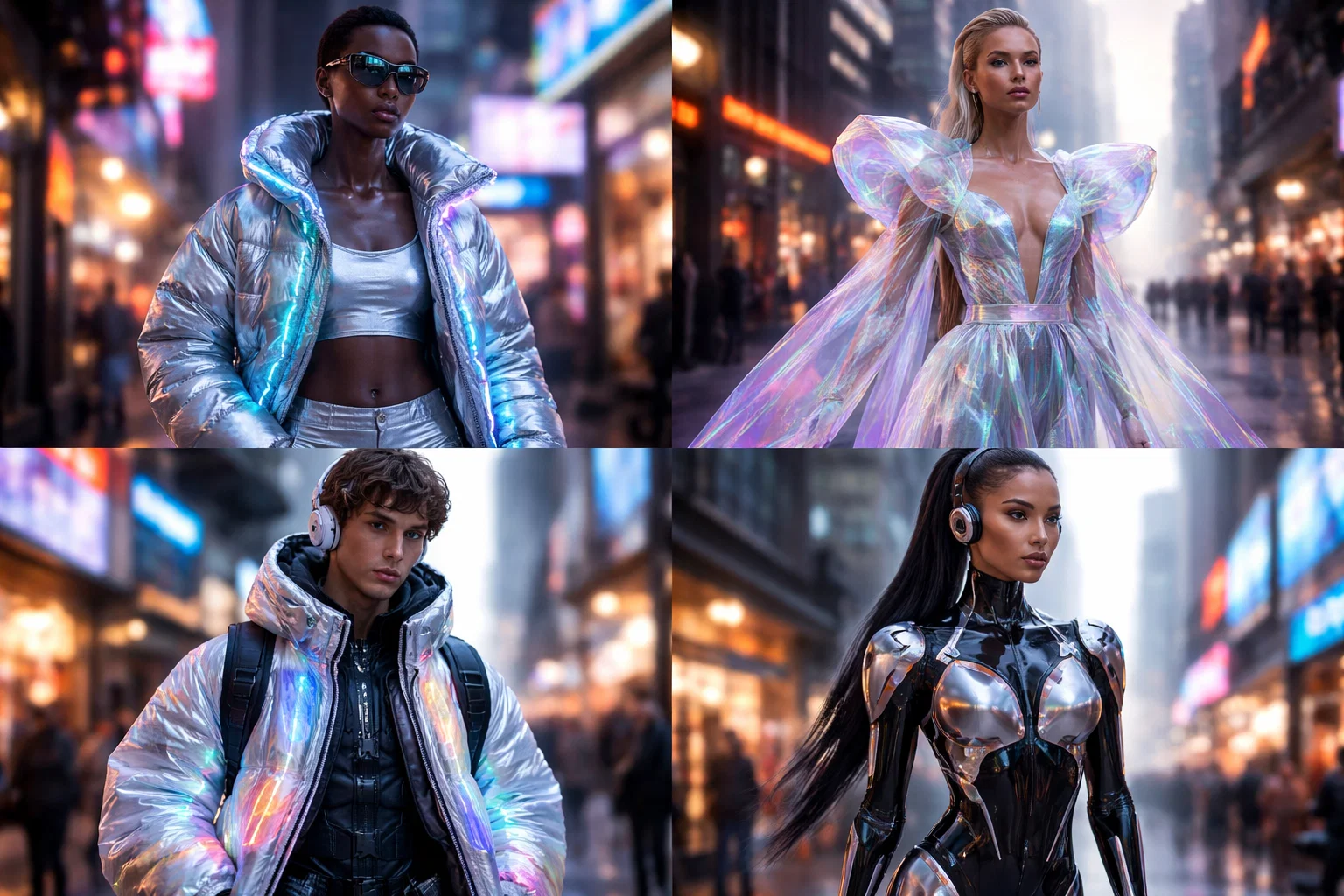
Several fashion brands are already using AI to enhance their design and customization processes. These brands leverage AI tools to analyze fashion trends, predict consumer preferences, and generate unique design variations.
By integrating AI technology, these companies can offer personalized fashion experiences and streamline their supply chain. Allowing designers to use AI, these brands stay ahead of the curve in the rapidly evolving fashion landscape.
AI-Generated Collections and Virtual Runways
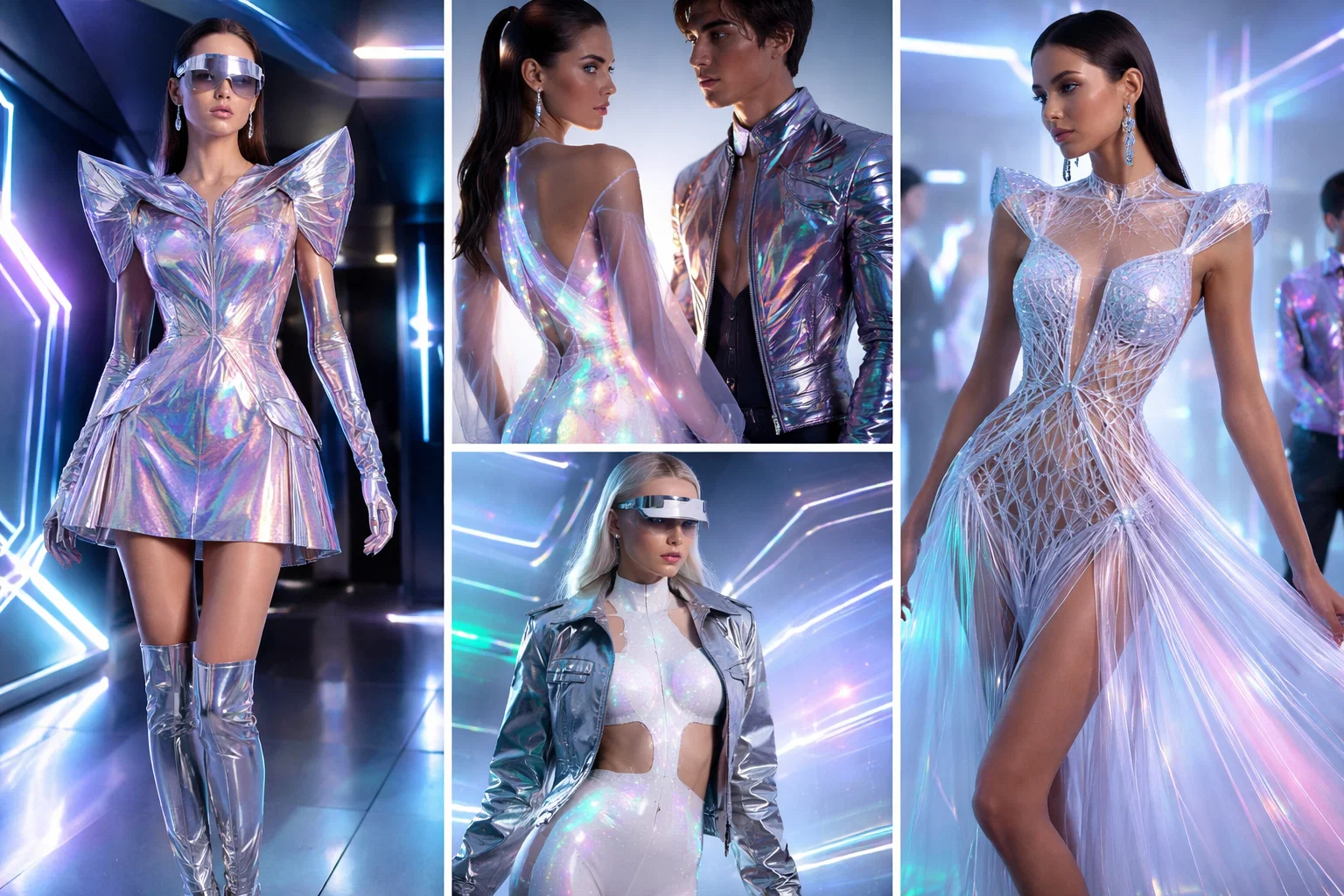
AI has made its mark on fashion week with AI-generated collections showcased on virtual runways. These innovative fashion shows feature designs created entirely by AI algorithms, pushing the boundaries of creativity in fashion.
AI algorithms analyze vast datasets of fashion trends and historical designs to generate unique and imaginative clothing designs. This demonstrates the potential of AI as a powerful tool in the creative process, while helping AI become more known.
AI in Fashion Retail: Personalized Recommendations and Styling
AI is revolutionizing the fashion retail experience by providing personalized recommendations and styling advice to consumers. AI systems analyze customer data, such as purchase history, browsing behavior, and social media activity, to offer tailored product suggestions.
AI tools can also provide virtual styling services, helping customers create outfits and find clothing that suits their individual tastes and body types. Such fashion experiences enhance customer satisfaction and boost the business of fashion.
Future Trends in AI Fashion Design
Virtual Fashion and Digital-Only Clothing
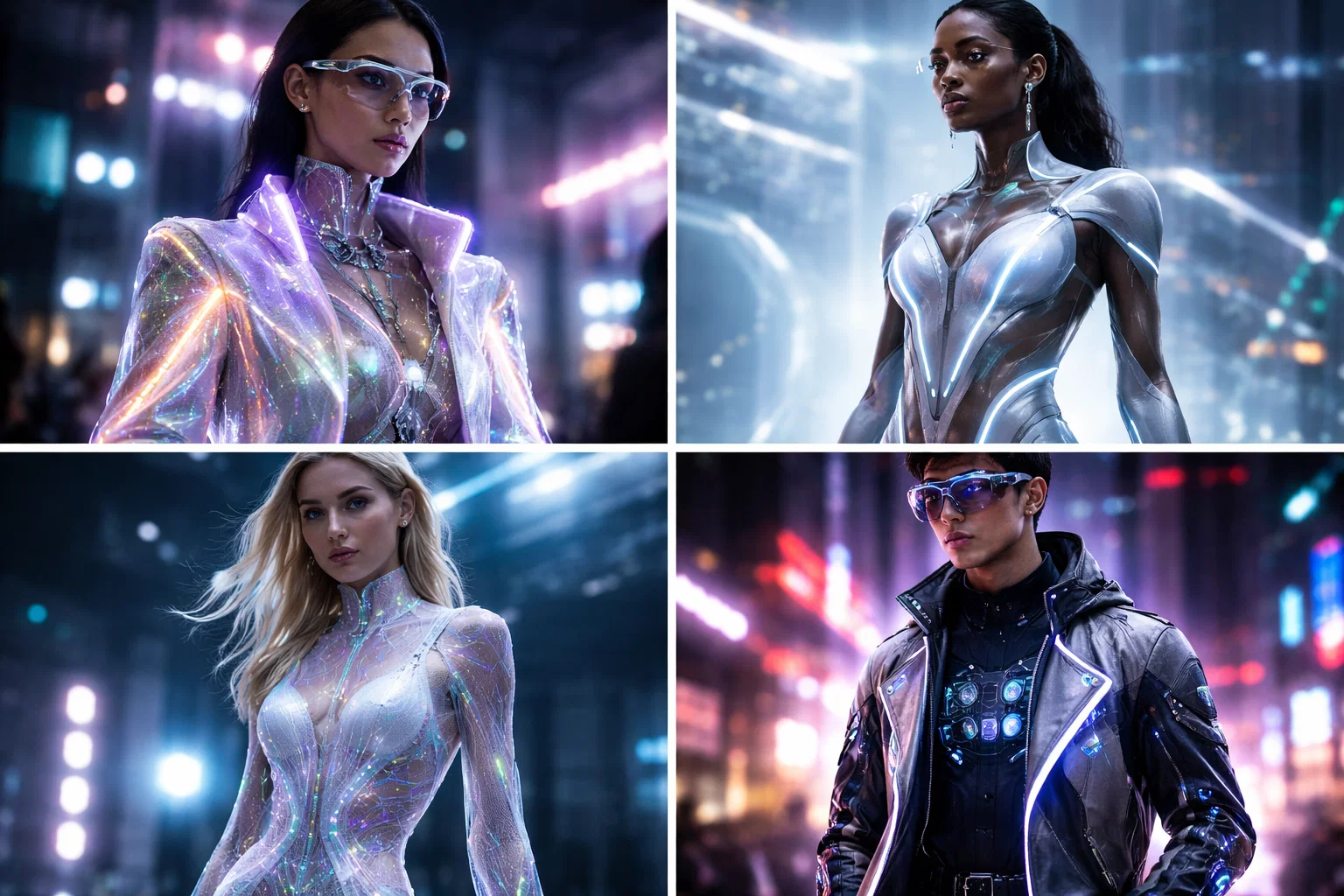
The future of fashion includes virtual fashion and digital-only clothing. AI enables the creation of virtual garments that exist solely in the digital realm. These virtual fashion items can be worn by avatars in online games, social media platforms, and virtual reality environments.
As the metaverse continues to grow, virtual fashion is expected to become increasingly popular, offering new avenues for creativity in fashion and self-expression. AI could help with this process.
AI-Enhanced Sustainability: Zero-Waste and Eco-Friendly Materials
AI has the potential to drive sustainability in the fashion industry by promoting zero-waste practices and the use of eco-friendly materials. AI algorithms can optimize cutting patterns to minimize fabric waste and predict demand to reduce overproduction.
AI tools can also analyze the environmental impact of different materials, helping designers make more sustainable choices. Fashion companies can integrate AI to create a more eco-conscious supply chain and reduce their carbon footprint.
Real-Time Customization Apps for Consumers
Real-time customization apps powered by AI are set to transform the way consumers interact with fashion. These apps allow customers to personalize clothing designs in real-time, using AI to generate design variations based on their preferences.
Consumers can adjust colors, patterns, and styles to create unique garments that reflect their individual tastes. Such fashion experiences enhance personalization and empower consumers to express their unique style through fashion.
Hybrid Creativity: Human Designers Collaborating with AI for Avant-Garde Collections
The future of design lies in hybrid creativity, where human designers collaborate with AI to create avant-garde collections. By embracing AI as a creative partner, designers can push the boundaries of fashion design and explore uncharted territories.
AI tools can generate unconventional design ideas, which human designers can then refine and bring to life. This collaboration between human creativity in fashion and AI can lead to truly innovative and groundbreaking designs, shaping future fashion trends.
How Consumers Can Engage with AI Fashion
Personalized Fashion Experiences Through AI
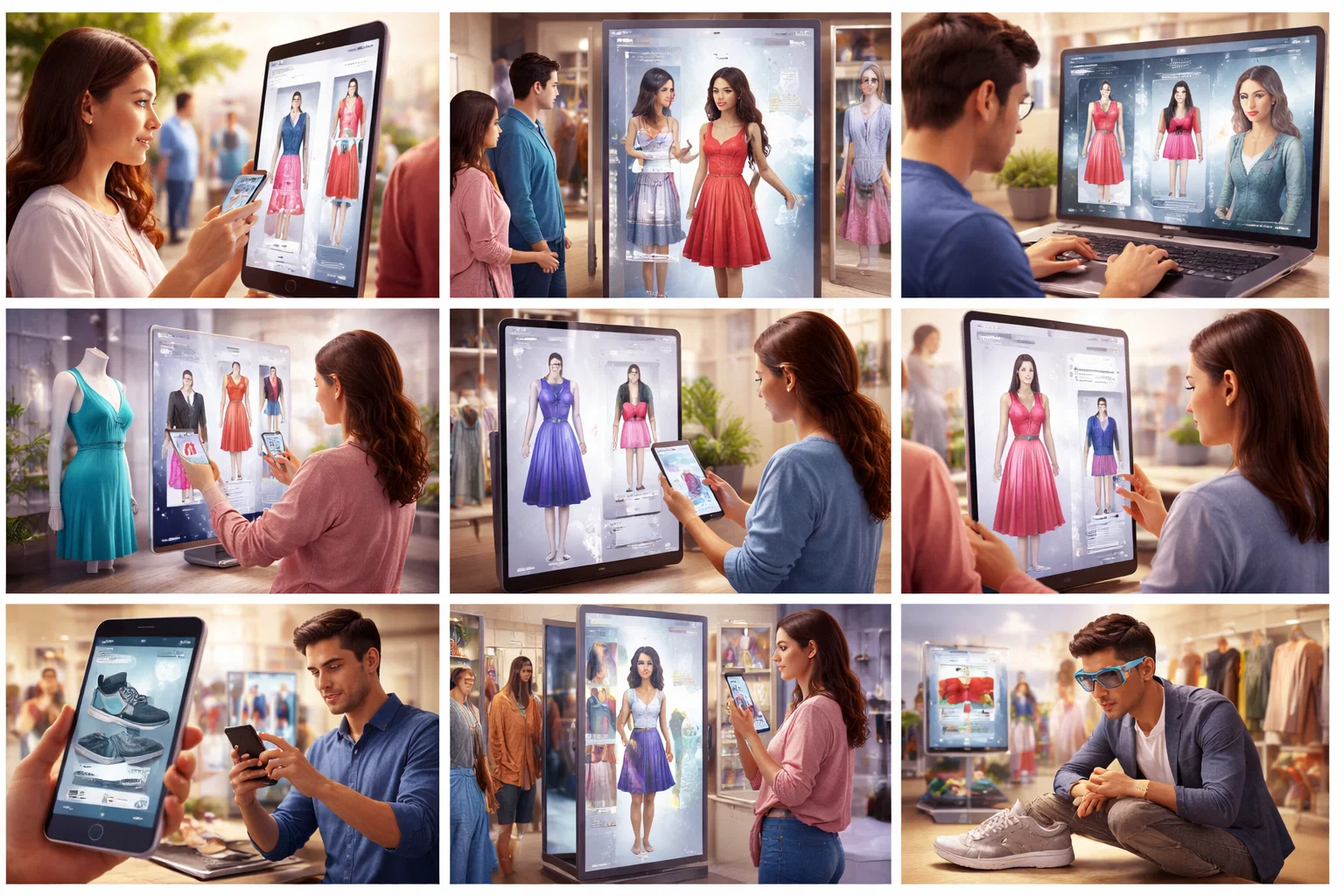
The rise of AI in fashion offers consumers personalized fashion experiences like never before. AI systems can analyze individual style preferences, body types, and shopping habits to curate tailored recommendations.
Through AI, consumers can discover clothing and accessories that perfectly match their unique tastes, enhancing their overall shopping journey.
Fashion brands leverage AI tools to create customized lookbooks and style guides, making it easier for consumers to find the perfect pieces. As AI technology continues to evolve, these personalized experiences will become even more seamless and intuitive, driving customer satisfaction.
Interactive and Virtual Try-On Experiences
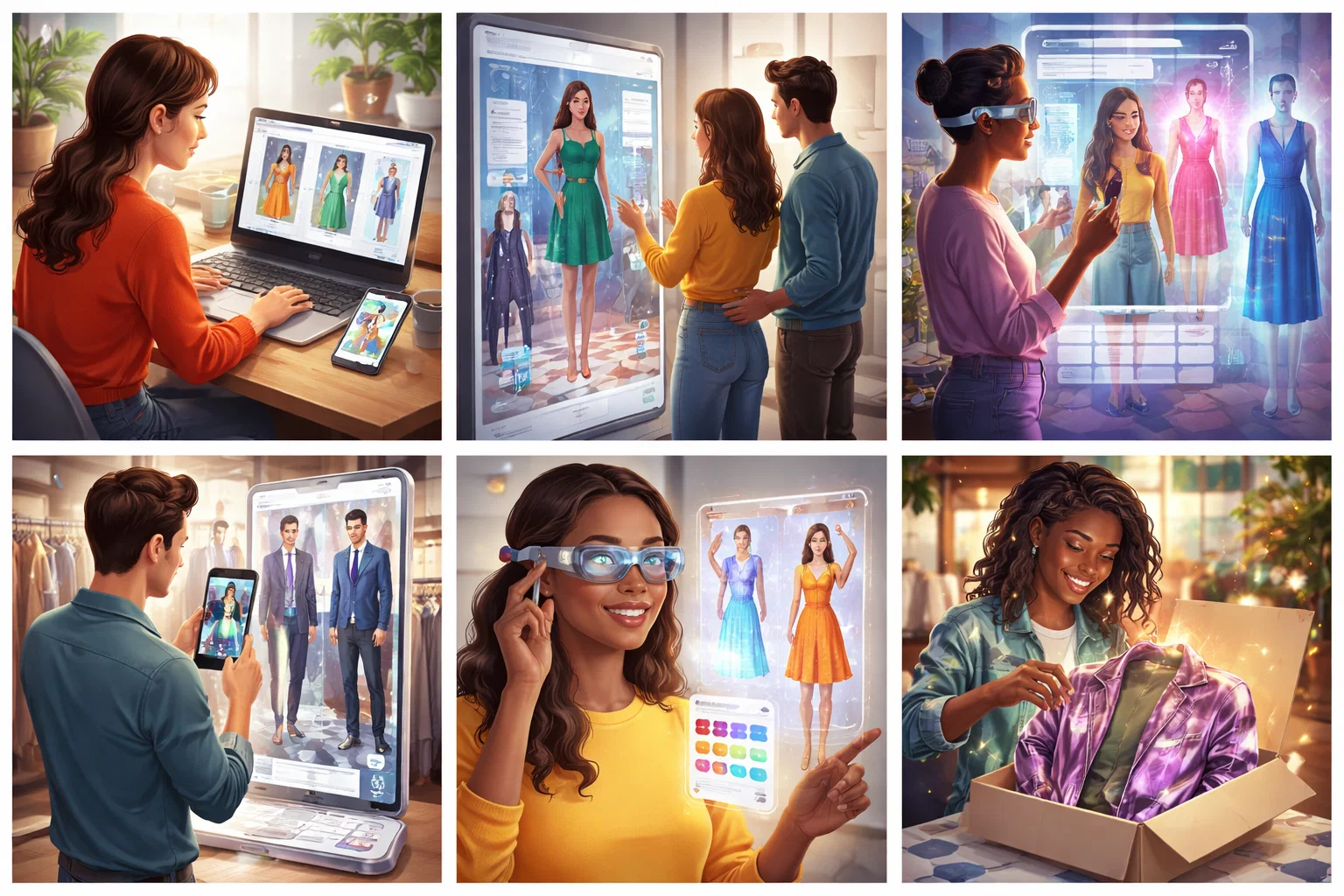
Interactive and virtual try-on experiences are becoming increasingly popular thanks to AI. AI algorithms enable consumers to virtually “try on” clothing items using augmented reality (AR) apps or virtual reality (VR) headsets.
These experiences allow customers to see how clothes look on their own bodies without ever physically trying them on, thus reducing the need to try on multiple options.
AI in fashion can analyze body measurements and provide accurate fit recommendations, improving the online shopping experience. This helps consumers make more informed purchasing decisions, leading to higher satisfaction and fewer returns.
Exploring AI Fashion Shows and Digital Collections
AI fashion shows and digital collections offer consumers a new way to engage with the fashion industry. These virtual events showcase AI-generated designs and virtual garments in immersive digital environments.
Fashion brands use AI technology to create stunning visual presentations that capture the imagination of their audience. Consumers can explore digital collections from the comfort of their own homes, discovering unique and innovative designs that push the boundaries of creativity in fashion. These experiences make fashion more accessible and engaging, attracting a wider audience to the world of AI-driven design.
Conclusion: Embracing AI for the Next Era of Fashion Creativity
As AI technology continues to evolve, the future of fashion is poised for a revolution marked by collaboration between human creativity in fashion and artificial intelligence. Embracing AI as a creative partner can unlock new possibilities for design and innovation, helping fashion brands create personalized, sustainable, and inclusive products.
The AI revolution in fashion also introduces new concepts like virtual fashion that could change the ways designers approach clothing design. The key is to responsibly integrate AI while keeping the human touch. As AI becomes an indispensable tool in the fashion landscape, its transformative impact will continue to reshape the fashion industry for years to come.
This fusion of human creativity and AI will usher in a new era of fashion. Fashion companies that use AI can increase consumer engagement by allowing designers to use AI in the design process. The business of fashion will see significant changes as AI algorithms can now predict trends.