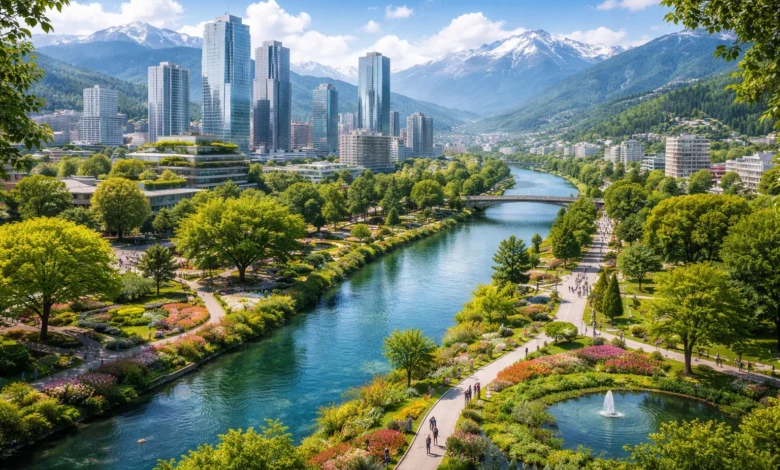
In an era where environmental concerns are at the forefront, the concept of the cleanest cities in the world has never been more relevant. These urban centers serve as beacons of sustainability, showcasing how economic growth and environmental stewardship can coexist. Join us as we explore the top 10 cleanest cities that are setting new standards for urban living.
What Makes a City Truly Clean?
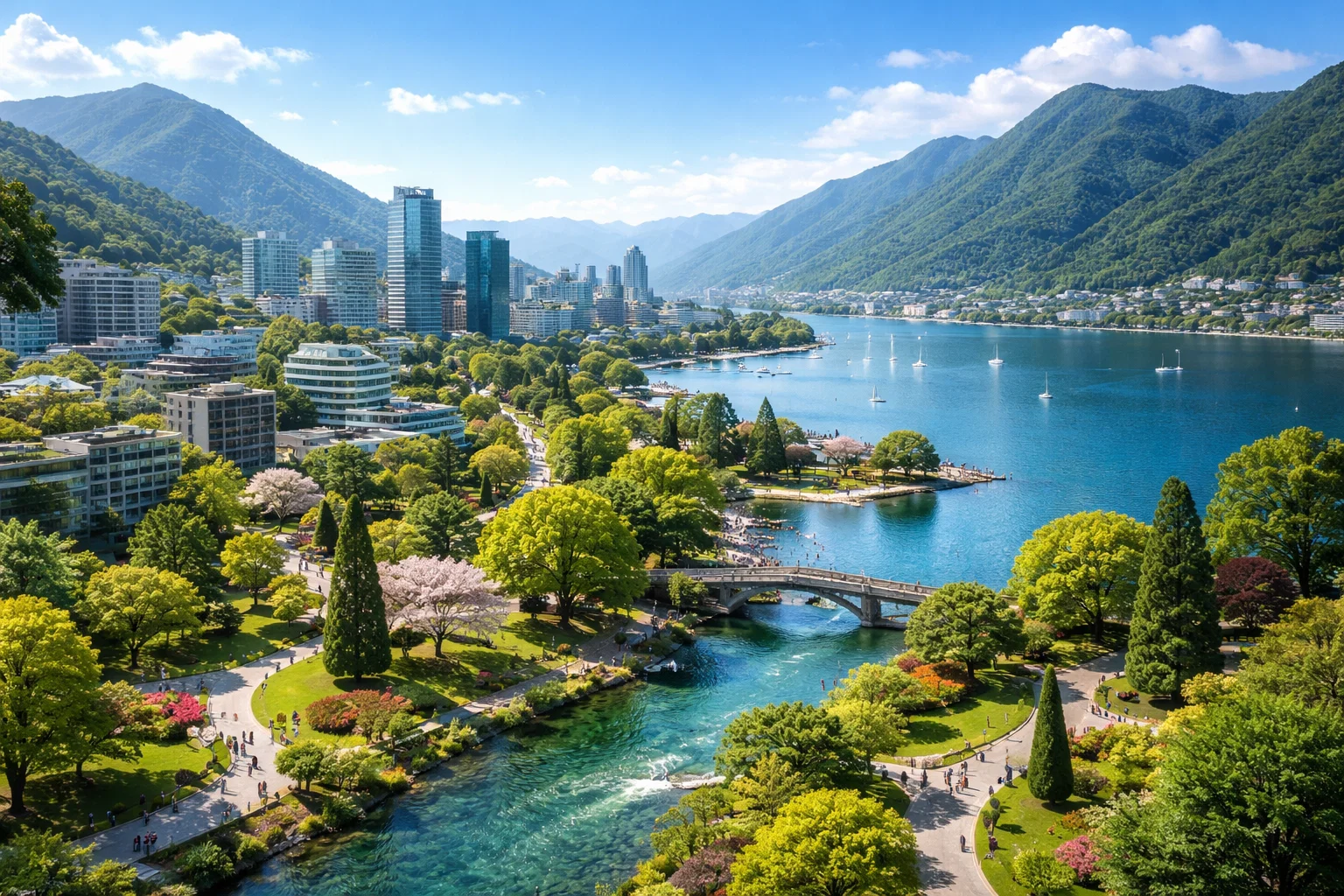
What really makes a city clean? It goes far beyond simply having no trash on the streets. A truly clean city is built on a comprehensive vision that includes:
Healthy air quality
Effective and well-organized waste management systems
Abundant and accessible green spaces
A strong dedication to sustainable, eco-friendly practices
Cleanliness, in this sense, reflects how thoughtfully a city cares for both its environment and its people.
Defining Urban Cleanliness: Air, Water, Waste & Green Spaces
Urban cleanliness is a multifaceted concept with several key components. These include:
- Air quality
- Water purity
- Effective waste management
- Ample green space
These elements intertwine to create a sustainable and healthy urban environment for residents and visitors alike.
Why Clean Cities Matter for Tourism, Health & Quality of Life
Clean cities are vital for attracting tourism, enhancing public health, and improving the overall quality of life. Better air quality and more green space directly contribute to healthier, happier communities.
How This Ranking Was Evaluated (Air Quality Index, Sustainability Reports, Waste Management, Urban Planning)
This ranking system takes a number of different criteria into account. Specifically, it looks at:
- The Air Quality Index.
- Sustainability reports.
- The effectiveness of waste management programs.
- Forward-thinking urban planning strategies that encourage cleaner living.
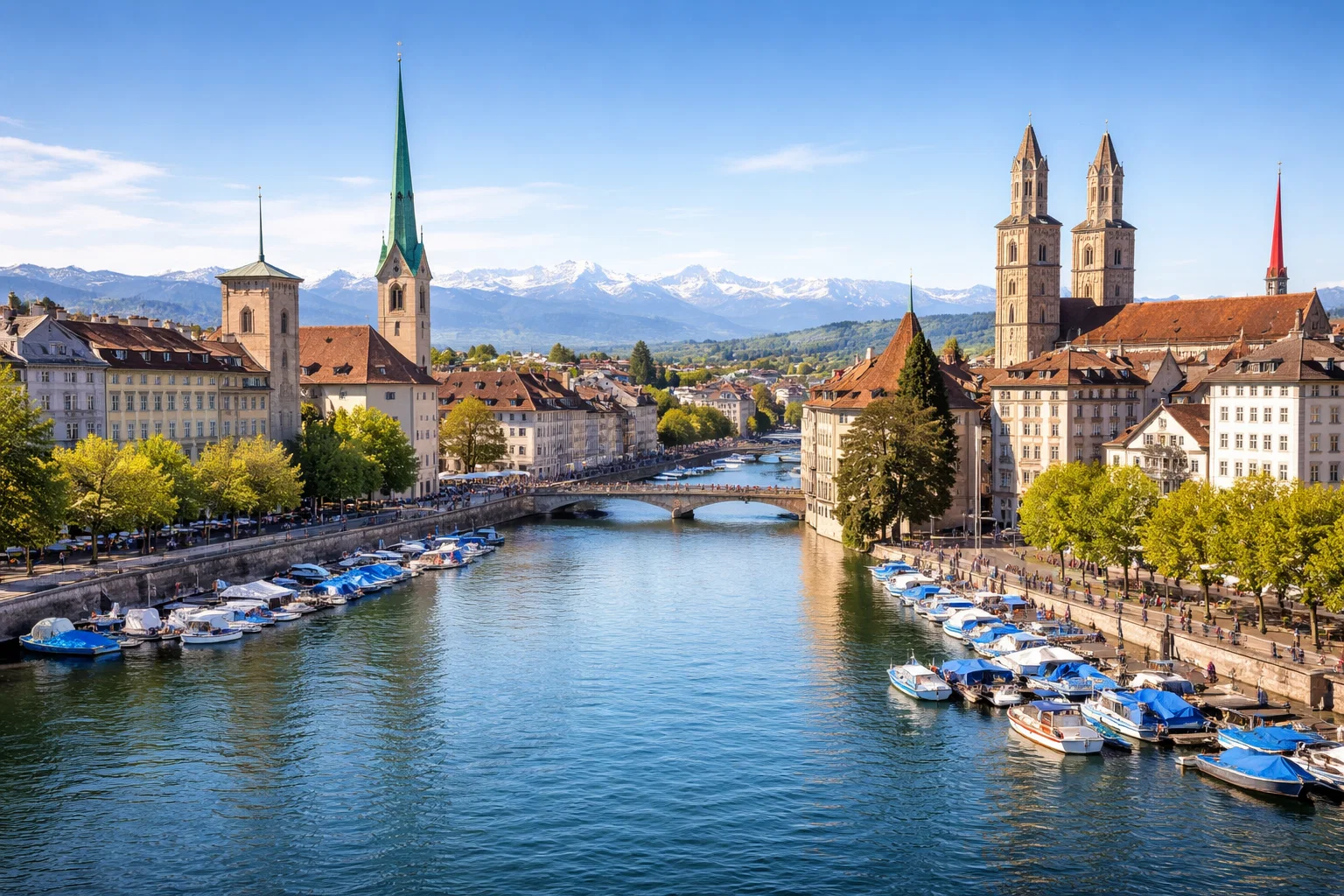
1. Zurich, Switzerland — A Global Icon of Clean Living
Zurich consistently ranks as one of the world’s cleanest due to its effective environmental policies and dedication to sustainable practices. It is a beacon of sustainability among cities around the world.
Why Zurich Leads the Cleanliness Index
Zurich leads due to its holistic approach to cleanliness, combining sustainable practices with strong environmental policies. This makes Zurich one of the cleanest cities in the world.
Eco-Friendly Transportation & Energy Systems
Zurich’s commitment to clean transportation is evident in its public transportation and renewable energy systems. These systems are sustainable and help to reduce emission levels significantly.
How Residents Help Maintain the City’s Clean Image
Residents actively maintain Zurich’s clean image through environmental awareness and participation in recycling programs. This collective dedication to sustainable living contributes to Zurich’s cleanliness.
Best Times to Visit & Clean Travel Tips
The best times to visit Zurich are during the spring and fall for pleasant weather. Support local green initiatives by using public transport and respecting local environmental policies as a tourist.
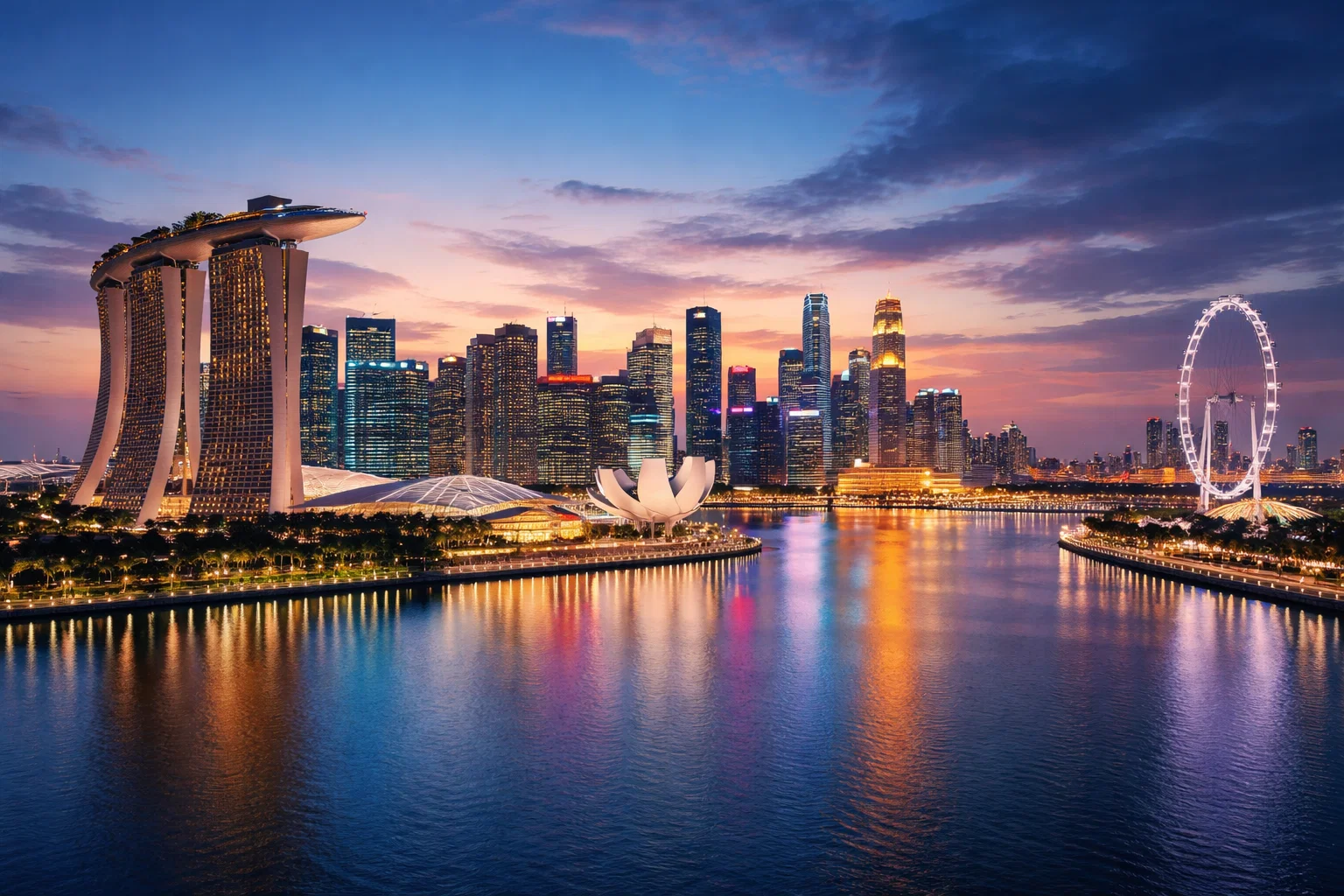
2. Singapore — “The Garden City” Setting Global Standards
Singapore, known as “The Garden City”, sets global standards for urban cleanliness with its innovative green initiatives and strict environmental policies that help achieve a sustainable future.
Strict Cleanliness Laws & Public Behavior Codes
Singapore enforces strict cleanliness laws and public behavior codes, ensuring litter is minimal and promoting environmental awareness. These are key to maintaining its status as one of the world’s cleanest.
Innovative Waste-to-Energy Programs
Singapore’s innovative waste management includes cutting-edge waste-to-energy programs, reducing landfill waste and generating clean energy. This is a key aspect of its sustainability efforts and goals to become the cleanest city.
Urban Greenery: From Vertical Gardens to Eco Parks
Singapore boasts lush urban greenery, from vertical gardens to eco-parks, enhancing its air quality and quality of life. These extensive green spaces are vital in creating a sustainable urban environment.
3. Copenhagen, Denmark — Sustainable, Bike-Friendly, and Pollution-Free
Copenhagen, Denmark is sustainable, bike-friendly, and nearly pollution-free, showcasing a strong commitment to sustainability and environmental awareness. It is frequently called one of the cleanest cities in Europe and the world.
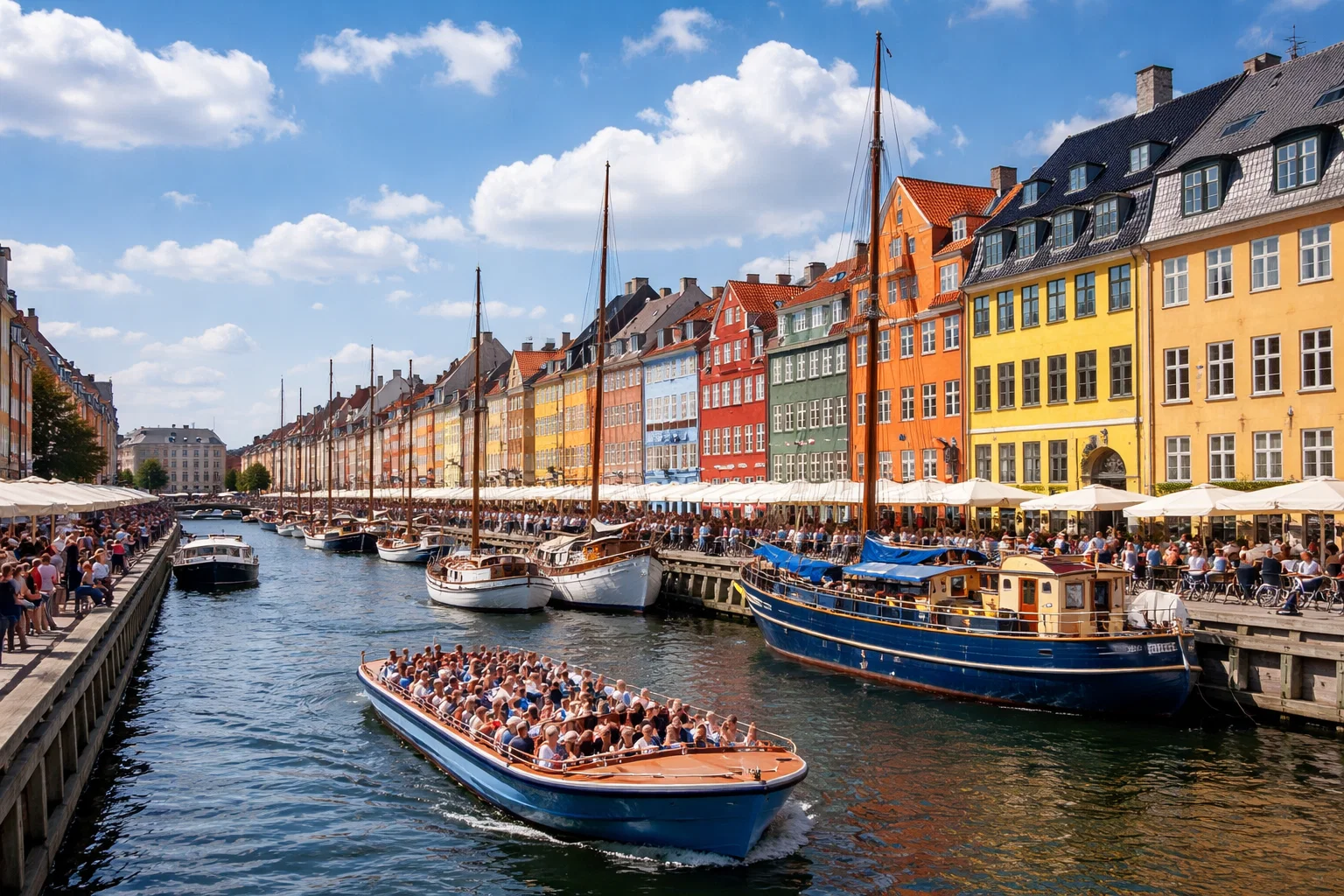
How Cycling Keeps Copenhagen Clean
Cycling is a way of life in Copenhagen, significantly reducing emissions and traffic congestion, making the city cleaner. This clean transportation method is vital to Copenhagen‘s sustainability and keeping cities worldwide more ecologically sound.
Renewable Energy & Clean Water Systems
Copenhagen invests heavily in renewable energy and clean water systems. These investments ensure sustainable resources and minimize environmental performance impact for cities worldwide.
Community-Driven Environmental Culture
Copenhagen‘s cleanliness is maintained through a community-driven environmental culture, where residents actively participate in keeping their city clean and green, reducing litter and promoting cleanliness for cities worldwide.
4. Helsinki, Finland — Modern, Minimalist, and Naturally Clean
Helsinki, Finland, is known for its modern, minimalist design and natural cleanliness, making it one of the cleanest cities in the world. The city’s commitment to sustainability and environmental awareness is evident throughout.
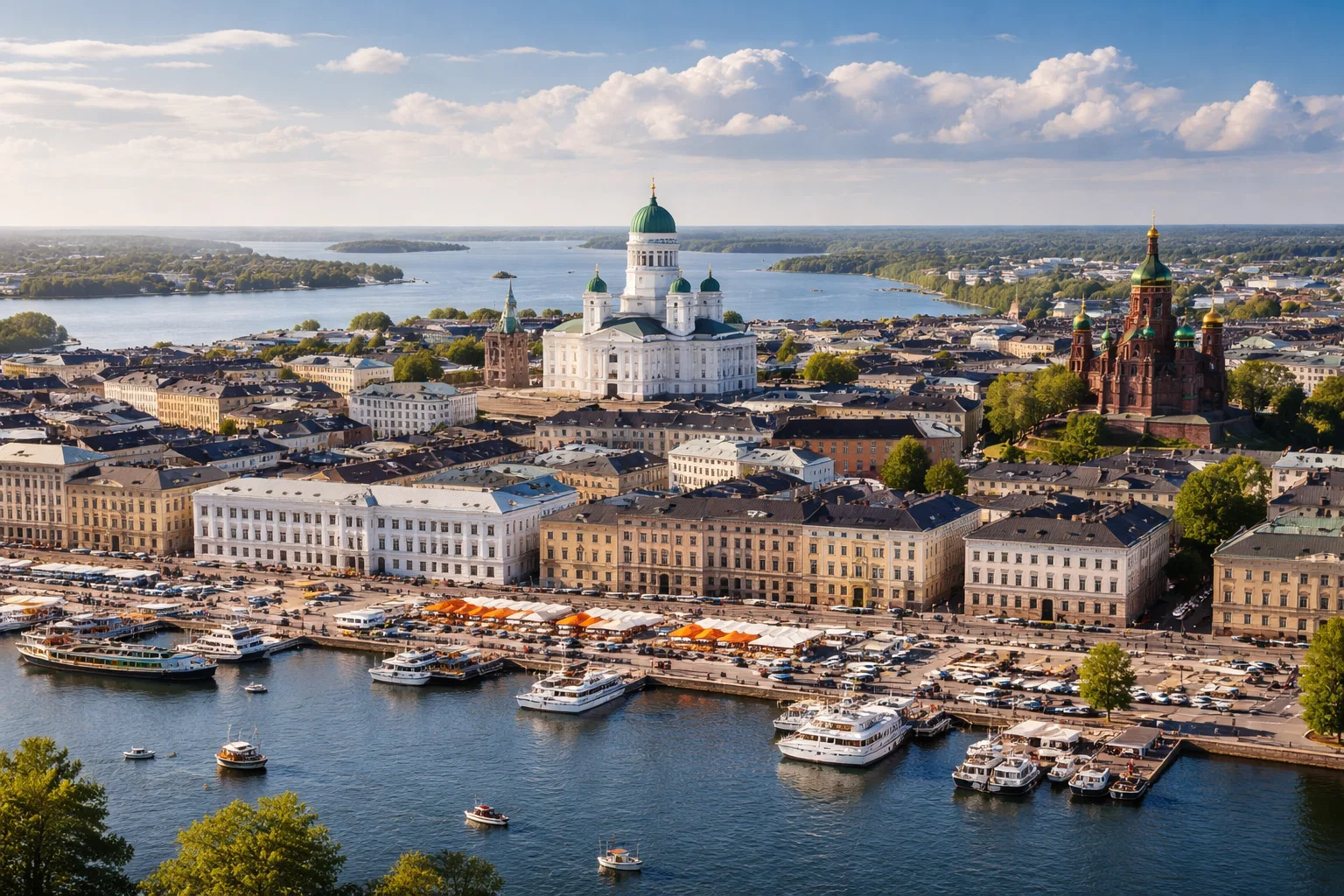
Efficient Public Transport & Low Carbon Emissions
Helsinki boasts an efficient public transportation system that contributes to low emissions, helping to maintain its clean air. This clean transportation initiative is vital for keeping Helsinki one of the cleanest cities.
Finland’s Environmental Education Culture
Finland fosters a strong environmental education culture, instilling a sense of responsibility in its citizens to maintain cleanliness and sustainability. This dedication to sustainable living contributes to the city’s cleanliness.
Green Tech and Smart City Solutions
Helsinki embraces green initiatives, tech, and smart city solutions to further enhance its sustainability and environmental performance. These innovations help Helsinki remain one of the cleanest cities in the world.
5. Vienna, Austria — Clean Parks, Clean Streets, Clean Living
Vienna, Austria, offers clean parks, clean streets, and a generally clean living environment. This green city balances urban life with nature and sustainability for cities worldwide.
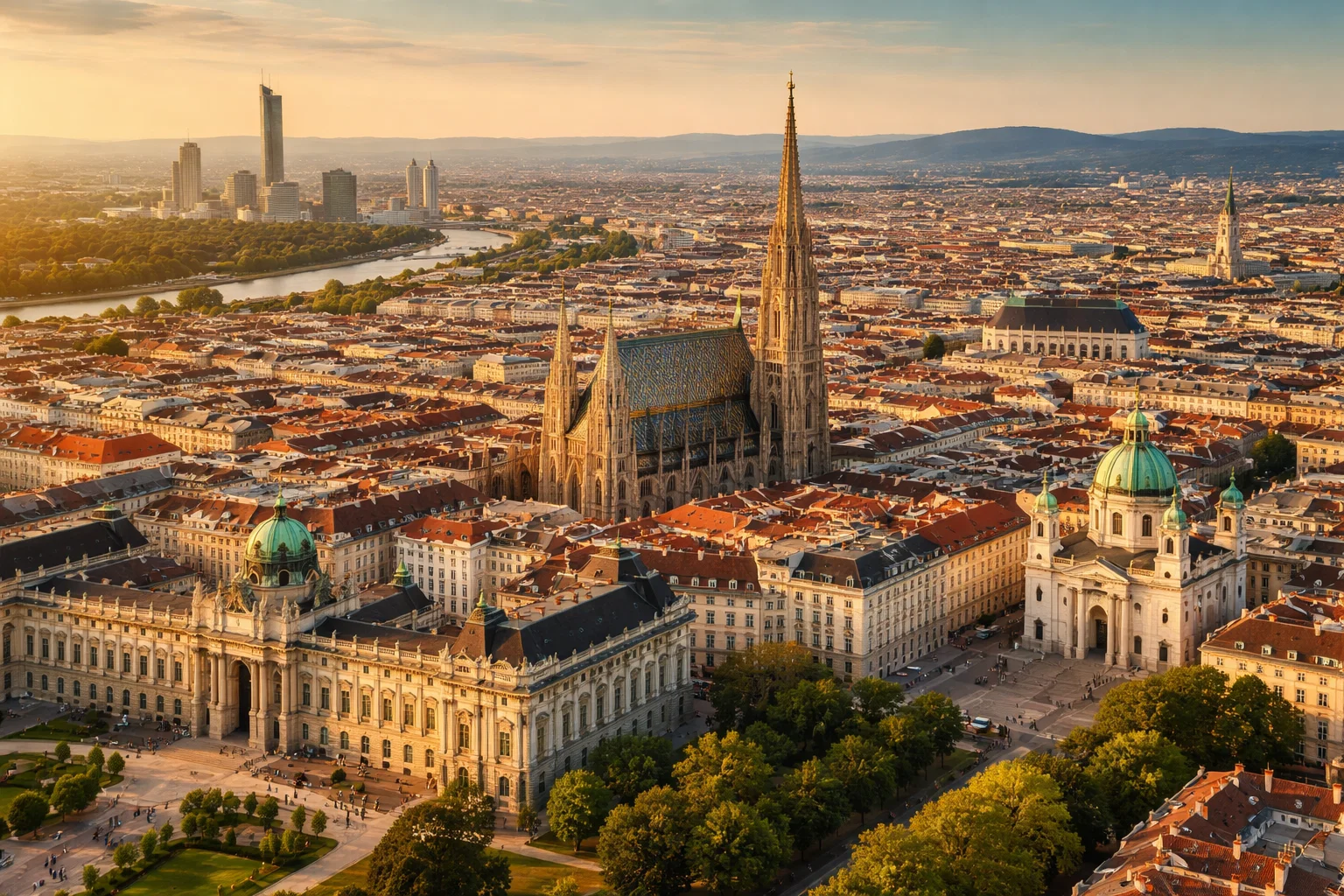
Waste Sorting Systems That Lead Europe
Vienna’s waste management and sorting systems are among the best in Europe, promoting recycling and reducing waste. These sustainable practices are vital to Vienna’s cleanliness and maintaining its place in the world.
How Vienna Balances Urban Life With Nature
Vienna effectively balances urban environment life with nature, ensuring ample green space and clean air for its residents. This harmonious blend enhances quality of life and sustainability.
Why Vienna Always Scores High on Quality-of-Life Rankings
Vienna consistently scores high on quality of life rankings due to its cleanliness, efficient public transport, and sustainable practices. This makes it one of the cleanest cities in the world.
6. Wellington, New Zealand — Clean Air Meets Coastal Beauty
Wellington, New Zealand, stands out with its clean air and coastal beauty, blending urban living with pristine natural surroundings. This helps Wellington be one of the cleanest cities.
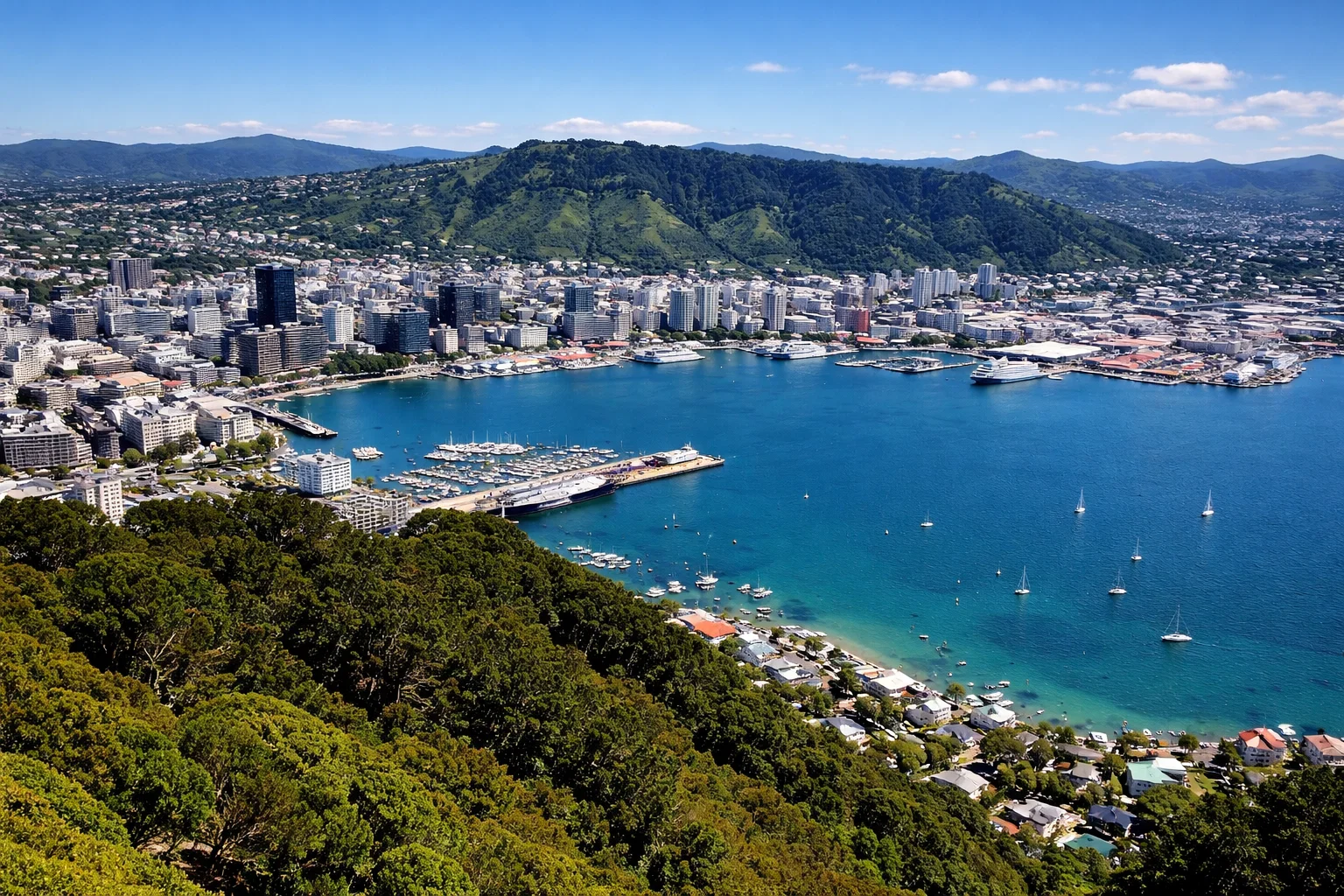
Ocean Protection & Waste Standards
Wellington emphasizes ocean protection and high waste management standards, safeguarding its coastal environment and promoting sustainability. These efforts preserve the natural beauty and cleanliness of the city, making it one of the cleanest cities.
Low Industrial Pollution & Fresh Air Quality
Wellington benefits from low industrial pollution and fresh air quality, contributing to a healthy and sustainable urban environment. These features make Wellington one of the cleanest cities in the world.
Best Eco-Friendly Activities for Travelers
Travelers in Wellington can enjoy various eco-friendly activities, such as hiking, kayaking, and exploring nature reserves, all while supporting green initiatives. This helps promote environmental awareness for cities worldwide.
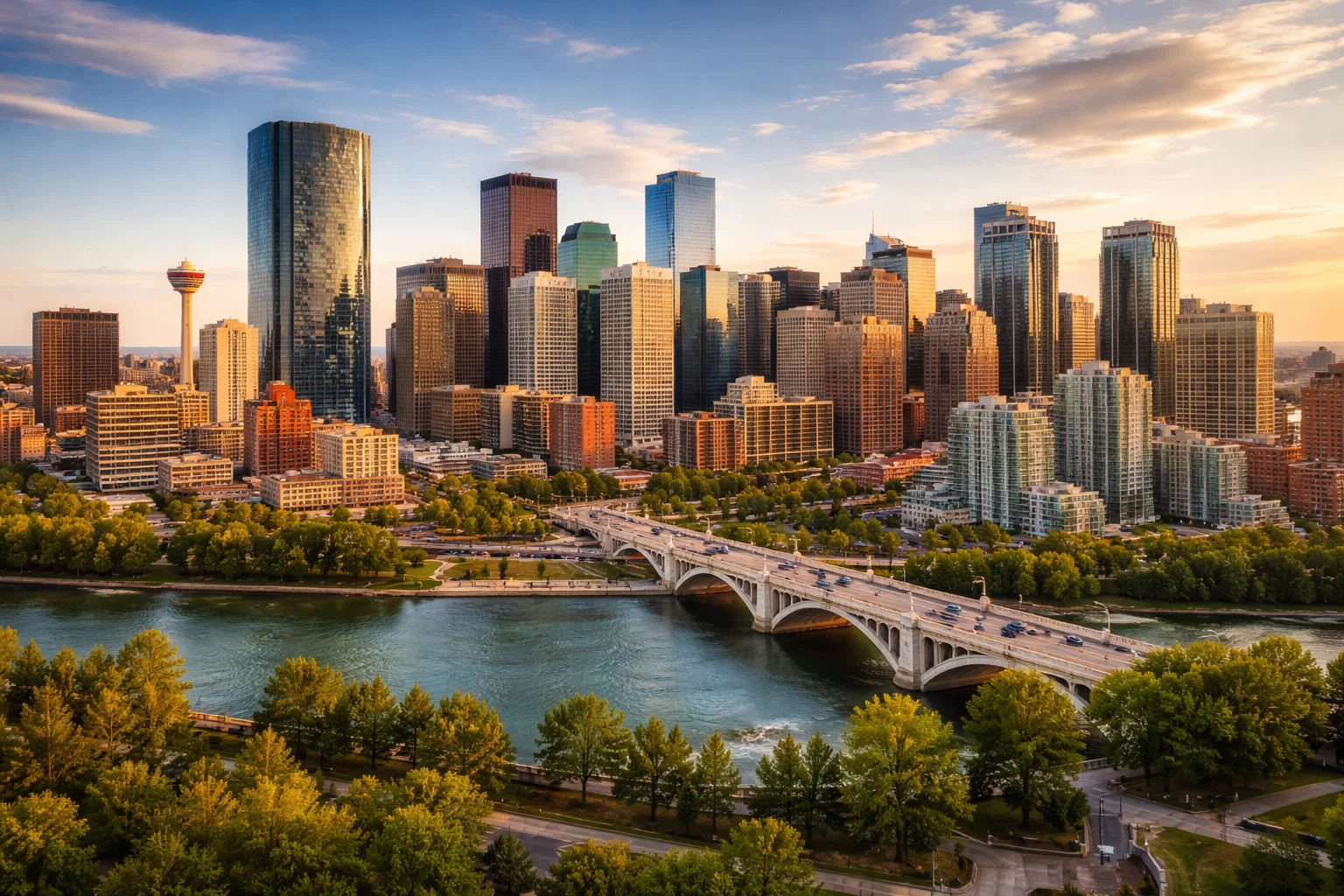
7. Calgary, Canada — North America’s Cleanest Metropolitan City
Calgary, Canada, often recognized as North America’s cleanest metropolitan city, boasts impressive environmental policies and sustainable practices. It truly is a clean city.
Clean Water Management & Recycling Programs
Calgary excels in clean water management and recycling programs, ensuring the responsible use of resources and reducing waste. These efforts are integral to Calgary‘s cleanliness and sustainability initiatives.
City Planning That Reduces Pollution
Calgary implements strategic urban planning to reduce pollution, focusing on clean transportation and green space development. This dedication to sustainable urban design contributes to the city’s sustainability.
How Calgary Maintains Cleanliness in a Large Urban Area
Calgary maintains cleanliness through comprehensive environmental policies and community involvement, despite being a large urban environment. This holistic approach keeps Calgary one of the cleanest cities in the world.
8. Adelaide, Australia — Leading the Green Energy Revolution
Adelaide, Australia, leads the green energy revolution, pioneering sustainable practices and environmental initiatives. The city promotes sustainability for cities worldwide.

Why Adelaide’s Recycling System Is Among the Best
Adelaide’s recycling system is among the best due to its efficiency and widespread participation, minimizing waste and promoting sustainability. The system truly puts Adelaide on the map as one of the cleanest cities.
Clean Beaches and Protected Natural Areas
Adelaide features clean beaches and protected natural areas, preserving its coastal beauty and biodiversity. These natural assets contribute to the city’s quality of life and environmental performance, keeping Adelaide one of the cleanest cities.
Solar Power & Renewable Energy Leadership
Adelaide is a leader in solar power and renewable energy, significantly reducing emissions and enhancing its sustainability. The city hopes to become the cleanest city through this green initiative.
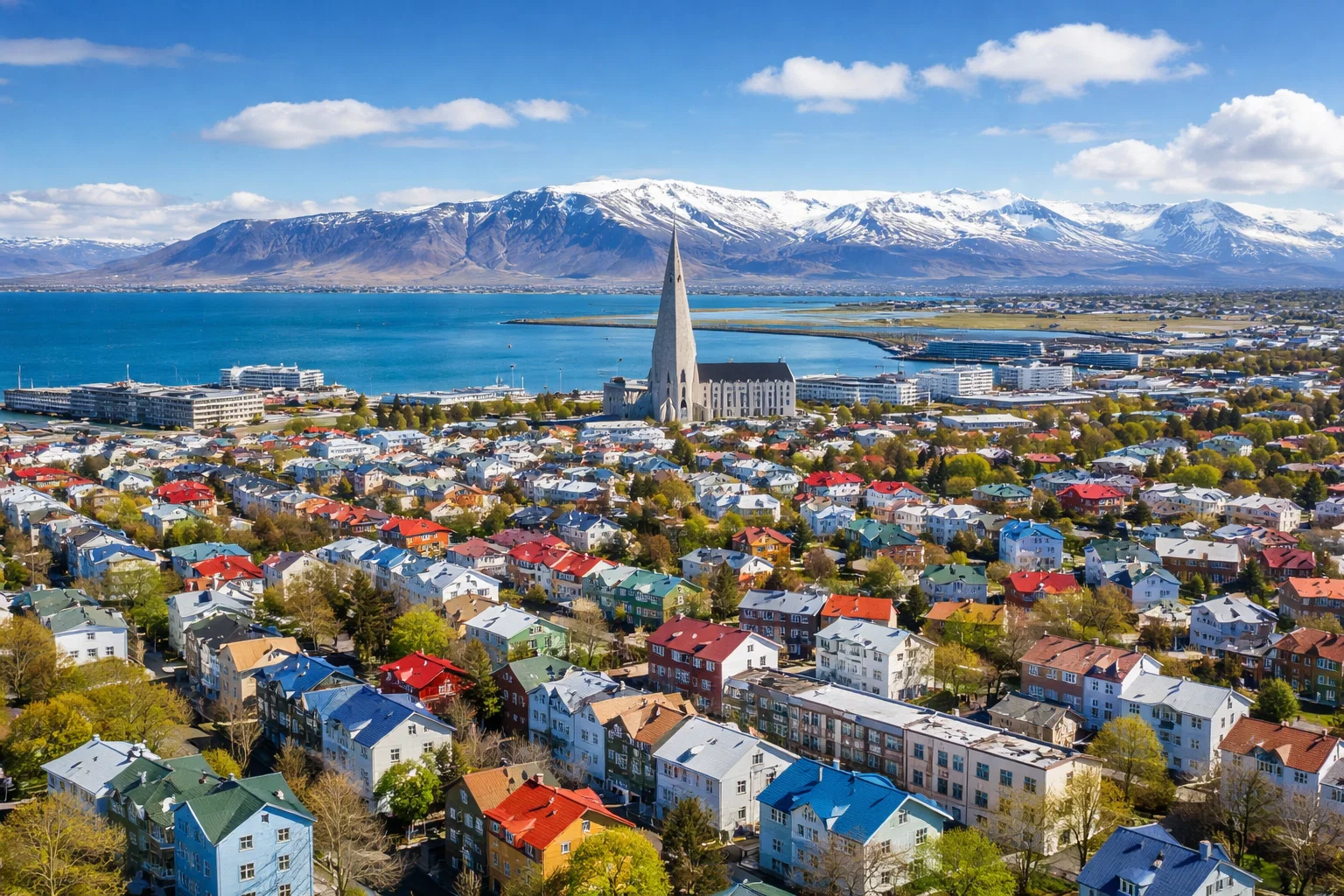
9. Reykjavik, Iceland — The World’s Purest Air
Reykjavik, Iceland, boasts the world’s cleanest air, making it a standout among the cleanest cities in the world. This city is a shining example of how sustainable practices and innovative energy solutions can create a clean and sustainable urban environment.
Geothermal Energy: The Secret to Clean Living
Reykjavik’s secret to clean living lies in its extensive use of geothermal energy, which provides a renewable energy source for heating and electricity. This drastically reduces emissions and enhances the city’s cleanliness, making it one of the cleanest cities.
Zero-Emissions Policies & Eco Tourism
The city implements zero-emission policies and promotes eco-tourism, attracting visitors who value environmental awareness. This commitment to sustainability and responsible travel helps Reykjavik maintain its status as one of the world’s cleanest cities.
Why Reykjavik Is a Model for Future Cities
Reykjavik serves as a model for future cities worldwide by demonstrating how a city can thrive on renewable energy while maintaining exceptional air quality. Its approach to sustainability makes it a leading clean city.
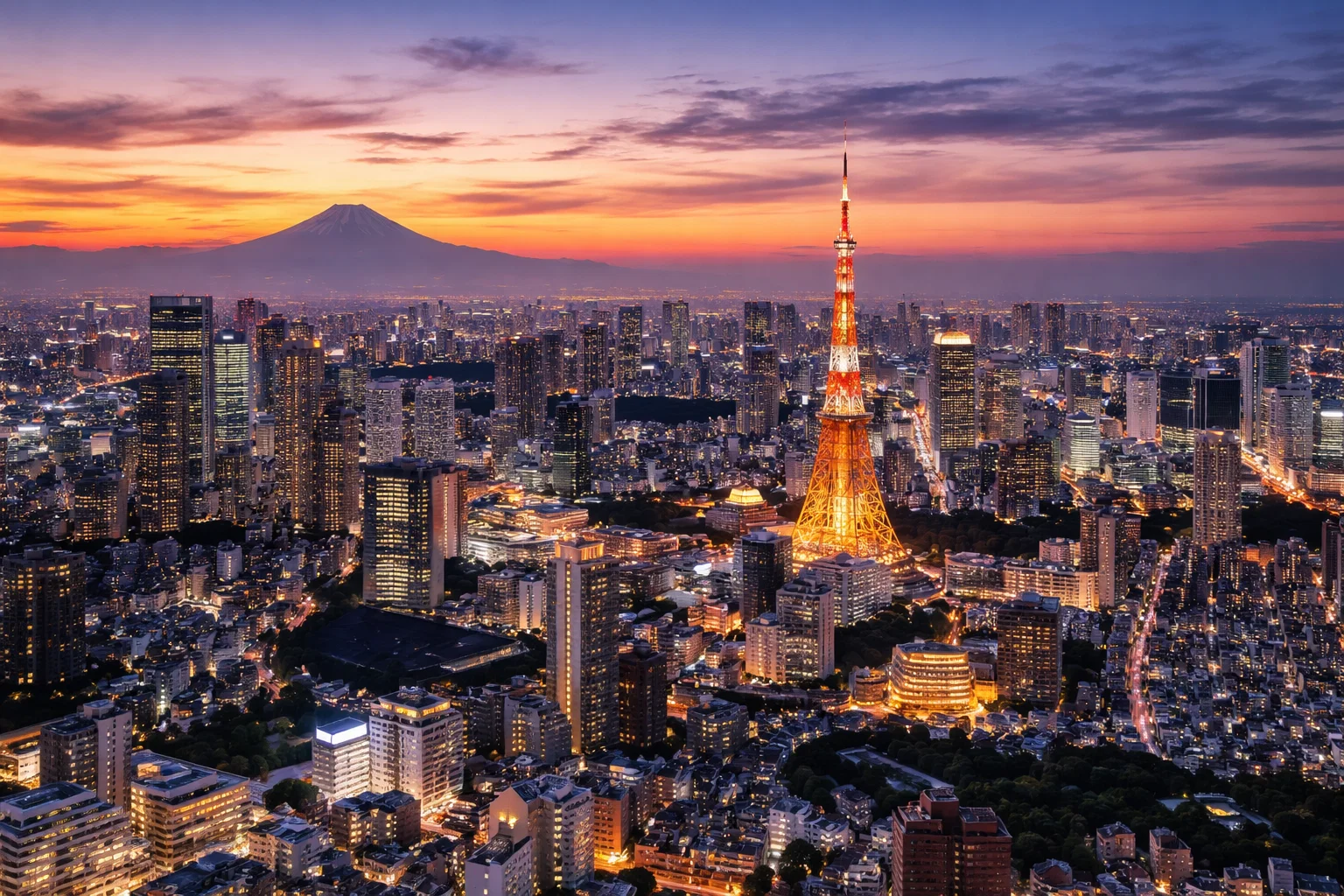
10. Tokyo, Japan — A Mega-City With Remarkable Cleanliness
Tokyo, Japan, despite being a densely populated city, exhibits remarkable cleanliness, a testament to its cultural values and advanced waste management systems. Tokyo redefines what it means to be one of the cleanest cities.
Japanese Cleanliness Culture (Respect, Responsibility, Order)
Japanese culture emphasizes respect, responsibility, and order, which translates into a societal commitment to cleanliness. This cultural mindset helps keep Tokyo one of the cleanest cities in the world, despite its large population.
High-Tech Waste Sorting & Recycling
Tokyo employs high-tech waste sorting and recycling systems, ensuring efficient waste management and minimizing landfill waste. These sustainable practices are crucial to maintaining Tokyo’s cleanliness as one of the world’s cleanest cities.
Public Transport That Reduces Carbon Footprint
Tokyo’s efficient public transportation system reduces its carbon footprint, contributing to cleaner air quality and a more sustainable urban environment. This initiative supports Tokyo’s efforts to remain one of the cleanest cities.
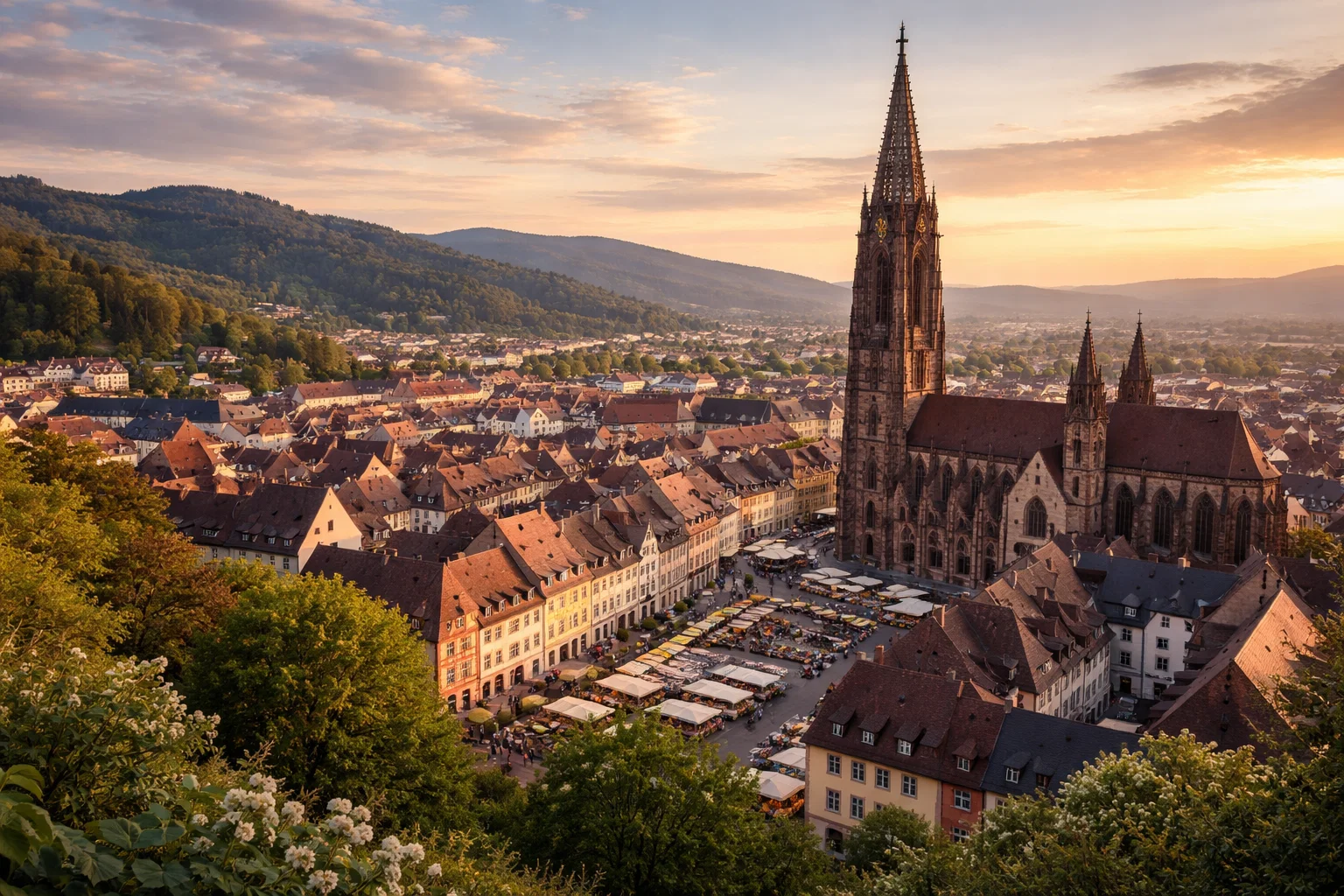
11. Freiburg, Germany — Europe’s Eco City of the Future
Freiburg, Germany, is recognized as Europe’s eco city of the future, showcasing innovative sustainable practices and a strong community commitment to environmental awareness. Freiburg works hard to become the cleanest city in Europe.
Car-Free Zones & Solar Neighborhoods
Freiburg boasts car-free zones and solar neighborhoods, promoting clean transportation and renewable energy sources throughout the city. This enhances air quality and reinforces Freiburg’s commitment to sustainability.
Urban Forests and Biodiversity Protection
The city prioritizes urban environment forests and biodiversity protection, maintaining extensive green spaces and promoting a healthy ecosystem. These efforts contribute to Freiburg’s reputation as one of the cleanest cities.
Community Participation in Keeping the City Clean
Community participation is key in maintaining Freiburg’s cleanliness, with residents actively involved in recycling programs and green initiatives. This collaborative approach ensures Freiburg remains a clean and sustainable city.
12. Osaka, Japan — Surprisingly Clean and Efficient for a Large City
Osaka, Japan, stands out as surprisingly clean and efficient for a largest cities, thanks to its advanced waste management systems and community-driven cleanliness efforts. The city hopes to become the cleanest city.

Waste Management Innovations & Clean Street Culture
Osaka implements waste management innovations and promotes a clean street culture, fostering a sense of responsibility among its residents to maintain cleanliness. This innovative approach helps keep Osaka one of the cleanest cities.
Public Transportation & Reduced Emissions
The city’s efficient public transportation system helps reduce emissions, contributing to cleaner air quality and a more sustainable urban environment. This initiative makes Osaka one of the cleanest cities.
What Makes Osaka Stand Out Among Asian Cities
Osaka distinguishes itself among Asian cities worldwide through its blend of advanced technology, cultural values, and community involvement in maintaining cleanliness. This holistic approach helps Osaka remain one of the cleanest cities.
Conclusion: The Future of Clean Cities and Global Environmental Trends
The future of clean cities hinges on global environmental trends, technological advancements, and policy changes that prioritize sustainability. As more cities around the world embrace green initiatives, the vision of cleaner, healthier urban centers becomes increasingly attainable, which promotes environmental awareness for cities worldwide.