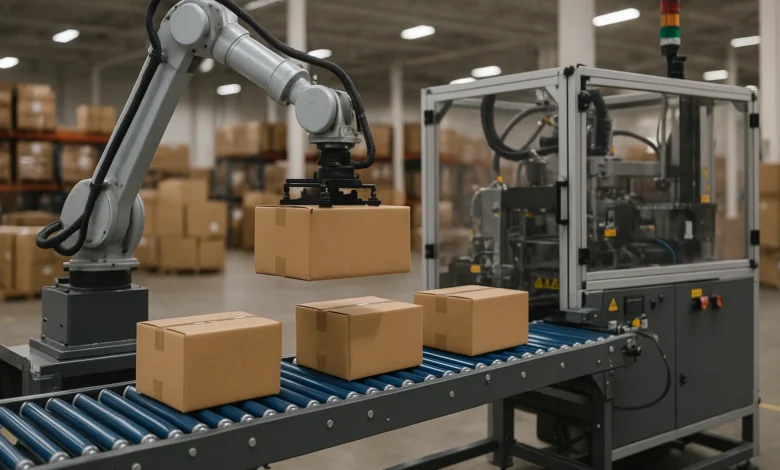
As companies scale their production and distribution demands, one of the most important decisions they face is determining when to move from manual or semi-manual processes to automated ones. Packaging, in particular, is an area where efficiency gaps quickly become noticeable as output increases. Packaging automation systems offer a path toward greater consistency, productivity, and long-term savings—but understanding the return on investment (ROI) is essential before making that transition.
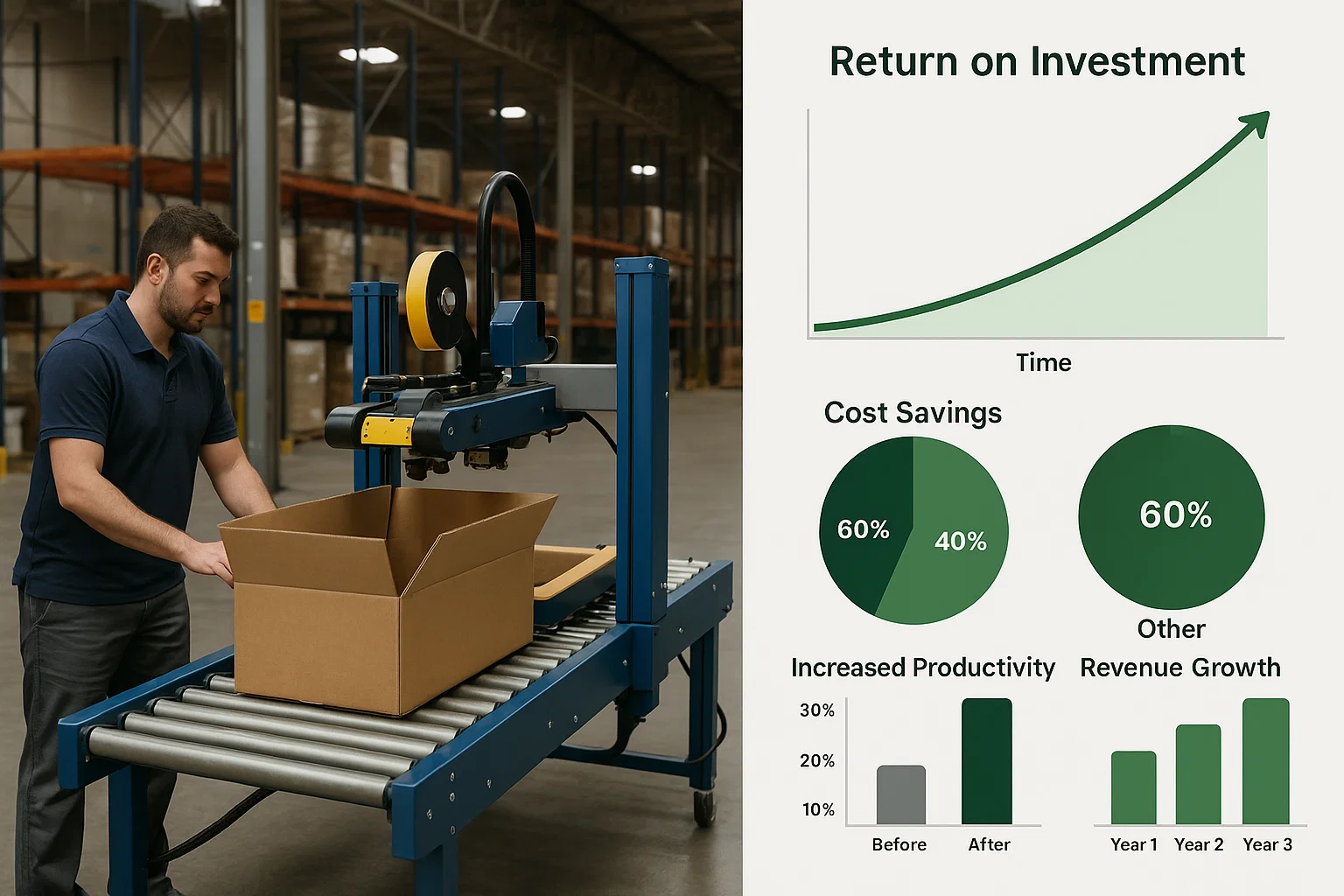
Reducing Labor Costs and Reallocating Workforce
One of the most immediate and measurable sources of ROI comes from reduced manual labor requirements. Packaging is often labor-intensive, requiring workers to assemble boxes, seal products, apply labels, sort items, or palletize shipments.

As demand grows, so does the need for more hands on the line. Packaging automation systems perform these tasks more efficiently while reducing the strain on workers.
Instead of replacing employees entirely, many companies reassign team members to higher-value tasks—such as quality control, inventory management, or equipment oversight. This shift often improves morale and productivity while reducing the long-term costs of hiring, training, and turnover.
Improving Output and Throughput
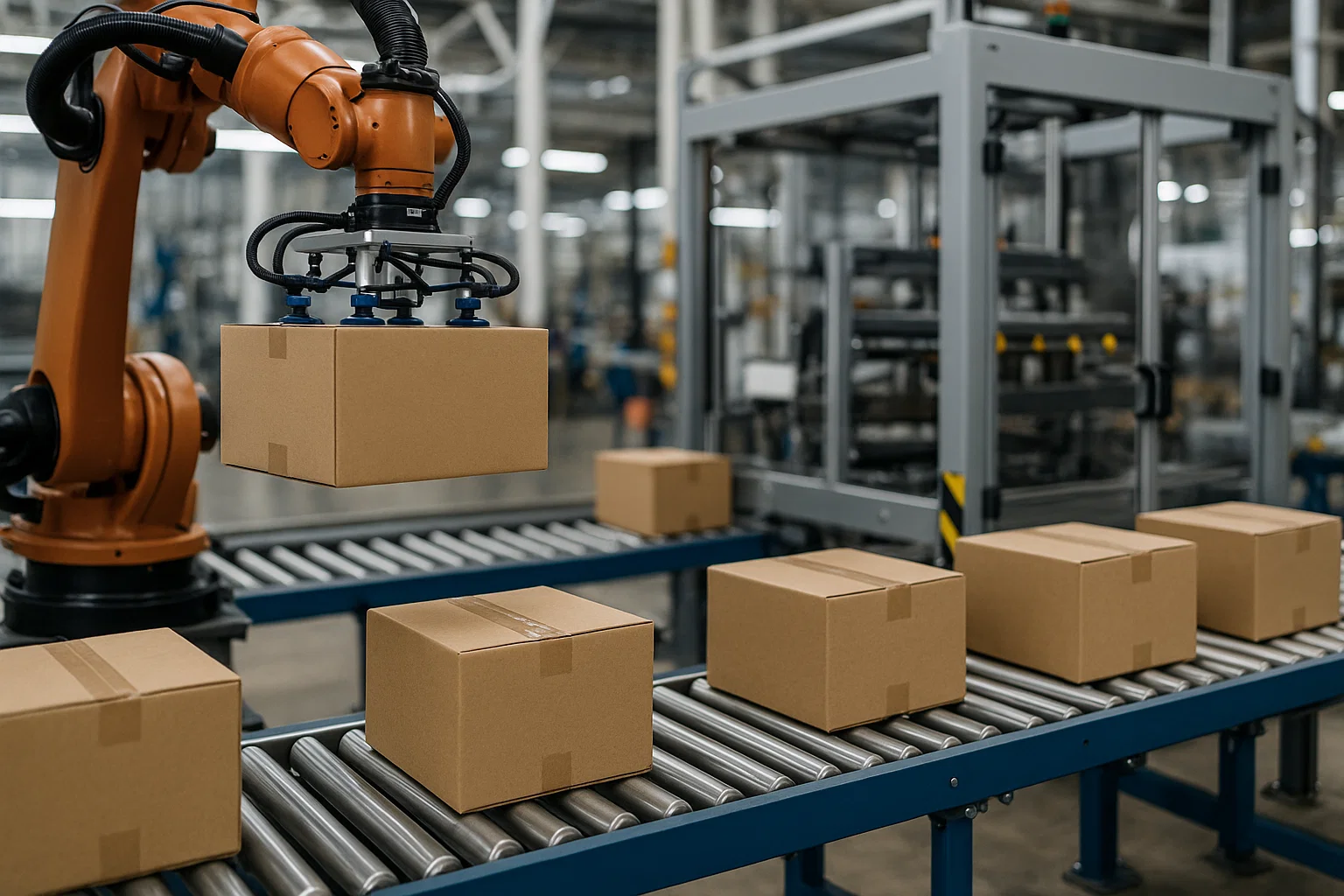
Growing companies frequently struggle with bottlenecks in the packaging phase of production. When goods are manufactured faster than they can be packaged, overall output slows down. Automation systems can help maintain a steady, predictable flow by performing repetitive tasks at a consistent speed.
For businesses that face seasonal spikes or rapid expansion, automated packaging allows them to increase throughput without dramatically increasing overhead. This added capacity is one of the strongest contributors to improved ROI, especially for industries with high order volumes or tight delivery timelines.
Boosting Consistency and Reducing Errors
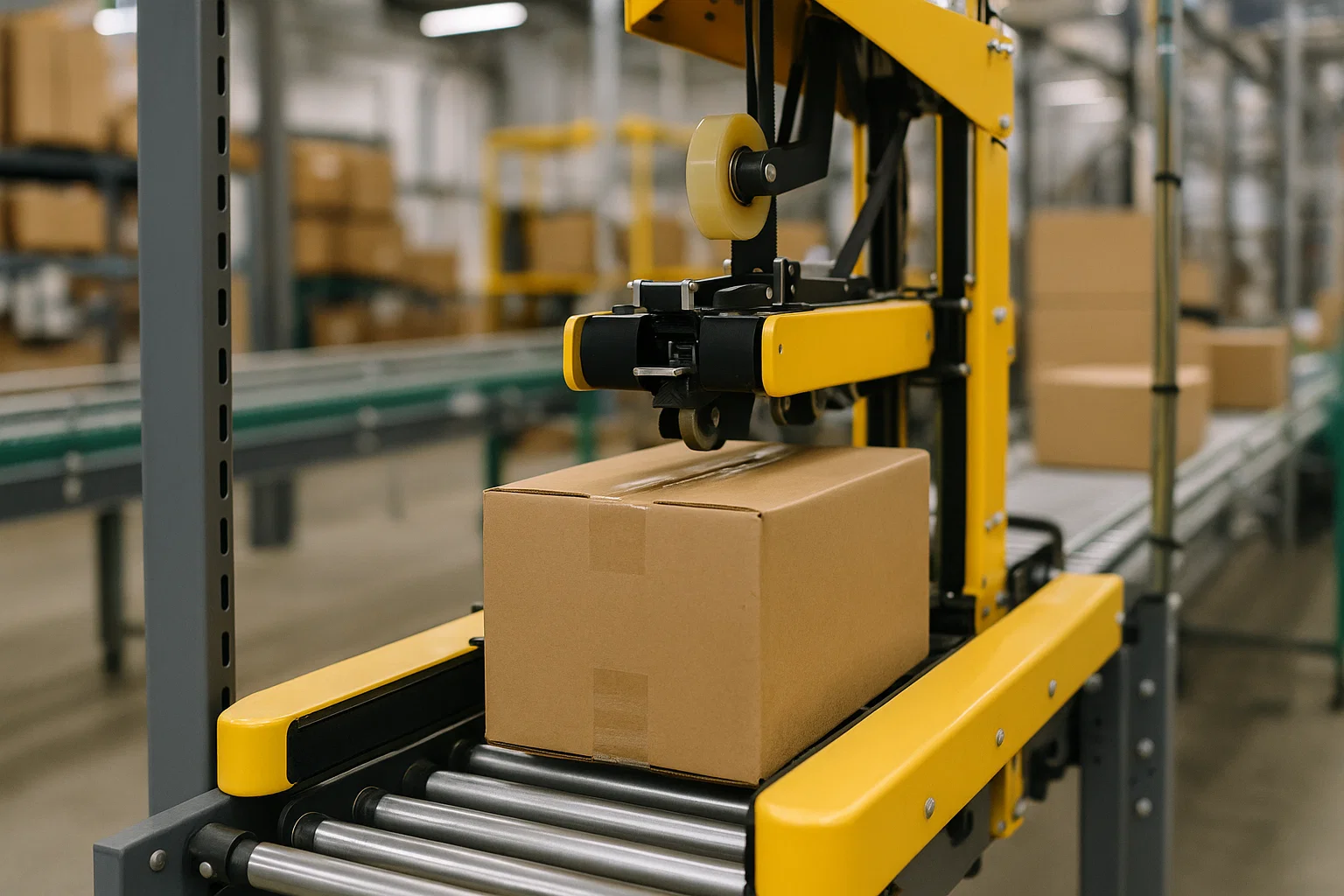
Human error is unavoidable in manual packaging. Mislabeling, malformed packages, incorrect product counts, and inconsistent seals can lead to customer dissatisfaction or product returns. Packaging automation systems significantly reduce these risks by ensuring that each step follows the same process every time.
Improved accuracy leads to fewer damaged goods, fewer compliance issues, and more reliable quality control. Over time, these benefits translate into measurable cost savings and improved brand reputation.
Minimizing Material Waste
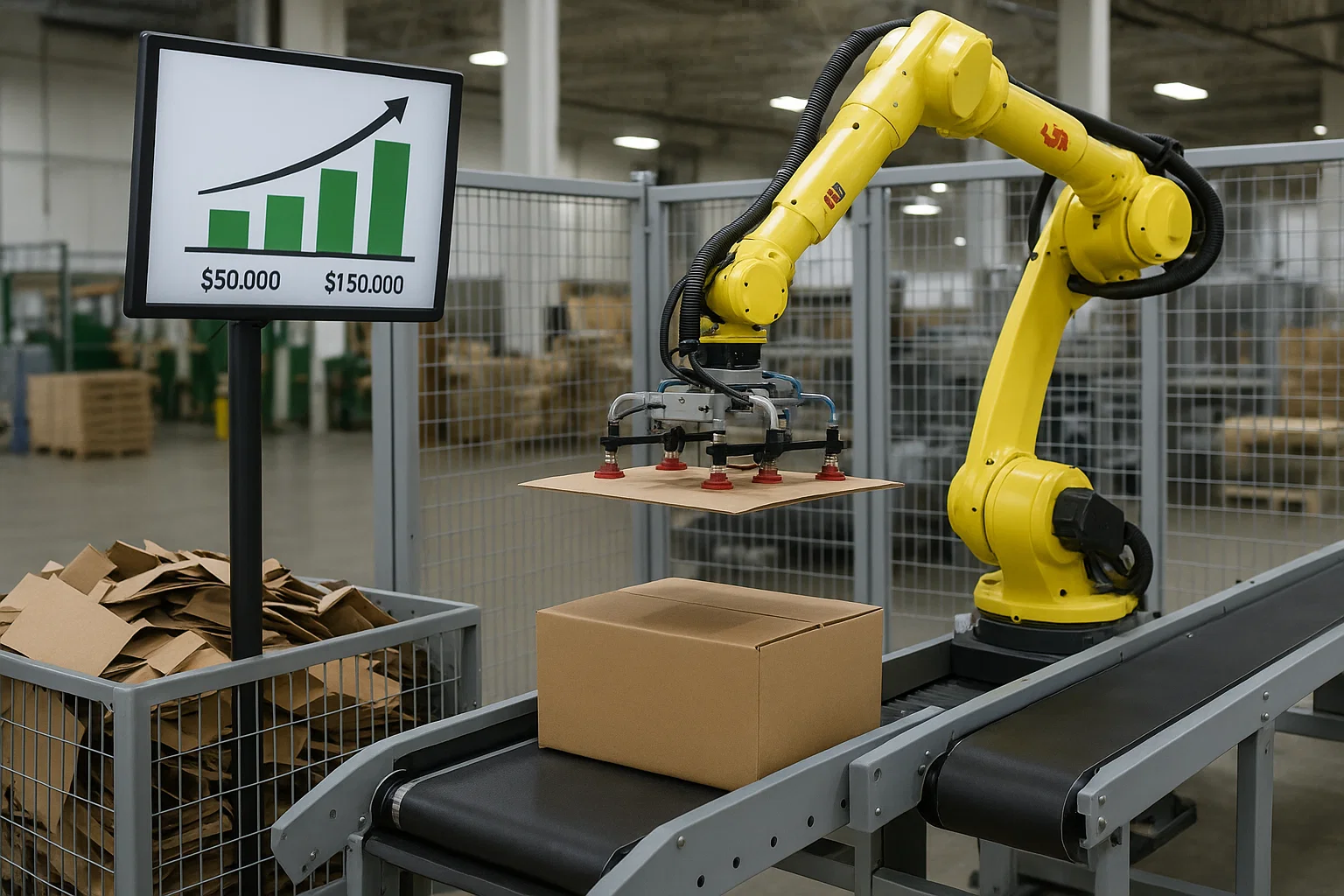
Packaging mistakes often result in wasted boxes, tape, shrink film, labels, or inserts. Automation helps optimize material usage—machines can apply precise amounts of adhesive, create uniform folds, or dispense film with minimal excess. This precision lowers material costs, benefiting both the company’s bottom line and its sustainability goals.
Additionally, many automation systems include data-driven features that track usage patterns and identify inefficiencies, helping companies fine-tune their processes even further.
Enhancing Scalability and Long-Term Flexibility
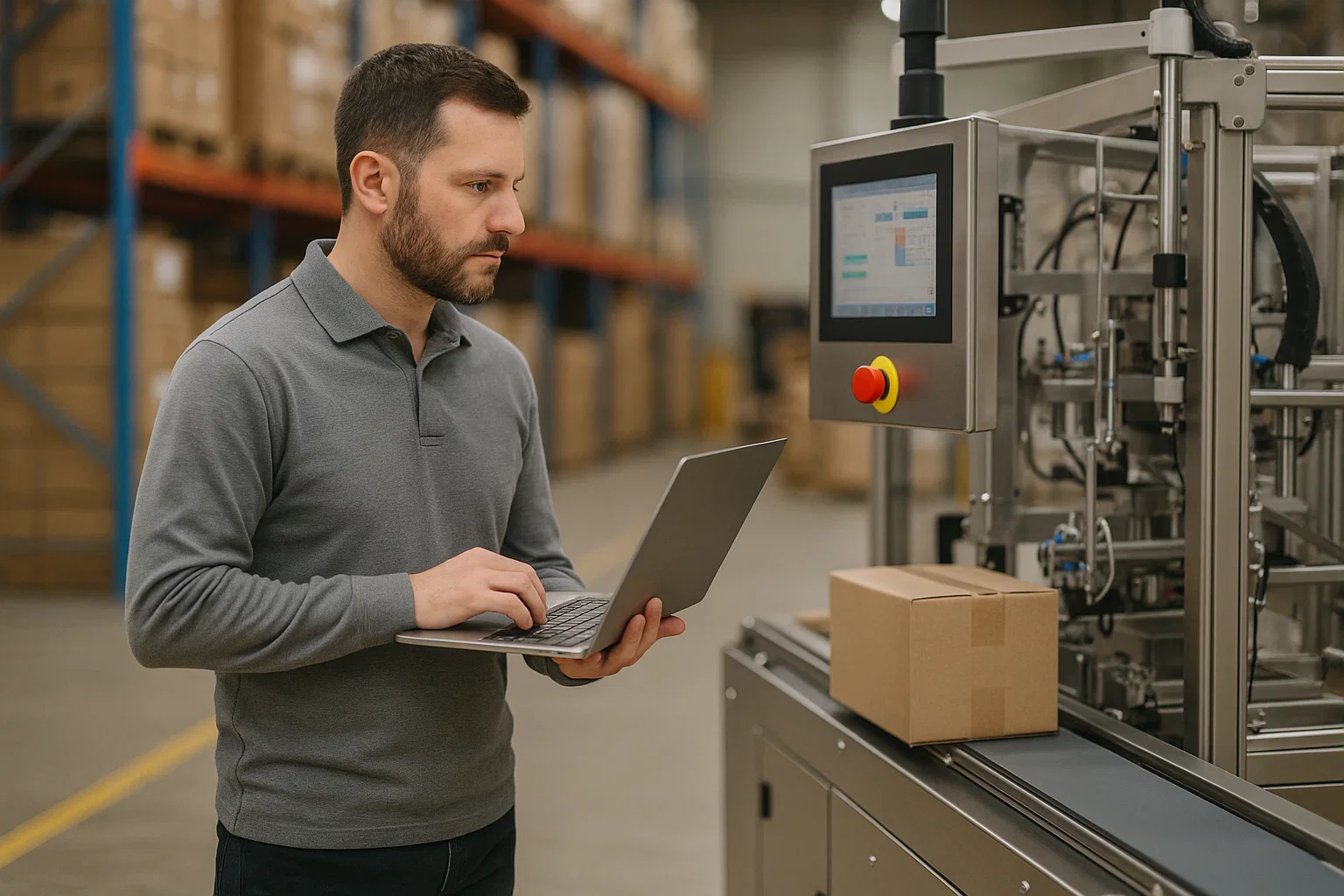
Although packaging automation systems require an initial investment, they provide long-term scalability that can support growth for years. Companies can integrate additional modules, adapt to new product lines, or modify machine settings as their needs evolve. This flexibility reduces the risk of outgrowing equipment too quickly and helps justify the upfront cost.
In many cases, the cost of not automating—such as lost sales, production delays, or inefficient processes—can outweigh the investment required to adopt automation.
Strengthening Data Insights and Operational Visibility

Modern automation systems often include built-in monitoring tools that track performance, downtime, material usage, and other key metrics. These insights help companies make informed decisions, accurately forecast demand, and identify areas for improvement. Operational visibility further strengthens the ROI by enabling ongoing optimization rather than relying on guesswork.
Packaging automation systems offer a compelling return on investment for growing companies looking to improve efficiency, reduce waste, and prepare for future expansion. By understanding the financial and operational benefits, businesses can better evaluate when automation is the right move—and how it can support long-term success in an increasingly competitive marketplace.