The streaming landscape has undergone a remarkable transformation since the early days of flat-rate subscriptions.
What began as simple access to movies and TV shows for a fixed monthly fee has evolved into a highly competitive market where flexibility, personalization, and strategic pricing determine success.
As we move into 2026, streaming platforms are no longer just content providers—they are experience curators, and subscription models are at the heart of this evolution.

How streaming has evolved from flat-rate subscriptions to flexible plans
Originally, platforms like Netflix, Hulu, and Amazon Prime offered single-tier, flat-rate subscriptions, giving all users uniform access to content libraries. While this approach simplified billing and attracted early adopters, it lacked adaptability for a market increasingly saturated with streaming options.
Today, platforms offer multi-tiered, ad-supported, bundled, and region-specific plans to cater to diverse user needs, demonstrating that flexibility is now a competitive necessity.

Why subscription models are critical for market survival
Subscription models are the backbone of revenue for streaming services. In 2026, with content production costs soaring and competition intensifying, platforms must innovate in pricing to retain existing subscribers, attract new audiences, and maximize profitability. Flexible subscriptions are no longer optional—they are essential tools for customer satisfaction, churn reduction, and long-term growth.
Overview of current trends shaping streaming platforms
Current trends include ad-supported tiers, tiered pricing structures, bundled services, AI-driven recommendations, and regional pricing strategies. These innovations reflect both consumer demand for personalization and the industry’s need to maintain revenue streams while navigating fierce competition.
The Rise of Flexible Subscription Models
Flexibility is the defining feature of the modern streaming experience. By offering varied options, platforms cater to different budgets, viewing preferences, and regional demands.
Ad-supported tiers: cheaper, more accessible, and profitable
Ad-supported plans have become mainstream. These lower-cost options make streaming accessible to a broader audience while providing advertisers with targeted opportunities. Revenue from ads can offset subscription discounts, allowing platforms to balance profitability with inclusivity.

Tiered pricing: premium, mid-range, and entry-level options
Tiered pricing structures allow consumers to choose the level of access and features they want. Premium plans often include ad-free viewing, higher resolution, and exclusive content, while mid-range and entry-level plans offer fewer perks at a reduced cost. This approach ensures that users feel they are paying for value appropriate to their needs.
Bundled subscriptions: combining multiple platforms or services
Bundling has emerged as a key strategy for subscriber acquisition and retention. Platforms partner with telecom companies, gaming services, and even other streaming providers to offer packages that increase perceived value and simplify access for users, creating a one-stop entertainment ecosystem.
Regional pricing strategies and localized offers
Global streaming platforms are increasingly tailoring prices to regional markets. Localized offers consider economic conditions, cultural preferences, and competitive landscapes, ensuring that subscriptions remain attractive and affordable without compromising revenue potential.
Why Flexibility Matters to Consumers
In an era of content saturation, flexibility has become the primary driver of consumer satisfaction and loyalty.
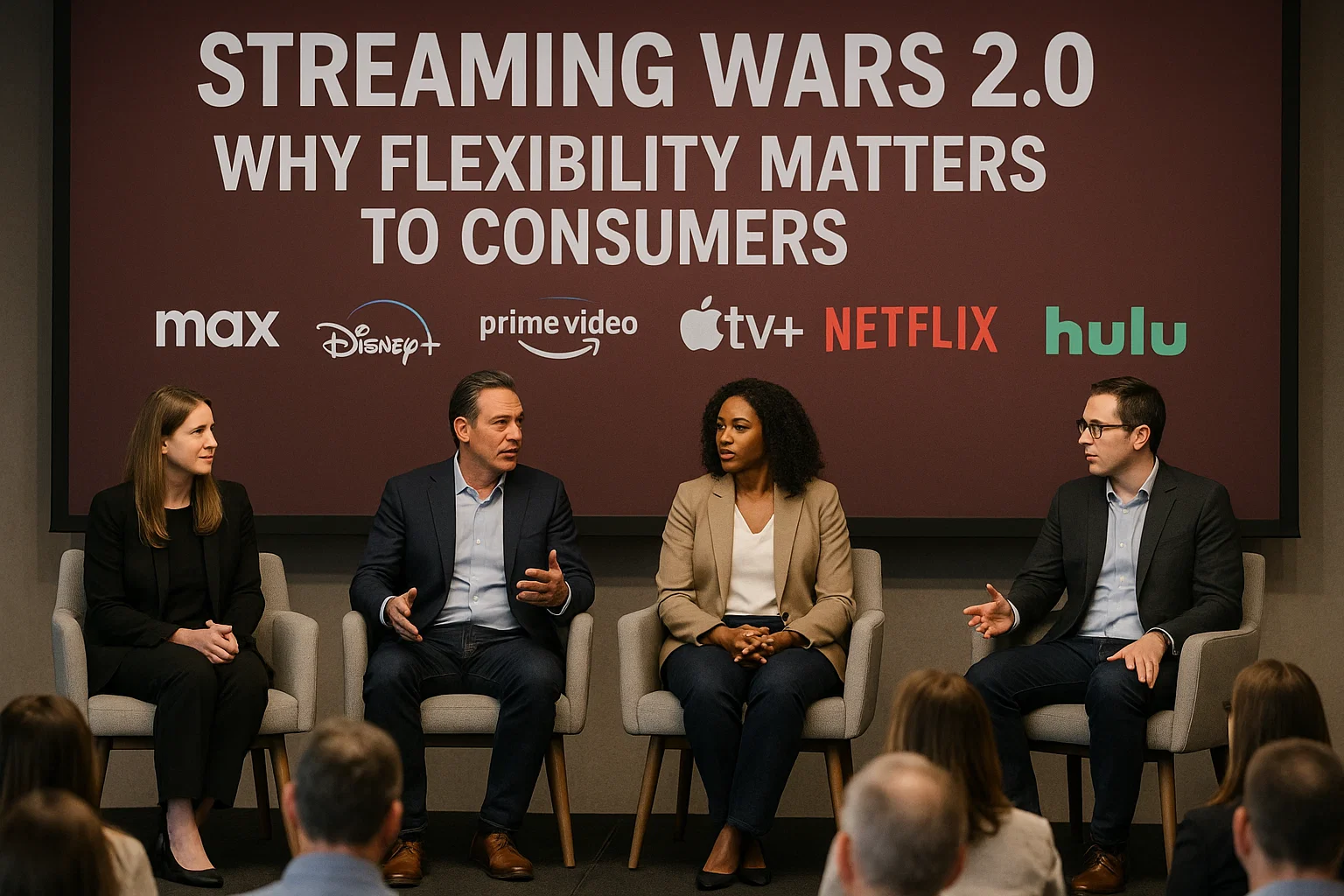
Combatting subscription fatigue and over-saturation
With multiple streaming services vying for attention, users often face subscription fatigue. Flexible plans help mitigate this by allowing consumers to pay only for what they want, avoiding overwhelming commitments while maintaining access to desired content.
Empowering choice: ad-free vs ad-supported, premium vs basic
Choice is at the heart of modern streaming. Consumers can select between ad-supported or ad-free experiences, premium or basic content, and even opt for bundles that meet their personal preferences. Empowering choice enhances satisfaction and fosters long-term loyalty.
How consumers perceive value in flexible plans
Flexibility allows users to align subscriptions with perceived value. Whether it’s access to exclusive shows, ad-free viewing, or bundled perks, consumers feel they are receiving tailored experiences rather than a one-size-fits-all service, increasing engagement and satisfaction.
Major Players Adapting to Flexible Models
Leading streaming platforms are quickly evolving their offerings to meet the demands of 2026.
Netflix: introducing ad-supported tiers and region-specific pricing
Netflix, once known for its single-tier subscription model, now offers ad-supported plans that expand access while generating revenue through targeted advertising. Regional pricing strategies further allow Netflix to remain competitive worldwide, adapting to diverse economic conditions and consumer expectations.
Disney+, Hulu, and Amazon Prime Video strategies
Disney+ leverages family-oriented content and bundling with Hulu and ESPN+ to attract households, while Amazon Prime integrates streaming with its broader ecosystem, including shopping and music. Hulu maintains competitive ad-supported options, and all three platforms continue to refine tiered pricing to capture different market segments.
Emerging streaming platforms offering innovative subscription plans
New entrants in the market, including niche services and independent platforms, are experimenting with highly flexible subscriptions. From pay-per-view events to micro-subscriptions for select genres, these innovations push traditional players to adopt more consumer-friendly models.
Case studies: Roku Howdy plan and other low-cost alternatives
Roku’s Howdy plan exemplifies how low-cost, ad-supported subscriptions can attract cost-conscious users while maintaining profitability. These offerings demonstrate that affordability and innovation are not mutually exclusive in today’s streaming landscape.
⚡ Market Implications and Competitive Pressure
Flexible subscriptions are reshaping the competitive landscape of streaming, impacting revenue, retention, and market positioning.
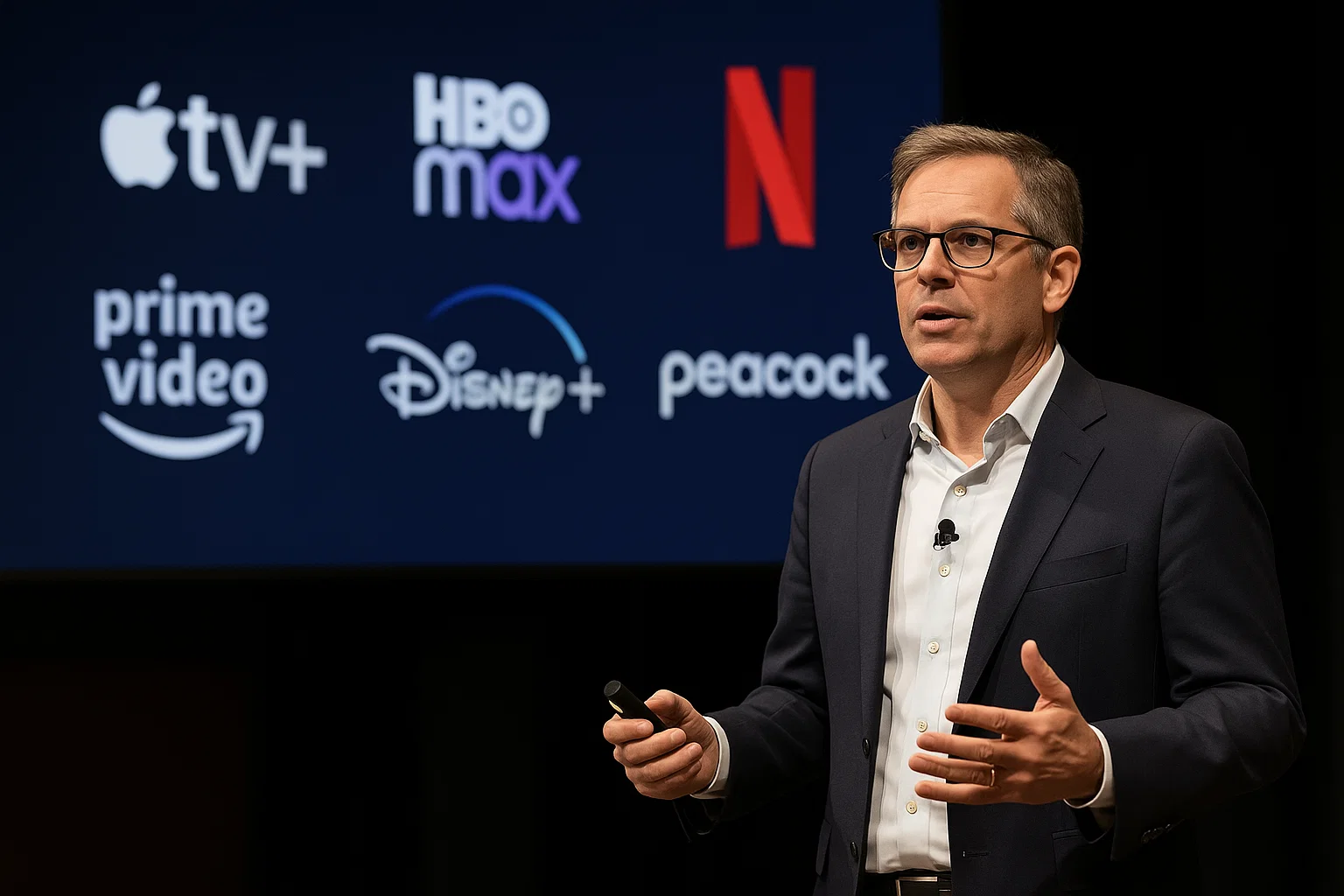
How flexible subscriptions are increasing competition
By offering a variety of subscription options, platforms can attract diverse audiences, intensifying competition. Flexible models force companies to innovate constantly, improving content libraries, user experience, and service delivery to retain their share of the market.
Impact on subscriber retention and churn rates
Flexible plans reduce churn by giving users options to downgrade rather than cancel. Ad-supported tiers, trial bundles, and tiered access provide alternatives that keep consumers engaged even during financial or lifestyle changes.
Revenue implications: balancing ads, pricing, and content costs
Platforms must balance ad revenue with subscription income, ensuring that ad-supported tiers remain profitable without degrading the premium experience. Flexible pricing allows platforms to optimize revenue streams while maintaining affordability and engagement.
Consumer Behavior and the Streaming Landscape
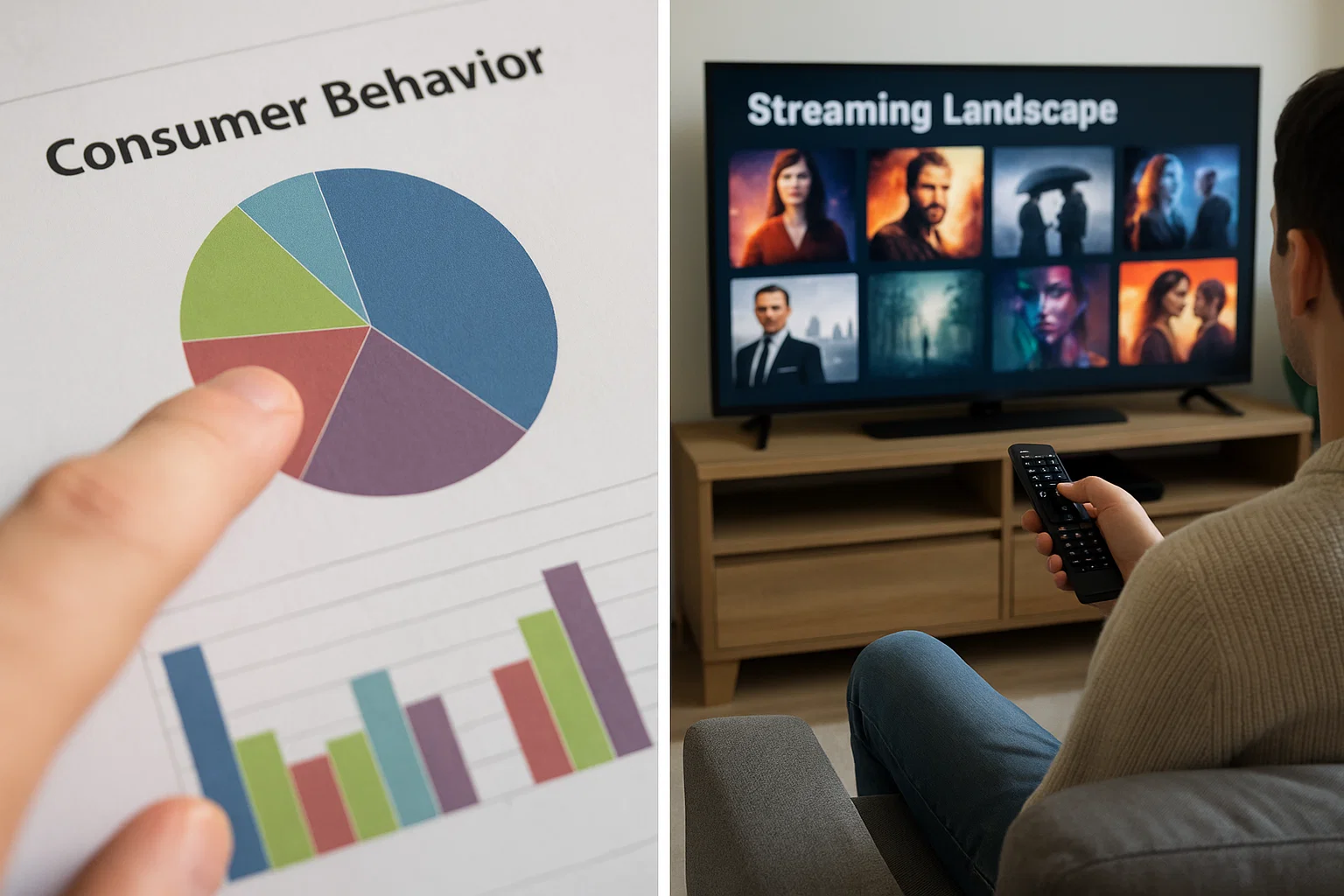
Streaming is increasingly driven by consumer choice rather than brand loyalty. Understanding behavioral trends is critical for success.
Shift from loyalty to choice-driven subscription decisions
Consumers now switch platforms based on price, content availability, and flexibility rather than long-term brand allegiance. Platforms must constantly adapt their offerings to retain subscribers in a highly competitive environment.
The role of bundling, family plans, and multi-service access
Bundled services appeal to cost-conscious families and multi-service users, encouraging them to consolidate subscriptions for convenience and savings. This trend drives cross-platform collaboration and strengthens user retention.
How ad-supported tiers change viewing habits and engagement
Ad-supported tiers influence viewing habits by integrating short breaks, sponsored content, and targeted recommendations. While some users may prefer uninterrupted viewing, others embrace the lower-cost option, highlighting the importance of choice in consumer satisfaction.
️ Challenges and Risks of Flexible Subscriptions
While flexibility drives growth, it comes with challenges that platforms must carefully manage.
Managing user expectations and avoiding confusion
Too many options can overwhelm users, leading to decision fatigue. Platforms must provide clear, intuitive subscription choices to guide users effectively and prevent dissatisfaction.
Risk of over-fragmentation and decision fatigue
Offering multiple tiers, bundles, and regional variations risks fragmenting the user base. Decision fatigue can lead to cancellations, highlighting the need for streamlined and user-friendly subscription structures.
Balancing ad load with premium experience
Platforms must carefully balance ad frequency and placement to ensure profitability without compromising user experience. Excessive ads can drive subscribers away, even in lower-cost plans.
Regulatory and regional compliance challenges
Global streaming platforms must navigate a complex web of regulations, including data privacy, content licensing, and advertising laws. Flexibility must be implemented while maintaining full compliance across markets.
Future Trends: What’s Next in Streaming 2026 and Beyond
The streaming industry is poised for further transformation, with emerging trends promising greater personalization, innovation, and market expansion.
AI-driven personalization and dynamic pricing models
AI will play a pivotal role in delivering personalized recommendations and dynamic pricing based on viewing habits, engagement, and regional economic conditions, enhancing satisfaction and maximizing revenue.
Increased bundling with telecom, gaming, and other digital services
Streaming services will increasingly bundle with telecom providers, gaming platforms, and lifestyle apps, offering comprehensive entertainment ecosystems that attract and retain diverse audiences.
Expansion of ad-supported, interactive, and hybrid models
Hybrid models combining ad-supported and premium options, interactive content, and gamified experiences will create new engagement opportunities, catering to evolving consumer preferences.
Predictions for global market growth and emerging regions
Emerging markets in Asia, Africa, and Latin America represent significant growth potential. Flexible, affordable subscriptions adapted to local preferences will drive adoption and expand the global footprint of streaming platforms.
✨ Conclusion: Flexibility as the Key to Streaming Success
2026 marks a pivotal moment in the streaming industry, where flexible subscriptions define success. By offering ad-supported tiers, tiered pricing, bundles, and region-specific plans, platforms can meet consumer demands for choice, affordability, and value.
Flexibility is not just a business strategy—it’s a competitive necessity. In a saturated market, streaming services that empower users, minimize churn, and adapt to changing behaviors will dominate. As content continues to proliferate, platforms that embrace adaptability, innovation, and personalization will define the next era of streaming.
The streaming wars of 2026 are no longer about content alone—they are about flexibility, experience, and consumer empowerment. Those who master this balance will lead the industry into the future.