In today’s connected world, understanding the impact of blue light on our sleep is more crucial than ever. This article explores the pervasive presence of blue light, its effects on our brain and sleep patterns, and practical strategies to mitigate its negative influence. Prepare to discover how mastering your light exposure can lead to better sleep and overall well-being.
Why Everyone’s Talking About Blue Light
What Is Blue Light, and Where Does It Come From?
Blue light, a high-energy visible light wavelength, comes from various sources, both natural and artificial. In particular, it’s important to note these sources:
- The sun, which is the primary natural source.
- Screens of smartphones, tablets, and computers, as well as LED and fluorescent lights.
Understanding the light spectrum is vital to appreciating the effects of light on human health.
Why Blue Light Matters More in a Digital Age
With the rise of digital devices, exposure to blue light has increased significantly. This increased blue light exposure, especially at night, can disrupt our circadian rhythm and affect sleep patterns. The digital age necessitates understanding how artificial blue light and modern light condition impacts our natural sleep cycles.

The Science: How Blue Light Affects Your Brain
Blue Light and Your Circadian Rhythm
Blue light has a significant influence on the circadian rhythm, the body’s internal clock that regulates sleep-wake cycles. Exposure to blue light, particularly in the evening, can trick the brain into thinking it’s still daytime, disrupting the natural timing of sleep and wakefulness and causing disrupted sleep cycles.
Melatonin Suppression Explained Simply
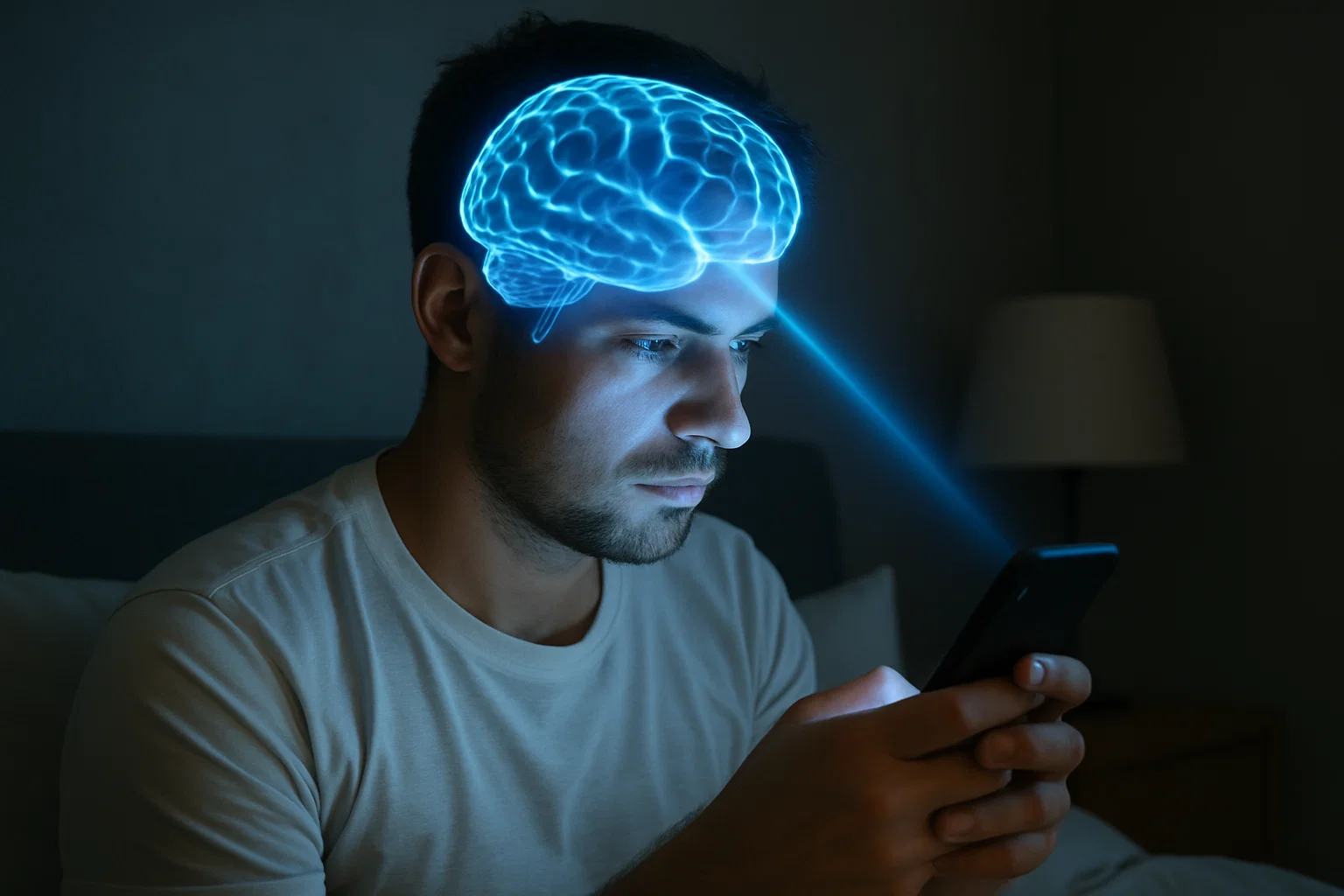
One of the key ways blue light affects sleep is by suppressing the production of melatonin, a hormone that promotes relaxation and sleepiness. Blue wavelengths in the light spectrum interfere with melatonin release, making it harder to fall asleep, therefore increased blue light exposure may lead to poor sleep quality.
Brain Signals That Confuse Day and Night
Blue light exposure in the evening sends signals to the brain that mimic daylight, disrupting the natural sleep-wake cycle. These disrupted brain signals can lead to difficulty falling asleep, reduced sleep duration, and overall poor sleep quality. Dim light and darkness usually signal the body to prepare for sleep, which is disrupted by blue light.
The Link Between Blue Light and Sleep Disruption
How Blue Light Delays Sleep Onset
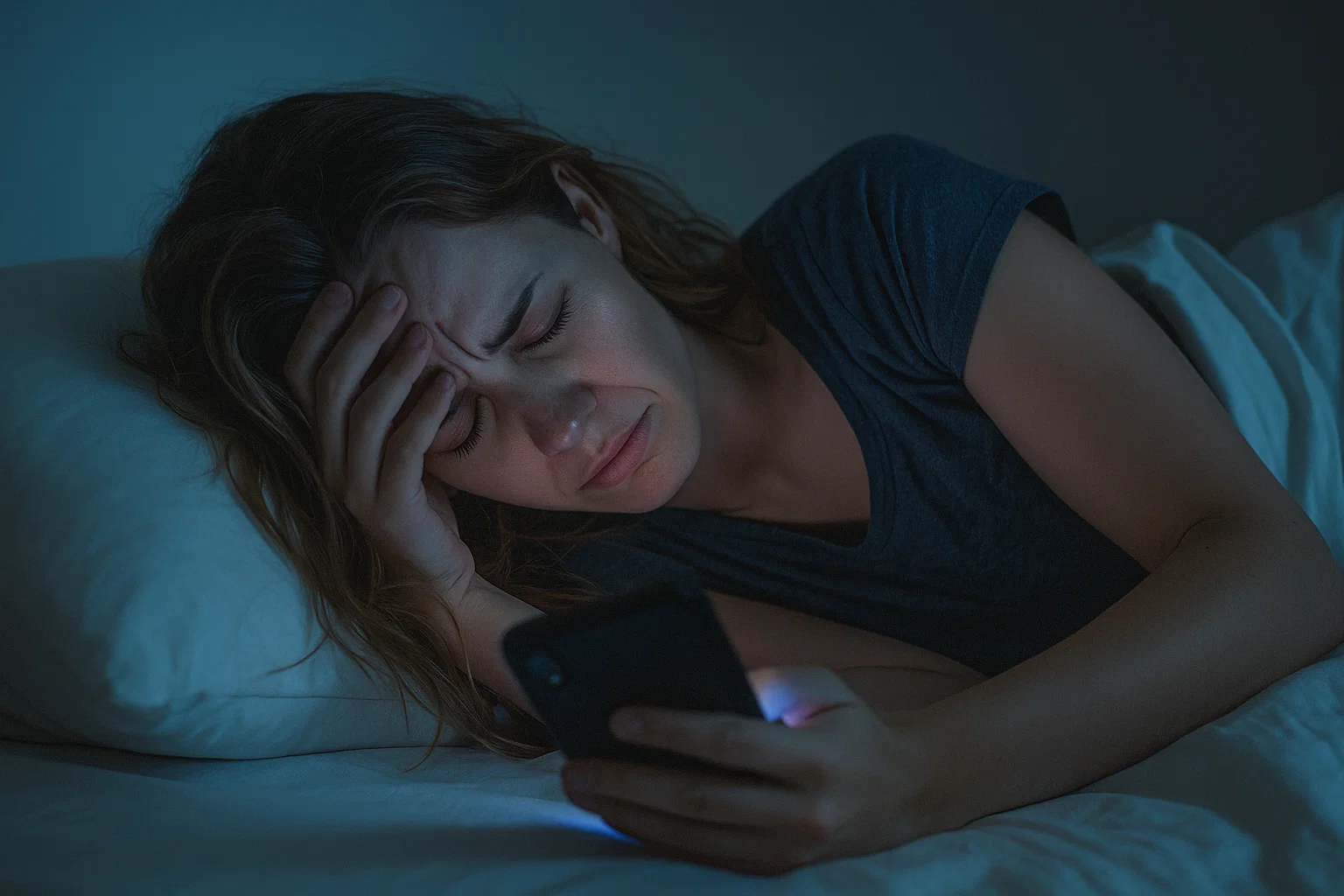
The influence of blue light on sleep onset is significant. Exposure to blue light in the evening can delay the release of melatonin, making it harder to fall asleep at the desired time. This delay in sleep onset can lead to shorter sleep duration and feelings of fatigue during the day, therefore blue light affects sleep onset.
Reduced REM Sleep: Why It Matters
Studies suggest that blue light exposure may reduce the amount of REM (Rapid Eye Movement) sleep, a crucial stage for memory consolidation and cognitive function. Reduced REM sleep can have negative effects on learning, mood, and overall mental performance and the negative effects of blue light should be carefully addressed.
Common Sleep Disorders Tied to Screen Use
Excessive screen use and blue light exposure in the evening have been linked to an increased risk of sleep disorders, such as insomnia and delayed sleep phase syndrome. These sleep disorders can have a significant impact on overall health and well-being, and the effect of blue light should be taken into account.
How Daytime vs Nighttime Exposure Differs
Why Blue Light in the Morning Helps You Wake Up
Exposure to blue light, especially bright light in the morning, can be beneficial for aligning the circadian rhythm and promoting wakefulness. Morning light exposure, including blue-enriched light, helps suppress melatonin production and increase alertness, making it easier to start the day feeling energized. The effect of blue light exposure in the morning helps regulate the body’s natural sleep-wake cycle.

The Danger of Nighttime Screen Bingeing
Nighttime screen bingeing and the resulting blue light exposure can significantly disrupt the circadian rhythm and affect sleep quality. The effects of blue light exposure from screens in the evening can suppress melatonin production, making it harder to fall asleep and leading to sleep cycle disturbances. Limiting screen time before bed is crucial for better sleep.
Hidden Sources of Blue Light in Your Home
Devices That Emit More Than You Realize
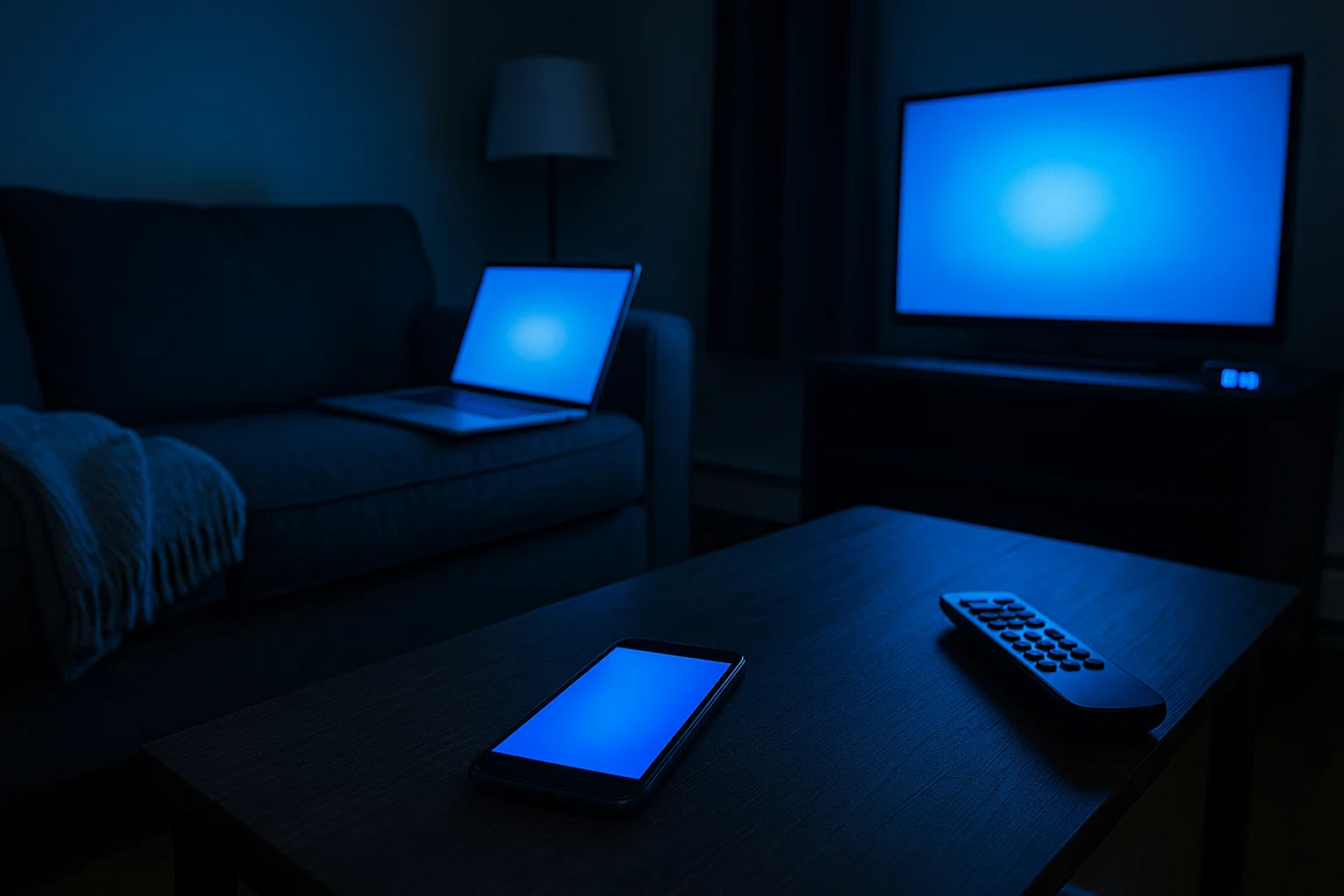
Beyond smartphones and computers, many other devices emit blue light that could affect sleep. TVs, tablets, and even some e-readers can be significant sources of blue light. Being mindful of all potential light sources and their blue light emission can help reduce overall blue light exposure, leading to better sleep.
LED Lighting and Its Quiet Role in Sleep Loss
LED lighting, while energy-efficient, emits blue light and may contribute to sleep disruption. The effects of blue light exposure from LED lights, especially closer to bedtime, can interfere with melatonin production and the circadian rhythm. Consider using warmer-toned or dim light bulbs in the evening to minimize the negative effects of blue light.
Symptoms and Signs of Blue Light Overexposure

Poor Sleep Quality and Brain Fog
One of the primary symptoms of blue light overexposure is poor sleep quality, often accompanied by brain fog during the day. The influence of blue light on sleep can result in several specific issues, including:
- Difficulty falling asleep
- Frequent awakenings
- A general feeling of being unrested
Brain fog, on the other hand, manifests as difficulty concentrating, memory problems, and reduced cognitive function.
Mood Swings, Irritability, and Anxiety
Chronic blue light exposure, especially in the evening, can contribute to mood swings, irritability, and increased anxiety levels. The effect of blue light on sleep and hormone regulation can impact emotional well-being. Disruptions in the circadian rhythm can exacerbate mood imbalances, highlighting the importance of managing light exposure.
Protective Habits: How to Reduce the Blue Light Effect
Use Night Mode or Blue Light Filters on Devices
Utilizing night mode or blue light filters on digital devices is a simple yet effective way to reduce blue light exposure, especially in the evening. These filters reduce the amount of blue wavelengths emitted by screens, minimizing their impact on melatonin production and the circadian rhythm and affect sleep positively.
Create a Digital Sunset Routine Before Bed
Establishing a digital sunset routine involves gradually reducing screen time and dimming light exposure in the hours leading up to bedtime. This helps signal to the brain that it’s time to wind down and prepare for sleep. Engaging in relaxing, screen-free activities can further promote better sleep cycles and improved sleep quality.
Use Warm-Toned or Amber Night Lighting
Switching to warm-toned or amber night lighting can significantly reduce blue light exposure in the evening. These types of lights emit fewer blue wavelengths compared to white light or fluorescent light, minimizing their impact on melatonin production and the circadian rhythm. Consider using red light night lights that produce less blue light and affect sleep positively.
Lifestyle Hacks to Rebalance Sleep Naturally
Morning Sunlight: Resetting Your Biological Clock
Morning sunlight exposure is a natural and effective way to reset your circadian rhythm and promote better sleep. Exposure to bright light, including blue-enriched light, helps suppress melatonin production and signals to your brain that it’s time to wake up. Make it a habit to spend some time outdoors or near a window each morning to maximize the benefits of bright light exposure.
Blue Light Blocking Glasses: Do They Work?
Blue light blocking glasses are designed to filter out blue wavelengths from artificial light sources, reducing blue light exposure in the evening. Studies suggest that blue light blocking glasses may improve sleep quality by minimizing the effect of blue light on melatonin production. While individual results may vary, they can be a useful tool in managing light exposure for better sleep cycles.
Screen-Free Activities That Help Wind Down
Engaging in screen-free activities before bed can significantly improve sleep quality by reducing blue light exposure and promoting relaxation. Reading a physical book under dim light, taking a warm bath, meditating, or listening to calming music can help signal to your brain that it’s time to wind down for better sleep. These activities help reduce the negative effects of blue light from digital devices.
What Doctors and Sleep Experts Recommend
Recommended Screen Time Cutoff Before Sleep
Doctors and sleep experts often recommend cutting off screen time at least one to two hours before bed to minimize the effects of blue light on sleep. This allows melatonin levels to rise naturally, promoting better sleep onset and sleep quality. Creating a buffer between screen time and bedtime is crucial for reducing blue light exposure and improving sleep cycles.
When to Seek Help for Sleep Disruption
If you experience persistent sleep disruption despite implementing strategies to reduce blue light exposure, it may be time to seek professional help. A sleep specialist can evaluate your sleep patterns and identify potential underlying sleep disorders. Addressing chronic sleep issues can improve overall health and well-being, ensuring a positive effect on sleep.
Conclusion: Master Your Light, Improve Your Sleep
By understanding the influence of blue light and implementing strategies to manage light exposure, you can significantly improve your sleep quality and overall well-being. Mastering your light by reducing blue light in the evening and maximizing bright light exposure during the day supports a healthy circadian rhythm. Taking control of your light environment can lead to better sleep and a more energized life.