In today’s fast-paced world, finding moments of calm and clarity can feel like a distant dream. Enter journaling, a practice that’s rapidly gaining popularity as an accessible and transformative form of self-care.
The Rise of Journaling in a Stressed-Out World
Why Journaling Feels Like a Safe Space in a Noisy Digital Age
In the midst of constant digital stimulation, journaling provides a sacred space for reflection. It is a place where one can connect with their thoughts and emotions without judgment. This offers a pause from the noise, allowing the soul to breathe and find clarity. It can inspire those that desire it.
A Quick Look at Journaling’s Explosion on TikTok, Instagram, and YouTube
The power of writing and journaling’s rise to fame are undeniable, with countless videos showcasing aesthetic spreads, inspirational quotes, and creative journaling prompts flooding social media platforms. This digital explosion has made the practice accessible and appealing. It engages people by turning it into a visual and interactive experience.

What Is Journaling, Really? (Beyond the Notebook)
From Emotional Release to Goal-Setting: The Many Faces of Journaling
Journaling is more than just recording daily events; it’s a versatile tool. Specifically, journaling can be used for:
- Emotional release
- Goal-setting
- Spiritual growth
Whether it’s diving deep into your emotions or using journal prompts to create a soul journal, it can align a person with their intentions and authentic self to transform their life.

Daily Journaling vs. Prompted Journaling vs. Bullet Journaling
There are various approaches to journaling, from daily free-form entries to structured prompted journaling. Bullet journaling combines organization with creativity, and it offers a flexible framework for planning and reflection. Each method offers unique benefits. The choice often depends on individual needs and the desire to connect with a deeper level.
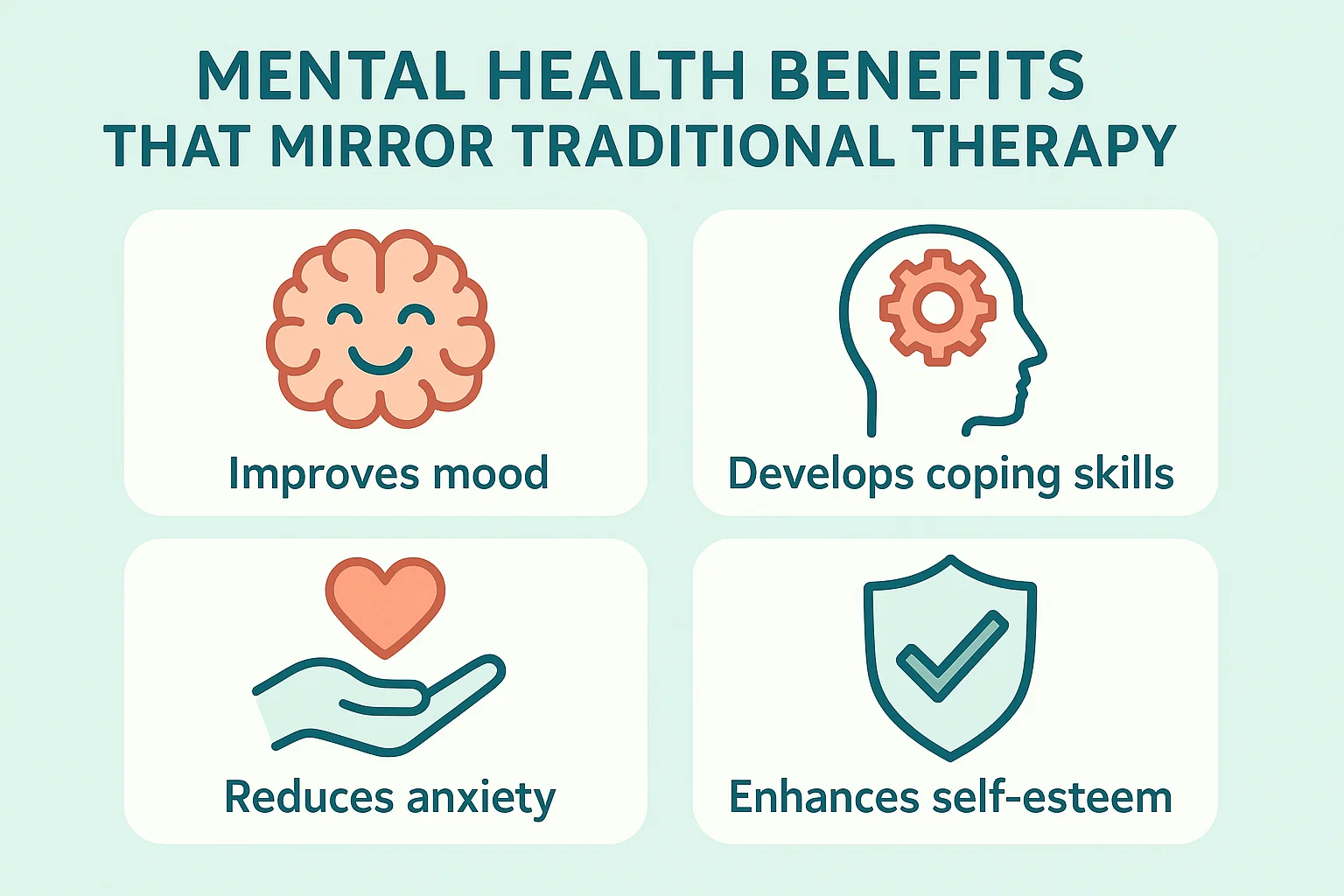
1. Mental Health Benefits That Mirror Traditional Therapy
How Journaling Reduces Stress, Anxiety, and Depression
Journaling has been shown to significantly reduce stress, anxiety, and depression. It gives you a way to let it flow, by externalizing your concerns and thoughts, and that can provide a sense of relief and control. Regular journaling sessions offer a healthy outlet for emotions that promote a sense of well-being.
Journaling and Trauma: The Role of Expressive Writing in Healing
Expressive writing, a form of journaling, plays a crucial role in healing from trauma. By processing traumatic events through journal writing, individuals can uncover insights, integrate their experiences, and begin the journey toward recovery. It allows people to dive into their feelings in a sacred space.
Supported by Science: Research That Backs It Up
Numerous studies support the mental health benefits of journaling. The research highlights its effectiveness in reducing symptoms of anxiety and depression, improving mood, and enhancing overall psychological well-being. A daily practice of journaling is backed by science as a transformational exercise for the mind and soul.
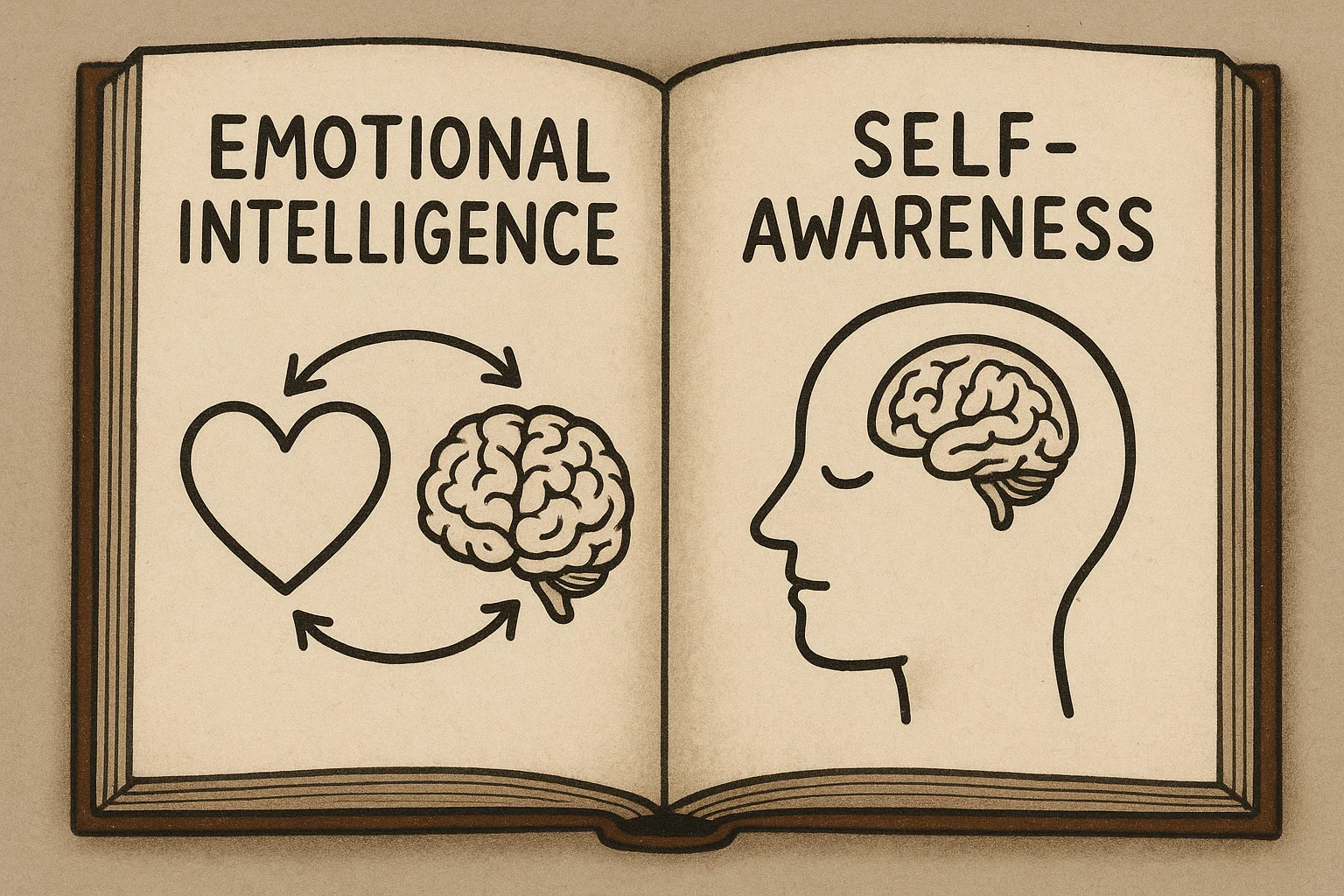
2. Emotional Intelligence and Self-Awareness on the Page
Understanding Your Triggers, Patterns, and Thought Loops
Journaling provides a sacred space to connect with your inner landscape, allowing you to identify recurring patterns and thought loops. Through consistent journaling, you can uncover your emotional triggers, gaining insight into your soul’s response to various situations and stimuli. It’s a profound exercise in self-awareness.
The Power of Reflection: What Happens When You Reread Your Thoughts
The transformative power of journaling lies in the act of reflection. Rereading your journal entries offers a unique opportunity to observe your emotional and mental evolution. You can identify recurring themes, celebrate growth, and deepen your understanding of your authentic self as you connect with the feelings that made you.
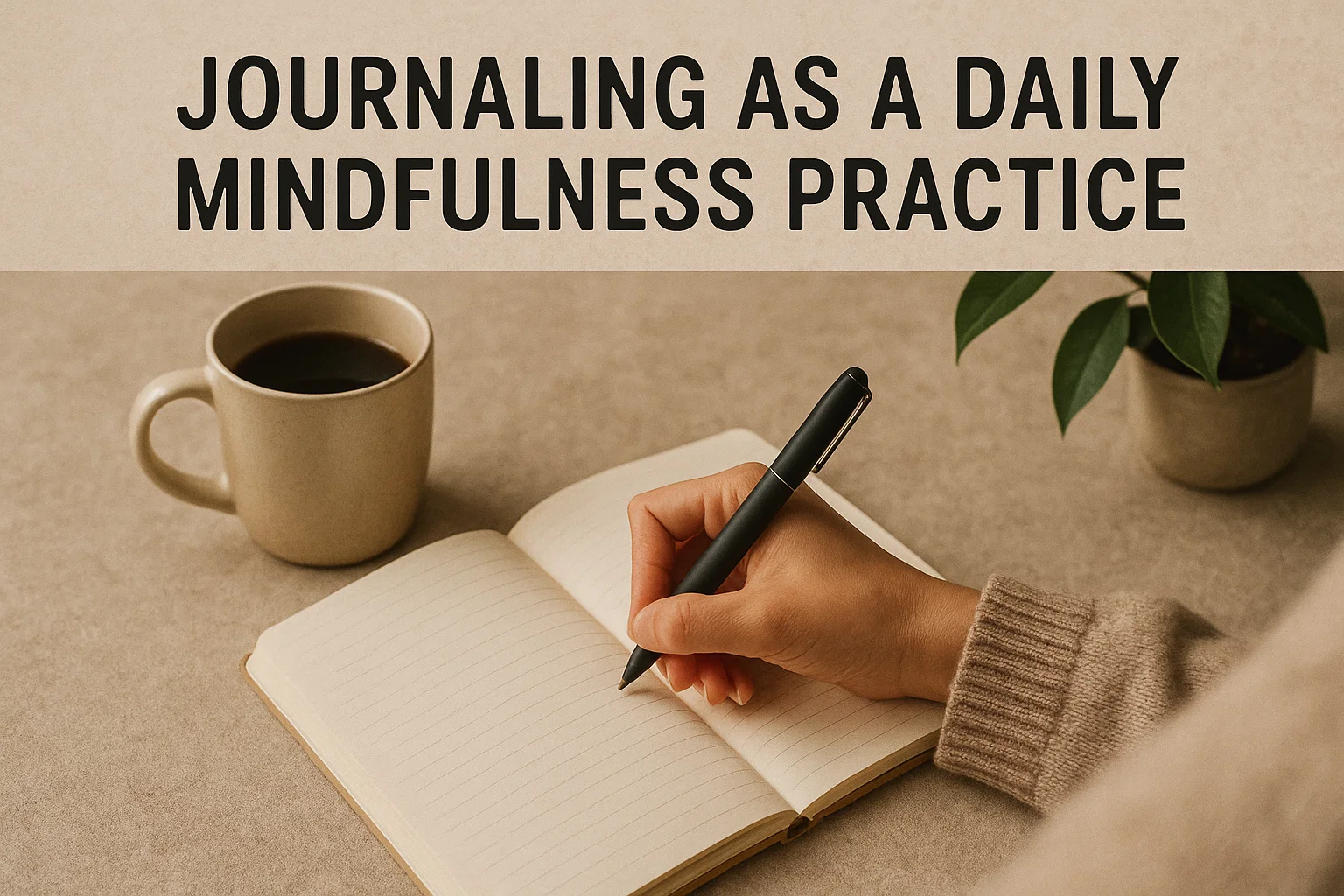
3. Journaling as a Daily Mindfulness Practice
How It Grounds You and Slows Down Racing Thoughts
Journaling can be a powerful daily practice for cultivating mindfulness. By focusing on the present moment and recording your thoughts and feelings, you can effectively ground yourself. Journaling allows racing thoughts to flow onto the page and helps to slow down the mental chatter, creating a sense of calm and clarity.
The Link Between Journaling and Improved Focus
The act of journaling requires focused attention and deliberate thought. Regular journaling sessions can enhance your ability to concentrate, improve cognitive function, and sharpen your mental acuity. It is an exercise of the brain. The power of writing enables the writer to inspire themselves and to take inspiration.
Evening vs. Morning Journaling: Which Is Better for You?
The timing of your journaling practice can significantly impact its benefits. Morning journaling may set a positive tone for the day, while evening journaling provides a chance to process the day’s events and promote restful sleep. Experiment to discover which timing best suits your needs and enhances your well-being when you connect with yourself.
4. The Aesthetic Journaling Trend: Why It Went Viral
Bullet Journals, Mood Trackers, and “That Girl” Culture
The rise of “That Girl” culture and visual platforms has fueled the aesthetic journaling trend. Bullet journals, with their artistic layouts and meticulous organization, have gained immense popularity. The inclusion of mood trackers, stickers, and colorful penmanship transforms journaling into a visually appealing and engaging activity that can inspire.

How Creativity, Stickers, and Spreads Became Part of Self-Care
Adding creative elements to your journal can transform it into a personalized sanctuary of self-expression. Stickers, colorful pens, and decorative spreads are a gateway. They can unlock your creativity, allowing you to express your emotions and thoughts in a visually appealing way. They also promote spiritual growth and support your self-care journey as you dive into inspiration.
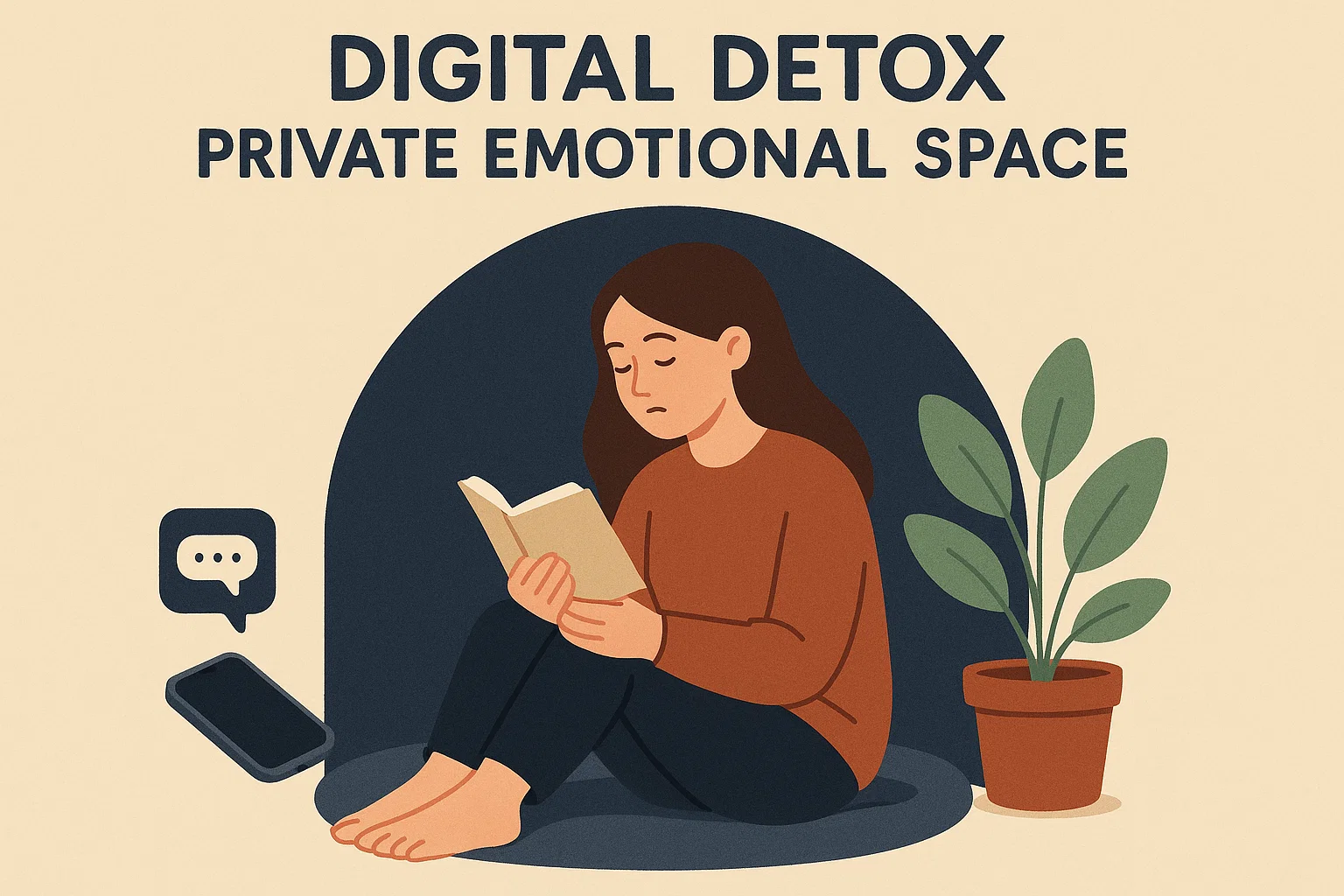
5. Digital Detox and Private Emotional Space
Why People Prefer Journaling Over Venting Online
In an age of oversharing, journaling provides a sacred space for private emotional exploration. Unlike venting online, where thoughts and feelings are exposed to public scrutiny, journaling offers a confidential outlet for processing emotions and gaining insight. This is a transformational exercise.
Journaling vs. Social Media “Oversharing”
Journaling offers a healthier alternative to social media “oversharing.” While social media often encourages seeking validation from others, journaling fosters self-reflection and self-acceptance. It allows you to connect with your inner world without the pressure of external judgment. Journaling provides a pause from the chaotic world, so you can breathe.
6. Therapy-Backed Journaling Techniques You Can Use at Home
CBT Journaling: Cognitive Behavioral Prompts for Anxiety
Cognitive Behavioral Therapy (CBT) journaling involves using specific prompts to identify and challenge negative thought patterns. This exercise encourages you to recognize cognitive distortions, reframe your thoughts, and develop healthier coping mechanisms for anxiety. It allows you to connect with your soul through self-compassion. CBT journaling is a transformational tool.

Shadow Work Journals: Facing Your Inner Critic
Shadow work journals are designed to help you explore the hidden aspects of your personality, often referred to as the “shadow self.” Through guided prompts and reflection, you can uncover repressed emotions, limiting beliefs, and self-sabotaging behaviors. This process can lead to greater self-acceptance and spiritual growth as you dive into your soul.
Gratitude Journals: Science-Backed Positivity Boosters
Gratitude journals focus on cultivating an attitude of thankfulness by regularly recording things you are grateful for. This practice has been scientifically shown to increase happiness, improve mood, and enhance overall well-being. It shifts your focus towards positive experiences, fostering a sense of appreciation and contentment. Inspire yourself with positive affirmations.
7. The Future of Journaling: From Trend to Lifestyle
Journaling Apps, Smart Journals, and AI-Driven Prompts
The future of journaling is rapidly evolving with the emergence of journaling apps, smart journals, and AI-driven prompts. These technologies offer personalized guidance, track your progress, and provide tailored inspiration to enhance your journaling experience. They aim to make journaling more accessible, engaging, and effective in supporting mental well-being and spiritual growth.

How Mental Health Professionals Are Integrating Journaling in Sessions
Mental health professionals are increasingly recognizing the benefits of journaling and integrating it into therapy sessions. They may use journaling as a supplementary tool to help clients process emotions, gain insight, and track their progress. The journal prompts are inspirational, offering a sacred space. This collaborative approach enhances the therapeutic process and promotes holistic healing.
How to Start Journaling Today (Even If You’re Not a Writer)
Tips for Beginners: No Rules, No Judgment
Starting your journaling journey can seem daunting, but it doesn’t have to be. Remember, there are no rules or judgment in journaling. Just let it flow. Focus on expressing your thoughts and emotions honestly, without worrying about grammar or structure. Embrace the process of self-discovery and connect with your inner voice. Your soul will thank you.
Prompts to Get You Started When You’re Stuck
When you’re feeling stuck or unsure of what to write, using journal prompts can be a helpful exercise. Consider prompts such as, “What are you grateful for today?” or “What is one thing you want to change about your life?” These prompts can spark reflection and inspire you to dive deeper into your thoughts and feelings as you connect with your soul.
Conclusion: Journaling Is More Than a Trend—It’s Therapy for the Soul
In conclusion, journaling is more than just a passing trend; it’s a powerful tool for self-discovery, emotional healing, and spiritual growth. By creating a sacred space for reflection and self-expression, journaling offers a therapeutic outlet for processing emotions, gaining insight, and connecting with your authentic self. So inspire yourself and engage today.