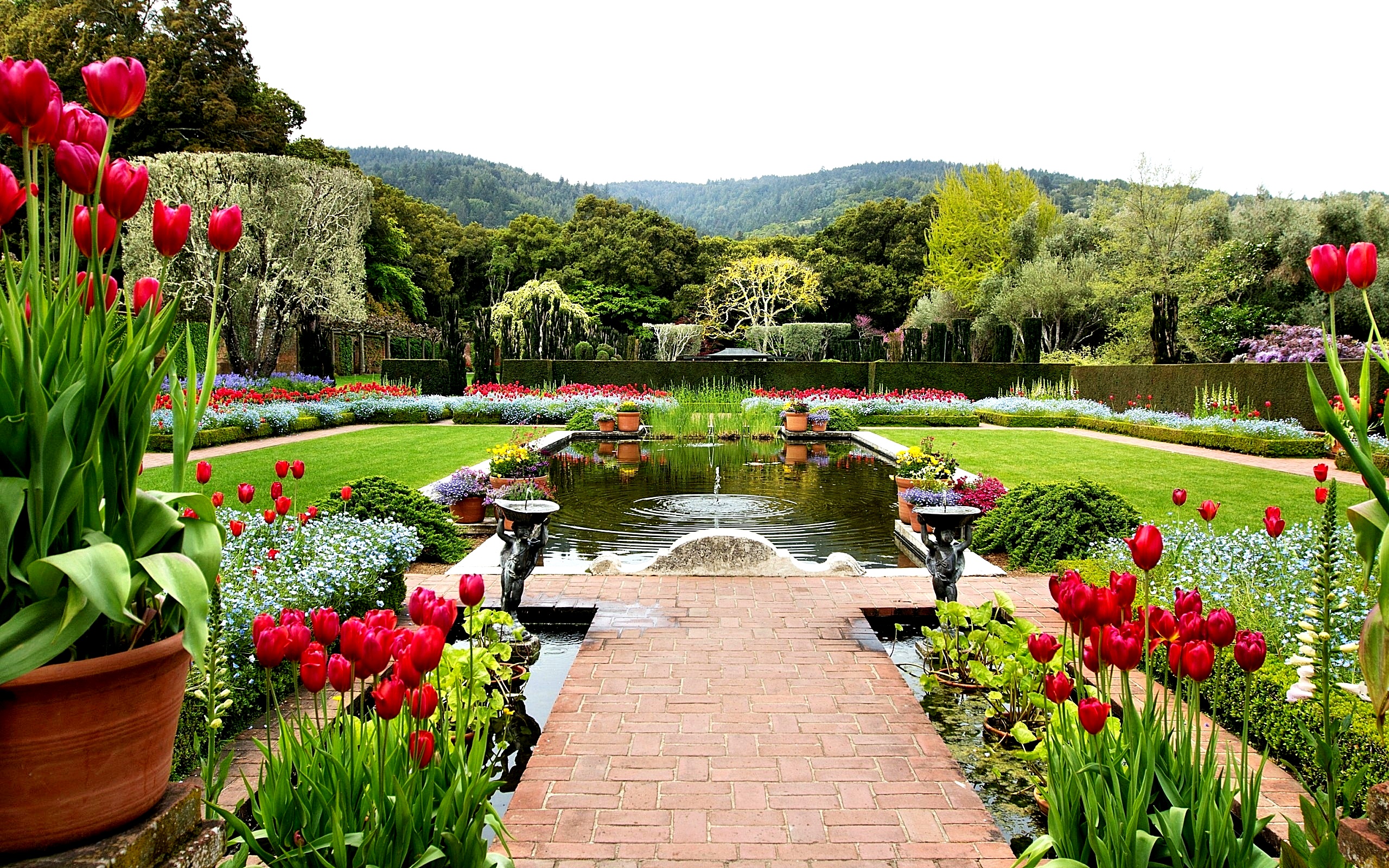
Cultivating a vibrant flower garden is a rewarding experience, transforming any outdoor space into a haven of color and fragrance. Whether you’re a seasoned gardener or just starting, choosing the right types of flowers can make all the difference. This guide explores some of the most popular garden flowers, offering insights into their care and how they can enhance your outdoor living.
Why Choose Popular Flowers for Your Garden?
Benefits of Growing Flowers at Home
Growing flowers at home offers a multitude of benefits, extending beyond mere aesthetic appeal. A thriving flower garden can significantly enhance the visual charm of your property, creating a welcoming atmosphere for both residents and visitors. Many popular flowers are also easy to grow, providing a sense of accomplishment for gardeners of all skill levels. Beyond beauty, these flowering plants contribute to local ecosystems by attracting vital pollinators like bees and butterflies, fostering biodiversity right in your backyard.
How to Choose Flowers That Suit Your Garden
Selecting the perfect flowers for your garden involves considering several key factors to ensure they thrive. First, assess your climate and local growing conditions, as some flowers prefer full sun while others flourish in partial shade. Understanding whether a flower is an annual or a perennial is also crucial, as annuals provide seasonal color and need replanting each year, while perennials return year after year. Consider your soil type, drainage, and even the overall garden design you envision, whether it’s a formal arrangement, a whimsical cottage garden, or a dedicated pollinator garden.
Top 10 Most Popular Flowers to Plant in Your Garden
1. Roses – A Timeless Garden Favorite
Roses are undeniably one of the most popular flowers in the world, cherished for their classic beauty and fragrant blooms. These quintessential garden flowers offer an unparalleled range of colors and forms, making them a popular choice for gardens of all styles. While some types require more attention, many roses are surprisingly easy to grow, rewarding gardeners with abundant flowering plant displays throughout the season. They are often cultivated as perennial plants, returning year after year to grace your flower garden.
2. Tulips – Beautiful Spring-Blooming Flowers
Tulips are iconic spring-blooming flowers, instantly recognizable by their elegant, cup-shaped flowers. As popular garden plants, they signal the arrival of warmer weather and add vibrant color to the early spring garden. These beautiful flowers grow from bulbs and are relatively easy to grow, making them a favored perennial choice for gardeners. With a wide range of colors available, tulips are excellent cut flowers that can brighten any indoor space, complementing their outdoor display in the flower garden.
3. Sunflowers – Bright and Cheerful Garden Stars
Sunflowers are truly bright and cheerful garden stars, instantly adding a touch of summer joy to any flower garden. These impressive flowering plants are not only popular for their striking height and large, sunny blooms but also for their drought-tolerant nature once established. Sunflowers are generally annuals, completing their life cycle in one season, but their dramatic presence and ability to attract bees and birds make them a popular choice for gardens, especially in a cottage garden setting.
4. Dahlias – Show-Stopping Blooms in Every Color
Dahlias are renowned for their show-stopping blooms, offering a magnificent variety of colors and forms that can transform any flower garden into a vibrant spectacle. These popular garden plants provide continuous color from mid-summer until the first frost, making them invaluable for extending the blooming season. While they are technically herbaceous perennial plants, many gardeners treat them as annuals in colder climates, or dig up and store their tubers over winter to ensure their return as beautiful flowers.
5. Hydrangeas – Large Blooms for a Lush Garden
Hydrangeas are celebrated for their large, lush blooms that can add significant impact and beauty to any garden design. These popular garden plants offer a variety of colors, from classic white to vibrant blue flowers and pinks, often changing hue based on soil acidity. As perennial flowers, they are a fantastic long-term investment for your flower garden, providing consistent interest and texture. They are relatively easy to grow and thrive in a variety of climates, making them a popular choice for many gardeners.
6. Marigolds – Easy Flowers for Beginners
Marigolds are incredibly easy flowers for beginners and experienced gardeners alike, known for their cheerful and brightly colored flowers. These popular annual flowers bloom prolifically from spring until the first frost, providing continuous color in the garden. Beyond their aesthetic appeal, marigolds are excellent companion plants, often used to deter pests, making them a valuable addition to any flower garden. Their low-maintenance nature makes them a popular choice for those just starting their gardening journey.
7. Lavender – Fragrant and Pollinator-Friendly
Lavender is a highly fragrant and pollinator-friendly flower, celebrated for its soothing aroma and beautiful purple flowers. This popular perennial is a fantastic addition to any flower garden, especially a pollinator garden, as it attracts bees, butterflies, and even hummingbirds. Lavender is drought-tolerant once established and thrives in full sun and well-drained soil, making it a relatively easy-to-grow garden plant that also offers culinary and medicinal uses, truly a versatile flower.
8. Petunias – Colorful Flowers for Beds and Containers
Petunias are incredibly popular and versatile flowers, perfect for adding a splash of color to garden beds, hanging baskets, and containers. These popular annual flowers are cherished for their trumpet-shaped flowers and a wide range of colors, blooming profusely from spring through to the first frost. Petunias are relatively easy to grow and require minimal care, making them an excellent choice for creating vibrant displays in your flower garden throughout the warmer months.
9. Zinnias – Low-Fuss Flowers for Summer Color
Zinnias are wonderfully low-fuss flowers that provide abundant summer color in the garden, making them a popular choice for cutting gardens and borders alike. These popular annual flowers bloom in a spectacular variety of colors and shapes, from single to double petals, and are known for attracting bees and butterflies. Zinnias are easy to grow from seed, thrive in full sun, and are quite drought-tolerant, proving to be beautiful flowers that offer continuous bloom throughout the season.
10. Daisies – Classic Flowers for a Cheerful Garden
Daisies are classic flowers that bring a cheerful and innocent charm to any flower garden, instantly evoking a sense of simplicity and joy. The most common types of daisies, like Shasta daisies, are perennial plants known for their distinctive white petals and yellow centers. These popular flowers are relatively easy to grow, tolerant of various conditions, and make excellent cut flowers for brightening indoor spaces, ensuring they remain a beloved staple in many garden designs.
How to Choose the Best Flowers for Your Garden
Consider Your Garden’s Sunlight
Understanding the sunlight conditions in your garden is paramount when selecting types of flowers to plant. Different flowering plants have varying needs; some are full-sun lovers, thriving with at least six hours of direct sunlight daily, while others prefer partial shade or even full shade. Observing your garden throughout the day will help you identify which areas receive ample sunlight and which are more shaded. This knowledge will guide you in choosing popular flowers that are well-suited to your specific light conditions, ensuring they grow best and produce abundant blooms.
Match Flowers to Your Soil and Drainage
The soil composition and drainage capabilities of your garden are crucial factors for the health of your flower garden. Most popular garden flowers prefer well-drained soil, as sitting in soggy conditions can lead to root rot. You should assess your soil type – whether it’s sandy, loamy, or clay – and amend it if necessary to improve its structure and fertility. Many flowers thrive in rich, organic soil, so incorporating compost can be beneficial. Matching your chosen flower types to suitable soil and drainage will help ensure vigorous growth and vibrant blooms.
Choose Annuals or Perennials Based on Your Goals
Deciding between annuals and perennials is a fundamental choice that impacts the long-term design and maintenance of your flower garden. Annuals, such as marigolds and petunias, complete their life cycle in one growing season, offering a burst of continuous color but requiring replanting each year. Perennials, like roses and hydrangeas, return year after year, establishing a more permanent structure in your garden design. Considering whether you desire seasonal variety or lasting blooms, along with the effort you wish to invest annually, will guide your selection of these popular types of flowers.
Consider Your Climate and Growing Zone
Your local climate and USDA hardiness zone are critical determinants for successful gardening, particularly when choosing popular flowers. The growing zone indicates which perennial plants are most likely to survive winter temperatures in your region. Understanding your climate—including typical frost dates, rainfall patterns, and average temperatures—will help you select types of flowers that are naturally adapted to thrive. Choosing flowers that grow best in your specific climate and zone minimizes stress on the plants, leading to a healthier and more resilient flower garden.
Best Flowers for Different Garden Needs
Best Flowers for Beginner Gardeners
For those new to the joys of cultivating a flower garden, selecting easy-to-grow popular flowers is a fantastic starting point. Marigolds are a classic choice, known for their brightly colored flowers and minimal care requirements, blooming prolifically all season. Zinnias are another excellent option, offering a wide range of colors and shapes, and they are drought-tolerant once established. These resilient annuals provide abundant color in the garden with relatively low fuss, helping beginners build confidence and enjoy beautiful flowers without extensive effort.
Best Flowers for Full-Sun Gardens
Gardens bathed in ample sunlight, receiving six or more hours of direct sun daily, open up a world of choices for vibrant flowering plants. Sunflowers are quintessential full-sun flowers, commanding attention with their dramatic height and cheerful blooms. Lavender, with its fragrant flowers and purple flowers on elegant flower spikes, also thrives in sunny, well-drained conditions and attracts bees and butterflies. Other popular garden plants that love full sun include petunias, which produce trumpet-shaped flowers, and some drought-tolerant perennial flowers, ensuring continuous color in the garden.
Best Flowers for Containers and Small Gardens
Even limited spaces, such as balconies, patios, or small garden beds, can be transformed into beautiful flower gardens with the right popular garden plants. Petunias are incredibly popular and versatile, cascading gracefully from hanging baskets and filling containers with a variety of colors. Marigolds also perform exceptionally well in pots, providing continuous, brightly colored flowers. For something more unique, calla lilies offer elegant, cup-shaped flowers that add a touch of sophistication. These choices ensure that even a small garden can be bursting with beautiful flowers and vibrant blooms.
Best Flowers for Attracting Bees and Butterflies
Creating a pollinator garden is a rewarding endeavor, supporting local ecosystems while enjoying the lively activity of bees and butterflies. Lavender is an excellent choice, known for its fragrant flowers and attractive purple flowers that are irresistible to these beneficial insects. Zinnias, with their diverse forms and bright hues, also serve as a magnet for pollinators, providing continuous blooms throughout the summer. Sunflowers, with their large flower heads, offer a rich source of nectar and pollen. These popular flowers help foster a thriving wildlife habitat in your flower garden.
Tips for Planting and Caring for Garden Flowers
When Is the Best Time to Plant Flowers?
Timing is crucial when planting new flowers in your garden to ensure they establish well and provide abundant blooms. For most annuals, the best time to plant is after the last danger of frost has passed, typically in late spring, allowing them to thrive in warmer soil. Perennial plants, on the other hand, can often be planted in both spring and early fall, giving their root systems time to develop before extreme temperatures set in. Consulting local planting guides based on your climate and growing zone will help you determine the optimal window for your specific flower types.
How Much Water Do Garden Flowers Need?
Proper watering is essential for a thriving flower garden, but the exact amount varies depending on the types of flowers, soil, and climate. Most popular garden flowers prefer consistently moist, but not waterlogged, soil. A good rule of thumb is to water deeply and infrequently, encouraging roots to grow deeper. Drought-tolerant flowers, such as lavender and zinnias, will need less frequent watering once established. Always check the soil moisture before watering, and adjust your schedule based on rainfall and temperature to ensure your flowering plants receive adequate hydration without overwatering.
Fertilizing and Feeding Your Flowers
To encourage vigorous growth and spectacular blooms, fertilizing and feeding your flowers is an important aspect of garden care. Most popular flowers benefit from a balanced fertilizer applied during their active growing season. For heavy bloomers like petunias and dahlias, a fertilizer with a higher phosphorus content can encourage more flowers. It’s important to follow product instructions carefully to avoid over-fertilizing, which can harm your plants. Organic matter, such as compost, can also be incorporated into the soil to improve fertility and provide a slow release of nutrients to your garden flowers.
Deadheading and Pruning for More Blooms
Deadheading and pruning are vital techniques that can significantly extend the blooming period and improve the overall appearance of your flower garden. Deadheading involves removing spent or faded flowers, which prevents the plant from expending energy on seed production and redirects it towards creating more blooms. For perennial plants and some annuals, light pruning can encourage bushier growth and a healthier plant structure. Regularly inspecting your garden flowers for dead or diseased parts and promptly removing them will help maintain vibrant, continuous color in the garden.
Common Mistakes to Avoid When Growing Flowers
Choosing Plants Without Considering Sunlight
One of the most common mistakes gardeners make is selecting popular flowers without properly assessing the sunlight conditions in their garden. Planting full-sun lovers in a shady spot, or shade-loving plants in direct, intense sun, will inevitably lead to stressed plants and poor bloom production. Before purchasing any types of flowers, take the time to observe your garden throughout the day to understand its light patterns. Matching the light requirements of your chosen flowering plants to your specific garden design is crucial for their success and for achieving beautiful flowers.
Overwatering or Poor Drainage
Overwatering and poor drainage are frequent culprits behind unhealthy garden flowers, often leading to root rot and fungal diseases. While consistent moisture is important for many popular garden plants, soggy soil deprives roots of oxygen. Before planting, ensure your soil has good drainage; if not, amend it with organic matter to improve its structure. Always check the soil moisture before watering again, and be mindful of your climate’s rainfall. Understanding the water needs of different flower types, especially those that are drought-tolerant, will help you maintain optimal conditions for a thriving flower garden.
Planting Flowers Too Close Together
Planting flowers too close together is another common error that can hinder their growth and overall health in your flower garden. Overcrowding creates competition for essential resources like sunlight, water, and nutrients, leading to weaker plants and fewer blooms. It also restricts air circulation, increasing the risk of fungal diseases. When planting any types of flowers, always refer to their recommended spacing guidelines. Giving each flowering plant ample room to grow will allow them to reach their full potential, producing more robust growth and an abundance of beautiful flowers.
Final Thoughts: Creating a Colorful and Beautiful Flower Garden
Creating a colorful and beautiful flower garden is a truly rewarding endeavor that enhances any outdoor space. By understanding the specific needs of popular flowers, from sunlight and soil requirements to proper watering and pruning techniques, you can cultivate a thriving environment. Whether you choose easy-to-grow annuals for vibrant seasonal displays or invest in perennial plants for lasting beauty, careful planning and consistent care will ensure your garden blooms with an abundance of color and fragrance, attracting beneficial pollinators and delighting all who visit.