Many people love pets. They are dealt at sometimes as babies. Pets are thought to bring pleasure and amusement to their owners. Special pets are lovely, affectionate, and loyal. Besides the feeling of love, there some pets that considered sweet in their voices, such as birds. These friendly creatures are deemed as jewels in their owner’s house. We bring a list of the top ten most attractive birds if you are thinking of having a bird.
What Makes a Bird Affectionate?
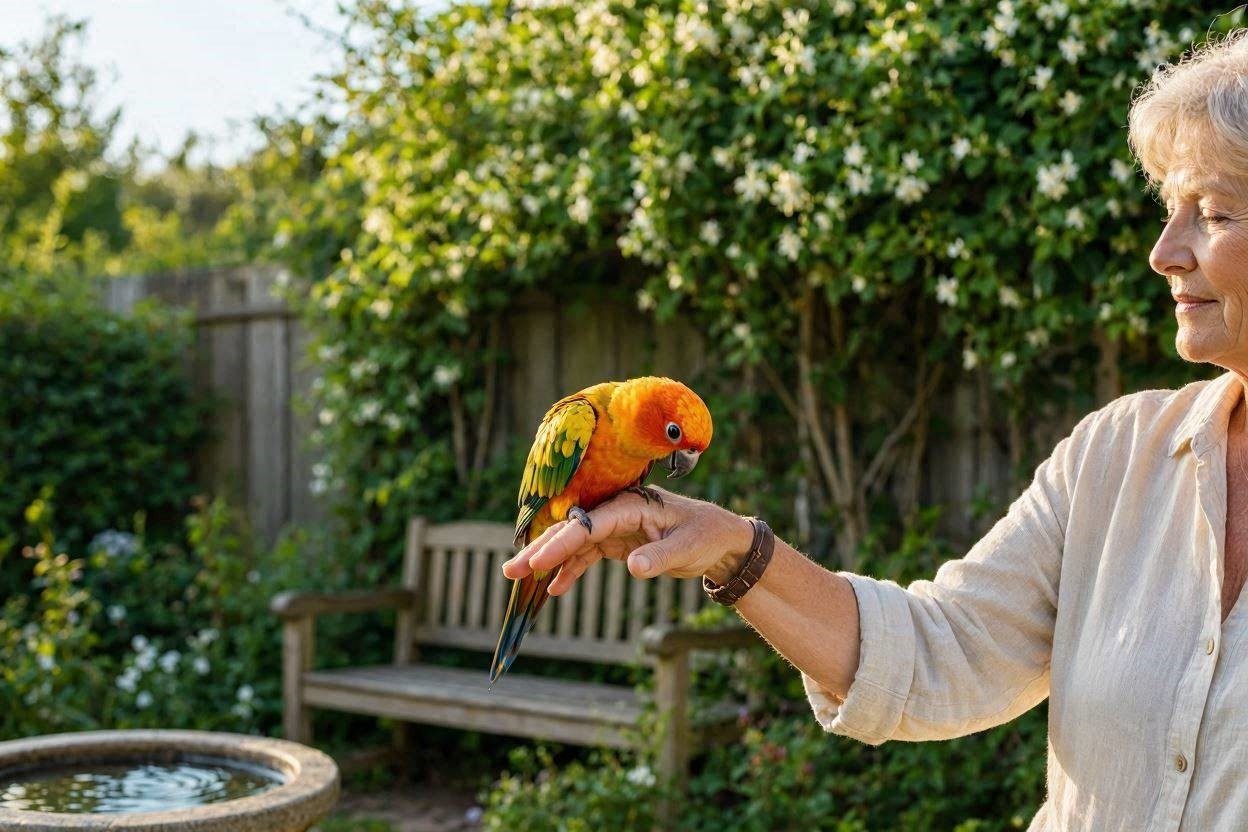
Affection in birds, much like in humans, can manifest in various ways, from gentle nuzzling and preening to a desire for constant companionship and social interaction. An affectionate bird will often seek out its human in several ways:
- Perching on a shoulder
- Leaning into a hand for a scratch
- Offering soft chirps and vocalizations as a sign of contentment
These cuddly behaviors are often rooted in their natural flock instincts, as many popular types of pet birds are highly social animals who thrive on close bonds within their group. Understanding these behaviors is key to appreciating the unique way a bird expresses its love.
How We Ranked the Most Affectionate Birds
Our ranking of the most affectionate birds in the world is based on a combination of factors, including anecdotal evidence from numerous bird owners, expert opinions from avian veterinarians and behaviorists, and the inherent social characteristics of each bird species. Specifically, we considered:
- How readily a bird forms a bond with its owners.
- Its propensity for physical affection like cuddling or head scratches.
- Its overall temperament as a friendly and affectionate companion.
While individual personalities vary, some types of birds consistently demonstrate a stronger inclination towards human companionship and are often described as more cuddly and affectionate than others, making them great companions for those seeking a deeply bonded pet bird.
Top 10 Most Affectionate Birds in the World
1. Cockatiel – The Gentle Bird That Loves Human Companionship
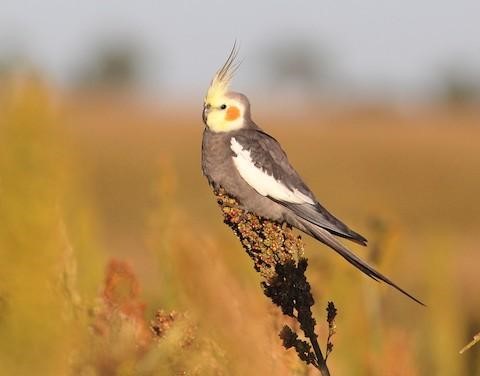
Cockatiels are undoubtedly one of the most affectionate birds, known for their gentle disposition and strong desire for human companionship. These charming parrots thrive on social interaction and often enjoy perching on shoulders or cuddling up for head scratches. Many cockatiel owners describe them as loyal feathered friends who form a deep bond with their caretakers, often following them around the house. Their endearing crest movements and soft vocalizations make them incredibly engaging and affectionate birds, ideal for first-time bird owners seeking a cuddly pet bird.
2. Cockatoo – The “Velcro Bird” That Craves Attention

Cockatoos have earned the nickname “Velcro birds” due to their intense need for physical affection and constant companionship. These larger parrots are incredibly cuddly and will often lean into their owners, demanding scratches and close contact. Their affectionate nature means they form incredibly strong bonds, sometimes to the point of becoming overly dependent. While their playful antics and loving demeanor make them great companions, their significant need for daily interaction means they are best for experienced owners who can dedicate ample time to their feathered friend.
3. Budgerigar (Budgie) – The Friendly and Playful Companion
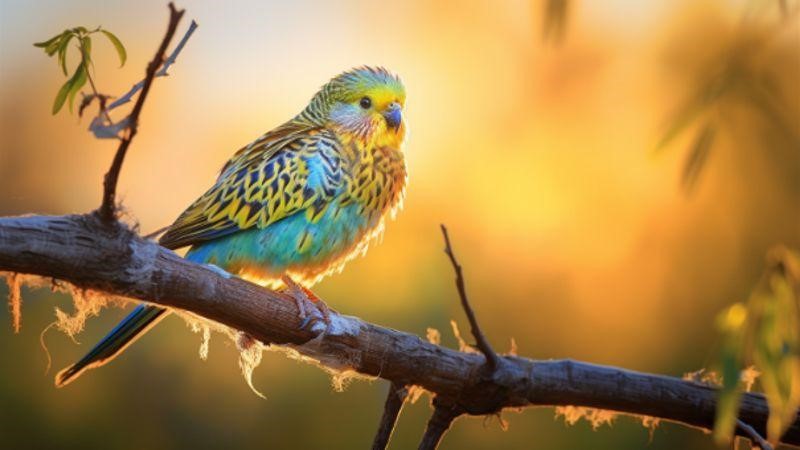
Often underestimated due to their small size, budgerigars, or budgies, are friendly and playful birds that can develop surprisingly strong bonds with their owners. While not always as overtly cuddly as a cockatoo, a well-socialized budgie will enjoy perching on a finger or shoulder, and some will even lean in for gentle beak rubs. These little birds thrive on social interaction and can become quite affectionate with consistent daily interaction, offering cheerful chirps and engaging in playful antics as a sign of their companionship.
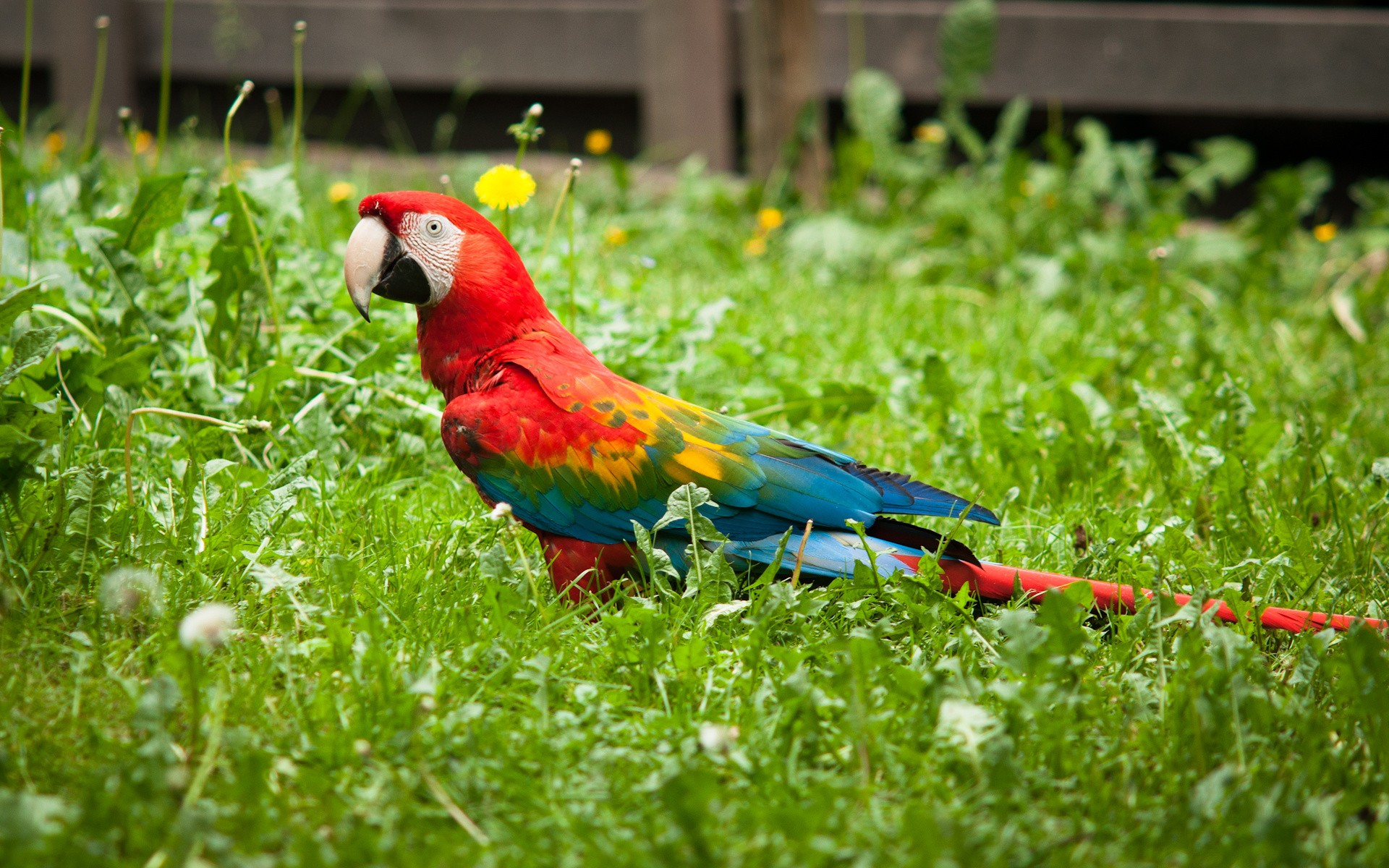
4. Hyacinth Macaw – The Gentle Giant of the Parrot World
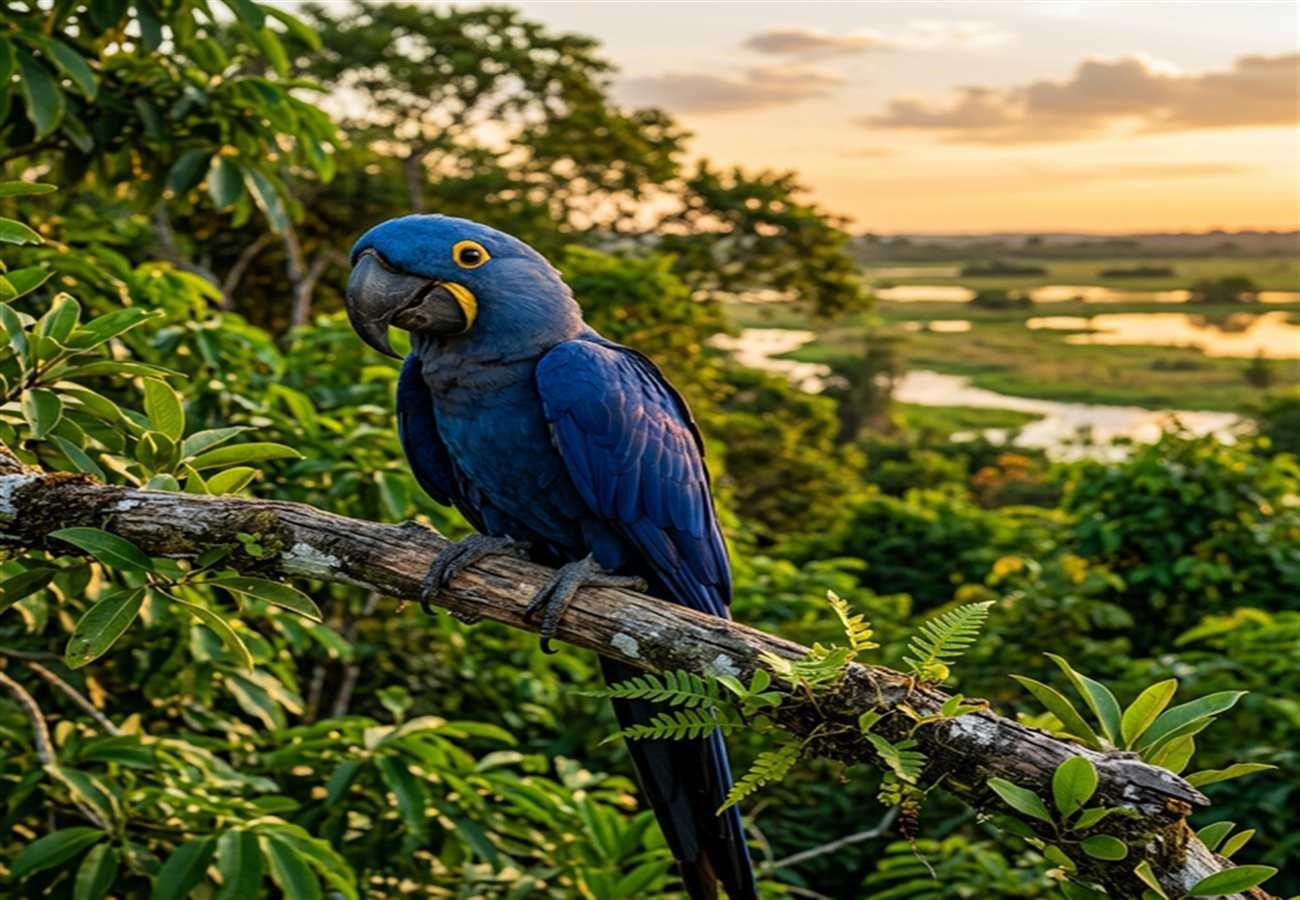
The majestic Hyacinth Macaw, despite its imposing size, is renowned for being one of the most gentle and affectionate birds among the larger parrots. These intelligent birds form incredibly deep bonds with their human caretakers, often seeking out physical closeness and enjoying cuddles. Their calm temperament and loving nature make them truly exceptional companions, though their specific care requirements and long lifespan mean they are best for experienced bird owners. A Hyacinth Macaw’s desire for companionship is as grand as its beautiful blue plumage.
5. Green-Cheeked Conure – The Cuddly and Energetic Pet Bird
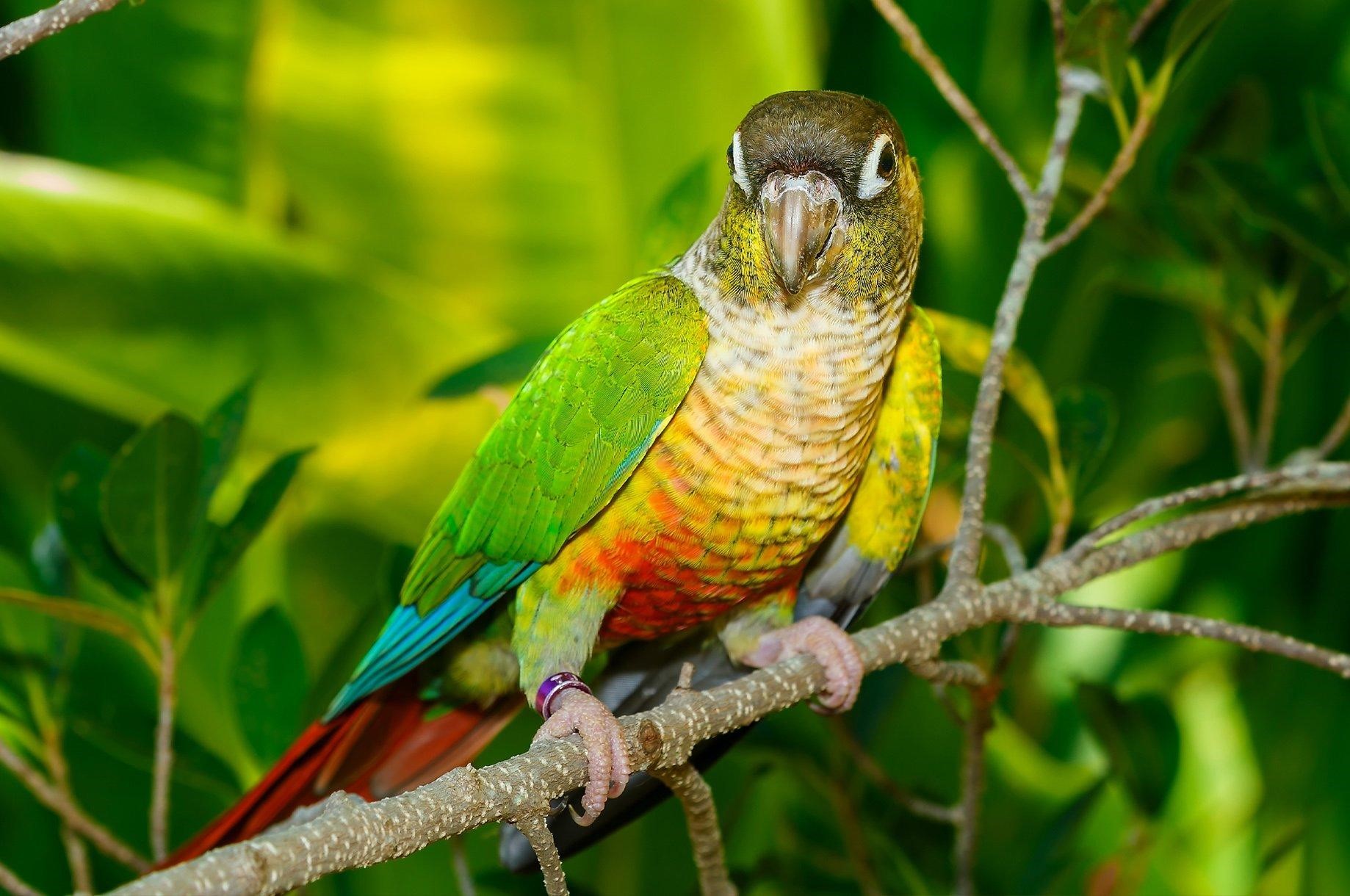
Green-cheeked conures are popular types of pet birds known for their cuddly and energetic personalities. These small parrots are incredibly affectionate birds, often delighting in snuggling into their owner’s neck or pocket. They are playful and enjoy social interaction, readily forming a strong bond with their human family members. Their endearing antics and desire to be close make them a wonderful feathered friend for those seeking a highly interactive and cuddly bird, proving that even little birds can be incredibly affectionate.
6. Lovebird – The Tiny Bird Known for Lifelong Bonds
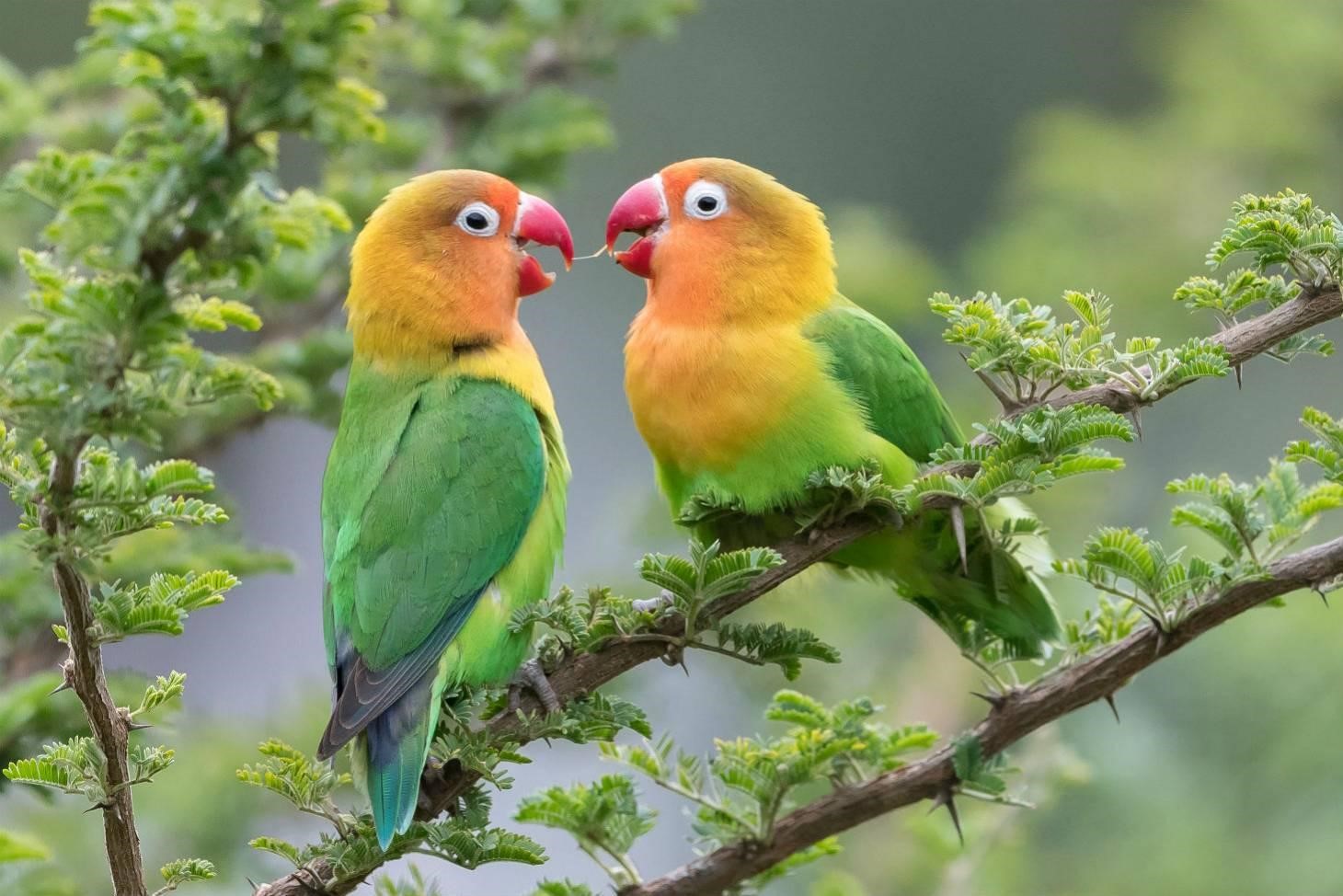
True to their name, lovebirds are tiny but mighty in their capacity for affection, especially when bonded with their human companion. While often kept in pairs, a single lovebird, with ample daily interaction, can form an incredibly strong bond with its owner, becoming a devoted feathered friend. They enjoy perching close, receiving gentle scratches, and engaging in playful vocalizations. These vibrant little birds are known for their feisty yet affectionate personalities, making them captivating and cuddly companions for attentive caretakers.
7. African Grey Parrot – The Intelligent Bird with Deep Emotional Bonds
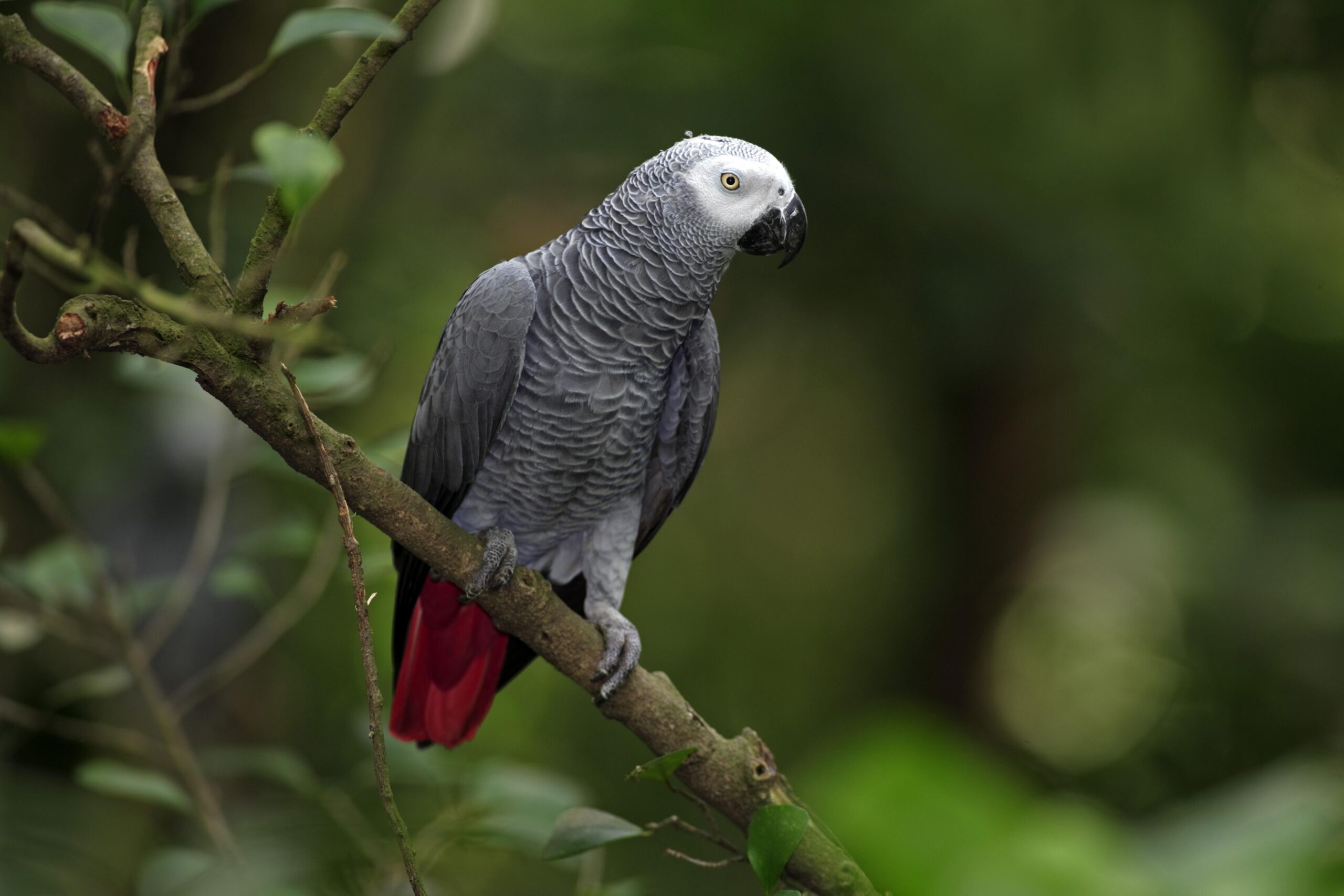
African Grey Parrots are celebrated for their remarkable intelligence and ability to form profound emotional bonds with their caretakers. While not always overtly cuddly in the same way a cockatoo might be, an African Grey parrot expresses affection through a deep attachment, often choosing one person as their primary companion. They enjoy social interaction, learn to talk with impressive clarity, and can be quite affectionate, leaning in for head scratches or seeking close proximity to their trusted human. Their loyalty makes them truly exceptional and beloved pet birds.
8. Eclectus Parrot – The Calm and Affectionate Family Companion
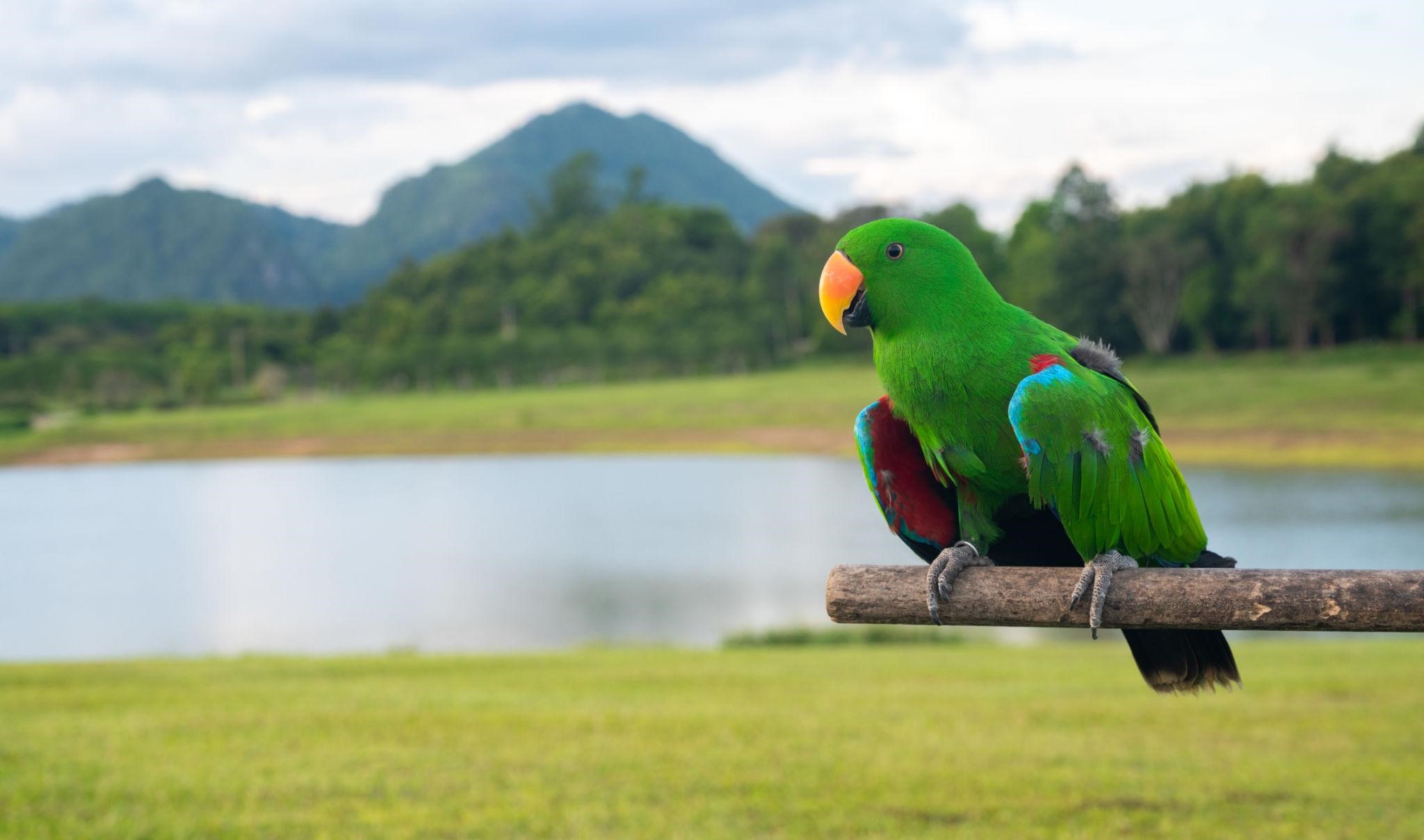
Eclectus parrots are unique for their striking sexual dimorphism and their calm, yet affectionate, demeanor. These beautiful birds often make great companions, enjoying gentle interaction and forming a strong bond with their family. Unlike some more demanding parrots, Eclectus parrots tend to be less prone to excessive cuddling but still appreciate close contact, head scratches, and being near their human caretakers. Their placid nature combined with their intelligence and capacity for affection makes them a wonderful feathered friend for many bird owners.
9. Caique – The Playful Bird Full of Personality
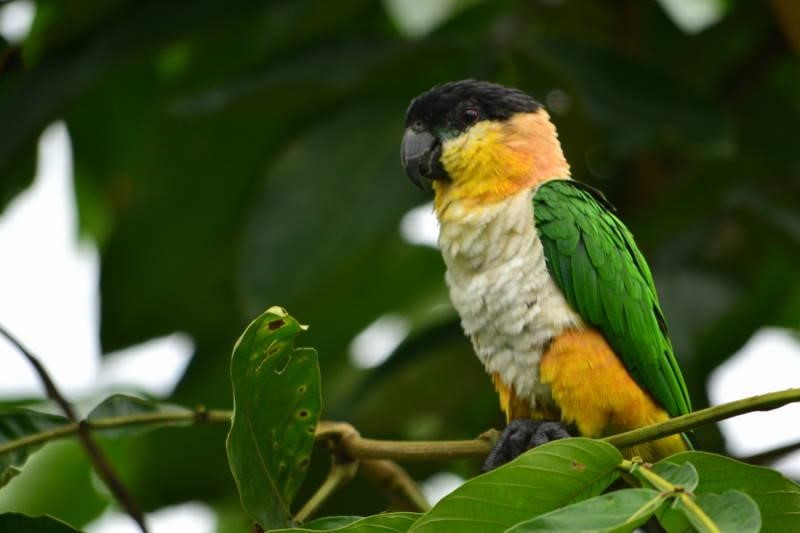
Caiques are small, energetic parrots bursting with personality and a surprising capacity for affection. These playful birds love to interact, often engaging in comical antics and enjoying hands-on play. While they are known for their independent and adventurous spirit, caiques also form very strong bonds with their owners and can be quite cuddly, especially when they initiate the interaction. Their active nature means they thrive with plenty of daily interaction and mental stimulation, making them a lively and affectionate pet bird.
10. Quaker Parrot – The Loyal and Talkative Companion
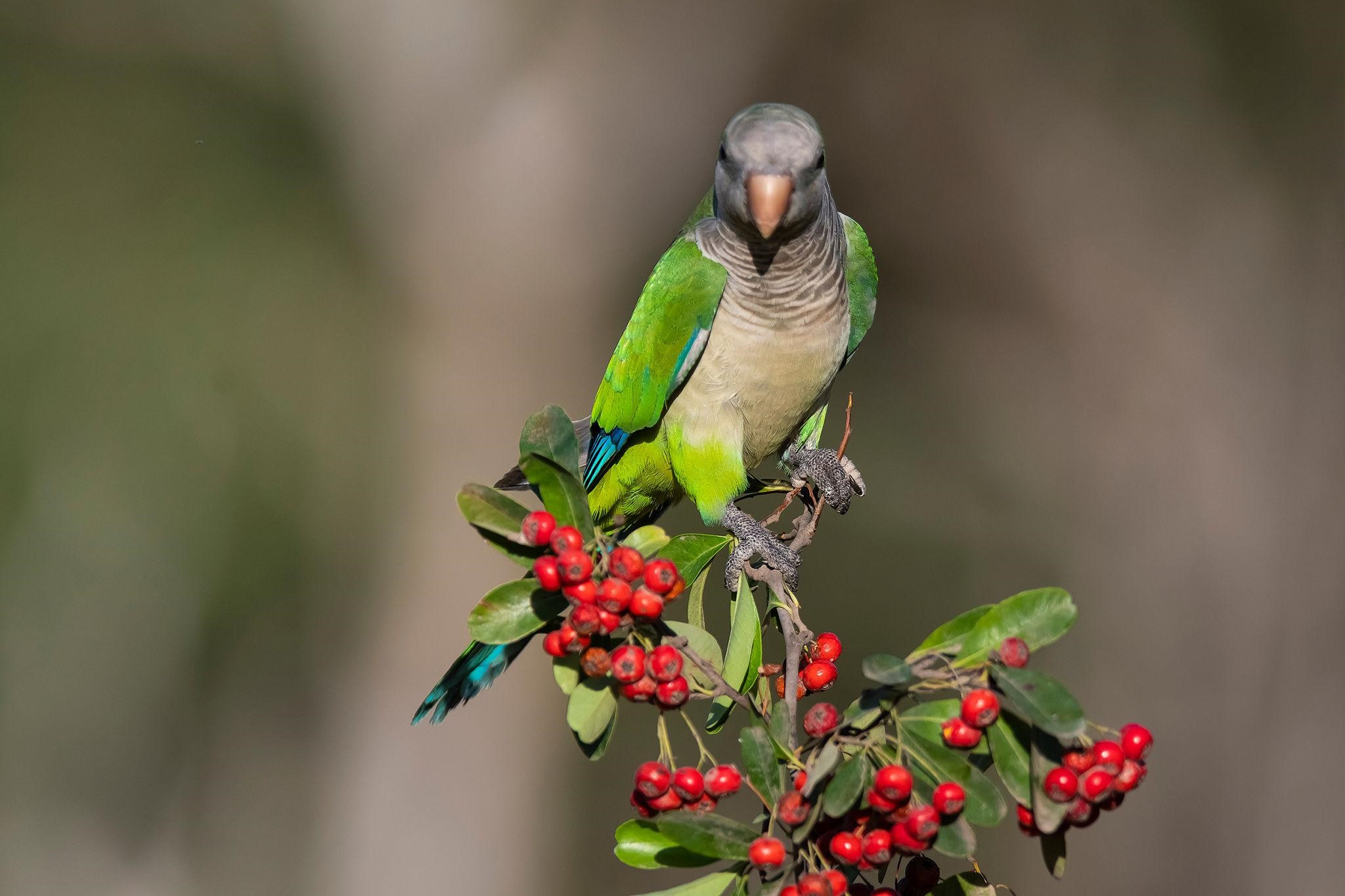
Quaker parrots, also known as Monk parakeets, are highly intelligent and can be incredibly loyal and affectionate birds. They are known for their ability to learn to talk and mimic sounds, making them engaging companions. Quakers often form strong bonds with their human caretakers, enjoying social interaction, perching on shoulders, and even accepting gentle cuddles. Their confident personalities and dedication to their chosen human make them wonderful and talkative feathered friends for those seeking a deeply bonded pet bird.
Why These Birds Form Strong Bonds with Humans
Intelligence and Emotional Awareness
The intelligence and emotional awareness of certain bird species play a pivotal role in their capacity to form strong bonds with humans. Parrots, for instance, are highly intelligent animals capable of complex problem-solving and recognizing individual faces and voices, which fosters deeper connections. This cognitive ability allows them to understand and respond to human emotions, making them more empathetic and thus, more affectionate. Their emotional depth means they can genuinely miss their caretakers and display behaviors that indicate a longing for social interaction, reinforcing their reputation as truly cuddly and affectionate feathered friends.
Natural Flock Behavior and Social Instincts
Many popular types of pet birds, including parrots like cockatiels, conures, and cockatoos, are inherently social creatures that live in large flocks in the wild. This natural flock behavior and strong social instincts drive their need for companionship and connection, making them ideal pet birds for individuals seeking an affectionate bond. When a bird is welcomed into a human family, it often perceives its human companions as part of its flock. This instinctual drive to bond and engage in social interaction translates into seeking cuddles, preening, and vocalizing, mirroring the behaviors they would exhibit with other birds, and establishing a deep bond with their owners.
The Importance of Daily Interaction and Trust
Building a strong bond with an affectionate bird heavily relies on consistent daily interaction and establishing trust. Birds, especially intelligent species like the African Grey Parrot, learn to trust their human caretakers through positive reinforcement, gentle handling, and predictable routines. This trust is the foundation upon which affection flourishes. Regular social interaction, whether it’s playtime, training, or simply quiet companionship, reinforces their sense of security and belonging. Without this crucial daily interaction, even the most naturally affectionate birds may become withdrawn or anxious, highlighting the importance of dedicated care in fostering a truly cuddly and loving feathered friend.
How to Build a Strong Relationship with Your Pet Bird
Choosing the Right Bird for Your Lifestyle
Choosing the right bird for your lifestyle is the first crucial step in building a strong, affectionate bond with your new feathered friend. Consider the time commitment required for daily interaction, as even the most affectionate birds demand significant attention and social interaction to thrive. Researching different bird species, their specific care requirements, and their typical temperament will help ensure you select a pet bird that genuinely fits into your daily routine, setting the foundation for a deep and lasting companionship.
Here’s a comparison of some bird species:
| Bird Species | Considerations |
| Cockatoo | Demands significant attention and social interaction. |
| Cockatiel or Budgie | More suitable for first-time owners due to lower maintenance needs and gentle nature. |
Training, Socialization, and Positive Reinforcement
Once you’ve chosen your pet bird, training, socialization, and positive reinforcement are paramount in developing a trusting and affectionate relationship. Gentle handling from a young age, coupled with consistent positive reinforcement through treats and praise, helps to build a strong bond. Social interaction should be a daily occurrence, allowing your bird to become comfortable with various family members and environments. For intelligent birds like the African Grey Parrot or a conure, teaching simple commands or tricks not only provides mental stimulation but also strengthens the bond, encouraging them to be more responsive and cuddly, ultimately making them great companions.
Common Mistakes That Can Damage Your Bird’s Trust
Even with the best intentions, certain common mistakes can inadvertently damage your bird’s trust and hinder the formation of an affectionate bond. Neglecting daily interaction, inconsistent routines, or using punishment-based training methods can lead to fear and withdrawal in even the most naturally cuddly bird species. Loud noises or sudden movements can also startle a pet bird, making it wary of your presence. A bird that feels insecure or threatened will be less likely to seek out cuddles or engage in playful behavior, emphasizing the importance of patience, understanding, and a calm environment to foster a truly affectionate feathered friend.
Final Thoughts: Choosing the Perfect Affectionate Bird Companion
Ultimately, choosing the perfect affectionate bird companion comes down to a blend of understanding bird species’ innate characteristics and your commitment as a caretaker. While certain birds like the cockatoo, cockatiel, and green-cheeked conure are renowned for being incredibly cuddly and forming deep bonds, every individual pet bird has its unique personality. By prioritizing daily interaction, establishing trust through positive reinforcement, and providing a stimulating environment, you can cultivate a profound and rewarding relationship with your feathered friend, regardless of whether it’s one of the top 10 most affectionate birds in the world or a different type of bird entirely.