Islam is the second religion by number of followers all over the world. Like Christianity, a big number of people adhere to this creed; the number of Muslims reached one billion and a half in 2011. The majority of this number is found in specific regions in the world; Africa and the Middle East are the two biggest Islamic centers. However, as a result of the Muslim immigration from Africa and the Arab world to European and American countries, Islam started to spread abroad. You would find it for example the second religion in Britain after Christianity. Although the Gulf countries, Indonesia and Turkey are the richest Muslim countries, they do not top our list in having the biggest number of Muslims on a world level. Let us see what are the top 10 Muslim countries?
Understanding Muslim-Majority Countries Around the World
What Makes a Country Muslim-Majority?
A Muslim-majority nation is generally defined by data from the Pew Research Center as a sovereign state where the vast majority of citizens practice Islam. According to the World Factbook and various studies on the global Muslim population, these territories feature vibrant societies shaped deeply by religious values, legal frameworks, and shared cultural practices that resonate throughout daily life.
The Difference Between Islamic Heritage, Culture, and Government
Distinguishing between religious traditions, historical heritage, and official governance across Islamic countries requires looking closely at how societies operate. While some Islamic countries integrate faith directly into their constitution, others maintain secular legal systems while preserving a rich tapestry of art, architecture, and social customs rooted in the broader Muslim world.
Where Are the World’s Largest Muslim Populations?
When examining the geographical distribution of Muslim populations in the world, researchers note that the majority of adherents actually reside outside the Middle East. Comprehensive reports tracking the global Muslim population reveal that South and Southeast Asia house staggering numbers of believers, significantly influencing the demographic balance of Muslim-majority countries globally.
Top 10 Muslim Countries All Over the World
1. Saudi Arabia – The Spiritual Heart of the Muslim World
Saudi Arabia stands as the undisputed spiritual center for the global Muslim population, housing the two holiest cities of Mecca and Medina. Millions of pilgrims visit this vital Arab country annually, making it a cornerstone of the Islamic world where ancient traditions merge seamlessly with contemporary national development and strategic geopolitical influence.
2. Indonesia – Home to the World’s Largest Muslim Population
Indonesia proudly claims the largest Muslim population of any nation on Earth, representing a fascinating intersection of diverse cultures and moderate religious practices. Spanning thousands of islands, this Southeast Asian powerhouse demonstrates how vibrant communities can foster religious harmony while contributing immensely to the overall global Muslim demographic landscape.
Egypt remains a legendary center of Islamic scholarship, anchored by institutions like Al-Azhar University, which has shaped the intellectual and spiritual trajectory of the Islamic world for over a millennium.
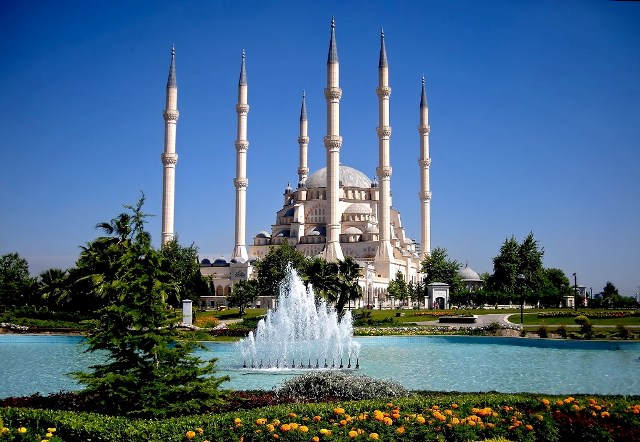
Türkiye presents a magnificent architectural tapestry where Ottoman grandeur meets modern secular governance, creating a bridge between Europe and Asia deeply embedded within the rich history of the Muslim world.
Pakistan emerged as a sovereign homeland defined by fervent religious nationalism, where vibrant traditions, Sufi shrines, and a deeply devout population shape a powerful identity within the broader Islamic community.
Iran boasts an ancient civilization defined by profound Persian heritage and distinct cultural practices, holding a unique position in the global landscape through its rich history and enduring theological traditions.
Bangladesh thrives as a densely populated South Asian republic featuring an immensely vibrant society where faith influences daily life, community gatherings, and cultural expressions across cities and rural villages alike.
Malaysia showcases a harmonious multicultural society where a substantial Muslim community coexists peacefully with diverse ethnic groups, fostering economic innovation alongside deeply cherished traditional values and moderate practices.
Morocco captivates travelers with its stunning mosaic tilework, historic medinas, and ancient spiritual centers, serving as a magnificent gateway of heritage situated at the crossroads of Africa, Europe, and the Middle East.
United Arab Emirates dazzles the globe as a futuristic economic powerhouse that successfully blends contemporary urban development with deeply respected traditional customs, projecting immense regional and international influence.
What Makes These Muslim Countries Unique?
Islamic holy sites, majestic mosques, and revered religious landmarks scattered across these sovereign territories draw millions of devoted pilgrims annually, serving as enduring testaments to profound faith and architectural brilliance.
Islamic art, intricate geometric architecture, and vibrant cultural traditions reflect centuries of creative expression, scientific inquiry, and spiritual devotion that continue to inspire:
- designers
- historians
- admirers worldwide today
Ancient universities established a rich legacy that continues to resonate strongly within modern academic institutions across the global landscape, particularly through:
- historical scholarship and Islamic education
- foundational contributions to science, mathematics, and philosophy
These dynamic nations are shaping contemporary geopolitics and preserving their irreplaceable historical heritage for future generations through:
- modern economic development
- thriving tourism sectors
- expanding international influence
Which Countries Have the Largest Muslim Populations?
Countries with the Highest Number of Muslim Residents
When examining the countries with the largest Muslim residents, statistical data from organizations like the Pew Research Center and the World Factbook highlight several key nations. Indonesia, Pakistan, and Bangladesh consistently record the highest number of followers, significantly impacting the global Muslim population distribution across the developing world today.
Countries with the Highest Muslim Population Percentages
Analyzing the percentage of adherents reveals that nations such as Saudi Arabia and other Islamic countries feature an almost entirely Muslim population. According to extensive research, these specific territories maintain a near-total majority of Muslims within their borders, deeply influencing their societal laws, cultural norms, and daily religious practices.
How Muslim Countries Differ Across Regions
Middle Eastern and North African Muslim Countries
Middle Eastern and North African regions represent the historical cradle of the Islamic world, where nations like Saudi Arabia and Algeria shape regional politics. These Arabic-speaking territories often feature prominent Islamic heritage sites, blending ancient traditions with contemporary governance while maintaining a powerful influence over the broader global religious landscape.
Asian Muslim-Majority Countries
Asian countries such as Indonesia, Pakistan, and Bangladesh house the largest concentration of the global Muslim population outside the Middle East. These diverse nations demonstrate unique cultural expressions, blending local customs with orthodox religious practices to foster vibrant societies that contribute immensely to the overall global demographic weight of Islam.
African and European Muslim Communities
African nations, notably Nigeria, alongside various growing European diaspora communities, represent dynamic frontiers for the expansion of Islam. These regions showcase diverse cultural integrations, where minority and majority groups interact, creating rich social tapestries that reflect the multifaceted nature of the global Muslim community in modern times.
Final Thoughts on the World’s Most Prominent Muslim Countries
In conclusion, exploring these prominent Muslim-majority countries reveals a breathtaking diversity in culture, heritage, and geopolitical influence. From the densely populated nations of Asia to the historic heartlands of the Middle East, the ongoing population growth and vibrant traditions ensure that these societies will continue to shape the future of our interconnected world.